Portuguese
  Spanish





The Decision By Yamaha To End Production Of Two Of Its Most Popular Models Changes The Low-Displacement Market And Points To New Strategies For The Brand In Light Of Environmental And Technological Changes In The Motorcycle Sector.
The Yamaha has confirmed the end of production for the Factor 125i UBS and Fazer 150 UBS models in Brazil, a move announced by the company that opens the door for the arrival of the new Factor (149 cc) and the Factor 150 DX.
This decision accompanies the update of the brand’s low-displacement lineup, the implementation of stricter environmental regulations, and the change in consumer preferences towards more efficient and connected motorcycles.
Reasons For The Discontinuation Of The Factor 125i And Fazer 150
The discontinuation is part of a renewal plan for the low-displacement street range.
-
Brazilian Electric Motorcycle Once Promised 180 km Range and Affordable Price, Now Faces Uncertain Future Amid Delays and Manufacturer’s Bankruptcy

-
Chery Stockman 2026 Unveiled: Larger Than Toyota Hilux, Featuring Unique Plug-In Hybrid Diesel Engine, 3.5 Ton Towing Capacity, and 1,000 kg Payload to Challenge Traditional Off-Road Trucks

-
Does a Flag on Your Car’s Hood Overheat the Engine? Expert Reveals the Overlooked Danger for Drivers
-
How to Identify and Remove Superficial Scratches Before Spending on Car Bodywork


On one hand, Phase Promot M5 has instituted more stringent emission limits for motorcycles — with stages affecting all models starting January 1, 2024.
On the other hand, the public has begun to prioritize low consumption, basic connectivity, and redesigned styling, points addressed by the duo Factor 2025 and Factor 150 DX. In addition to the technical adjustments, the strategy repositions the offering.
The former Fazer 150 UBS gives way to the DX version of the Factor, with an updated visual and lighting package.
Meanwhile, the Factor 125i UBS makes way for the “new Factor,” now featuring a 149 cc engine.
Thus, Yamaha simplifies the portfolio, maintains focus on urban use, and preserves a competitive total cost of ownership appeal.
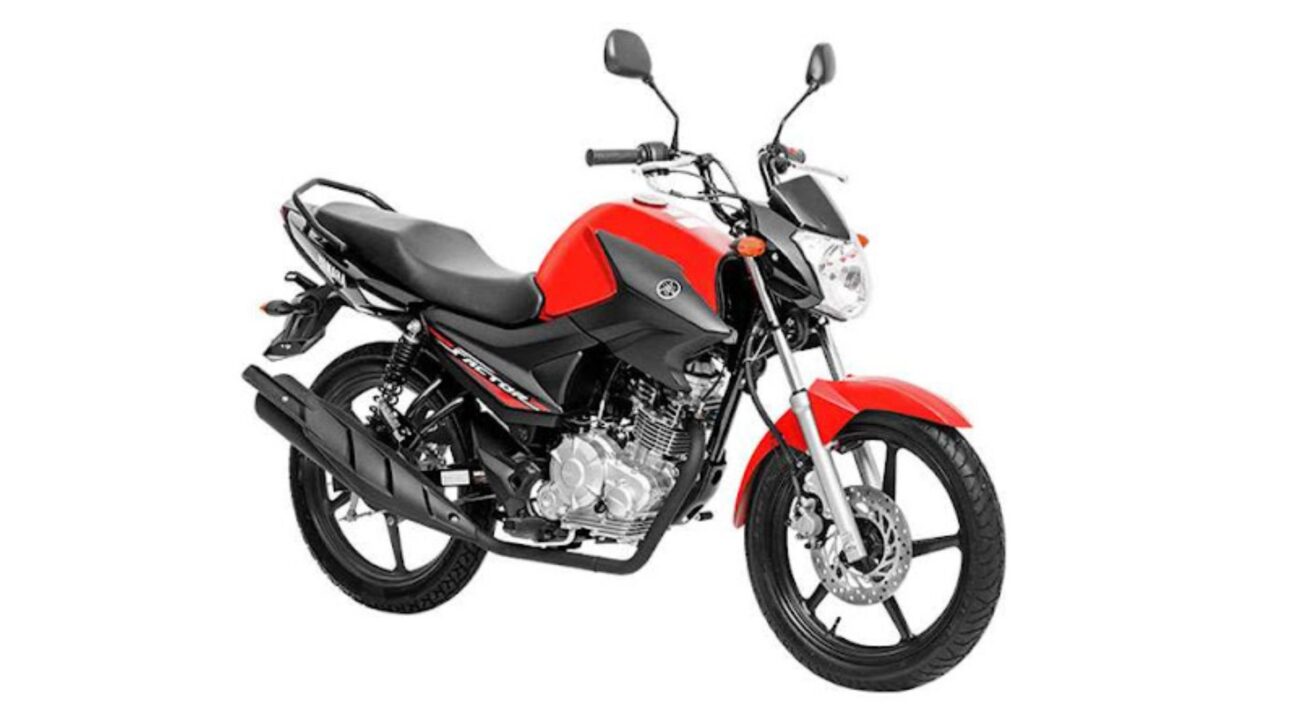
What Changes With The New Models
The new Factor (149 cc) and the Factor 150 DX arrive with design updates and features such as LED headlights in certain versions, redesigned fairings, and emission adjustments.
The concept remains focused on daily commuting and work, with an emphasis on fuel economy and mechanical robustness.
In real use, the average consumption historically reported for this family is around 40 km/l.
With fuel tanks in the range of 15 to 15.7 liters (with reserve), it yields a range of around 500 km per tank, varying according to riding style, type of fuel, and load.
The proposal, therefore, preserves one of the central attractions that have made Factor and Fazer popular among riders who travel a lot and fill up little.
Impact On The Market And For Owners
For those who already own a Factor 125i UBS or Fazer 150 UBS, the dealer network continues to provide parts and services within legal deadlines.
The discontinuation does not interrupt after-sale service and generally does not pose immediate maintenance difficulties, given the large installed base of these models.
In the market, the withdrawal of the two historic names reorganizes competition in the 150 cc segment.
The Yamaha bets on more current design and standardization of platforms while maintaining the argument of low service costs in the initial usage ranges.
In sector surveys, the Factor 150 line ranks among the lowest maintenance costs up to 18,000 kilometers, which helps preserve the cost-benefit in intensive usage scenarios.
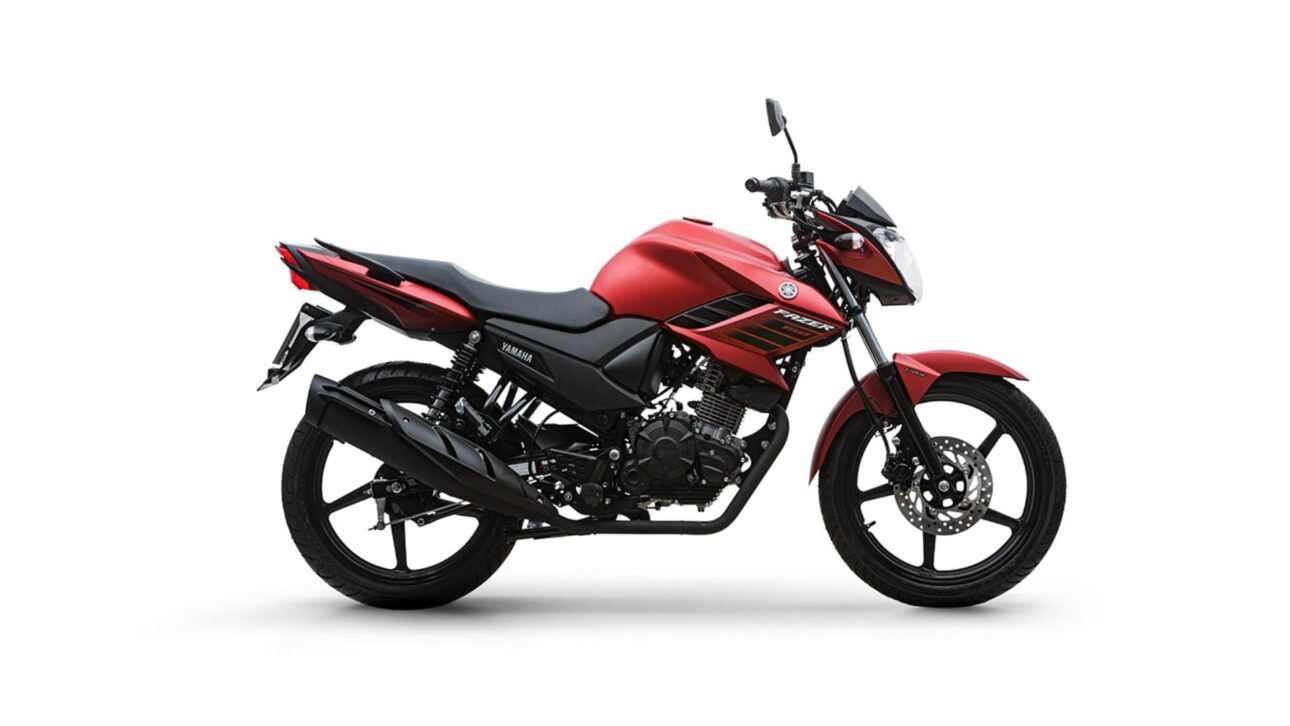
Legacy Of The Factor 125i And Fazer 150
The journey of the Factor 125i and Fazer 150 has established a reputation for mechanical simplicity, reliability in daily use, and accessible operation.
For years, they served as a gateway into the world of two wheels and as a work tool throughout the country.
The combination of electronic fuel injection, five-speed transmission, and flex single-cylinder engines — at 125 cc and 149 cc, respectively — became synonymous with predictable maintenance and moderate consumption.
Even out of production, the resale value tends to remain stable in the short term due to the demand for economical motorcycles and the availability of parts.
Proper maintenance, with timely servicing and basic care, helps preserve performance, consumption, and resale price.
Yamaha’s Plans For The Coming Years
The update of the 2025 line indicates that the brand will continue to invest in 150 cc platforms and solutions for urban mobility.
In January 2025, the Yamaha began sales in Brazil of its first local electric model, the Neo’s Connected, aimed at short-distance travel and focused on practicality, reinforcing the commitment to new technologies and lower emissions.
Meanwhile, the Factor 2025 and Factor 150 DX take on the role of maintaining the brand’s presence among entry-level motorcycles, a segment that accounts for large volumes and attracts customers sensitive to consumption, durability, and maintenance costs.
What To Consider When Buying Now
Those looking for a new motorcycle with a similar profile find in the new Factor (149 cc) and Factor 150 DX options with a proposal similar to their predecessors.
Meanwhile, those planning to stick with the Factor 125i or the Fazer 150 should prioritize adhering to the maintenance plan, using quality fuel, and periodically checking wear items.
These practices extend the lifespan and protect the value upon future resale.
Central Message Of Yamaha’s Movement
The discontinuation of the Factor 125i UBS and Fazer 150 UBS marks the end of a cycle of great significance for Yamaha in Brazil. At the same time, it opens a phase of standardization and modernization.
The consumer continues to be presented with options that preserve the spirit of economy and robustness, now aligned with the new environmental regulations and expectations for contemporary design and equipment.
In light of this scenario, the question that arises is simple: what weighs most in your decision today — range, low maintenance, connectivity, or final price?