






 Portuguese
  Spanish


Brazil, Known for Its Water Abundance, Faces an Unprecedented Crisis: Historic Droughts Devastate Entire Regions, Putting the Supply of Millions at Risk. Experts Warn of the Urgency for Drastic Conservation Measures.
The availability of freshwater has always been one of Brazil’s greatest assets, a country that holds about 12% of the world’s freshwater reserves.
However, this abundance conceals a concerning structural problem: the unequal distribution of water resources, which can result in scarcity in various regions.
The government’s warning about the need for immediate actions to preserve water supply reignites the debate on the sustainability of consumption in the country.
-
Young Brazilian Woman Rescues 60 Animals, Faces $6,500 Debt, and Strives to Build Shelter for Dogs and Cats

-
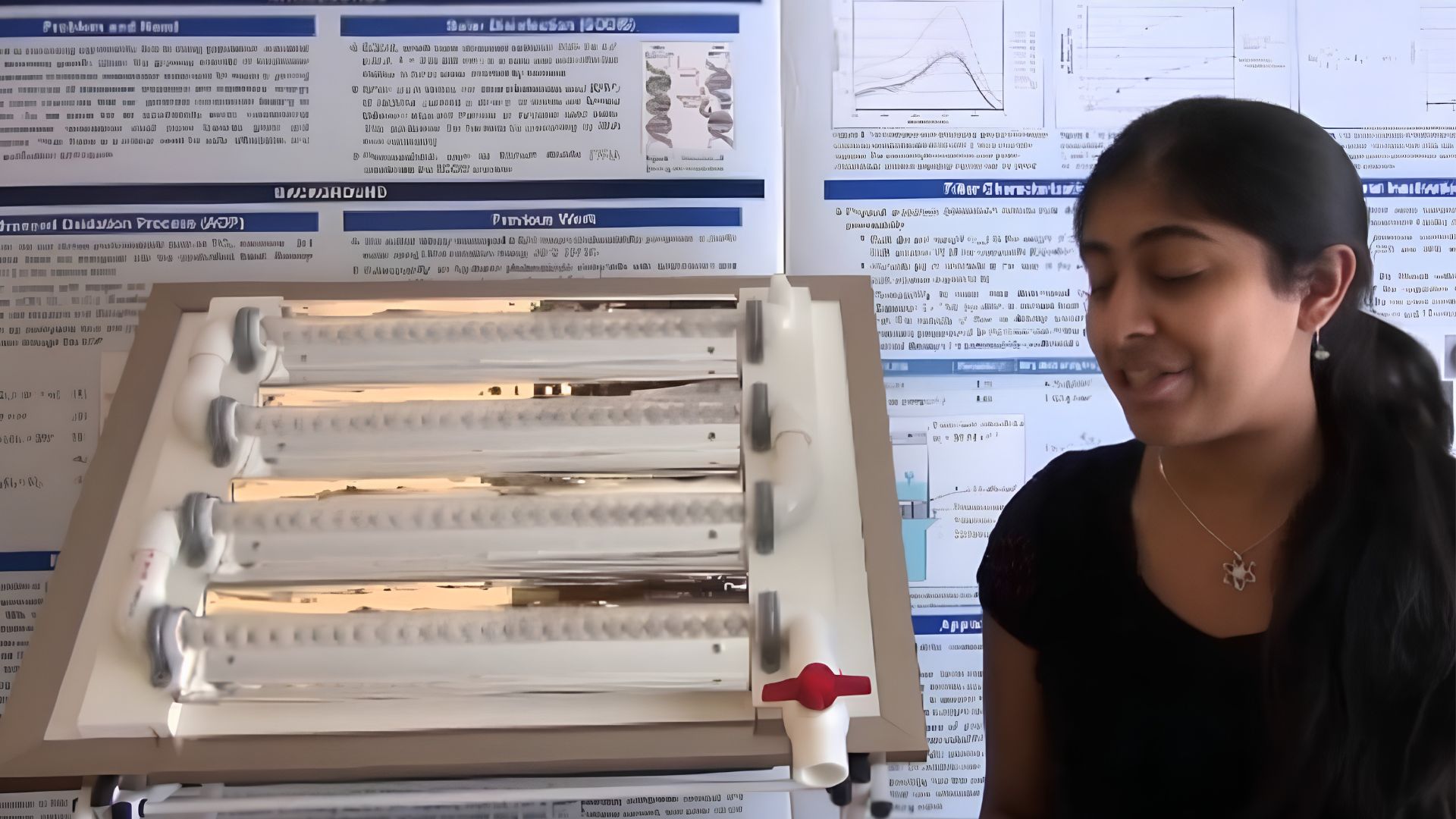
Indigenous 8-Year-Old Girl Wins National Science Award for Solar-Powered Water Heater Invention Using Recycled Materials

-
14-Year-Old Girl Develops Solar-Powered Water Purification System for India, Eliminating Need for Electricity or Chemicals
-
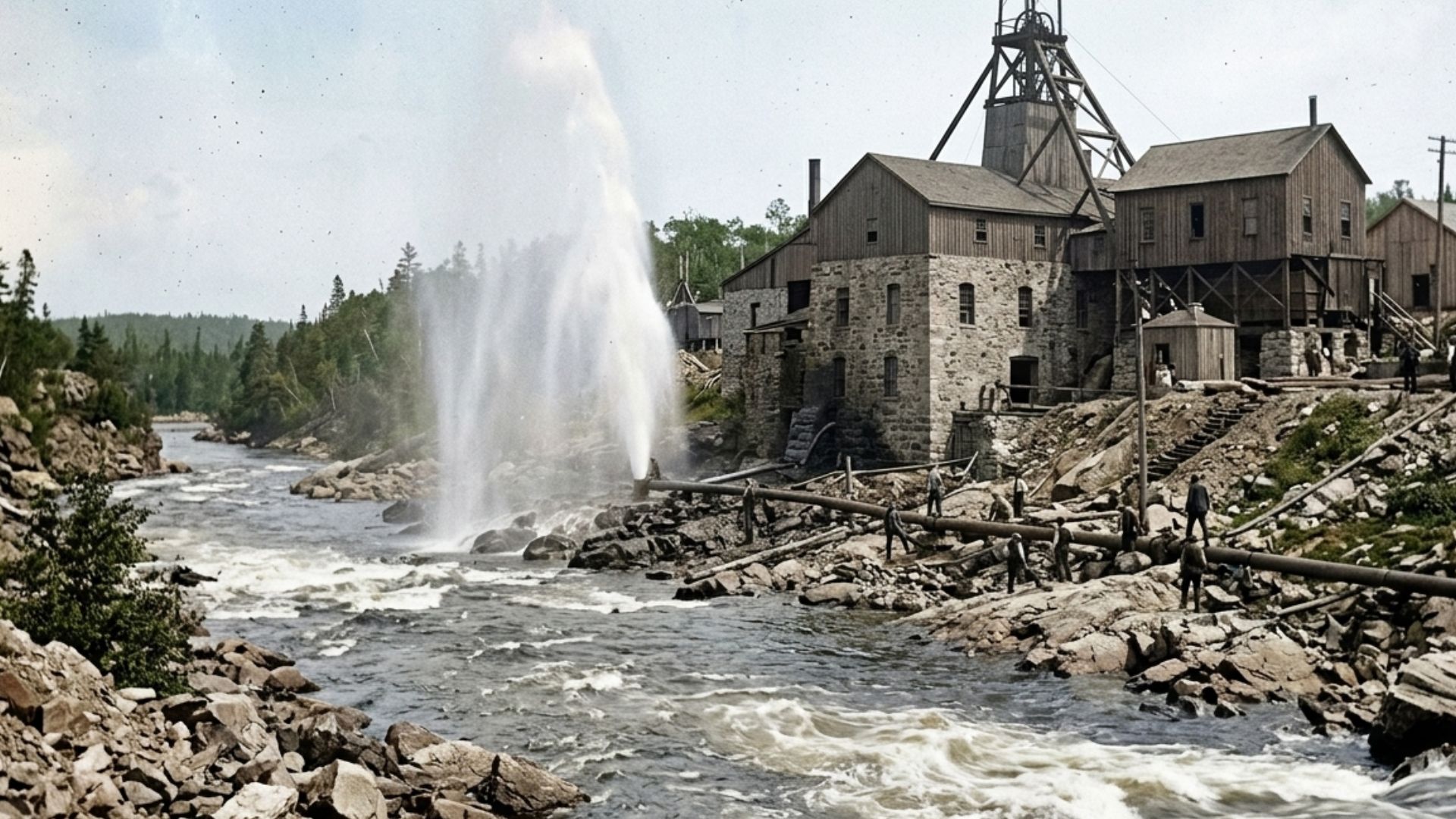
Forgotten Canadian Machine Harnessed Waterfall Power to Supply Mines with Compressed Air for 70 Years Without Motors or Electricity


In recent years, extreme climate phenomena, population growth, and rampant waste have jeopardized Brazil’s water security.
While the Amazon Basin holds most of the country’s freshwater, other regions, like the Northeast, have only 5% of national reserves, making them more vulnerable to prolonged drought periods.
Furthermore, states in the Southeast and Central-West, which traditionally did not face severe water difficulties, have also registered crises in recent years.
Amid this scenario, experts and authorities emphasize the importance of strategic measures to ensure the rational use of water.
The Role of DNOCS in Combating Drought
To mitigate the impacts of water scarcity, the National Department of Works Against Drought (DNOCS) has played a fundamental role in managing water resources, especially in the most affected regions.
Created over a century ago, the agency is responsible for building water infrastructure and implementing policies aimed at minimizing the effects of drought.
Among the actions developed by DNOCS are the drilling of artesian wells, the construction of water supply systems, and the encouragement of rainwater harvesting to reduce reliance on water trucks.
Additionally, the department works on creating efficient irrigation systems for agriculture, a sector that accounts for nearly 70% of water consumption in the country.
However, experts warn that these measures are not enough without a joint effort from the population and the private sector.
Adopting conscious consumption practices is essential to prevent scarcity from worsening in the coming years.
Strategies for Conscious Water Use
In addition to government actions, water preservation also directly depends on citizens’ behavior.
Small changes in daily routines can result in significant savings of this essential resource. Below are some recommended practices to reduce waste:
- Turning off the tap while brushing teeth or scrubbing dishes can prevent the waste of up to 12 liters of water per minute.
- Taking short showers, lasting no more than five minutes, reduces consumption by up to 90 liters per shower.
- Avoiding washing small amounts of laundry, gathering items to optimize the use of the washing machine.
- Watering plants during the times of least evaporation, such as early morning or evening, to avoid waste.
- Replacing hoses with buckets when washing cars and sidewalks, which can save hundreds of liters of water.
- Installing rainwater harvesting systems for non-potable uses, such as irrigation and cleaning outdoor areas.
Impact of Climate Change on Water Crisis
Changes in the global climate have directly impacted water availability in Brazil.
Studies indicate that increases in temperature and changes in precipitation patterns may further exacerbate water scarcity in various regions.
In the Northeast, for example, drought has become more intense and frequent, further complicating the replenishment of reservoirs and aquifers.
In the Southeast, states such as São Paulo and Minas Gerais have suffered from recent water crises, leading to restrictions on supply and increased water tariffs.
Experts warn that, without an effective preservation policy, events like these may become increasingly common, affecting not only domestic consumption but also strategic sectors like agribusiness and hydropower generation.
The Challenge of Distribution and Water Waste
Even though it is one of the richest countries in freshwater, Brazil faces structural challenges that hinder the efficient distribution of this resource.
Losses in the supply network, leaks, and waste represent a serious problem.
According to data from the National Sanitation Information System (SNIS), about 40% of treated water in the country is wasted before reaching the final consumer.
Moreover, in some cities, sanitation infrastructure remains inadequate, compromising the quality of the available water.
The lack of investments in the water sector worsens the situation and increases the risks of shortages during critical periods.
The Importance of Awareness and Environmental Education
To ensure the sustainability of water resources, it is essential for the population to adopt a new mindset regarding water consumption.
Awareness campaigns, educational projects, and incentives for rational use are fundamental measures to encourage more responsible behavior.
Additionally, experts advocate for the implementation of differentiated tariffs to stimulate efficient consumption.
In some cities, there are already billing models that penalize high consumers and offer discounts to those who reduce waste.
The water crisis is not a distant or isolated problem. The future of water supply depends on the choices made today, both by the government and by society.
Adopting sustainable habits and demanding effective public policies are essential steps to ensure that future generations do not face a water collapse.


Desmata mais a agua vai acabar de vez mesmo
O desperdício de água não é apenas culpa da população. Existem vários setores que contribuem para o consumo de água, incluindo agricultura, indústria e serviços públicos. Para economizar água, é importante adotar práticas sustentáveis, como reutilizar água, conservar água, detectar e reparar vazamentos e usar dispositivos eficientes em água. Nos últimos anos os governos não têm demonstrado preocupação alguma com a escassez e com o desmatamento, usam isso como uma arma ideológica pra se eleger e o eleitor desesperado votar, igual com a fome, os políticos só pensam em dinheiro.
Quem tem que economizar água das torneiras não é somente a dona de casa e quem chega em casa a noite, depois de um dia de trabalho, louco por um banho pra poder conseguir dormir direito a noite e, na manhã seguinte, ter conseguido descansar pra poder sair pro trampo novamente. Têm que multar os gastadores de água que plantam para exportar e enriquecer. Por sinal, o imposto mais alto que pagarem ao desgoverno estará de bom tamanho, e farão vista grossa. E onde fica o Partido Verde 💚 ??? Tem alguma ideologia ou compromisso com a vegetação, com o oxigênio? Ou somente com os lucros da venda de bois, da exportação de soja e com os lucros que o comércio internacional traz para os cofres públicos ???