





 Portuguese
  English
  Spanish
  3 min of reading
  0 comments


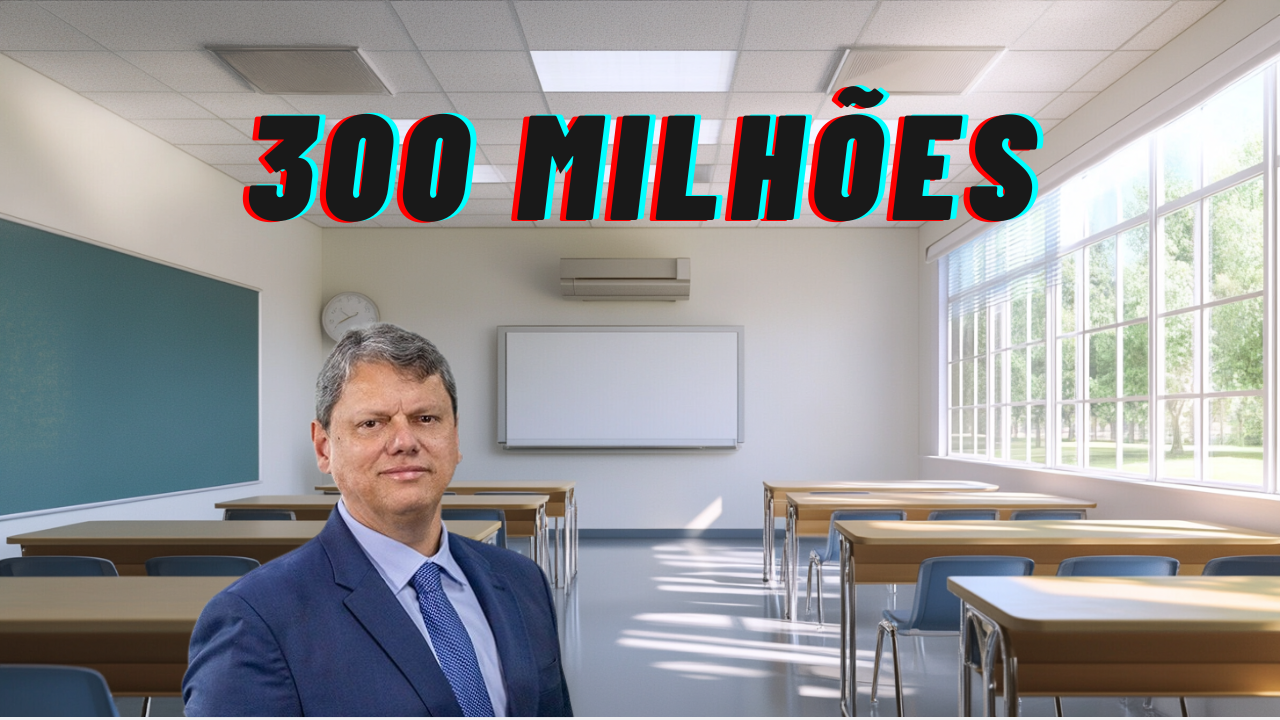
Project Aims to Improve Thermal Comfort and Learning Environment, Benefiting Thousands of Students in the Hottest Regions of the State
In an effort to transform learning conditions in public schools, the São Paulo government, through the Department of Education (Seduc), allocated a significant amount of R$ 300 million in the last two years to equip state schools with air conditioning systems.
This investment not only represents a change in the physical environment of schools but symbolizes a commitment to improving educational quality for students and teachers across the state.
Impact and Expansion of the Project
Since the project’s inception, the number of schools with air-conditioned classrooms has drastically increased from just 9 to 595 units. This advancement is only the beginning, as the target set by the government is much more ambitious.
-
The race of humanoid robots in factories has truly begun, Hyundai announced that it will deploy more than 25,000 units of Atlas in its production lines starting in 2028, in a partnership that involves Boston Dynamics and training with Google DeepMind.

-
After nearly three decades and more than 1 million cars produced, Toyota will close the historic Indaiatuba plant on June 30 and concentrate Corolla production in Sorocaba, as part of an R$ 11 billion plan that heavily invests in flex hybrids and even an unprecedented pickup.
-
The number of Brazilian meatpacking plants with suspended meat sales to China rises to five, after the Chinese blocked the JBS unit in Vilhena due to the presence of hormones in the shipments, adding extra pressure on the sector on the eve of the 2026 export quota being exhausted.
-
How much does it cost to live with dignity in Brazil? A study found that in all 79 regions analyzed, the necessary salary was above the minimum of R$ 1,621. In São Paulo, a family of four needs R$ 6,155 per month.


By the end of 2025, it is expected that more than 1,000 schools will benefit from the installation of air conditioning, creating a more comfortable learning environment conducive to the intellectual and emotional development of students.
Focus on the Hottest Regions
The implementation of this air conditioning project has been strategically planned to initially address the regions most affected by intense heat.
The areas of Barretos, Franca, Ribeirão Preto, and São José do Rio Preto, known for their high temperatures, have been prioritized. Currently, these regions already have 182 schools with air conditioning systems, representing 39.3% of the air-conditioned units.
This strategic choice aims to mitigate the adverse effects of excessive heat, which can hinder concentration and student performance.
Execution Stages and Desired Objectives of the Project
The project for air conditioning the state schools of São Paulo is being executed in carefully planned phases. This approach allows the areas with the greatest needs to be addressed first, ensuring that resources are used effectively and efficiently.
In addition to improving thermal comfort, the project also aims to increase student satisfaction and motivation, as they study in more pleasant and healthy environments.
Commitment to Quality Education
The investment by the São Paulo government in the air conditioning of schools underscores a continuous commitment to improving educational infrastructure.
The installation of air conditioning systems not only enhances thermal comfort but also promotes a healthier and more motivating environment for students and teachers.
Studies have shown that suitable learning environments can positively influence academic performance, school attendance, and even students’ mental health.
Long-Term Benefits
In the long run, this air conditioning project can bring numerous benefits to the educational community of São Paulo.
In addition to improving academic performance, the initiative can help reduce dropout rates, as students tend to attend more classes in comfortable environments.
Additionally, teachers also benefit from a more pleasant work environment, which can increase job satisfaction and productivity.
Final Considerations
With this initiative, the São Paulo government is not only improving the physical conditions of schools but also investing in the future of young citizens from São Paulo.
The air conditioning of schools is a vital step to ensure that all students have access to a learning environment that supports their academic and personal growth.
This project clearly demonstrates the government’s determination to advance the quality of public education, using air conditioning as a tool to create more welcoming and efficient schools that align with the contemporary needs of students and educators.
SOURCE: VEJAABRIL





-

1 person reacted to this.