






 Portuguese
  Spanish


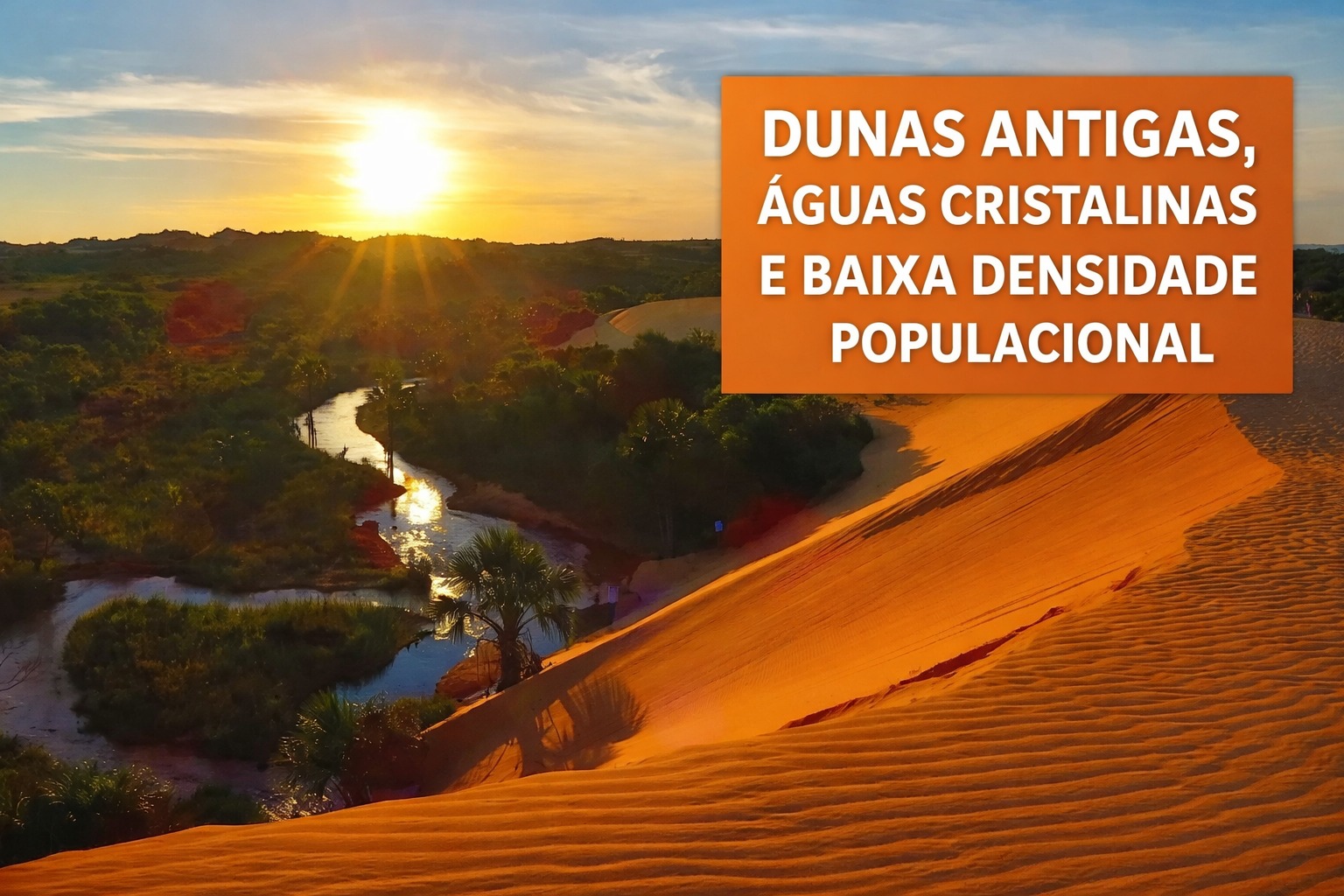


Technically Recognized As A Desert, Jalapão Occupies More Than 34 Thousand Km² In The East Of Tocantins, Houses Crystal-Clear Waters, Ancient Dunes, Low Population Density, And Tourism Monitored By Environmental Agencies
The Jalapão Desert, in the east of Tocantins, is recognized by environmental agencies for its arid characteristics, low rainfall, and dunes, while also housing crystal-clear waters, welcoming tourists, and covering an area larger than the state of Sergipe, making it a unique territory in Brazil.
A Technically Recognized Desert In The Heart Of The Cerrado
Jalapão features low rainfall and specific vegetation, factors that support its technical classification as a desert according to environmental studies cited by monitoring agencies.
Located in the east of Tocantins, the territory is closely monitored by environmental agencies, which reconcile preservation, controlled tourist visitation, and protection of sensitive areas.
-
Raised in a Family of 16, Mechanic’s Daughter Overcomes Challenges to Become a Leading Female Figure in Brazil’s Automotive Industry

-
Brazilian Sisters, Aged 103, 104, and 109, Set Guinness World Record as Oldest Sibling Trio, Totaling 316 Years; Attract Scientific Interest for Longevity DNA Study
-
14-Year-Old Australian Entrepreneur Goes Viral After Y Combinator Rejection, Runs Two Startups Including an AI Company After Sock Business Failure

-
100-Year-Old Brazilian Sets World Record by Swimming 50 Meters in 1 Minute and 9 Seconds, Inspired by Tarzan Films


With more than 34 thousand km², Jalapão is larger than the state of Sergipe and has a population density of less than one inhabitant per km².
The combination of extensive dunes and an abundance of crystal-clear springs explains the nickname Desert of Waters, a phrase associated with the veredas scattered throughout the territory.
Golden Dunes Shaped Over Millions Of Years
The dunes surrounded by plateaus are among the most well-known images of Jalapão and concentrate a significant portion of the regional tourist interest.
Formed millions of years ago by the erosion of the sandy rocks of the Espírito Santo Mountain Range, these dunes reach heights of up to 40 meters.
The sunset is the main attraction of the site, responsible for the orange hues that transform the sand mountains at the end of the afternoon.
Espírito Santo Mountain Range And Demanding Trails
The trail of the Espírito Santo Mountain Range is 900 meters steep and usually starts early to avoid the strong sun during the ascent.
After the plateau, a three-kilometer flat stretch leads to a viewpoint overlooking sandstone cliffs formed 150 million years ago.
From above, it is possible to see part of the Jalapão State Park, reinforcing the geological and environmental dimension of the scenery.
Waterfalls Of Power And Contemplation
The Velha Waterfall is considered the largest in the state park, with a horseshoe-shaped waterfall and a height of 15 meters.
With powerful and voluminous waters, the waterfall is intended only for contemplation, with no possibility of swimming due to the strength of the current.
On the other hand, the Formiga Waterfall offers a natural pool of emerald tones, surrounded by ferns and fed by the Formiga River.
Aquatic Experiences And Cool Canyons
Kayaking on the Novo River is an activity offered by pioneering companies like Korubo during safaris through Jalapão.
In colorful kayaks, visitors navigate small rapids, facing more adrenaline-pumping sections along the waterway.
The Suçuapara Canyon is located 20 km from Ponte Alta do Tocantins and is considered one of the few cool attractions in the region.
It is a crevice in sandstone, where cold waters flow over 25-meter-high walls, covered in ferns and roots.
Fervedouros And The Crafts That Sustain Communities
The fervedouros are underground springs of transparent waters, surrounded by banana trees and known as natural resurfacings.
The pressure of the water in the sandy soil prevents visitors from sinking, creating a unique bathing experience in crystal-clear waters.
Jalapão is also known for its crafts made of golden grass and buriti silk, which is the main source of community income.
Bags, jewelry, and utensils are sold in towns along the route, preserving local knowledge and strengthening the regional economy, even in a desert-like environment with difficult access.
With Information From Viagem em Pauta.


