






 Portuguese
  Spanish


USTR Proposal Will Still Undergo Public Consultation and May Increase U.S. Pressure on Brazilian Imported Products
A new U.S. trade measure has placed Brazil at the center of a potential tariff dispute. The USTR, the agency responsible for U.S. trade policy, proposed an additional 12.5% tariff on Brazilian products, alleging failures in combating “forced labor” in production chains. The proposal was presented on June 2, 2026, based on Section 301 of the Trade Act of 1974. This mechanism allows investigations against practices considered harmful to U.S. trade and, therefore, increases pressure on countries included in the list.
Proposal Targets Brazil and Other Trade Partners
The initiative does not involve only Brazil. In total, 58 countries and the European Union appear on the list analyzed by the United States. The rates, however, vary according to the trade partner. Canada, Mexico, the United Kingdom, and the European Union appear with a possible extra tariff of 10%, while Brazil is in the group subject to the highest rate of 12.5%. According to the USTR, failures in addressing “forced labor” could create distortions in international competition and reduce production costs outside the United States.

Public Consultation Will Define Next Steps
The charge has not yet come into effect, as it depends on formal steps within the U.S. process. The U.S. government will receive public comments until July 6, 2026, and after that, will hold a hearing before the final decision. The measure, therefore, remains under review, but the inclusion of Brazil already signals a hardening of Washington’s trade policy. This move also expands the use of Section 301 in trade investigations involving partners and sectors considered sensitive to the U.S. industry.
-
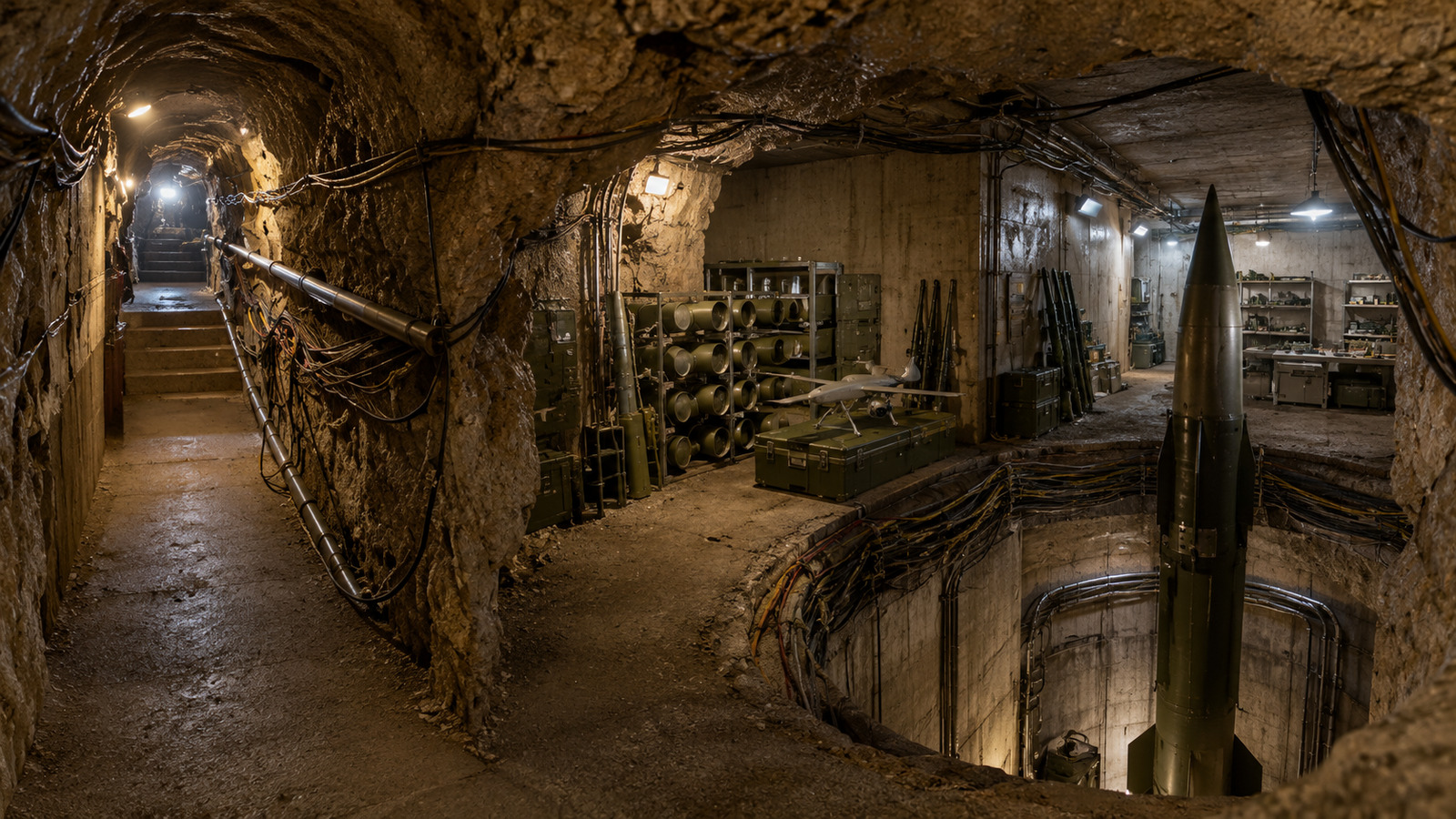
Israel finds Hezbollah militarized tunnel over 200 meters long under village, with 4 missile launch shafts, 12 chambers, anti-tank missiles, drones, and weapons depots at a depth of 25 meters.

-
Ukraine launches largest drone attack on Moscow since 2022, Russia claims to have intercepted nearly 200 aircraft near the capital, Kapotnya refinery targeted again, and offensive reignites alert about war reaching the Russian energy heart just a few kilometers from the Kremlin.

-
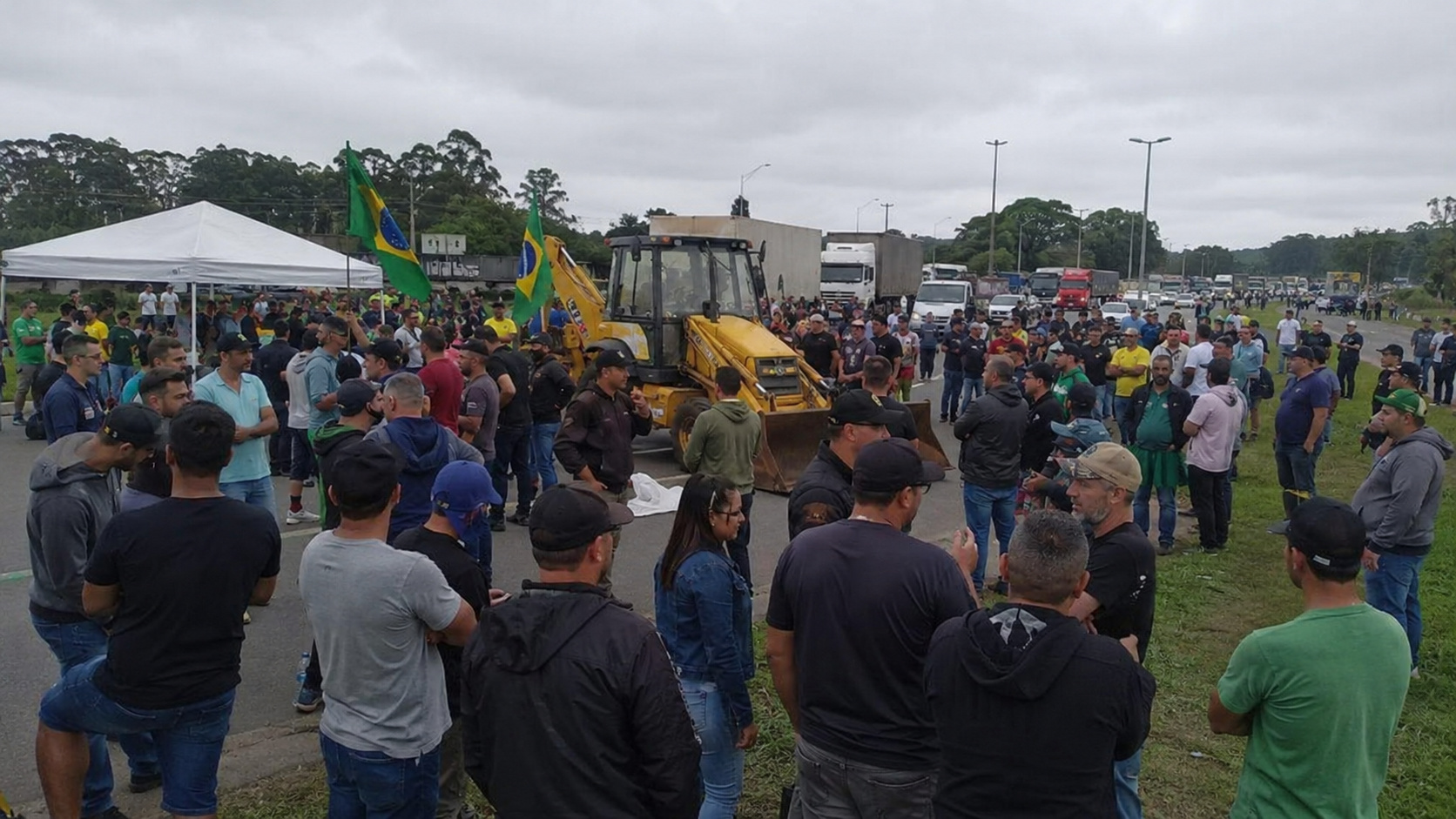
Truck drivers, freight, and fines from 2022 take center stage in politics: Chamber approves MP with amnesty, mandatory tracking by CIOT, million-dollar penalties, and new minimum wage for those who spend more than 24 hours on the road.

-
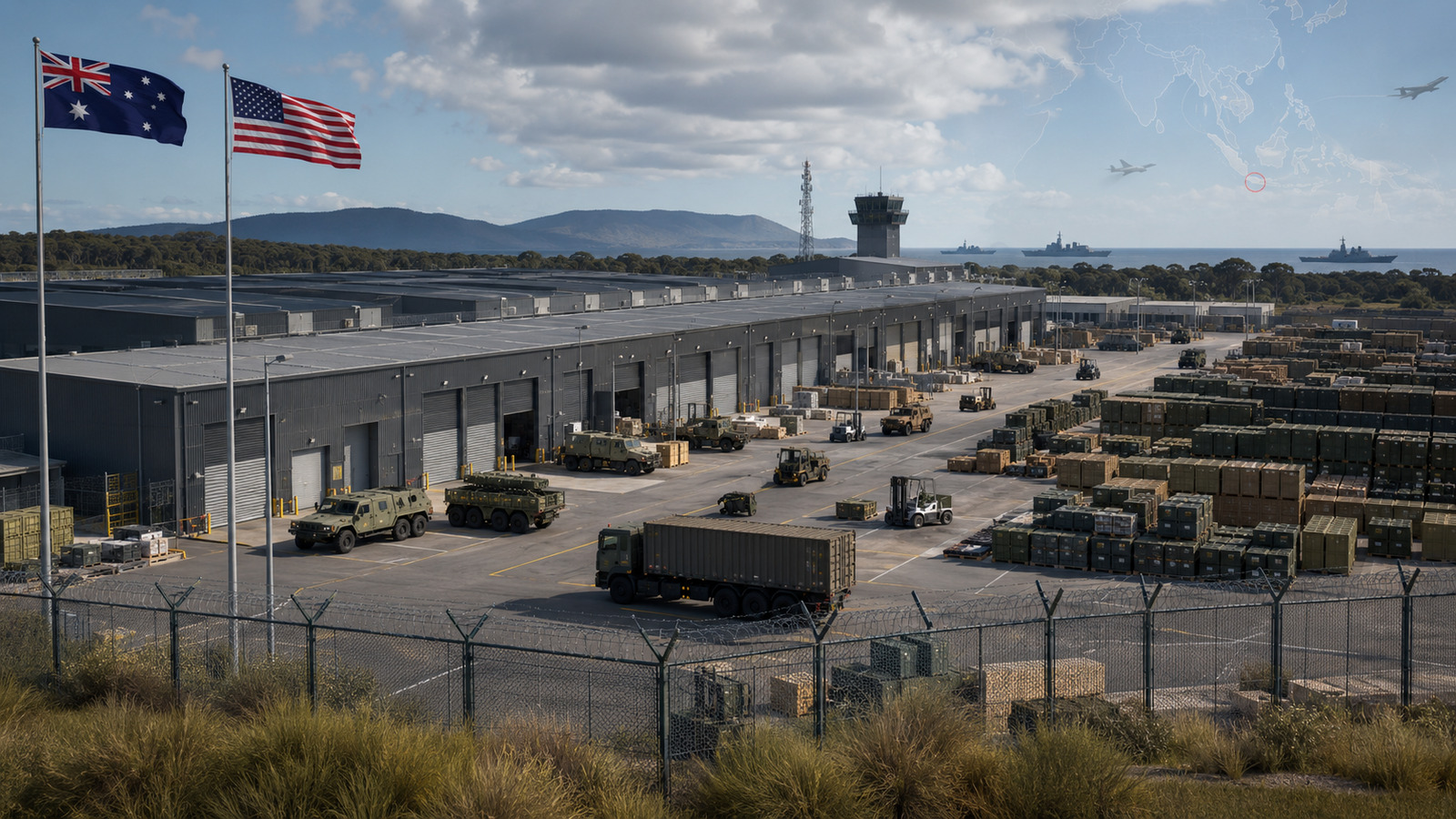
China off the radar: US plans mega $30 million weapons depot in Australia, out of reach of most Chinese missiles, with full capacity expected by 2028

Strategic Sectors May Be Exempt from Tariff
The proposal also foresees possible exceptions for areas considered strategic. Among the mentioned segments are pharmaceuticals, energy, and critical minerals, indicating that not all imported products would necessarily be affected. Even so, Brazilian exporters are closely monitoring the process, because any additional tariff can alter costs, contracts, and competitiveness in the North American market. The proposal arises amid other tariff measures adopted by the United States against a wide list of Brazilian products.

Commercial Pressure Increases on Brazil
The new movement reinforces the pressure from the United States on imports related to labor and production issues. The central claim involves combating “forced labor,” a topic that has gained more weight in international trade relations. The discussion, therefore, involves not only tariffs but also production standards, inspection, and responsibility in global chains. For now, Brazil awaits the progress of the public consultation and hearing in the United States, while the possibility of a 12.5% surcharge raises an alert about the future of Brazilian exports.
Will Brazil be able to avoid a new trade barrier before the final decision of the United States?


Be the first to react!