






 Portuguese
  Spanish


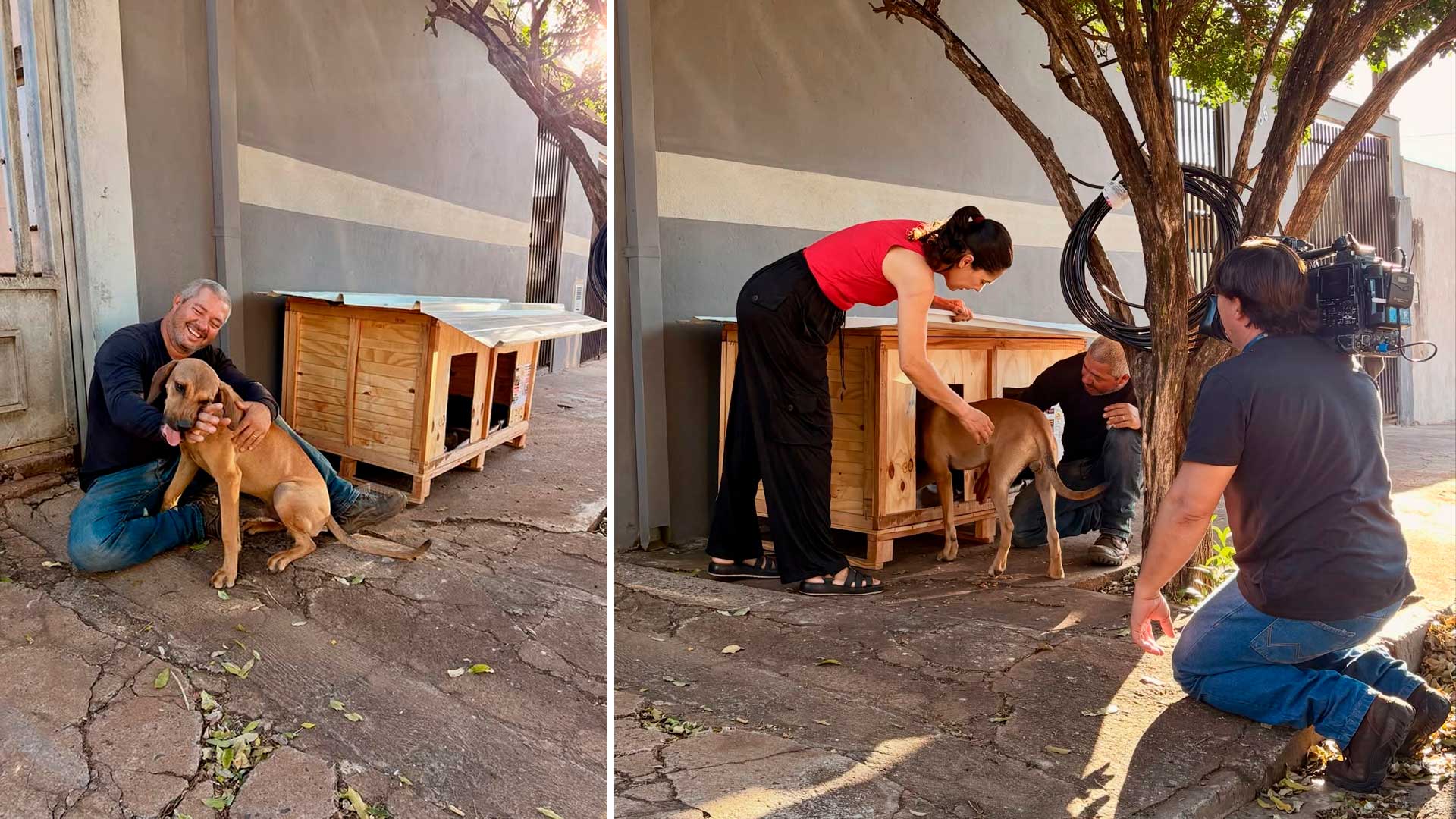

With no experience in carpentry, Leomar Aparecido Miguel created a voluntary production of shelters in São José do Rio Preto. The little houses are delivered free of charge to protectors, families, and organizations that take in abandoned animals, while donations of materials and volunteer work keep the project running.
The truck driver Leomar Aparecido Miguel transformed a plot of land in São José do Rio Preto, in the interior of São Paulo, into a workshop to manufacture little houses for dogs and cats exposed to cold, rain, and wind. The work has already resulted in the delivery of more than 1,700 shelters.
The initiative was named Semeadores do Bem Pet and serves independent protectors, animal protection organizations, and people who care for abandoned animals. The structures are manually produced and distributed free of charge.
A document filed by the City Council on July 2, 2026, states that the project has already directly benefited more than 5,000 animals rescued from the streets of São José do Rio Preto and nearby municipalities. The Motion of Applause No. 322/2026 was approved after a vote held on July 7.
-
A Brazilian city dredged sand from the seabed, extended 2 km of the Beira-Mar, and created a new 80-meter landfill on one of the most famous coastlines in Brazil; years later, what seemed like a bold project turned into an expanded boardwalk, bike path, standardized kiosks, and a new leisure hub in the state.

-
Friends turn paper into ‘bubble wrap’ without plastic to protect products inside cardboard boxes, win an innovation award in the UK, and join a 13 million euro European project to bring the packaging to industrial scale.
-
Mechanics remove the engine from a used Fiat Fiorino, install an electric kit with WEG and FuelTech, place batteries in the cargo area, and prepare the van to run 100 km per day in Brazil.
-
Old fridge turns to gold: project transforms rigid foam from discarded refrigerators into raw material for new plastics and paves the way to also recycle building insulation, in an ambitious and surprising initiative against one of the most difficult industrial wastes to reuse.


The Council records two years of formal operation of Semeadores do Bem Pet. The report that presented the story nationally states that Leomar began producing the shelters almost three years ago, a difference that may be related to the period before the organization of the work as a voluntary project.
The question asked during a rainy night became the beginning of the workshop
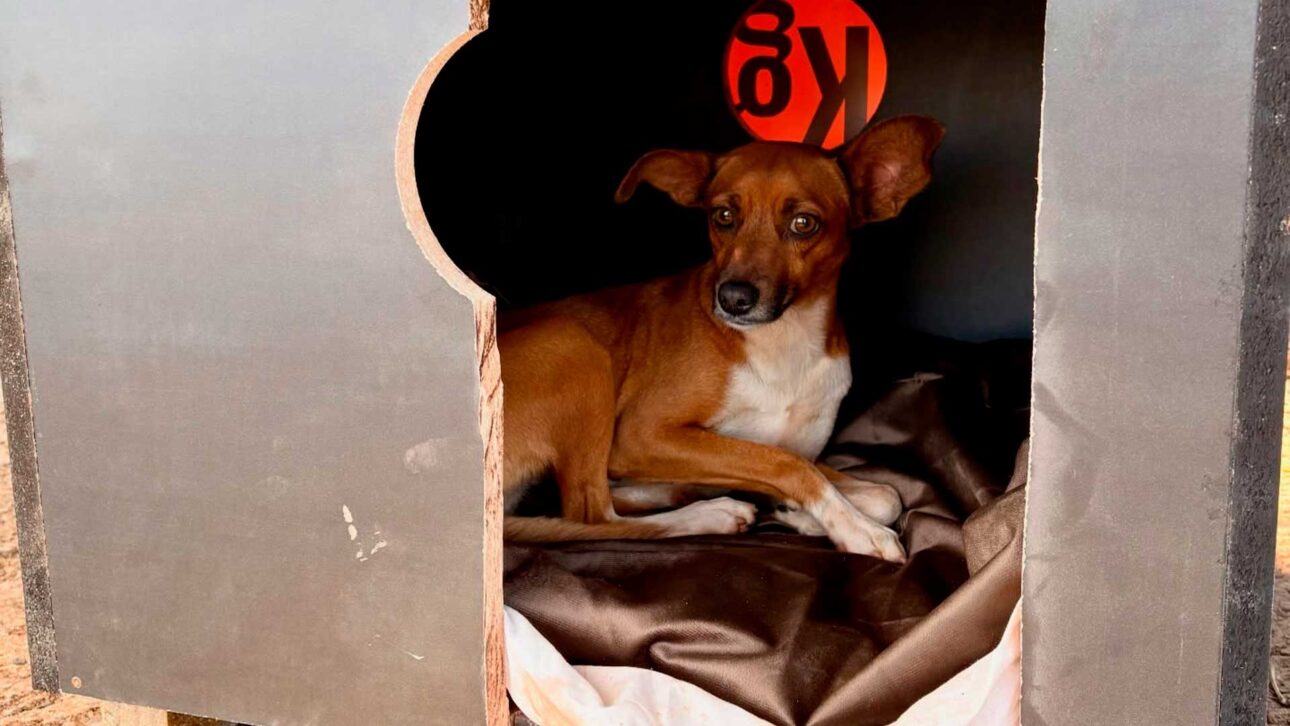
The idea came after Leomar began observing wet animals on the streets during his travels and commutes. There were points where residents left food and water, but few protected places where the animals could sleep.
“I used to walk through the streets and see the little dogs and cats wet. Then, at the moment, I thought: food, kibble, and water are available, but where can they find shelter?” the truck driver said in an interview with TV TEM. Without any carpentry training, he decided to learn how to cut, assemble, and cover the necessary structures.
Leomar began using his available time off the road to work in the improvised workshop. According to the report published on July 10, 2026, he cuts the wooden pieces, assembles the walls, and installs the roofs, aiming to prevent direct rain entry and reduce the animals’ exposure to the wind.
Production grew and began to serve protectors throughout the region


The first units emerged as a specific response to animals found on the streets. With the dissemination of deliveries, independent protectors and entities that maintain rescued dogs and cats began to seek out the project.
The little houses are mainly intended for animals that remain in outdoor areas, lots, community shelters, or properties where there is not enough covered space. Some deliveries also reach families with few resources who have taken on the care of abandoned animals.
The official profile of Semeadores do Bem Pets states that part of the structures is made with reused material. The reuse of wood and other components helps reduce expenses, although the project still depends on pieces in suitable conditions to withstand moisture and continuous use.
The work is not carried out by Leomar alone. The documentation presented to the Chamber cites the participation of volunteers, supporters, and Simone Maria de Campos Souza, the truck driver’s wife, in the production and distribution routine.
There is also a stage that often goes unnoticed. Once ready, each little house needs to be loaded and transported to the location where it will stay, a task that requires vehicles with enough space and people available for deliveries.
The numbers show how a small workshop reached thousands of animals
The mark of 1.7 thousand little houses in approximately two years represents an average of more than two units completed per day, considering all the days of the period. In practice, production may vary depending on the availability of wood, tiles, tools, volunteers, and transportation.
The number of animals benefited is greater than the total number of shelters delivered. This occurs because a structure can serve more than one animal, be shared, or remain in use by different dogs and cats over time, especially when intended for protectors and organizations.
A dry space reduces exposure, but does not solve abandonment on its own
The Regional Council of Veterinary Medicine of the State of São Paulo recommends that dogs and cats kept in outdoor areas have a covered and protected place to sleep, especially during cold or rainy nights. Blankets and beds need to remain dry, as damp fabrics can increase thermal discomfort.
Puppies, elderly, sick, small, or short-haired animals require greater attention. Guidelines from protection agencies also indicate that the shelter should prevent direct wind entry and keep the animal away from wet ground.
A doghouse, however, represents only one layer of protection. The animal still needs clean water, food, vaccination, neutering, and veterinary care when it shows injuries, cough, discharge, weakness, or behavior changes.
It also does not replace a permanent policy of adoption and control of abandonment. Shelters reduce immediate suffering, but the presence of dogs and cats on the streets maintains risks of being run over, diseases, violence, and uncontrolled reproduction.
Donations and transport determine how many new doghouses can be delivered
Since the structures are not sold, the continuity of Semeadores do Bem Pet depends on the input of materials and the availability of volunteers. Usable wood, tiles, screws, nails, safe paints, and support in transport are among the needs related to production.
The use of reused material reduces waste but requires sorting. Rotten pieces, with exposed edges, or contaminated should not be used, and the doghouses need to allow frequent cleaning to avoid moisture, feces, fleas, and ticks accumulation.
The recognition approved by the Chamber of São José do Rio Preto gave institutional visibility to the project, but the result remains linked to a practical routine. It is necessary to obtain raw materials, assemble each unit, locate those who really need the shelter, and complete the delivery.
What do you think of Leomar Miguel’s initiative and the production of doghouses with reused materials? Leave your comment and tell us if there is a similar project in your city. Your information can help protectors and volunteers find new forms of cooperation.


