






 Portuguese
  Spanish


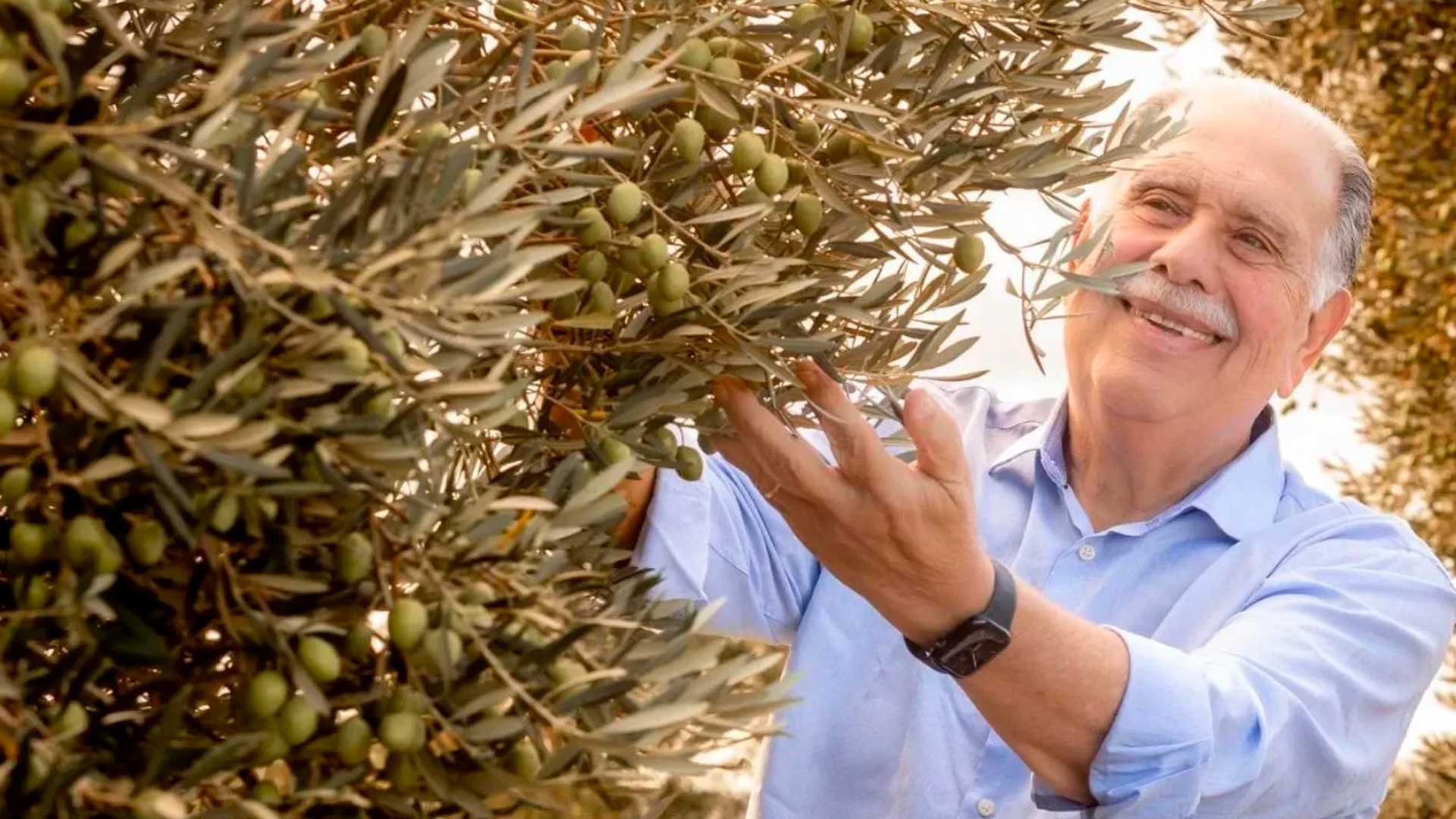

Located on 370 hectares of the Gaúcha Campaign, Grand Terroir 31 will have houses among olive trees, private vineyards, a hotel with 80 cabins, and production of its own labels in a project with estimated sales above R$ 1 billion
The entrepreneur Luiz Eduardo Batalha is preparing an investment of R$ 380 million to transform a rural property of 370 hectares, in the south of Rio Grande do Sul, into a complex that mixes agribusiness, tourism, and high-standard real estate. Grand Terroir 31 is expected to be officially launched in the second half of 2026, with a projected total sales value above R$ 1 billion.
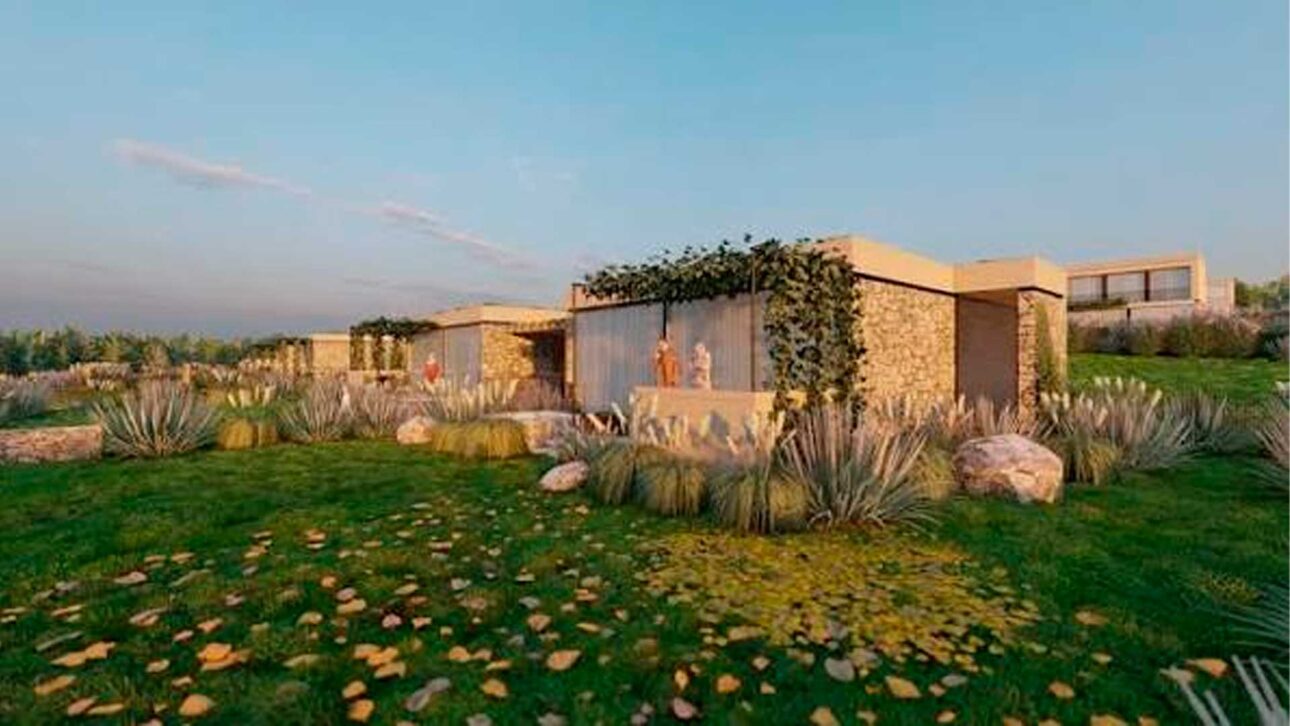
The first phase includes 51 houses amidst the olive groves, 49 private vineyards of one hectare each, and a luxury hotel with 80 cabins. The forecast presented by those responsible is to reach approximately 200 properties after the completion of all phases.
The development will be built in Candiota, in the Gaúcha Campaign, near Bagé and the border with Uruguay. In addition to the residences and accommodation, the plan includes a winery, an olive oil extraction mill, gastronomy, spa, horse riding, trails, and, in a later phase, a golf course.
-
SpaceX launch turned Falcon 9 into a giant jellyfish in the night sky, with a colorful plume illuminated by the Sun at high altitude, confusing observers and showing how a routine flight can become a rare spectacle of atmospheric physics over Earth.

-
Spain places 9 bison in a fenced area of 400 hectares to test a new barrier against fire, but scientists warn that, although they control the underbrush, there is no evidence that the animals can reduce large fires.

-
YOU LOOK AT SUGAR EVERY DAY, BUT THERE IS A BAN ON IT THAT ALMOST NO ONE KNOWS; UNDERSTAND WHY MAKING IT AT HOME IS NOT ALLOWED IN BRAZIL

-
Arrival of the São Francisco River waters in Rio Grande do Norte marks a historic chapter, boosts development, and symbolizes social justice for millions of Northeasterners.



The expression “Gaúcha Tuscany” works as a commercial comparison with the Italian region known for its wineries, olive groves, rural accommodations, and high-standard properties. In Rio Grande do Sul, the proposal is to use a productive landscape as part of the property’s value, without abandoning the cultivation of grapes and olives.
Houses and vineyards will be sold with their own wine and olive oil production


The differential of Grand Terroir 31 lies in the so-called productive plots. Instead of just buying a country house, the owner can participate in the production of wine, sparkling wine, or olive oil with their own label, while the agricultural management will be the responsibility of teams hired by the development.
In the vineyard plots, each buyer will have an area of one hectare and can decide, with technical guidance, how much they want to bottle. The idea is not to turn all residents into large-scale producers, but to allow small harvests intended for family consumption, gifts, events, or occasional commercialization.
Properties with olive trees will follow a similar model. The buyer will have productive trees associated with the property and may receive bottles of olive oil labeled with their own brand. The project’s website states that Pascal Marty will be responsible for viticulture, while the Portuguese Francisco Pavão will guide olive oil production.
This format expands the revenue sources of the complex. In addition to the sale of land and houses, there will be management, processing, bottling, accommodation, gastronomy, and maintenance services for common areas. For the owner, however, agricultural production will continue to be subject to climate, the productivity of each harvest, and costs defined by the administration.
The choice of Campanha Gaúcha was not just for the landscape
Campanha Gaúcha occupies a continuous area of approximately 44.3 thousand square kilometers in the west and southwest of Rio Grande do Sul. In 2020, the National Institute of Industrial Property granted the region the Indication of Origin for fine white, red, rosé, and sparkling wines.
Studies by Embrapa indicate that the region is on the same latitude as wine areas in Argentina, Chile, Uruguay, South Africa, and Australia. The solar incidence, thermal amplitude, and terrain with open areas favor grape cultivation and allow for mechanization of part of the harvest.
Olive growing has also gained ground in the southern half of the state. Data from the Agriculture Department shows that Rio Grande do Sul produced 580,228 liters of olive oil in 2023, an increase of 29% over the previous cycle. That year, the state had 22 factories and 93 registered Gaucho brands in the survey.
For 2026, the Brazilian Institute of Olive Growing estimates that national production could surpass the record of 640 thousand liters reached in 2023. Rio Grande do Sul accounts for more than 70% of the extra virgin olive oil produced in the country, with a strong concentration of olive groves in Campanha and other municipalities in the southern half.
Project brings together businesses started by Batalha over five decades ago
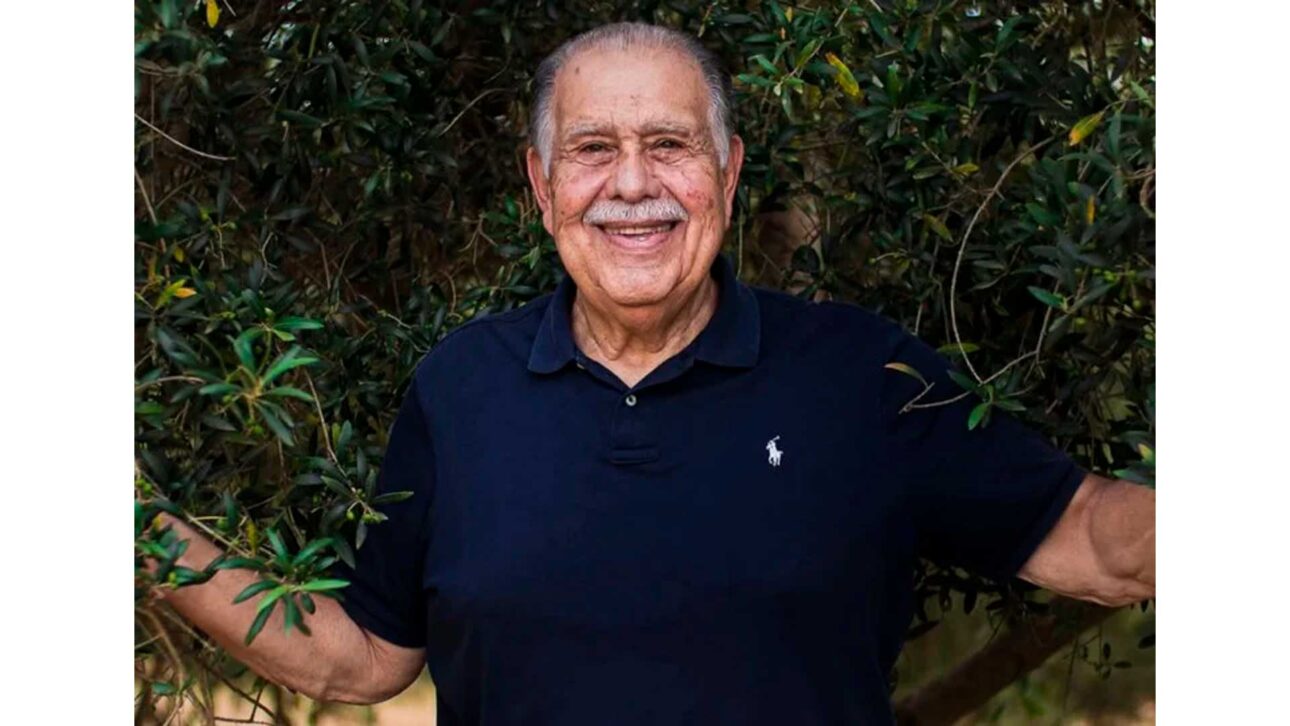
Graduated in mechanical engineering, Luiz Eduardo Batalha has been involved in activities related to the financial market, hospitality, livestock, agriculture, and food. One of the most well-known episodes occurred in 2004, when he led the group of investors responsible for the implementation of the first Burger King operations in Brazil.
Years later, the entrepreneur focused part of the investments in the Campanha Gaúcha. He started with Angus cattle, lambs, and Criollo horses, before planting olive trees on a commercial scale. In 2023, the family farms produced about 200,000 liters of olive oil, a volume close to one-third of the Brazilian production recorded in that cycle.
The expansion created Azeite Batalha, a brand that began competing in the market with imported products and received awards in international competitions. The company reports that its labels have already been included in Flos Olei, an Italian guide that selects 500 producers from different countries.
Grand Terroir 31 brings together experiences accumulated in these businesses. There is livestock and agriculture at the origin of the property, hospitality in visitor service, food production in the olive groves and vineyards, and real estate incorporation in the sale of units.
Historical tourism can extend visitors’ stay in Candiota
The chosen location has a direct connection with the history of Rio Grande do Sul. Candiota was the site of the Battle of Seival, which took place on September 10, 1836, during the Farroupilha Revolution. The victory of the rebels was followed by the proclamation of the Rio-Grandense Republic, led by Antônio de Souza Netto.
The planning of the complex aims to leverage this historical connection, in addition to activities related to wine and olive oil. The combination of monuments, regional cuisine, trails, art exhibitions, and agricultural experiences can increase the length of stay for visitors who currently pass through the region without extended lodging.
The distance from major centers, however, will be one of the challenges. Although Bagé has an airport and is relatively close, part of the audience will have to arrive by road or use connections through Pelotas and Porto Alegre. The maintenance of hospitality, restaurants, and leisure areas will also depend on sufficient occupancy during different times of the year.
Investment of R$ 380 million still depends on the execution of the next phases
The total sales value above R$ 1 billion represents an estimate for the properties, not a revenue already contracted. The Grand Terroir 31 material itself states that the project is in a pre-launch stage, that images are illustrative, and that certain leisure facilities may be gradually implemented or altered during development.
The outcome will depend on the speed of sales, the delivery of infrastructure, the performance of the hotel, and the ability to transform Candiota into a recurring destination. If the stages progress as planned, the project could create a new economic front in the Gaúcha Campaign, adding value to the land through wine, olive oil, hospitality, services, and luxury real estate.
Do you believe that a complex with private vineyards, personalized olive oils, and hospitality can transform the Gaúcha Campaign into a national tourist destination? Comment on what caught your attention the most about the project. Also, say if you would buy a rural property linked to wine or olive oil production.


