Portuguese
  Spanish


Ramchandra Das spent 14 years digging a tunnel in India to connect the village to a road and park the truck near home.
Ramchandra Das, a villager from the state of Bihar, in eastern India, spent 14 years manually digging a tunnel. The goal was simple yet urgent: to cross the mountain that isolated his village, facilitate access to the main road, and be able to park the truck near his home.
The case gained international attention because it did not involve machines, contractors, or public works. According to reports from Reuters and The Guardian, Das decided to act alone after failing to get support from the authorities and turned a local mobility problem into a passage also used by other residents of the region.
Ramchandra Das dug a tunnel for 14 years to connect the village of Bihar to the main road and park the truck near home
Das had become the owner of a truck, but the mountain between his village and the main road prevented him from taking the vehicle to his own house. In a statement to Reuters, he said he couldn’t park the truck near where he lived because the mountain blocked the way.
-
72 m² Prefabricated Home Arrives in a Container and Assembles in About an Hour

-
Brazilian Architect Patents Styrofoam House 20% Cheaper, Maintains 23°C Year-Round; Client Builds 280 Meters of Wall in 40 Days

-
Roof Tile Made from Recycled Milk Cartons Lasts 100 Years, Supports Over 150 kg per Square Meter, and is Produced in Brazil’s Passo Fundo Factory
-
Affordable Housing Project in Brazil’s Mato Grosso Aims for 700 Deliveries and $34 Million in 2026, Outpacing Major Developers in High-Demand Areas




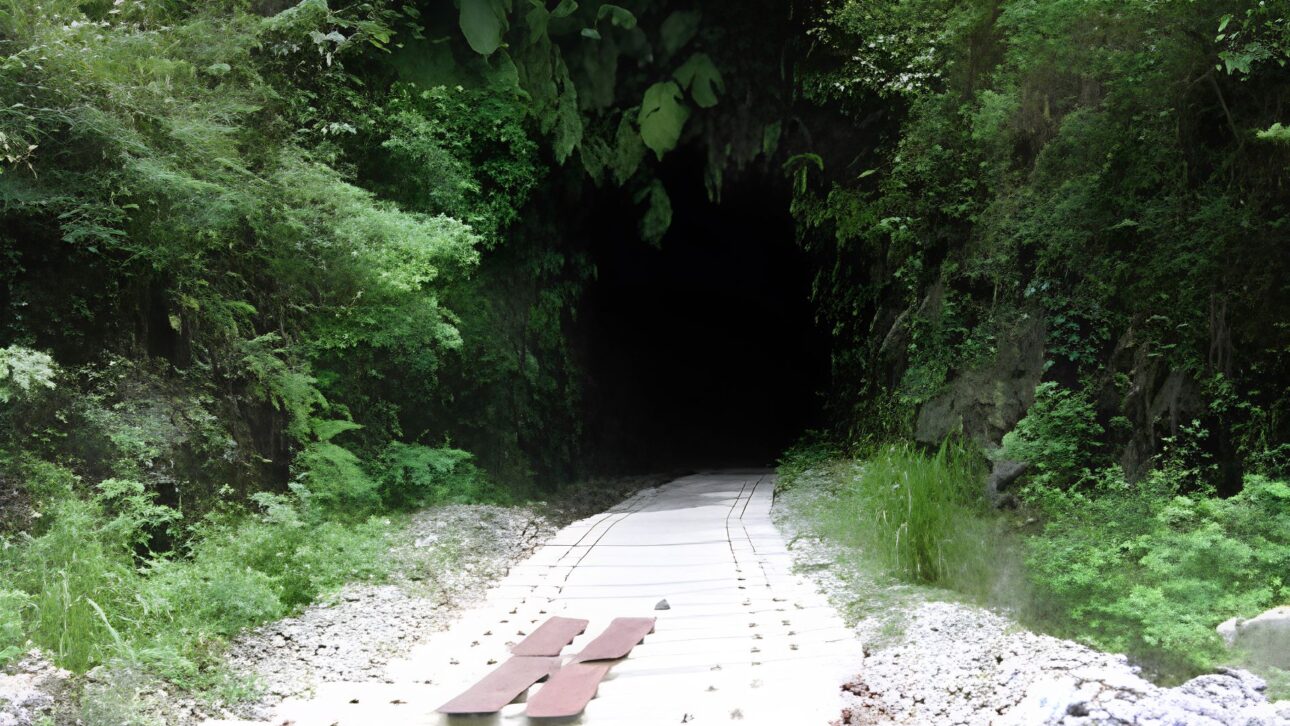
The problem did not affect just one truck owner. The Guardian reported that the residents of the village of Kewati faced a walk of about 7 kilometers around the mountain, which made daily commuting more difficult for the entire community.
It was in this scenario that Das decided to act on his own. After being denied help by the authorities, he began to cut the rock manually, turning the official refusal into the fuel for a solitary work that would span more than a decade.
The tunnel dug with hammer and chisel was born after public authority refusal and fear of losing the truck to thieves
Before starting to dig, Das tried an institutional solution. The Guardian reported that he sought help from the authorities to reduce travel time and improve access between the village and the road, but the request did not progress.
From there, the practical motivation that gave urgency to the project came into play. Das told Reuters that he needed to leave the truck kilometers away and feared that thieves would steal the vehicle, which led him to decide to do something about it himself.
This combination of isolation, property risk, and lack of state response explains why the work was much more than an impulsive gesture. The tunnel was born as a direct response to a real logistical problem, experienced daily by him and his neighbors.
14 years of manual labor transformed a mountain into a community passage used by residents and rural workers
Reports indicate that Das spent 14 years with a hammer and chisel, without excavators, explosives, or any heavy engineering structure.
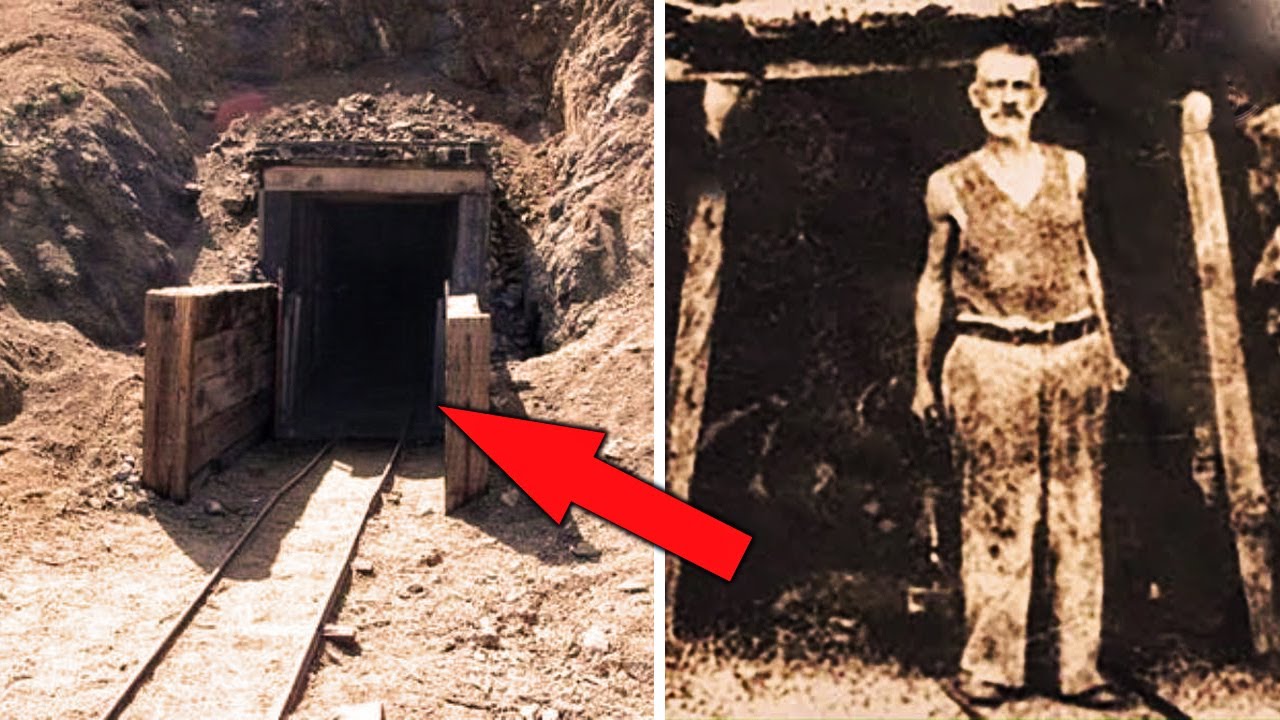
Reuters reported that the final passage was 14 feet wide, equivalent to about 4.2 meters, and was already used by residents who needed to reach the plantations. The Guardian, on the other hand, described the work as a tunnel 10 meters long and 4 meters wide.
This difference shows that there is a discrepancy in the exact measurements recorded by reports at the time. What both sources confirm with certainty is the essential: Das worked alone for 14 years, opened a passage in the mountain, and reduced the isolation of the rural community.
Ramchandra Das followed the example of Dashrath Manjhi, the mountain man who also became a symbol in Bihar
Das’s story is often associated with that of Dashrath Manjhi, another resident of Bihar who became known in India for manually opening a passage through the rock. The Guardian itself pointed out that Das was inspired by Manjhi, whose journey had already become legendary in the state.
In the description by the British newspaper, Manjhi dug a passage of 120 meters in length, 10 meters in width, and 8 meters in height over 22 years, to facilitate residents’ access to a local hospital. The same report states that he began the work after the death of his wife, who could not reach the hospital in time.


The comparison helps to understand why the saga of Ramchandra Das resonated so much. In Bihar, these stories do not appear only as extraordinary curiosities, but as harsh portrayals of rural regions where geographical barriers and lack of infrastructure have shaped daily life for decades.
The story of the Indian villager reveals how geographical isolation and lack of infrastructure can change the fate of a community
Das’s case is impressive for individual persistence, but it also exposes a structural problem. When a community depends on the strength of a single resident to carve a passage through rock, what emerges is not just heroism, but the extent of the infrastructure precariousness faced by isolated rural areas.
This explains why the story gained so much traction outside of India. It combines a rare physical feat, a concrete conflict with the terrain, and an easily understandable motivation: to protect a work asset, shorten routes, and improve the village’s routine.
In the end, Ramchandra Das just wanted to stop parking the truck far from home. By insisting on this for 14 years, he opened a tunnel that also began to serve the neighbors and transformed an individual need into a collective benefit.