






 Portuguese
  Spanish


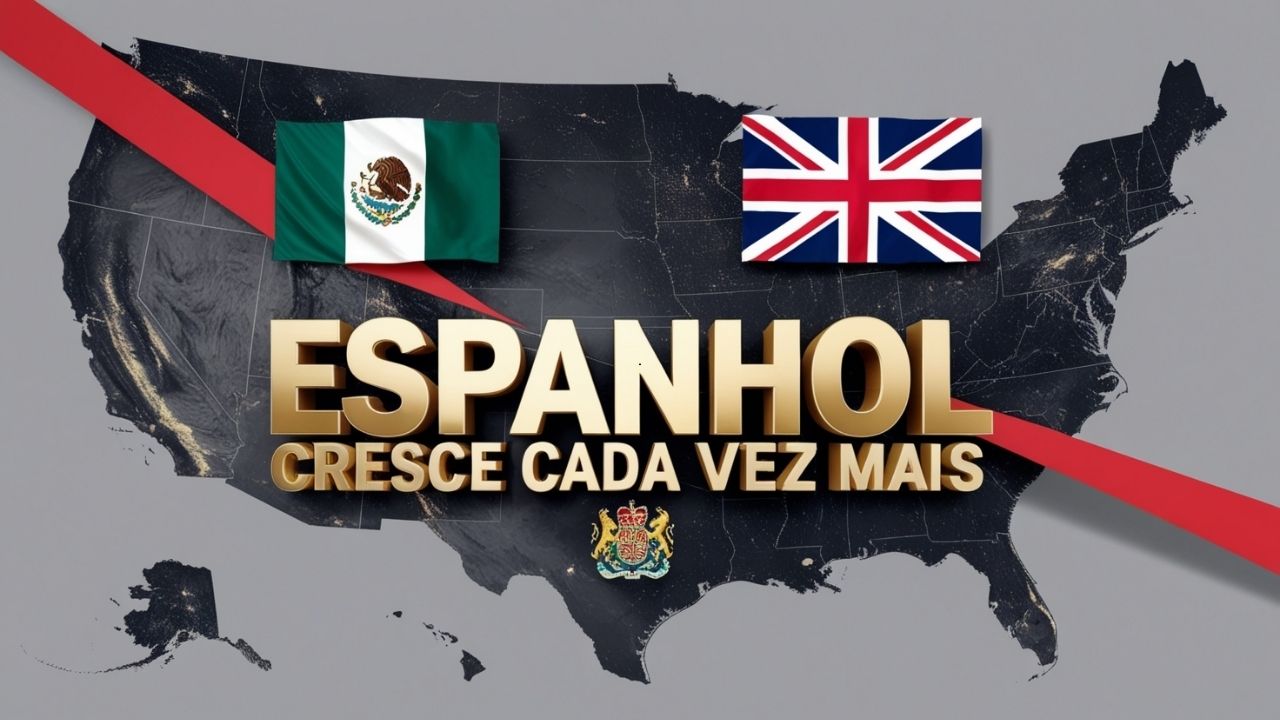

English or Spanish? In the U.S., the Reality May Surprise You! Over 67 Million People Speak a Language Other Than English at Home!
Did you know that English has never been officially declared the language of the United States? Despite being widely spoken, no federal law has established English as the official language. Meanwhile, over 42 million Americans speak Spanish natively, and that number continues to grow! In states like California, Texas, and Florida, Spanish is already part of daily life, influencing schools, businesses, and even the government. Are the U.S. becoming a bilingual country? Discover the reasons behind this linguistic transformation!
United States: A Country Without an Official Language
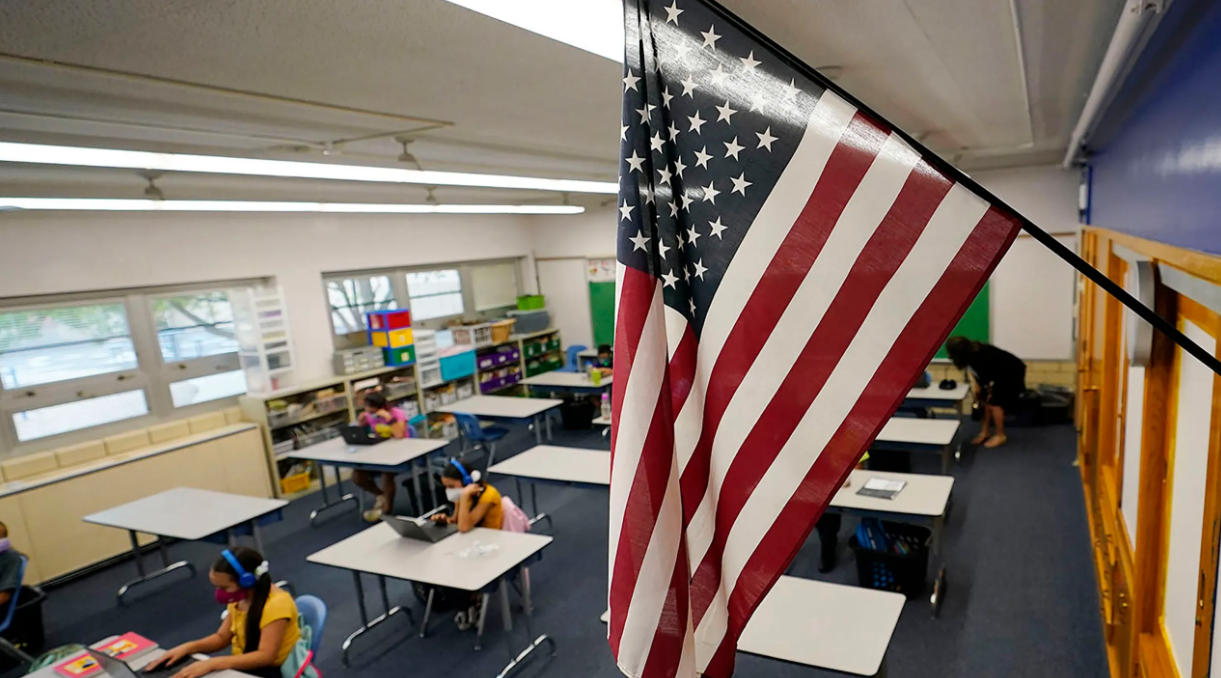
It may seem strange, but the founders of the U.S. chose not to establish an official language. The reason? They believed that linguistic diversity reflected the principles of freedom and immigration on which the country was built.
Despite this, English has become the dominant language due to British colonization and its role as an international language. However, legally speaking, English is not the official language of the United States.
-
Owner of Havan Visits Paraguay to Discuss Lower Taxes, Local Suppliers, and International Expansion with President

-
Brazilian Construction Retail Chain Closes After 60 Years, Begins Liquidation Sale Across Five Cities

-
Brazil Approves Landmark Bill Requiring Workplace Adaptations for Autism Inclusion

-
Brazil’s Micro-Entrepreneur Program May See Major Changes: Income Cap Could Increase to R$ 130,000, Annual Inflation Adjustments, and Allow Hiring of an Additional Employee



The Political Debate Surrounding English
If English is spoken by the majority, why has it never been made official? The reason is simple: politics! Making English the national language would exclude the other languages spoken in the country, particularly Spanish. As a result, the topic has become a delicate and controversial issue.
Some states have decided to take individual measures, declaring English as their official language. On the other hand, places like California, Texas, and Florida have adopted bilingual policies to cater to their vast Hispanic populations.
Spanish: The Second Language is Taking Over
If you think the United States is exclusively English-speaking, think again! Today, over 42 million Americans speak Spanish as their native language, not to mention the millions who use it as a second language.
In the southern and southwestern states, such as California, Texas, and Florida, Spanish has such a strong presence that in some communities, it surpasses English.
This growth profoundly impacts American society. Many schools offer bilingual programs, businesses adjust their services to accommodate Hispanic customers, and even the government is taking measures to provide information in Spanish.
The influence of the language is also present in the media. Spanish TV networks, radio stations, and newspapers are constantly growing. In cities like Miami and Los Angeles, it is common to hear both Spanish and English in daily life.
Is American English Really English?
If you have ever watched a British movie without subtitles, you know that the English spoken in the U.S. and the U.K. is quite different. American English has evolved so much over the centuries that many linguists consider it to have its own identity!
Here are some differences:
- Vocabulary: Americans say “elevator”, Brits say “lift”.
- Spelling: In the U.S., it is spelled “color”, in the U.K., “colour”.
- Pronunciation: Some words have totally different sounds in each country.
Interestingly, American English has not only been shaped by British influence. It has absorbed terms and expressions from French, German, and of course, Spanish!


