






 Portuguese
  Spanish


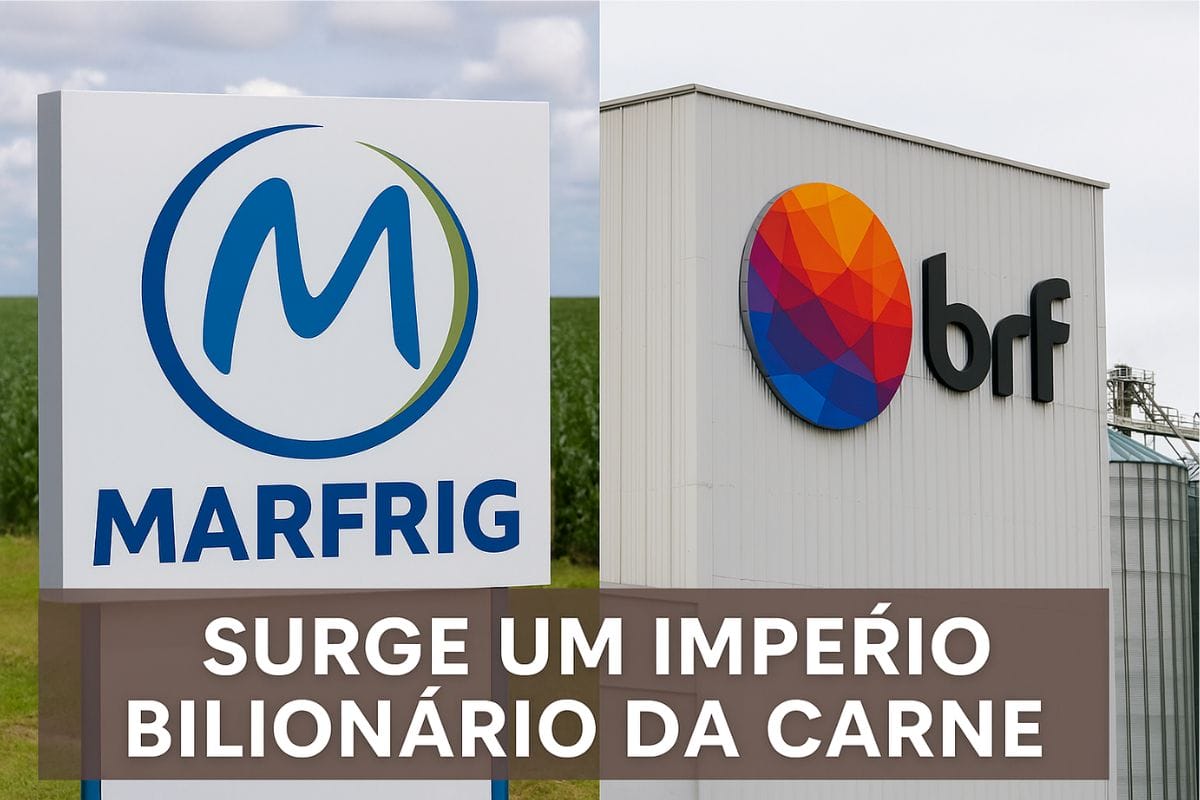

A Billion-Dollar Meat Empire Emerges: Marfrig and BRF Could Form Brazil’s Largest Food Powerhouse, with Revenue of R$ 150 Billion and Presence in Over 100 Countries!
Two Brazilian giants in the food sector are about to take a historic step. Marfrig, one of the largest beef producers in the world, and BRF, known for brands like Sadia and Perdigão, announced a plan for a total merger that could reshape the global protein industry map. The operation, valued at around R$ 17 billion, could give rise to MBRF Global Foods Company S.A., a new giant with estimated revenue of R$ 150 billion and presence in over 100 countries.
The Merger That Promises to Transform the Food Market
The official announcement came via a joint statement released by the two companies, where they informed that Marfrig, which already holds 50.49% of BRF’s shares, is now seeking to acquire the remaining 49.51%. The proposal will be voted on at extraordinary shareholder meetings on June 18, and if approved, BRF will become a wholly-owned subsidiary of Marfrig, ending its trading on the São Paulo Stock Exchange (B3).
The process will be carried out through a stock exchange: each BRF shareholder (except Marfrig itself) will be able to receive 0.8521 common shares of Marfrig for each common share they hold of BRF. Alternatively, there will be the option of a cash payment of up to R$ 19.89 per share.
-
How to Prevent Brown Recluse Spider Bites: Common Hiding Spots and Free Tips to Reduce Risks

-
Natto: The Unusual Japanese Superfood Gaining Popularity on Social Media and Driving Record Exports
-
Brazilian Mayor Goes Undercover as Homeless for 24 Hours to Assess Public Services

-
15-Year-Old Entrepreneur Malu Lira Publishes 20 Children’s Books on Financial Education, Earns $500,000, and Expands Her Project to the Amazon Rainforest





Why Is This Merger Strategic?
The union of these two companies is not just a corporate move; it is a strategic restructuring of the global protein market. With the merger, the new company will be able to compete directly with other giants in the sector, such as the American Tyson Foods and the Brazilian JBS.
Marfrig is a world reference in beef, with a strong presence in South America and North America. BRF, on the other hand, dominates the chicken meat and processed food markets, with brands deeply rooted in the daily lives of Brazilians. The synergy between the businesses should provide economies of scale, reduce operational costs, and expand into new markets.
Impressive Numbers
Marfrig started 2025 with robust results. In the first quarter, it reported a net profit of R$ 88 million, a 40% increase compared to the same period the previous year. Its net revenue reached R$ 38.6 billion, with adjusted EBITDA of R$ 3.2 billion and a margin of 8.3%.
South American operations were highlighted, with a 24.6% growth in sales volume (206 thousand tons) and revenue of R$ 4.1 billion. The region’s EBITDA also advanced 56%, totaling R$ 452.9 million. In North America, results were also significant: US$ 3.266 billion in net revenue, 15.4% more than in the first quarter of 2024.
BRF, for its part, also showed positive performance in recent quarters, making the merger even more strategic. The two companies had already been expanding operational partnerships, reducing joint costs, and exploring new business opportunities. Now, the move is towards total consolidation.

Sustainability and International Recognition
Another relevant point is the increasing appreciation of good environmental practices. Marfrig received the highest score from the CDP (Carbon Disclosure Project) in the Climate, Water Security, and Forests categories, an unprecedented achievement among companies in the Americas and the food sector. This positions the company as a sustainability reference, which tends to attract international investors and business partnerships with countries that require stricter environmental commitments.
“Over the past few months, we have intensified synergies with BRF, increased our global presence, and maintained our commitment to sustainable, traceable, and deforestation-free livestock farming,” said Marcos Molina, chairman of the boards of both companies.
What Changes for the Brazilian Consumer?
In the short term, it is unlikely that consumers will notice immediate changes in prices or products on the shelves. However, the new structure could generate efficiency gains that may eventually reflect in increased competitiveness, product innovation, and even more aggressive exports.
Furthermore, with brands like Sadia, Perdigão, Qualy, and others under the same umbrella, MBRF may concentrate even more its bargaining power over retail, influencing distribution and marketing strategies in the processed food sector.
What Does the Market Think?
Financial analysts are observing the movement with optimism but also caution. The merger of two large companies requires time, integration of systems, and cultural alignment. There are also regulatory and union challenges that may arise along the way.
However, the trend is that, once consolidated, MBRF will have enough muscle to act even more aggressively in the international protein market, reinforcing Brazil’s role as a global agricultural powerhouse.






