






 Portuguese
  Spanish


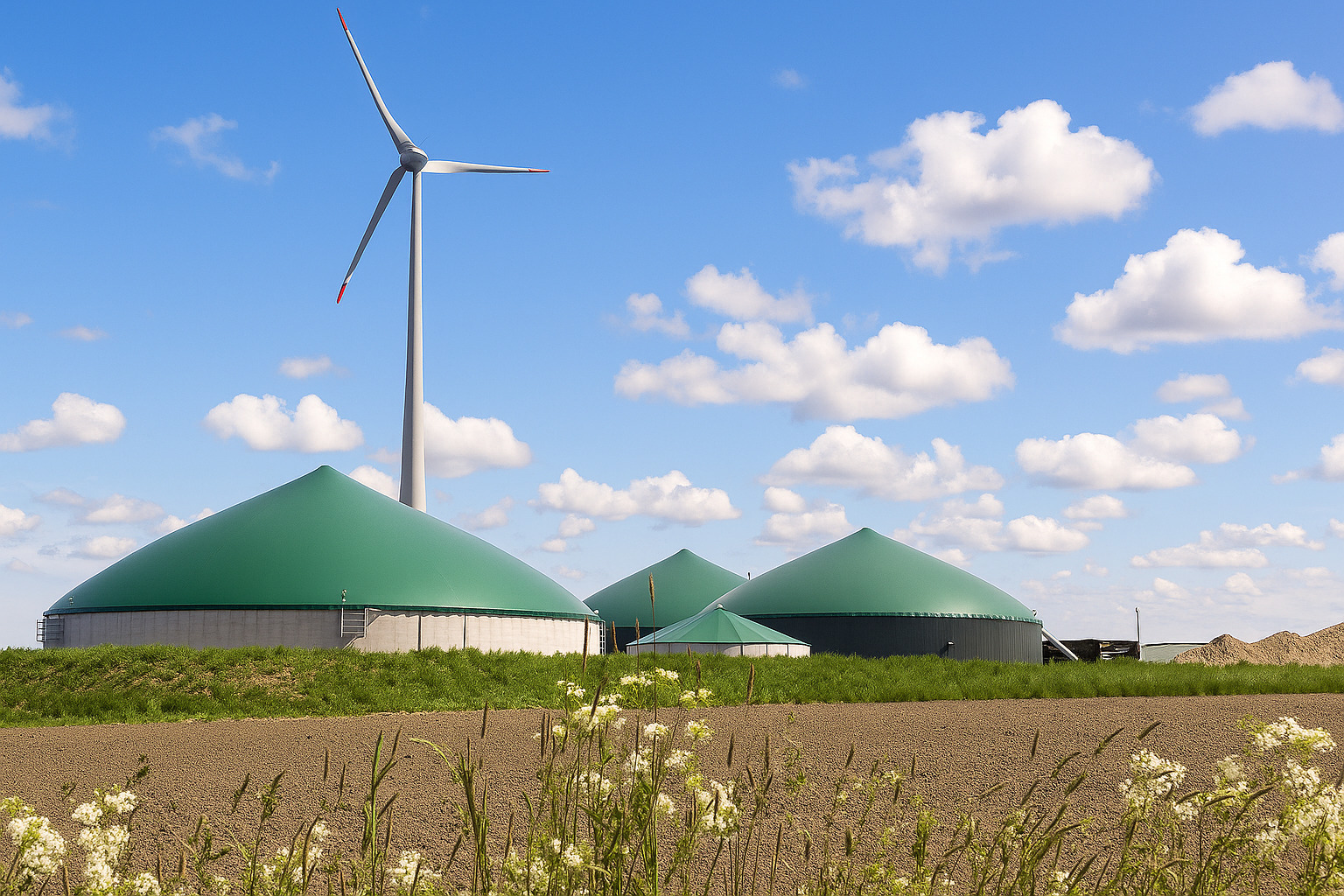
Discover How the Gaucho Biogas Market Is Growing with New Investments and Strengthening the Energy Transition in Rio Grande do Sul.
The gaucho biogas market has been gaining prominence in recent years as one of the most promising alternatives within the energy transition in Brazil. This renewable fuel, produced from organic and urban waste, solidifies itself as a key player in the search for a cleaner, diversified, and sustainable energy matrix.
In Rio Grande do Sul, the combination of infrastructure, agricultural tradition, and private investments creates a fertile environment for biogas to occupy increasingly more space. This happens both in fueling vehicles and in residential and industrial consumption.
The trajectory of biogas in Brazil follows the advancement of global discussions on climate change and the need to reduce dependence on fossil fuels. Since the 2000s, debates on renewable energies have intensified, and in this context, the gas obtained from the decomposition of organic waste has gained strength because it offers a double benefit: reducing environmental impacts and generating quality energy.
-
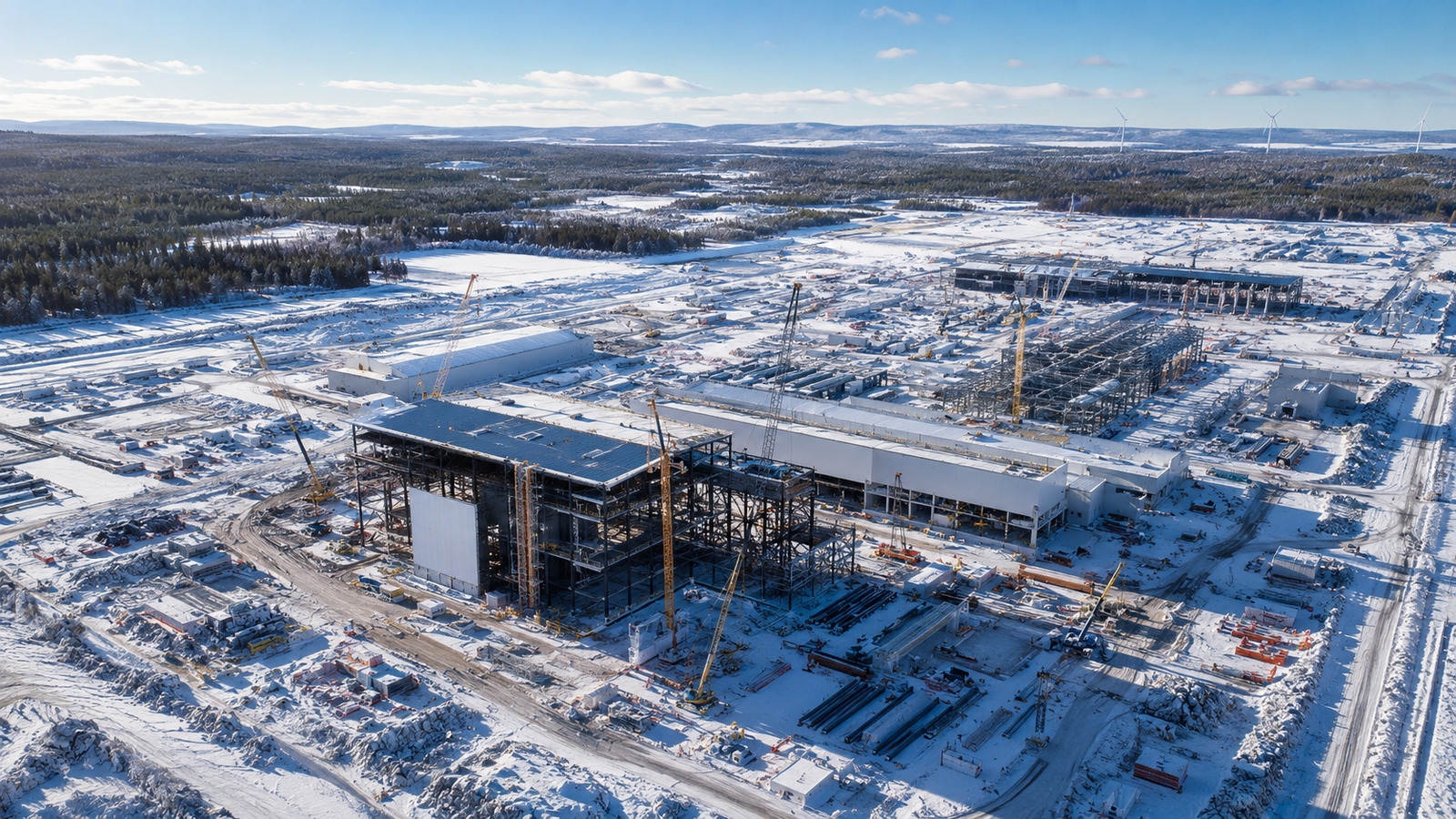
US$ 7 billion, green hydrogen, and steel with up to 95% less CO₂: the first green steel plant on the planet emerges in Sweden and targets Brazil as the next chapter

-
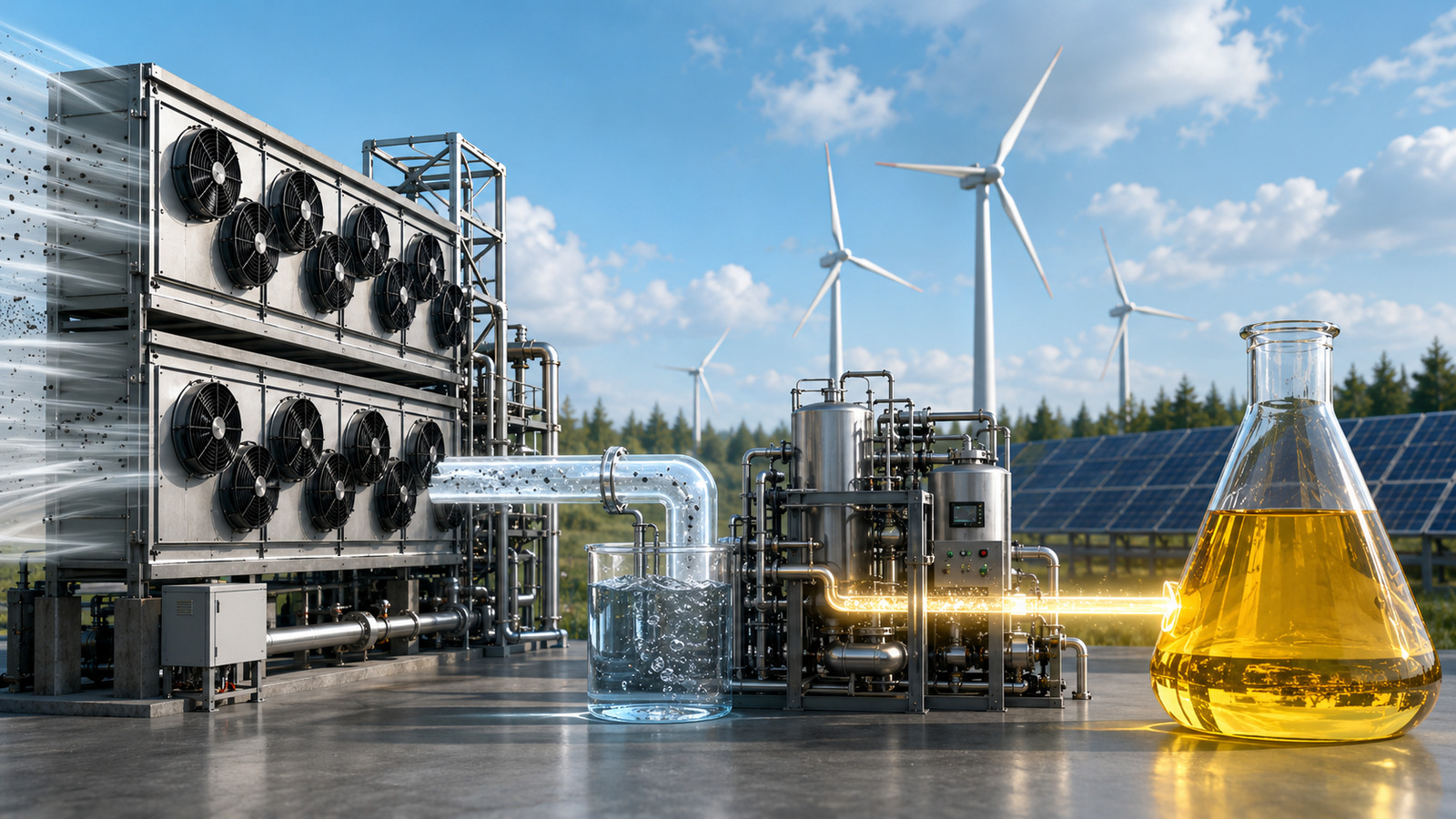
Swedes manage to create synthetic fuel with CO₂, water, and renewable energy, compatible with current engines, but face a huge problem: the energy expenditure is still double the return.
-
Brazil begins to transform wheat, residues, sweet potatoes, and soy molasses into ethanol, in a new phase of biofuels that seeks to utilize leftovers from the field and industry to fuel flex-fuel cars.

-
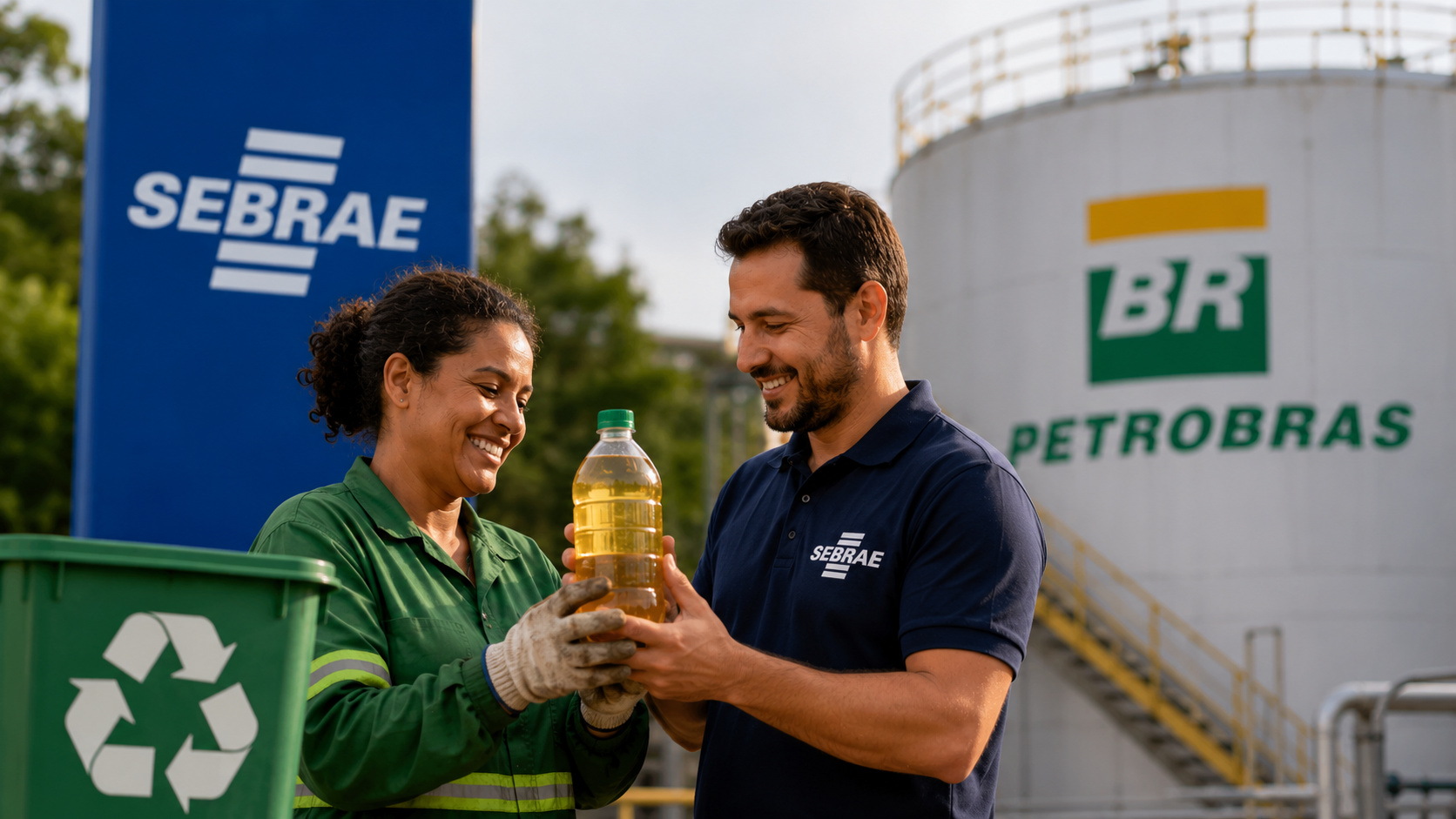
Sebrae and Petrobras join forces in Ceará to include waste pickers in the circular economy and strengthen the biofuel chain, creating new income opportunities and expanding the sustainable use of waste with a direct impact on regional development.


In Rio Grande do Sul, this process has advanced more rapidly thanks to the robust agricultural sector, the engaged population in sustainable solutions, and the public policies that encourage the circular economy.
The Role of Events and the Public Sector
The biogas chain involves several stages, from waste collection to the final distribution of gas. In the State, the public sector and private companies join efforts to turn the idea into reality.
An example of this movement occurred at the Energy and Future Dialogues panel, held during the Expointer, a traditional gaucho fair that always serves as a showcase for innovations in the energy and agro-industrial sector.
At this meeting, experts, entrepreneurs, and government representatives discussed how to structure a market capable of meeting internal demand and opening new commercial opportunities for the coming years.
The gaucho biogas market goes beyond small initiatives, as it already receives significant financial contributions and maintains large-scale projects underway.
The Rio Grande do Sul Waste Valorization Company (CRVR), for example, leads part of this transformation.
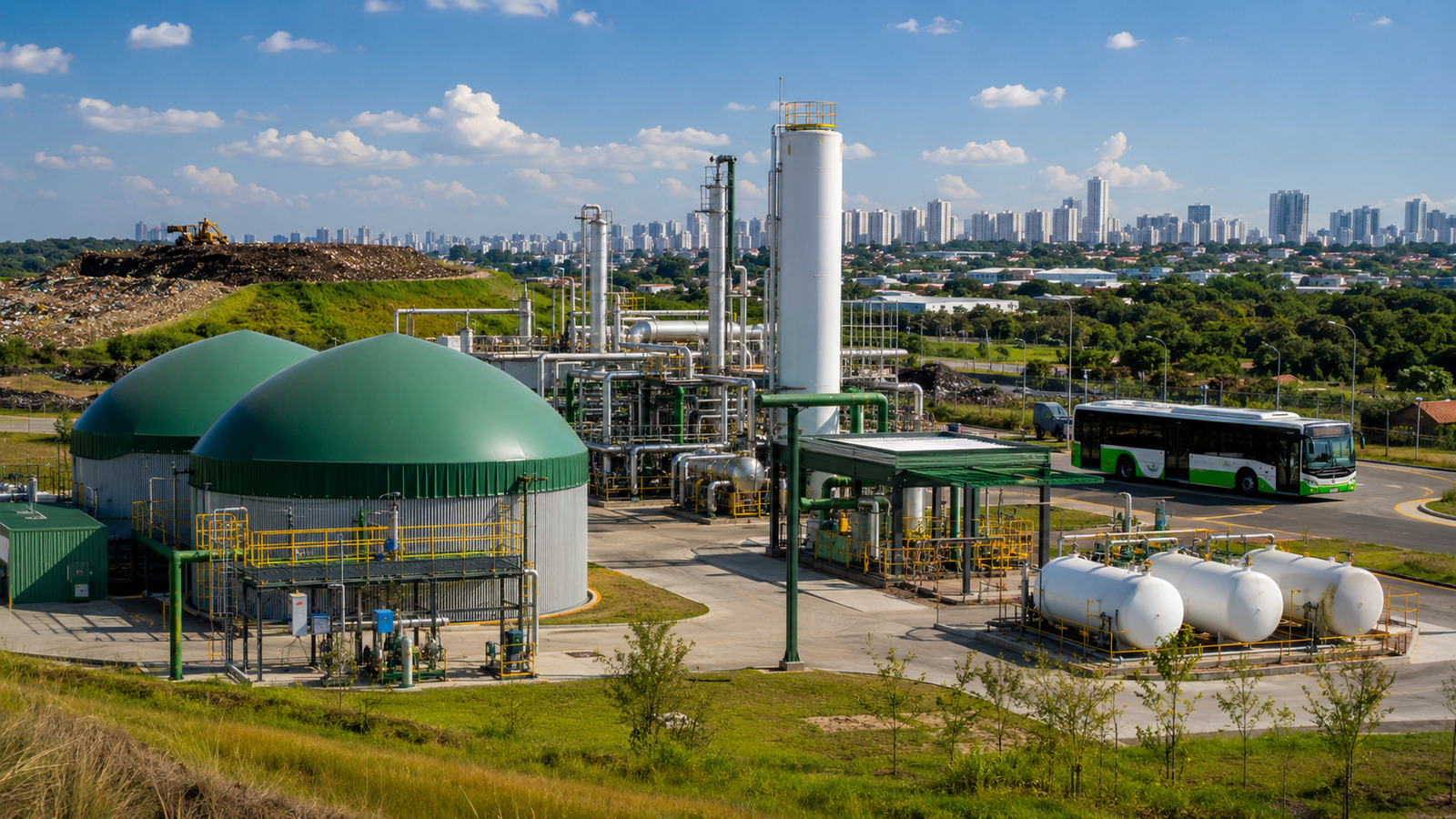
In Minas do Leão, the company invested about R$ 150 million to transform landfill waste into renewable gas. The facility achieves a production of 40,000 cubic meters of biogas per day and plans to expand in 2028.
Thus, the project shows how technology and waste management can work together to create clean energy, reduce pollution, and generate regional development.
Additionally, other cities are also part of this innovation route. In São Leopoldo, in the metropolitan area, a plant is expected to begin production in 2026 with a capacity of 34,000 cubic meters per day.
Shortly after, new facilities will emerge in Santa Maria, Vitor Graeff, and Giruá. With these investments, CRVR aims to reach 250,000 cubic meters daily by 2030, which would represent approximately 10% of the current natural gas consumption in the State.
This figure highlights the potential of biogas to reduce dependence on fossil gas and simultaneously strengthen regional energy security.
Transport and Circular Economy
The transportation sector also benefits from this advance. Reiter Log, one of the largest logistics companies in the country, presented its carbon neutrality strategy with gas-powered trucks.
Today, its fleet includes 2,400 vehicles, nearly 300 of which are ready to run on biogas.
Moreover, the company took a step further by forming a joint venture in Capão do Leão to build its own plant.
The facility, which will receive an investment of R$ 120 million, is expected to start operations in 2027, using agricultural waste as raw material. This way, the model ensures clean fuel for the fleet and exemplifies the application of the circular economy in the logistics sector.
Another important movement comes from Ultragaz, a traditional GLP supplier, which is now betting on biogas as part of its diversification strategy.
The company plans to invest R$ 150 million in Rio Grande do Sul, focusing on road distribution of gas to reach areas far from the gas pipeline network.
This investment demonstrates how logistical flexibility can expand access to renewable fuel, allowing residential, industrial, and commercial consumers to adopt the new energy source.
Furthermore, the innovative nature of the gaucho biogas market is evident in the work of Bioo, a young company rapidly expanding its operations.
With a unit in Triunfo already in operation and long-term supply contracts, the company is licensing a plant in Passo Fundo.
The goal is to strengthen supply in areas not served by gas pipelines and add value to production by including biofertilizers in the chain. This dual use shows how the sector aligns with global trends of sustainability and comprehensive resource utilization.
The Gaucho Tradition in Energy and Innovation
The historical context reinforces the relevance of this growth. Rio Grande do Sul has a tradition of energy innovations.
From the construction of the first hydropower plants in the early 20th century to the expansion of wind energy in recent decades, the State positions itself at the forefront of transformations.
Now, with biogas, it consolidates itself as a strategic hub for Brazil in the advancement of renewable energies.
This trajectory results not only from public policies but also from the presence of universities, research centers, and entrepreneurs willing to invest in new technologies.
Another cultural aspect deserves highlighting: the gaucho society values practices related to the countryside and the efficient use of resources.
The use of agricultural waste to generate energy directly engages with the rural tradition of the region, transforming environmental challenges into economic solutions.
This connection between regional identity and technological innovation strengthens public adherence and consequently drives new businesses.
However, the social impact also deserves attention. The expansion of biogas creates job opportunities in various areas, from the collection and treatment of waste to the operation of industrial plants and logistics.
As a result, municipalities in the interior, often distant from major centers, find new alternatives for economic development.
This movement helps contain rural exodus and strengthen local economies.
It also stimulates associated productive chains, such as organic fertilizers.
Sustainability and Future Perspectives
Investments in the gaucho biogas market directly impact the reduction of greenhouse gas emissions.
The utilization of waste for energy generation prevents methane from being released into the atmosphere in its raw form. Thus, it significantly reduces environmental impacts.
At the same time, it replaces fossil fuels in transportation and industry, creating a powerful combination in the fight against climate change.
Therefore, biogas remains in tune with global decarbonization goals and with the commitments made by Brazil in international agreements.
Thus, the future of the sector looks promising. If the ongoing projects reach their goals, Rio Grande do Sul could become a national reference in the production and distribution of biogas.
The expectation is that, by the end of this decade, supply will be sufficient to transform the State’s energy matrix, stimulate new jobs, strengthen productive chains, and attract even more investments.
This expansion is not limited to the gaucho territory. It opens doors for the export of technology and knowledge to other regions of Brazil and even abroad.
In short, the gaucho biogas market presents itself as an emerging force within the Brazilian energy transition.
It combines history, tradition, innovation, and a vision for the future, positioning Rio Grande do Sul as a protagonist in a scenario where sustainability and development go hand in hand.
In this way, the advancement of biogas shows that local solutions can generate global impacts, reinforcing the importance of investing in alternatives that unite economic growth, environmental responsibility, and lasting social benefits.







Be the first to react!