






 Portuguese
  Spanish


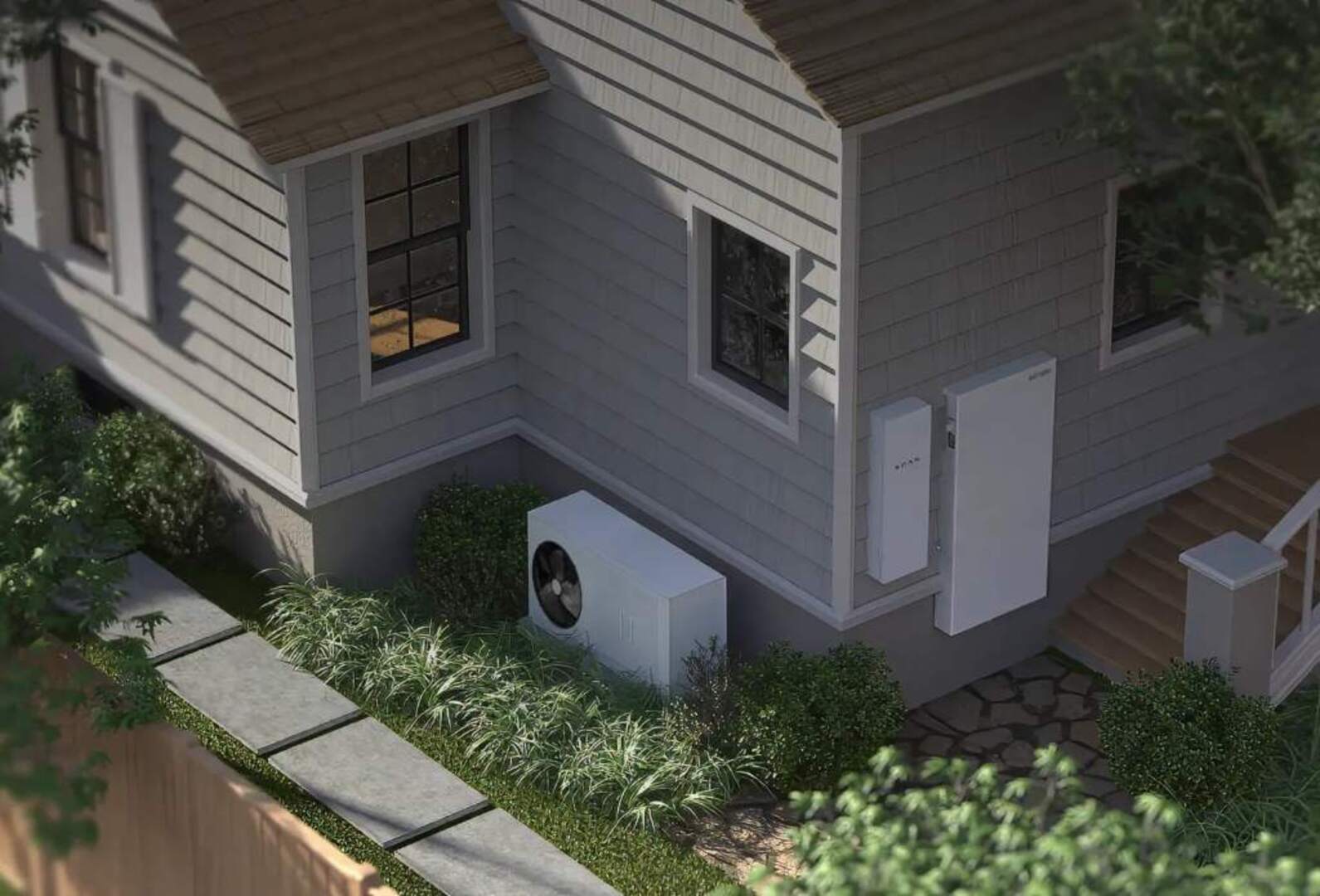

The XFRA system from SPAN integrates high-performance GPUs in homes, transforming common dwellings into distributed data centers for AI processing.
The American startup SPAN recently introduced XFRA, an innovative modular system designed to convert homes and commercial establishments into distributed data centers.
The initiative aims to mitigate the overload on the electrical grid caused by the growing demand for artificial intelligence, using existing residential infrastructure to host high-performance processors. By decentralizing processing, the company avoids the need to build new and costly power plants and massive server complexes.
The system operates based on smart electrical panels that work in collaboration with technologies from companies like NVIDIA. The equipment allows homes to manage energy consumption dynamically, ensuring domestic supply while allocating excess capacity for computing tasks.
-
China Develops Custom 140-Ton Electric Mining Truck with 770 kWh Swappable Battery, Deploys 290 Units in Xinjiang’s Largest Zinc Mine

-
Meta to Launch Arena, a New Prediction App Targeting 3.56 Billion Users, Competing with Polymarket and Kalshi

-
Scientist Challenges Famous Human Evolution Theory, Argues Homo Sapiens Evolved Gradually Over Thousands of Years
-
15-Year-Old American Builds Ocean Generator with PVC Pipe and 3D-Printed Propeller for $12, Wins National Prize, Presents at White House, and Makes Forbes 30 Under 30 List




Construction companies like PulteGroup have already begun exploring this model of distributed data centers, integrating energy storage and processing capacity directly into the design of new real estate developments.
Smart homes as pillars of decentralized computing
The XFRA system transforms dwellings into active nodes of an integrated digital and energy network. By installing state-of-the-art GPUs in domestic environments, the computing power required for AI is efficiently scaled close to the end user.
This strategy leverages the electrical capacity installed in cities, which often remains underutilized for most of the day, accelerating the expansion of digital infrastructure.
By consolidating the concept of distributed data centers within the urban fabric, the system drastically reduces latency and congestion in long-distance transmission networks. Homes equipped with this technology cease to be passive consumers and become essential components of the digital economy. The physical proximity of data processing significantly improves the response of services that depend on real-time performance, such as cloud gaming and language model inference.
Sustainability and resilience of the national electric grid
The proposal to create distributed data centers in residential areas directly addresses concerns about the massive electrical consumption of large processing centers. The distribution of computational load prevents the formation of critical heat points in the network that could cause blackouts or require billion-dollar investments in substations.
The modular model utilizes already constructed structures, which minimizes environmental impact and reduces the implementation time of new processing technologies.
Although the system does not fully replace large server complexes, it acts as a vital complement for specific proximity computing tasks. The use of distributed data centers optimizes local resources, such as solar panels and home batteries, making the ecosystem more sustainable. In this way, SPAN proposes a paradigm shift where digital infrastructure does not need to be necessarily centralized and isolated.
The future of digital infrastructure in modern cities
The implementation of the XFRA system marks the beginning of a new era in global connectivity architecture. By transforming ordinary buildings into distributed data centers, access to high-performance infrastructure is democratized, and the energy resilience of communities is strengthened.
The model allows for organic scalability, where each smart home contributes to the total processing capacity of society.
In the long term, the viability of distributed data centers will depend on the mass adoption of smart electrical panels and integration with cloud service providers. There is an economic incentive for homeowners, who can generate credits or reduce bills by “renting” their electrical and hardware capacity.
With the support of technology manufacturers and the construction sector, the home of the future will be a personal refuge and an essential engine of global technological advancement.
With information Eco Inventos






