Portuguese
  Spanish


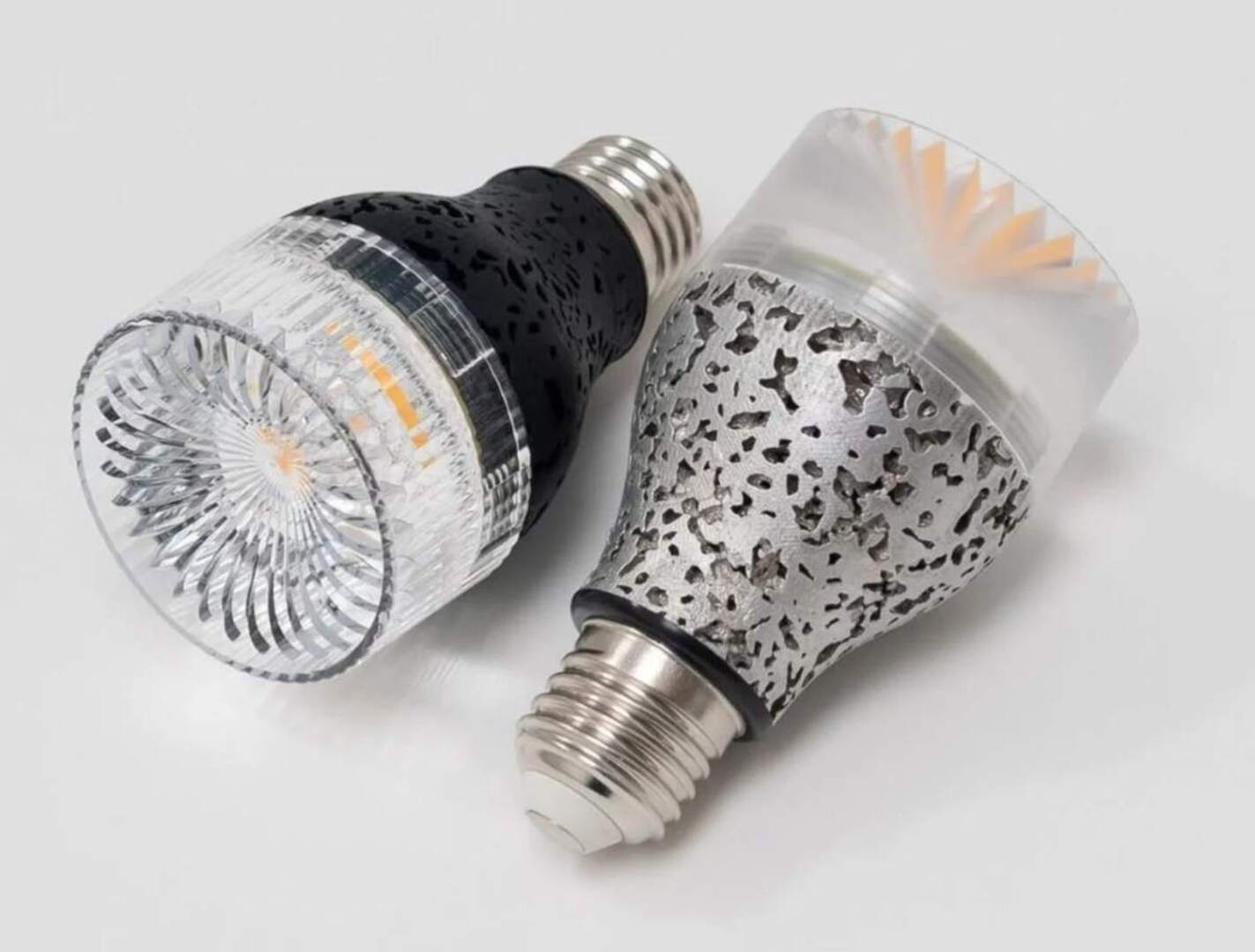

Developed with 3D printing and smart technology, the modular lamp Re27 emerges as a definitive alternative to disposable models, allowing for the replacement of individual parts.
The Swiss startup Re-Lamp has introduced to the market the modular lamp Re27, an innovative lighting solution designed to combat planned obsolescence and reduce electronic waste.
Unlike conventional models that need to be completely discarded in case of failure, this device allows for the individual replacement of its internal components. Made with recycled materials and equipped with smart control technology, the modular lamp Re27 has been optimized to offer a lifespan that extends for decades.
The product’s structure is based on a snap-fit system that facilitates home maintenance without the need for complex tools. The core of the modular lamp Re27 features a high-efficiency LED driver and a housing produced via 3D printing, using polymers recovered from industrial waste. This approach allows the user to replace only the light module or the circuit board if one of them burns out, preserving the rest of the unit and minimizing environmental impact.
-
China Launches World’s First 307-Meter Floating Wind Platform to Supply Oil Rigs, Aiming to Cut 35,000 Tons of CO2 Annually

-
Japan Deploys Offshore Concrete Factory, Constructs Massive Caissons in 8 Days, Revolutionizing Port Construction with Industrial Efficiency

-
China Builds World’s Largest Power Grid, Generating Enough Energy to Supply 15 Times Brazil’s Needs, Surpassing the US, EU, and India Combined
-
Brazil’s First 3D-Printed House Built in 30 Hours with Two Operators and 20% Lower Costs



Modular design and ease of repair
The major technological differentiator of this launch is its format divided into three main sections: the base, the electronic module, and the external diffuser.
In case of a malfunction, the owner of the modular lamp Re27 can identify the faulty part and purchase only the specific item for replacement. This circular economy concept ensures that the aluminum body and recycled plastic components remain in use for much longer than sealed plastic alternatives.
In addition to sustainability, the simplified assembly ensures that the modular lamp Re27 can be updated as new LED technologies emerge in the future. The aesthetic design has also been planned to adapt to different environments, using a minimalist aesthetic that highlights the sustainable origin of the materials.
The startup focuses on the transparency of components, encouraging a repair culture instead of the systematic disposal of household electronics.
Smart connectivity and energy efficiency
The modular lamp Re27 is not limited to physical durability, integrating home automation features that allow control via mobile devices. Through a wireless connection, users can adjust the light intensity and schedule operating times to optimize electricity consumption.
The intelligent integration of the modular lamp Re27 is compatible with major home management systems, offering a personalized and modern lighting experience.
The internal software was developed to monitor the health of the LEDs, alerting the user about the need for preventive maintenance before a total failure occurs. This proactive management of the modular lamp Re27 contributes to maximum luminous efficiency throughout its entire lifecycle. The combination of robust hardware and intelligent software positions the product as a benchmark in responsible consumer technology for homes and offices.
Recycled materials and environmental commitment
The Swiss startup prioritizes the use of recycled PETG filaments in the manufacturing of the lampshade and structural parts of the luminaire. By utilizing transformed plastic waste, the production of the modular lamp Re27 drastically reduces the carbon footprint associated with the extraction of virgin raw materials.
Each unit sold represents a fraction less of debris in landfills, reinforcing the company’s commitment to environmental regeneration.
The estimated durability of the modular lamp Re27 exceeds 50,000 hours of use, which represents a significantly longer lifespan than traditional LED lamps on the current market. At the end of its definitive lifespan, all parts of the modular lamp Re27 are designed to be easily separated and sent for new recycling processes.
This Swiss initiative sets a new standard for the lighting industry, proving that it is possible to combine high technology and extreme sustainability.
With information from EcoInventos