






 Portuguese
  Spanish


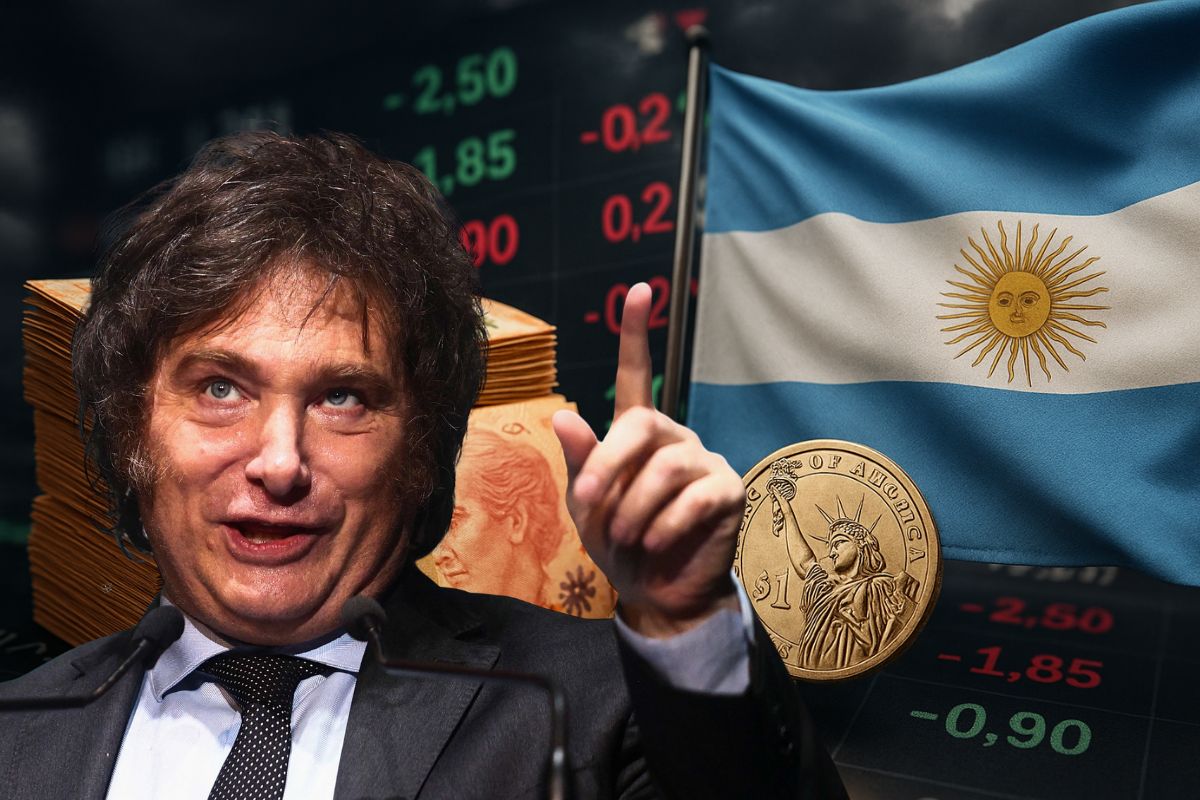


Argentine Peso Falls More Than 2% in a Single Day and 2035 Bonds Plunge to 62 Cents, Lowest Since April Amid Scandal Involving Milei’s Sister.
The Argentine president Javier Milei announces currency intervention after a day of strong financial turbulence. On Tuesday (02/09/2025), the Argentine peso fell more than 2% against the dollar and the sovereign bonds maturing in 2035 dropped to 62 cents, the lowest level since April, according to Bloomberg. The measure was confirmed by Pablo Quirno, Secretary of Finance, who said on X (formerly Twitter) that the action aims to “ensure liquidity and the normal functioning of the market.”
The worsening of the economic crisis coincides with a political scandal: Karina Milei, the president’s sister, is facing bribery allegations, further pressuring the government’s image less than a week before the provincial election in Buenos Aires — regarded as one of Argentina’s biggest political gauges.
Peso Decline and Bond Collapse
The Argentine market returned from the holiday in the USA with a pessimistic mood. The combination of low trading volume and lack of confidence in Milei’s fiscal adjustments resulted in strong currency pressure. The depreciation of more than 2% of the peso in just one day reinforces the perception of fragility in the economy, already marked by chronic inflation and high public debt.
-
Brazilian Startup Turns Coffee Grounds into Plant-Based Leather, Cutting Water Use by Over 50 Times for High-Impact Sustainable Fashion

-
Eco Invest Auction Aims to Unlock $10 Billion in Investments, Focusing on Green Fertilizers, Critical Minerals, Batteries, and AI for Clean Industry in Brazil

-
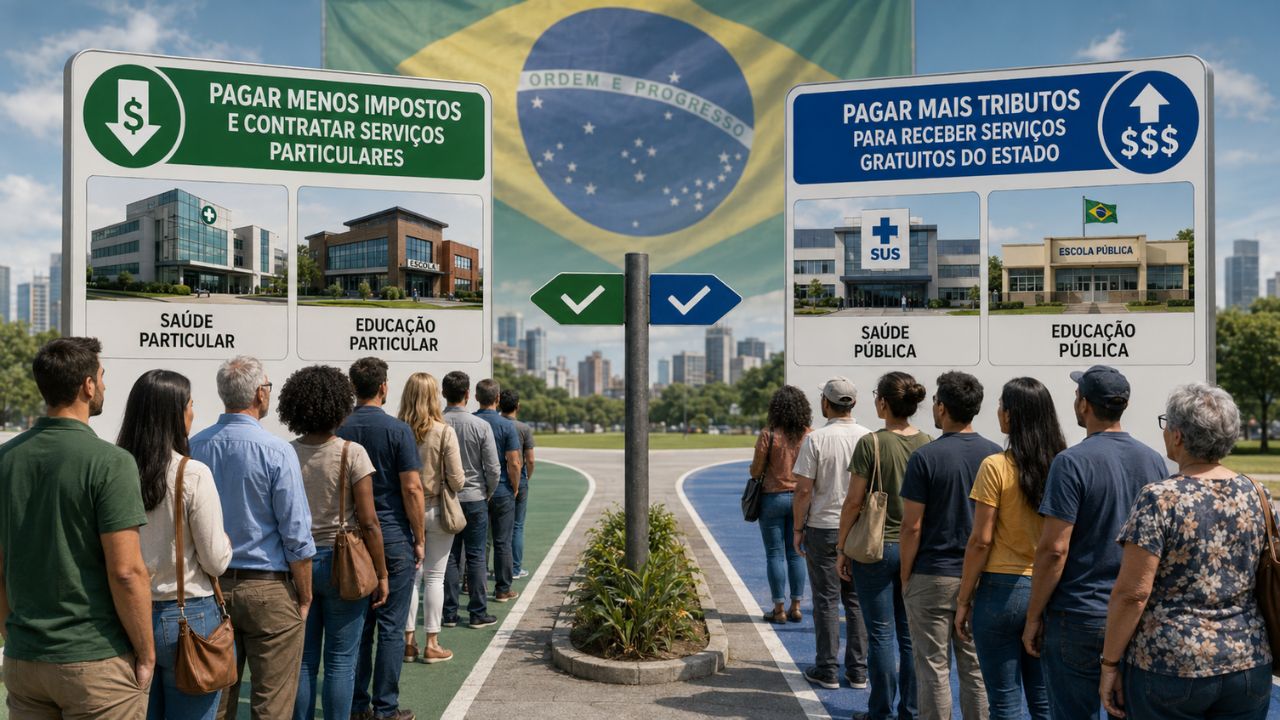
Half of Brazilians Prefer Lower Taxes with Private Health and Education, While 44% Opt for Higher Taxes for State-Provided Services, Datafolha Survey Reveals

-
Brazil’s Most Expensive Toll Rises to R$ 40.60 on Route from São Paulo to the Coast, Nearly Matching Bus Fare to Santos



The 2035 bonds, which serve as a benchmark for global investors, fell to 62 cents. Analysts state that the movement reflects growing distrust about Milei’s ability to sustain his reform agenda in the face of an unstable political scenario.
Political Scandal and Decisive Elections
The government’s wear is not limited to the economy. The allegations against Karina Milei gained media attention and became ammunition for the opposition, especially on the eve of the election in Buenos Aires, which holds nearly 40% of the Argentine population.
The voting is seen as a referendum on Milei’s first two years in office. The recent defeat of the government candidate in Corrientes, where he finished in fourth place, raised alarms about the viability of the presidential strategy to run in elections without regional alliances.
What Analysts Are Saying
Walter Stoeppelwerth, Chief Investment Officer of Grit Capital Group, stated that the turbulence “exposes the fragility of investor confidence” after only 18 months in office. Meanwhile, Morgan Stanley classified the election as “a short-term hurdle,” but maintained an optimistic view for Argentine assets in the medium term, provided that reforms progress.
However, the risk is immediate: currency pressure, falling bonds, and simultaneous political crisis create an uncertain environment about the future of the second-largest economy in South America.
Do you believe that the currency intervention announced by Milei will be enough to calm the markets or could the political crisis increase distrust? Share your opinion in the comments — we want to hear from those who are closely following the Argentine situation.







Essa **** já foi pro brejo