Portuguese
  Spanish


The New EU Regulation Accelerates The End Of Virgin PET Bottles. Understand How The Measure Seeks To Reduce Environmental Impact And Change The Packaging Industry By 2030.
The End Of Traditional PET Bottles: Starting in 2025, the new EU regulation will come into effect, potentially transforming the global plastic packaging market. PET bottles produced in Member States will need to contain at least 25% recycled plastic, a requirement aimed at reducing the environmental impact of production and strengthening the circular economy model. This decision marks a step forward in the EU’s strategy to combat plastic pollution and reduce dependence on fossil fuels.
2025 And 2030 Targets
In addition to the initial requirement of 25% recycled material, the regulation provides for an increase to 30% by 2030. This evolution will require manufacturers to adapt production lines and raw material suppliers, ensuring that the durability and food safety of packaging is maintained.
According to experts, the change could even alter the final appearance of the bottles, which may tend to have a slightly different color due to the use of recycled materials.
-
Scientists Discover Antidepressants in Hammerhead Sharks, Revealing Hidden Path of Pharmaceuticals to Brazilian Waters

-
Warm water hidden deep in the ocean has been moving towards Antarctica for 20 years, potentially accelerating glacier melting from below.
-
U.S. Offers Nearly $200,000 to Combat Invasive Mussels Threatening Waterways and Hydroelectric Plants
-
Cigarette Butts Pollute Brazilian Beaches, Sparking Debate on Coastal Environmental Protection Measures


Expected Environmental Effects
The expanded use of recycled PET will have a direct impact on the industry’s carbon footprint. The substitution of virgin plastic will reduce the need for oil in packaging production.
Another goal is to decrease pollution from microplastics, which is increasingly present in the oceans and rivers of Europe and other parts of the world. For environmental authorities, the regulation represents a concrete action to address the global environmental crisis.
Impact On Manufacturers And Consumers
The regulation will affect the entire production chain:
- Manufacturers will need to invest in new recycling technologies and adapt production lines.
- Consumers may notice subtle changes in packaging, but without compromising product quality.
- The European Market is likely to gain more competitiveness in recycling technologies, consolidating the region as a leader in sustainable innovation.

Reflections In Brazil And Other Countries
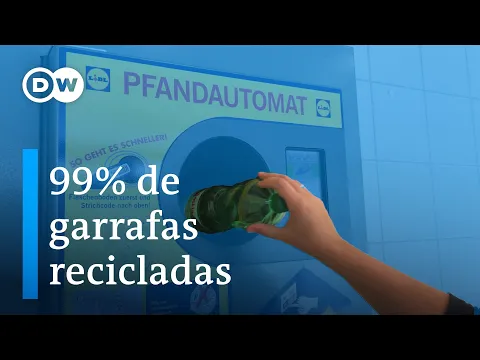
The European movement is already influencing legislation in other parts of the world. In Brazil, there are proposals under discussion to increase the use of recycled plastic in packaging, with targets similar to those of the European Union.
Additionally, the sector is discussing additional measures, such as the attachment of caps to bottles, to facilitate the recycling process and reduce improper disposal.
Circular Economy In Practice
The new EU regulation goes beyond waste reduction. It is seen as an essential step to strengthen the circular economy, in which materials return to the production chain in successive cycles, reducing pressure on natural resources.
For sustainability experts, this model could redefine the future of the packaging industry, stimulating innovation and promoting a more sustainable market on a global scale.
The end of virgin PET bottles, although gradual, is already a developing reality in the European Union. With targets set for 2030, expectations are that the measure will not only reduce environmental impact but also become a global benchmark, influencing countries like Brazil to adopt similar strategies.
The transition challenges manufacturers but also opens up opportunities for new technological and economic possibilities in the recycling chain.