






 Portuguese
  Spanish


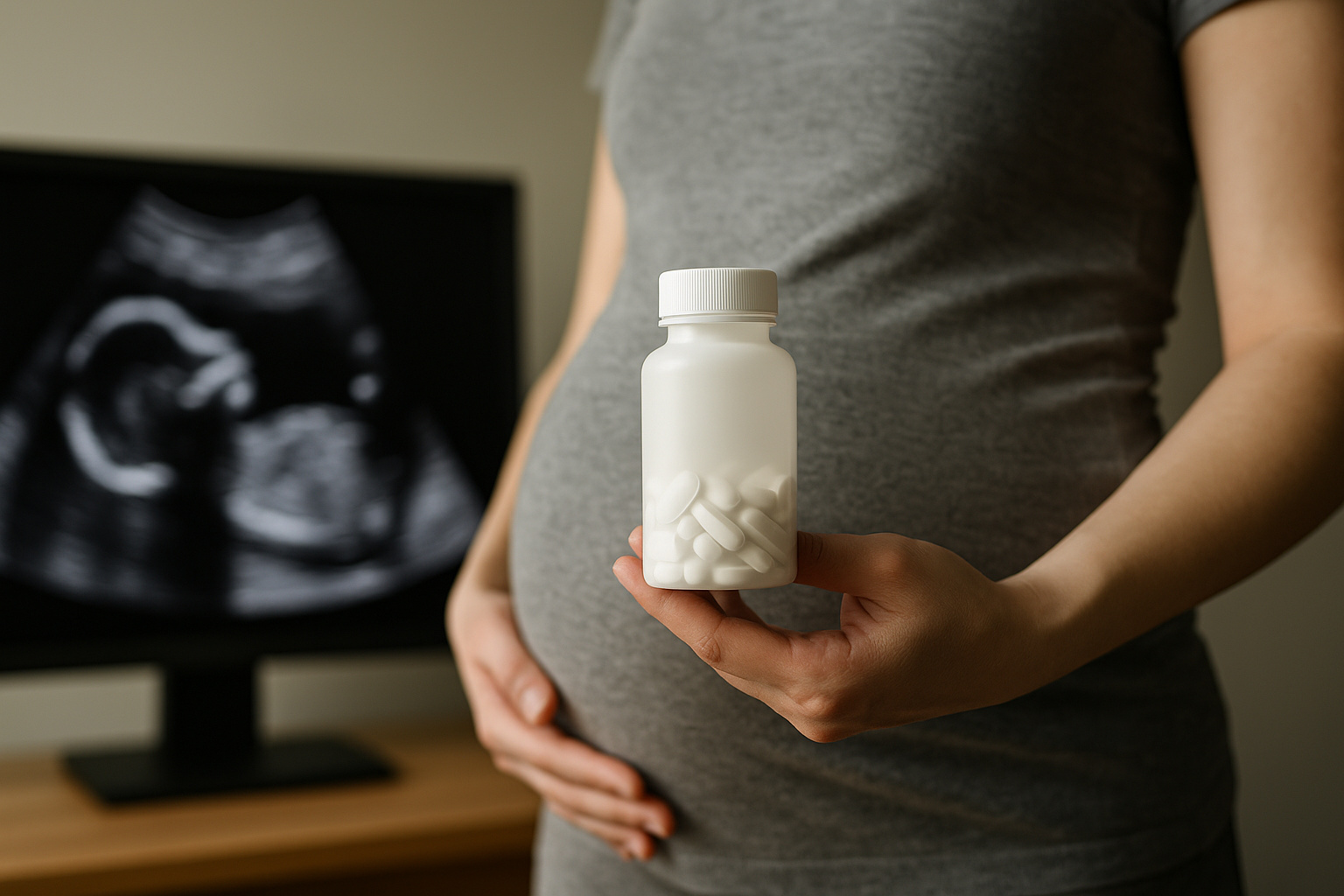

Paracetamol During Pregnancy Is Safe, Confirms BMJ Study; Research Reaffirms No Link to Autism.
Paracetamol During Pregnancy Is Safe, and Global Study Confirms: No Link to Autism
An extensive study published this Monday (10) by the British Medical Journal (BMJ) reached a clear conclusion. There is no link between the use of paracetamol during pregnancy and autism in children.
The analysis gathered dozens of studies conducted in recent years. Moreover, it reinforces the scientific consensus that the medication is safe during pregnancy. Thus, it debunks rumors that have spread widely on social media.
The conclusion comes after controversial statements from former U.S. President Donald Trump. He claimed, without providing evidence, that paracetamol could cause autism spectrum disorders (ASD) in babies. However, the scientific community reacted swiftly. Now, with the study published in the BMJ, the case has a definitive conclusion, based on solid and verified evidence.
-
China Develops Custom 140-Ton Electric Mining Truck with 770 kWh Swappable Battery, Deploys 290 Units in Xinjiang’s Largest Zinc Mine

-
Meta to Launch Arena, a New Prediction App Targeting 3.56 Billion Users, Competing with Polymarket and Kalshi

-
Scientist Challenges Famous Human Evolution Theory, Argues Homo Sapiens Evolved Gradually Over Thousands of Years
-
15-Year-Old American Builds Ocean Generator with PVC Pipe and 3D-Printed Propeller for $12, Wins National Prize, Presents at White House, and Makes Forbes 30 Under 30 List




BMJ Review Gathers Decades of Research on Paracetamol and Autism
According to the article from the BMJ, “the currently available data are insufficient to confirm a link between exposure to paracetamol in the womb and autism, as well as attention deficit hyperactivity disorder during childhood.”
The publication results from a “umbrella review”, which gathers and analyzes various studies to construct a more accurate scientific picture. Additionally, the authors explain that most previous studies had low methodological quality and overlooked essential factors, such as genetic predisposition or mother’s health conditions.
Therefore, studies suggesting a possible link between the use of paracetamol and autism failed to prove cause and effect. In many cases, the medication was associated with the treatment of fever or pain, situations that, in themselves, can affect fetal development.
WHO and Experts Reinforce Safety of Paracetamol During Pregnancy
Following Trump’s statements, the World Health Organization (WHO) emphasized that there is no scientific evidence linking the use of paracetamol to the occurrence of autism. The new review published in the BMJ only confirms this global consensus, lending support to the medical practice adopted worldwide.
Paracetamol, also known by the brand names Tylenol and Panadol, is widely recommended for pregnant women, as it is the safest analgesic and antipyretic compared to alternatives like aspirin and ibuprofen, which have proven risks for the fetus.
Professor Dimitrios Sassiakos of University College London praised the new study:
“It is based on high-quality methodology that confirms what experts repeat worldwide,” he stated to the British Science Media Center.
Study Reinforces Confidence in Rational Use of Paracetamol
Clearly and comprehensively, the BMJ highlights that no new evidence points to any risk of autism associated with the use of paracetamol during pregnancy. On the contrary, the study offers the most complete and accurate view to date on the subject, dispelling uncertainties and bringing peace of mind to millions of pregnant women worldwide.
The researchers emphasize that, even with confirmed safety, the medication’s use should follow medical advice, always respecting the recommended dose.
Conclusion: Science Reaffirms — Paracetamol During Pregnancy Does Not Cause Autism
The new scientific review ends a long controversy. Furthermore, it reinforces the importance of evidence in the formulation of public health policies.
The consensus among experts is clear: paracetamol remains the safest option for pregnant women. Therefore, there is no proven link to autism or other childhood developmental disorders.
Amid misinformation, the study from the BMJ serves as an essential reminder. Thus, it reinforces that medical decisions should be guided by science — not by baseless theories or political speeches.






