Portuguese
  Spanish


China has suspended beef imports from five Brazilian slaughterhouses, including two units of JBS, one of Prima Foods, one of Frialto, and one of SulBeef. The most recent suspension affected the JBS plant in Vilhena, Rondônia, after the detection of progesterone in shipments sent to China. With more than 55% of the 2026 quota of 1.1 million tons already filled, slaughterhouses authorized for China are closing deals only until the end of June to prevent shipments from reaching Chinese ports after the quota is exhausted and being surcharged by 55%.
The cost is becoming increasingly expensive for Brazilian slaughterhouses selling beef to China. In one week, China’s General Administration of Customs suspended three new units and rehabilitated three others, in a game of musical chairs that keeps the sector in a state of permanent alert. The latest suspension affected the JBS plant in Vilhena, Rondônia, after the detection of progesterone in shipments, raising to five the total number of Brazilian slaughterhouses currently banned from exporting to China: two units of JBS, one of Prima Foods, one of Frialto, and one of SulBeef.
The problem goes beyond individual suspensions. The beef quota negotiated between Brazil and China for 2026 is 1.1 million tons, and more than 55% of this volume has already been filled. Slaughterhouses authorized for China are closing shipping contracts only until the end of June, because any shipment that arrives at Chinese ports after the quota is exhausted will be surcharged by 55%, a percentage that makes the operation commercially unfeasible. Without the Chinese customer, companies’ margins are expected to become even tighter in a scenario of a falling dollar and rising costs.
The five plants suspended by China

According to information released by the portal Globo Rural, the suspensions follow a pattern: China detects irregularities in beef shipments and communicates with Brazilian authorities through an official letter. The JBS plant in Vilhena has a slaughter capacity of approximately 1,100 heads per day, similar to that of Pontes e Lacerda, in Mato Grosso, which was also suspended by China about a week ago. Both are significant units whose closure to the Chinese market directly affects Brazil’s export volume.
-
A company from SC that moves R$ 125 billion in agribusiness is integrated into an international group, maintains its headquarters and jobs in Chapecó, and is preparing to expand software for cooperatives, grain companies, and industries while targeting new markets without leaving the western region of Santa Catarina.

-
Producer receives news and had to cull almost the entire herd, bounced back with the help of compensation, and is now producing 450 liters of milk per day in SC.

-
Quail Eggs Reveal a “Secret Code” on Their Shells Explaining Unique Patterns and Colors

-
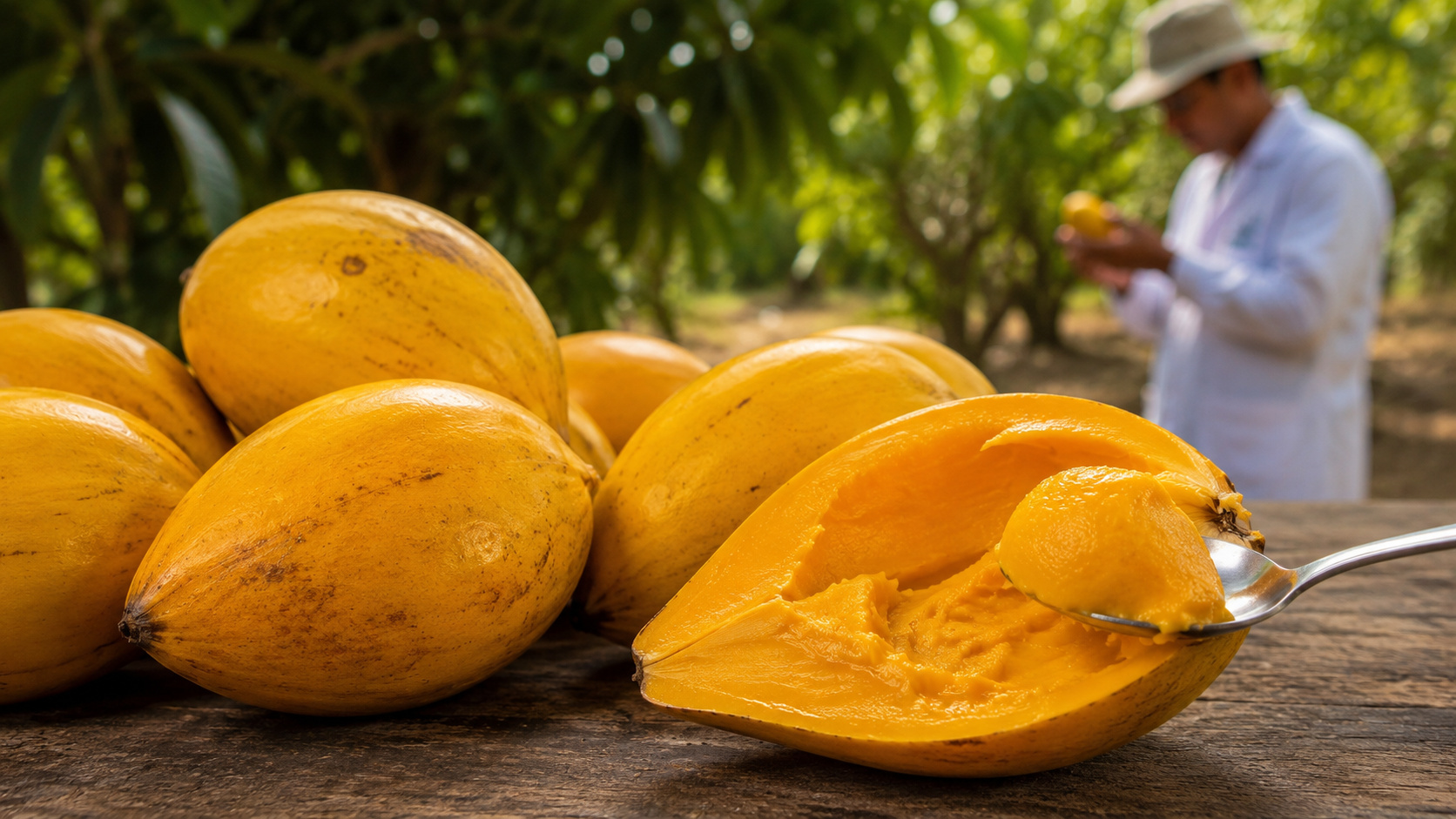
Rare Tropical Fruit Canistel, with Egg Yolk Color and Caramel Flavor, Gains Interest from Researchers and Small Producers in Brazil


The detection of progesterone, a hormone used in cattle reproductive protocols, is one of the most common reasons for suspension by China. The Asian country maintains zero tolerance for residues of certain substances in imported meat, and any detection, even at levels considered safe by other markets, results in an immediate embargo. Brazil has 67 plants authorized to sell beef to China, but each suspension reduces the country’s ability to meet the quota within the deadline.
The 2026 quota and the race against time
The quota of 1.1 million tons of beef negotiated with China for 2026 functions as a window: as long as there is space, the tariff is favorable. When the quota is exhausted, the tariff jumps to 55%, turning competitive meat into an unviable product in the Chinese market and forcing slaughterhouses to redirect shipments to other destinations with lower margins.
With more than 55% of the quota already filled before June, slaughterhouses are in the final phase of advantageous shipments. The logistical calculation is delicate: between slaughter in Brazil, processing, road transport to the port, and sea crossing to China, weeks pass. Any delay could mean that a shipment negotiated within the quota arrives at the Chinese port when the quota is already exhausted, and the 55% surcharge falls entirely on the slaughterhouse.
The game of musical chairs between suspensions and rehabilitations
Last week, China rehabilitated three Brazilian plants that had been suspended for over a year, including the JBS unit in Mozarlândia, Goiás, which can slaughter about 2,500 heads per day. A few days later, the Chinese government announced the suspension of three other companies, keeping the total number of plants prevented practically stable and creating a rotation that prevents slaughterhouses from planning with security.
An industry source assessed that the rehabilitation of Mozarlândia, with a capacity superior to the two suspended JBS plants combined, tends to compensate for the losses. But the unpredictability of China’s decisions is the most concerning factor. For slaughterhouses, each letter from the General Administration of Customs can mean millions of reais in canceled or last-minute redirected contracts.
What is at stake for Brazilian slaughterhouses
Without access to the Chinese market, the profitability of Brazilian meatpacking plants is directly affected. China is the largest buyer of Brazilian beef, and the combination of suspended plants, limited quota, and a 55% surcharge creates a scenario where margins are squeezed between rising domestic costs and export revenues under pressure.
The falling dollar reduces the value in reais of exports, while the costs of cattle, logistics, and operations continue to rise. For companies like JBS, which did not comment on the suspensions, the challenge is to maintain the pace of shipments within the remaining quota with fewer plants enabled. For the sector as a whole, the situation exposes Brazil’s dependence on a single buyer that can open and close the door at any time.
Do you think Brazil relies too much on China for beef exports? What worries you more: the suspensions of meatpacking plants, the limited quota, or the 55% surcharge? Tell us in the comments.