





 Portuguese
  English
  Spanish
  6 min of reading
  3 comments




From Meteoric Rise to Silent Disappearance: How Asus Enchanted Brazilians with the Zenfone and Later Lost Ground to Chinese Competitors
If you lived through the peak of the last decade, you’ve definitely heard of a Zenfone. You might have even owned one.
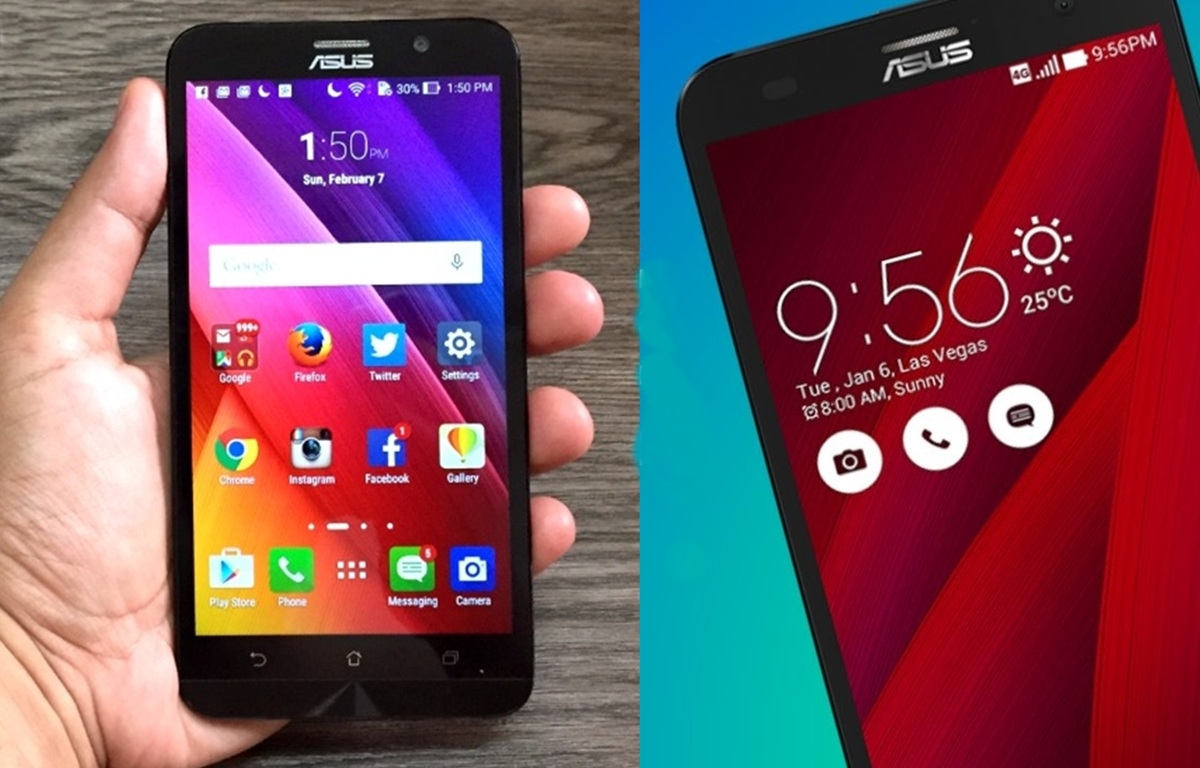
Models like the Zenfone 5, which competed head-on with more popular giants, the Zenfone 2, which surprised everyone by bringing 4 GB of RAM when it was still rare, or the innovative Zenfone 6 with its Flip camera.
They won many hearts. But after all, where has this brand that seemed destined to revolutionize the smartphone market gone?
-
Filipino fishermen pull from the sea a 3.6-meter Chinese underwater drone with Mandarin markings near Palawan, and the Coast Guard sees in the object another piece of the silent race to map submarine routes in the South China Sea.

-
With nearly 1.6 km and a capacity for 80,000 people, a floating city aims to navigate the planet with 30 decks, hospitals, schools, a stadium, and nuclear energy, but it has been struggling for 30 years to move from paper to reality in the ocean as a mobile megacity never before constructed.

-
Seen from space, NASA records an Arctic jet stream pushing extreme cold down to Florida and painting the sea with a giant 240 km plume of underwater mud, in swirls that resemble a white storm in the Gulf of Mexico.
-
Looking like a mix between a boat and a plane, the WaveFly 5X makes its inaugural flight in China, crosses 50 centimeters above the water, reaches 85 km/h, and aims for mass production as a commercial flying boat priced at $199,999 in the United States.




Today, we will revisit this story, from absolute success to almost silent disappearance.
And understand how Asus, which gained so many fans in Brazil, ended up making room for its competitors.
The Arrival in Brazil
Asus entered the Brazilian market in 2014 with a clear and aggressive strategy.
The goal was simple: to offer phones with top-notch specifications at competitive prices, directly targeting the audience that wanted performance without paying a fortune.
The game-changer was the Zenfone 5, one of the first models to arrive here. It brought eye-catching design, optimized interface, and respectable hardware, rivaling much more expensive competitors.
That year, the scenario was predictable. Either you bought an iPhone, or you went for Samsung’s Galaxies, along with a few other alternatives.
That was fine, but not everyone could afford it. The game always seemed the same until Asus came in to change this logic.
The Impact of the Zenfone 5
The Zenfone 5 didn’t arrive timidly. It brought a strong personality, elegant design, and an interface that surprised. The ZenUI was optimized, lightweight, intuitive, and without lag, which was rarely seen in affordable models.
The hardware faced more expensive competitors without difficulty. And the fair price showed that quality didn’t have to be a luxury. For many, that device was the embodiment of the idea that advanced technology could be accessible.
Another striking point was Asus’s choice to use Intel processors, while the market was almost exclusively betting on Qualcomm. This partnership brought curiosity, differentiation, and more competitive prices for consumers. Gamers and enthusiasts saw this as a bold new approach.
Competition with the Moto G
At the same time, Motorola was also shining with the Moto G. The difference there was the almost pure Android, simple, quick, and with faster updates. Asus, on the other hand, bet on heavy customization, with dozens of pre-installed apps and exclusive features.
The ZenUI was colorful, full of shortcuts, gestures, and extra functions. This gave users more control, but also made the system heavier at times. Still, the public embraced the proposal, especially with aggressive marketing from the brand, which sponsored events, influencers, and even eSports teams.
The Leap of the Zenfone 2
The year 2015 brought the Zenfone 2, another game changer. It was the world’s first smartphone with 4 GB of RAM, something very rare even among expensive models at that time. This move solidified Asus as a brand of accessible innovation.
Among gamers and enthusiasts, the Zenfone 2 became a performance reference. With this, Asus gained even more reputation in Brazil, proving it wasn’t joking around.
The following years solidified this image. Models from the line brought better cameras, sophisticated design, and local support, instilling confidence in Brazilian consumers.
The Confusion of Numbers
A curious detail about the line has always been the numbering. The first Zenfone 5 arrived in 2014, but soon after, models called Zenfone 2, 3, and 4 appeared.
In practice, Asus used numbers to categorize positions in the line, not exactly to indicate chronological order. The Zenfone 4 was the basic model, the Zenfone 5 was the flagship intermediate, and the Zenfone 6 was the top of the line. This generated some confusion, but it didn’t dampen the fans’ enthusiasm.
The Beginning of the Decline
Despite the success, things began to change. The gradual increase in prices undermined the brand’s main differentiator: value for money.
At the same time, Asus changed its global strategy and reduced its focus on Brazil. Investment in marketing fell, distribution shrank, and Chinese competitors took advantage of the void. Xiaomi, Huawei, Oppo, and OnePlus entered strongly with the same formula that was once exclusive to the Zenfone: high specifications at affordable prices.
To make matters worse, post-sale problems arose. Complaints about slow support and hard-to-find parts drove away consumers who sought security.
Forgotten Launches
Even when it brought global innovations, like the Flip camera of the Zenfone 6, Asus’s presence in Brazil was already weak. Launches arrived quietly, without the loud marketing of the past.
The pandemic and the semiconductor crisis worsened the situation. Asus further reduced its portfolio, focusing on strategic markets and abandoning mass competition in Brazil.
The Turn to Gamers
Facing this scenario, the company changed course. It decided to invest in specific niches, especially with the ROG Phone line, dedicated to the gaming audience.
The Zenfone, which was once a mass play, lost prominence.
Asus preferred to target consumers willing to pay a premium for performance and exclusive features. This ensured the brand’s survival in smartphones but distanced the common audience that saw the Zenfone as a symbol of value for money.
Recent Zenfone: Inaccessible
In recent years, Asus has even released models like the Zenfone 8 and Zenfone 9, but the strategy was already different. High prices, limited distribution, and a narrow focus made them inaccessible to former brand fans.
The Zenfone 8, for example, focused on a compact and powerful format. However, its price placed it in the same range as the flagship models from Samsung and Apple. In this scenario, Asus permanently lost ground.
The Legacy
Even off the radar, the Zenfone left an important legacy. It showed the market that it was possible to popularize advanced features for a broad audience.
It was pioneering in bringing 4 GB of RAM, high-quality cameras, and massive batteries in affordable models. Examples include the Zenfone Zoom, with optical zoom, the Zenfone Selfie, focused on front cameras, and the Zenfone Max, famous for its giant battery.
These models not only won fans but also forced competitors to deliver more for less.
Lessons and Memories
The Zenfone’s trajectory leaves lessons. In technology, it’s not enough to have a good product. It’s necessary to maintain a solid strategy, consistent marketing, and constant market presence.
The Zenfone had everything to be long-lasting, but Asus’s focus changed. Today, the brand targets niches like gamers, while in Brazil, it has become just a memory for those who lived its peak.
Still, the memory of value for money and accessible innovation remains alive. Those who had a Zenfone remember fondly the device that marked an era and challenged giants.
What Remains for the Fans
Even with the silent exit, fans still hold onto stories. Many dreamed of the Zenfone Selfie, while others were impressed with the Zenfone 2. The brand created strong bonds, especially because it offered something that seemed impossible: top performance without an exorbitant price.
The future is uncertain, but those who lived through that phase are unlikely to forget. The Zenfone may have left the mass market, but it hasn’t left the memory of those who followed its journey.








Ainda estou usando o z5 pro, trocar de aparelho esta difícil. Muito caro e não estão lá estas coisas que dizem. Testei o xiaomi, no inicio bateria durava muito, depois de meses, quase que duas recargas por dia. Acho que era o redimi note 13 pro com 256GB. Muitas atualizações, aparelho começa a perder desempenho.
Tive Asus 4, 5, 8 256gb peguei recente o xiaomi 14t 500gb, resultado qro meu Asus 8 de novo
Tenho um Asus ZenFone 8 e 9.
Adoro.