Portuguese
  Spanish




With The Energy Transition Underway, Governments Reinforce Policies To Ensure A Continuous, Reliable And Sustainable Supply, Aligning Economic Stability And Climate Goals In Increasingly Pressured Markets
Energy security has taken center stage in national strategies, as ensuring continuous, affordable, and low-carbon energy has become essential for sustaining economic growth and social stability.
In a transition scenario, the need to ensure access, resilience, and diversity of sources redefines public policies and presses for extensive modernization of the sector.
Foundations Of Energy Security In The Transition
Energy security involves ensuring a continuous supply of reliable and accessible energy.
Experts assert that this concept underpins the transition to a low-carbon economy, as it reduces social, environmental, and macroeconomic risks.
Thus, ensuring stability has become a strategic priority for countries that rely on multiple sources and technologies.
Diversification And Integration Of Renewables
Resilient energy models depend on access and diversification, as this combination reduces the impacts of disruptions and protects consumers against price fluctuations.
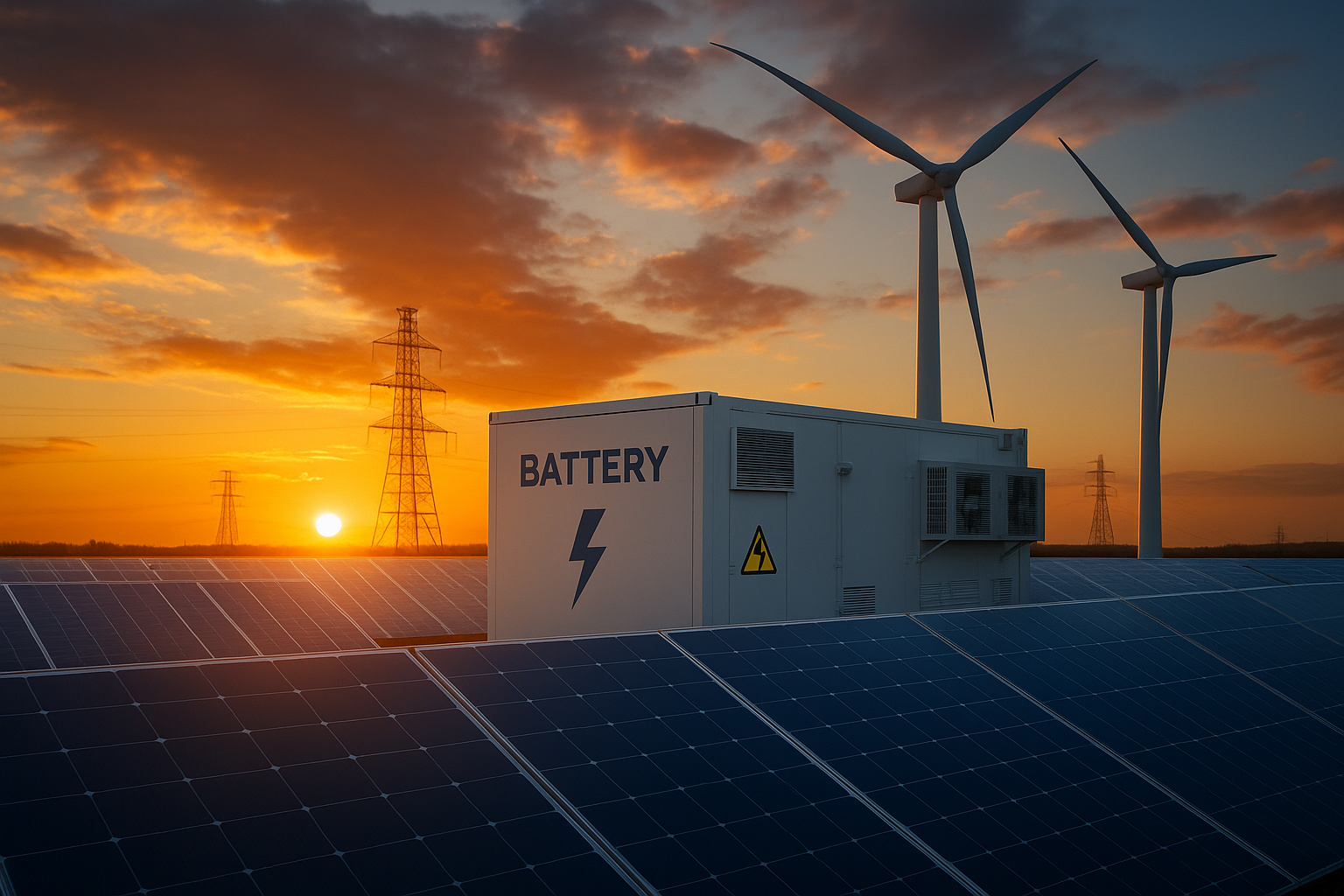
Therefore, the integration of intermittent renewable sources, such as solar and wind, requires complementary solutions that mitigate supply variations.
Among them are energy storage, the use of batteries, demand shifting, and adopting more efficient consumption standards.
-
Brazilian Energy Auction Secures $4.6 Billion in Projects to Enhance Power Grid and Prevent System Bottlenecks, Achieving an Average Discount of 51.58%

-
Gas-powered generator reignites emergency energy debate in Brazil, offering night and rain operation without open roof, as solar with battery can exceed $7,500 installed.

-
Itaipu Dam Stuns Visitors with First Spillway Opening in 2026, Showcasing the Power of Water Once Again
-
USP researcher creates thesis to attract international funds for the country’s electric energy sector



Climate Resilience And Response To Extreme Events
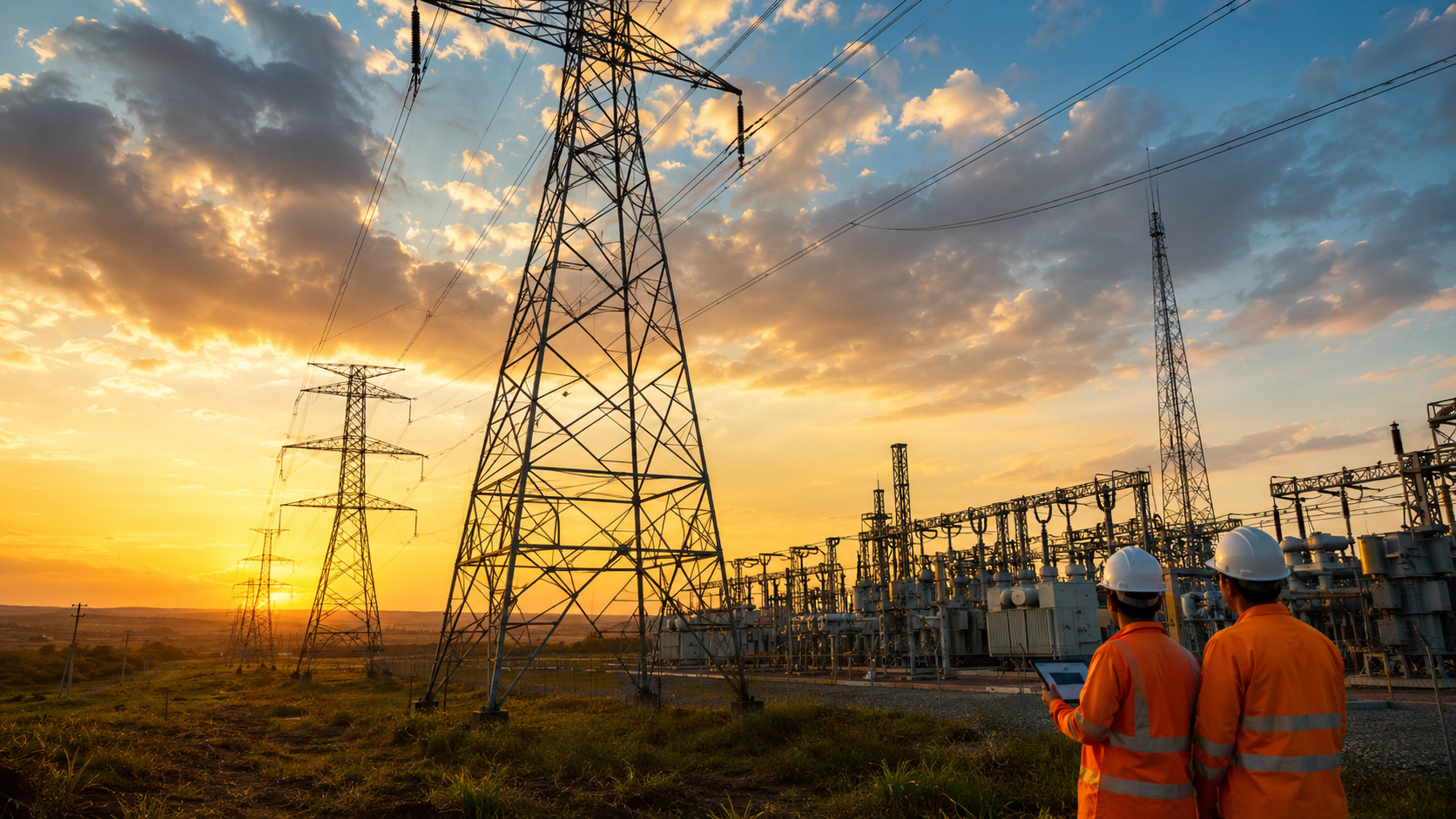
The energy transition also requires that the system be prepared for severe climate events.
Thus, climate resilience has gained priority because it ensures the capacity for response and recovery of infrastructure.
Consequently, technologies such as hydropower with reservoirs, fast-start thermal power plants, and smart grids help balance supply and demand.
Modernization And Expansion Of Energy Infrastructure
To meet future demand, infrastructure needs to be modernized and expanded.
Although ethanol already has a consolidated structure, other alternatives such as hydrogen, advanced biomass, and SAF; still require expansion.
Additionally, artificial intelligence and digital systems assist in forecasting generation, avoiding losses, and enhancing network efficiency.
Financing And Public Incentives
Modernization and expansion require large volumes of financial resources.
Governments adopt policies such as regulatory frameworks, economic incentives, and subsidies to facilitate investments in technologies and infrastructure.
Thus, public funds and support mechanisms drive clean alternatives and bring the private sector closer to the transition.
Impact Of The Transition On Energy Prices
Energy prices vary according to production, transportation, usage costs, taxes, consumption scale, and exchange rates.
Thus, regulations such as the SAF requirement can cause cost pass-throughs, while solar and wind sources reduce operational costs after installation.
Therefore, impacts vary according to the technology and sector analyzed.
International Dependencies And Geopolitical Risks
The transition may create new dependencies.
Critical minerals such as platinum, cobalt, nickel, graphite, lithium, and rare earths, essential for clean technologies, are concentrated in a few countries.
This pattern may intensify competition and conflicts, creating risks similar to those observed in global dependence on oil.
Countries That Advanced In Energy Security
China, Brazil, the United States, Germany, and Norway have adopted their own strategies.
China leads in renewable investments, while Brazil stands out for its high share of clean energy.
The United States is expanding networks and electrification, Germany is executing its Energiewende, and Norway is financing the transition using oil revenues.