Portuguese
  Spanish


The nighttime pressure reduction adopted by Sabesp in the Metropolitan Region of São Paulo aims to preserve reservoirs during the drought, while the company combines operation, loss prevention, water security works, and installation of water tanks for low-income families.
146 billion liters of water were saved in the Metropolitan Region of São Paulo with the nighttime pressure management adopted by Sabesp since August, a volume equivalent to the consumption of 25 million people for 30 days.
Nighttime water pressure helps preserve water sources
The measure takes place from 7 PM to 5 AM, a period of lower consumption. The pressure reduction is preventive, temporary, and complies with the deliberation of Arsesp and the São Paulo Government.
The goal is to preserve the reservoirs that supply the region during the drought. In practice, the strategy seeks to reduce the impact of the lack of rain without increasing pressure on the water sources.
-
Eco Invest Auction Aims to Unlock $10 Billion in Investments, Focusing on Green Fertilizers, Critical Minerals, Batteries, and AI for Clean Industry in Brazil

-
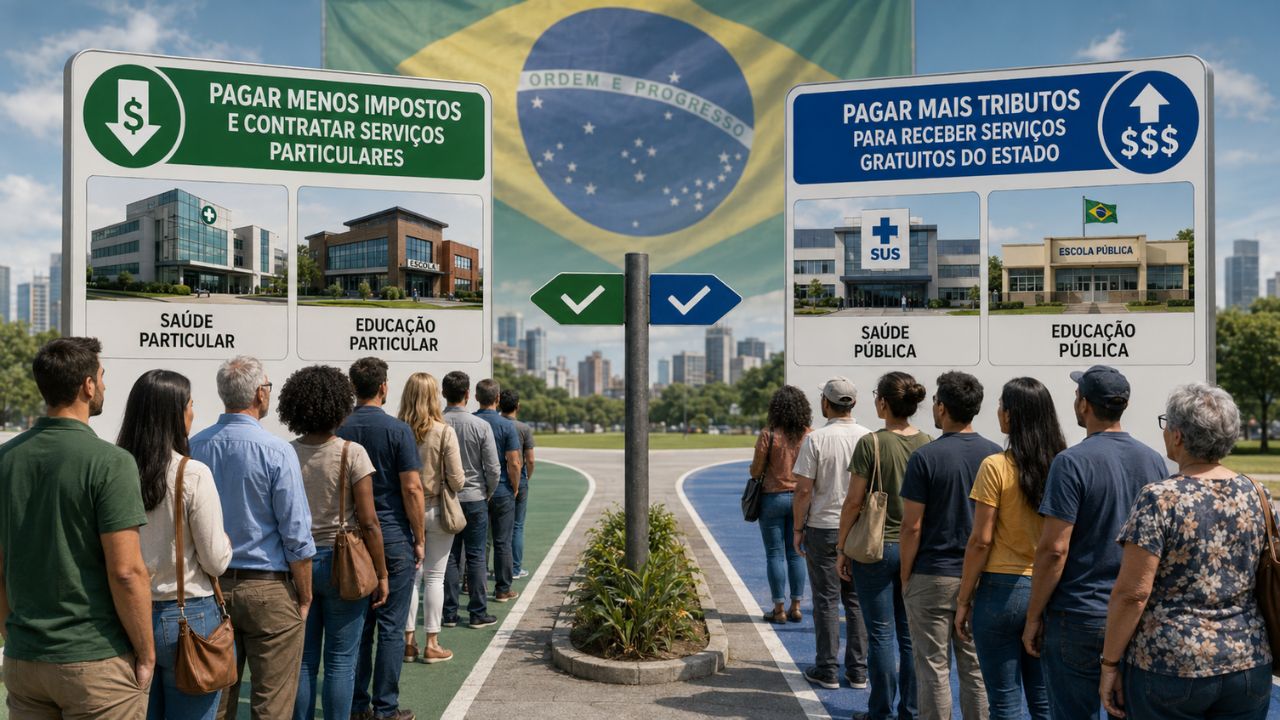
Half of Brazilians Prefer Lower Taxes with Private Health and Education, While 44% Opt for Higher Taxes for State-Provided Services, Datafolha Survey Reveals

-
Brazil’s Most Expensive Toll Rises to R$ 40.60 on Route from São Paulo to the Coast, Nearly Matching Bus Fare to Santos

-
As Brazil Expands Social Welfare, Survey Reveals 40% Blame Poverty on Laziness, While 58% Cite Lack of Opportunities




Sabesp combines operation, networks, and investments
Nighttime demand management is part of a larger set of actions. Sabesp also reinforced operations, expanded integration between production systems, and increased water transfer between serviced regions.
The company is also modernizing networks and intensifying loss prevention. These efforts help increase the available supply while reducing waste and providing more security to the supply.
Works should expand water supply by 2027
The water security program foresees more than R$ 5 billion in investments by 2027. The works focus on diversifying sources, increasing storage, and system resilience.
The expectation is to expand the supply by about 8,000 liters per second, with an estimated benefit for 22 million people in the Metropolitan Region of São Paulo.
Sabesp also expanded the Reserva Certa, a program for the free installation of water tanks for low-income families enrolled in the Social and Vulnerable Tariffs. Since its inception, more than two thousand families have been served.
The company emphasizes that conscious consumption remains essential. The participation of the population, combined with operational measures, contributes to preserving water resources and facing drought periods.