






 Portuguese
  Spanish


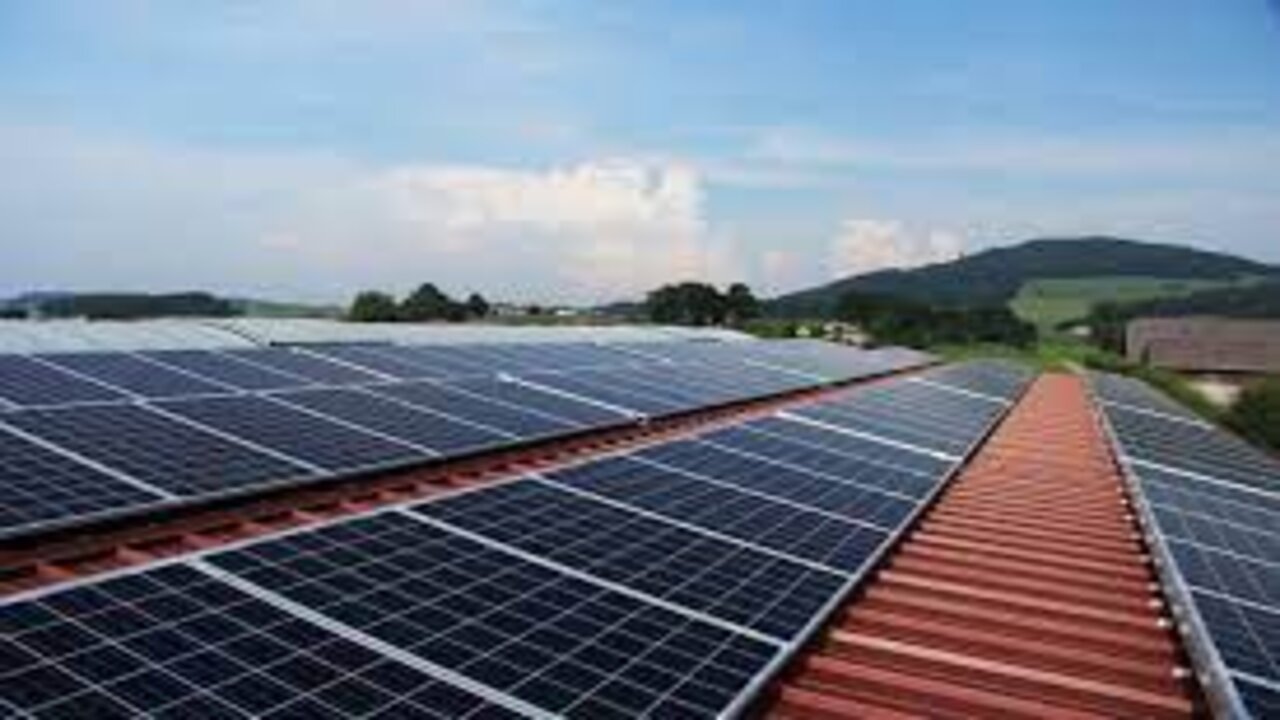

According to a specialized company, imports grew by 193.12%. Among the factors is the reduction of the import tax. On Monday (23), the Ministry of Economy announced a horizontal reduction of 10% in the rates of the same import tax. On the 11th, the government had announced its reduction on 11 products. The ministry then informed that it aimed to make the purchase of these 11 items cheaper. Likewise, last November there was also a 10% reduction in the rates of the universe of products subject to the Common External Tariff (TEC).
With this reduction of import tax, and based on various subsidies offered by public agencies, solar panels are showing increased demand among companies that buy from foreign suppliers. According to information from the Import Report of the 1st Quarter of 2022, conducted by Logcomex, a company that provides big data and automation solutions for foreign trade, the import value of the product grew during this period.
The survey reveals that the sector closed the first three months of the year with US$ 1.4 billion in imports. The result places the segment in fourth position on the list of the most imported during this period and represents an increase of US$ 931.8 million compared to the same period in 2021 – a growth equivalent to 193.12%. In the first half of the previous year, the segment ranked 15th.
“As the government zeroed the import rates of the product, there was an increase in demand for the product, which was reflected in the rise of the import value,” explains Helmuth Hofstatter, CEO of Logcomex. “Likewise, there is an increase in the search for renewable energies, such as solar, boosting the sector,” he adds.
-
At 14 years old, she worked in a factory in Hong Kong, studied economics abroad, and then entered the Chinese real estate market, which helped change the landscape of Beijing.

-
Fired during apartheid and with a little borrowed money, an electrician started with a borrowed truck and transformed electrical services into a group connected to energy, real estate, and infrastructure in South Africa.
-
Wood has ceased to be just a construction material in Yale research and has become insulation for electrical transformers that face intense heat, aging, and increasing pressure from the renewable energy-powered grid.
-
More than 1,000 residents of a remote island in Kiribati now have clean water and electricity with solar systems operated by the community itself.



See the Routine of a Brazilian Working in the Solar Energy Sector in Spain

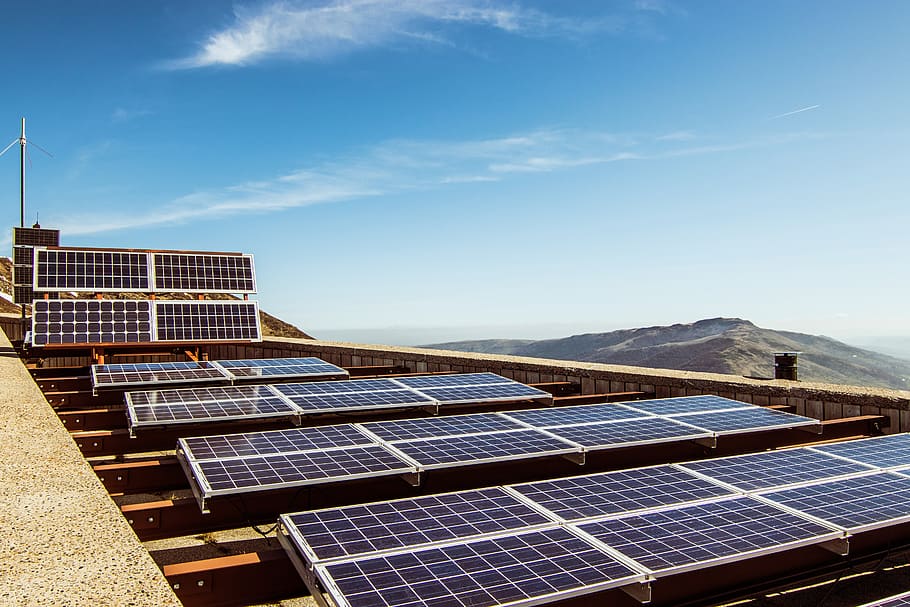
In order to import solar modules or panels, it is necessary to comply with certain regulations: first, correctly fill out the Common Nomenclature of Mercosur 8541.40.32. The NCM is a convention adopted since 1995 by Brazil, Uruguay, Paraguay, and Argentina. It is based on the Harmonized System, designed to improve and expedite international trade growth, facilitating the creation and handling of data. The HS also facilitates international trade processes, as well as the development of freight tariffs and statistical indexes.
In addition to regularizing the nomenclature, it must be ensured that the product has the quality seal from Inmetro, follows the Brazilian Labeling Program (PEB), and complies with the standards of the Single Portal Siscomex.
Coordinated by Inmetro, the PEB provides information about the performance of products, paying special attention to Energy Efficiency. Its objective is to stimulate industrial competitiveness and guide consumer choices, so they make more informed purchasing decisions, considering factors beyond price when acquiring these products.
The PEB is related to Brazil’s energy saving goals. The National Energy Efficiency Plan, PNEf, established a target of 10% reduction in energy consumption through efficiency actions. Besides energy savings, the label data helps balance the consumption relationship, reducing the information asymmetry that exists between buyers and sellers. Thus, suppliers tend to improve the quality of the products offered.
Learn More About Logcomex
Founded in 2016 by entrepreneurs Helmuth Hofstatter Filho and Carlos Souza, Logcomex is a startup that aims to organize information in global trade to transform how companies do business. Offering automation and Big Data products for all links in foreign trade, Logcomex operates on two fronts: commercial intelligence – market information, bringing data from Brazilian imports, for example – and task automation, with organization and centralization of customer information.






