





 Portuguese
 Spanish


Reuters reported on November 11, 2026, that pre-salt Tupi crude was sold at a premium of US$7 to US$8 a barrel over dated Brent for arrival in Asia in January, down from nearly US$20 a month earlier
Brazilian pre-salt Tupi crude was sold at a premium of US$7 to US$8 a barrel over dated Brent for arrival in Asia in January. A month earlier, the premium was close to US$20.
The figure was reported by Reuters on Wednesday, November 11, 2026, in a story by Florence Tan and Siyi Liu, based in Singapore.
The story was republished by CNBC Africa. The Tupi price was provided by a market trader.
-
Mercosur-EU Agreement Halves Brazil Oil Export Tax to Europe, Other Destinations Face Higher Charges

-
India on track to buy about 230,000 barrels per day of Brazilian oil in November, doubling the previous average
-
EU delays methane compliance for imported oil and gas to 2029, giving Brazil two more years as Europe’s top buyer in September
-
Russia’s refinery throughput drops 45% after Ukrainian drone strikes, impacting Brazil’s diesel imports
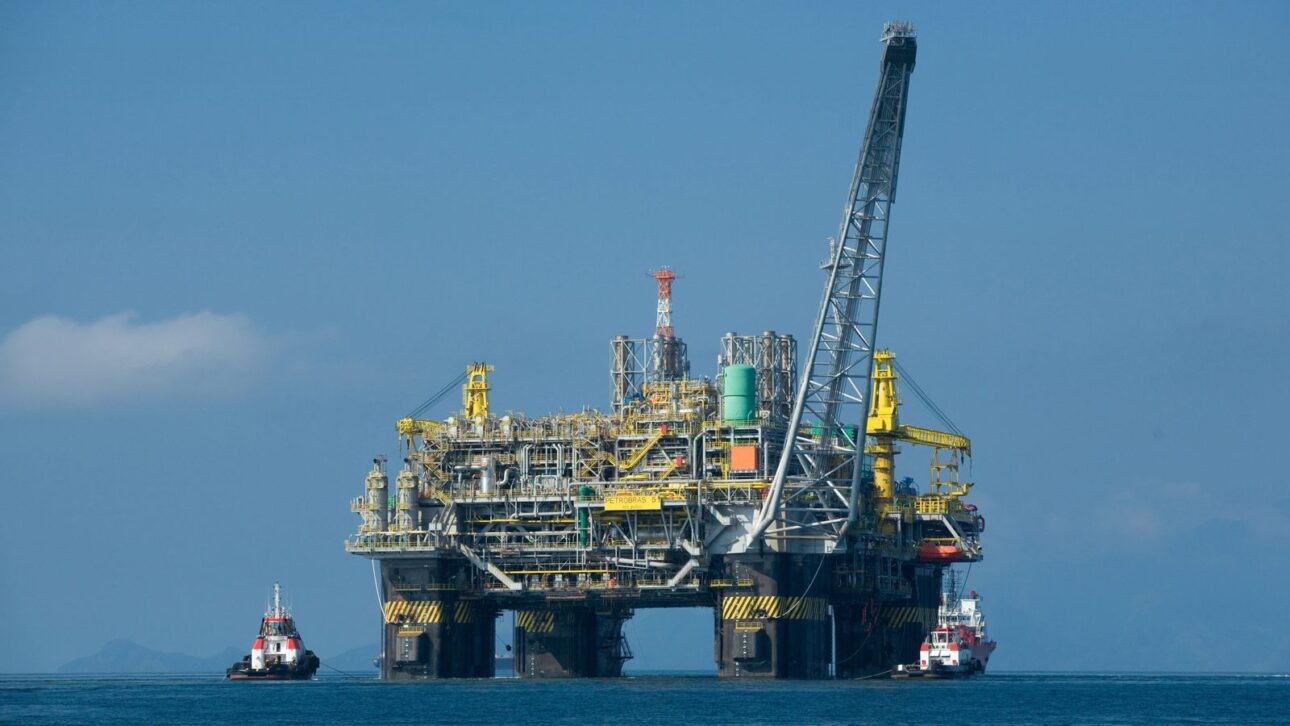


The decline tracks falling freight rates. Rates for VLCC, Suezmax and Aframax tankers have dropped about 50% from their October peak, according to Baltic Exchange data.
For Brazil, the impact is reflected in the cost of Brazilian crude delivered to China. A trader told Reuters that the cost fell by US$5 to US$10 a barrel in one month.
The decline also applies to African crude. With freight costs lower, Asian refineries have resumed buying cargoes from West Africa and Brazil.
Reuters posted on X:
What Tupi’s premium over Brent means
A premium is the amount a buyer pays above a benchmark crude price. For Tupi, the benchmark is dated Brent, a price used in the physical oil market.
The latest deal cited by Reuters was priced at a premium of US$7 to US$8 over December dated Brent. The cargo is scheduled to arrive in January.
A month earlier, offers for Brazilian crude had topped a US$20 premium. Offers for West African crude had exceeded US$40 a barrel.
The lower the premium, the less the seller receives above the benchmark. At the other end of the transaction, the Asian refinery pays less for each delivered barrel.
Why tanker freight rates rose and then fell
Tanker freight rates hit a record in October. Middle Eastern producers increased exports and had to transfer cargo between ships outside the Strait of Hormuz.
The reason was attacks linked to the U.S. war against Iran. With freight rates high, Asian refineries held back on purchases, and spot prices fell.
An October video from Argus Media covers high freight rates and risks to shipping:


More vessels became available after unloading their oil. Wanying Zhang of consultancy Vortexa said vessel availability had improved following the exceptional market squeeze in October.
In a Nov. 9 note, consultancy Energy Aspects wrote that lower VLCC rates on long-haul routes made crude from west of Suez more attractive. Brazil is in that group.
How tanker freight fell on major routes
The Hydrocarbon Processing website reported on Nov. 16 that VLCC tanker freight from the Gulf of Oman to China had fallen 64% by Nov. 13.
The rate reached 308 points on the Worldscale scale. The record was 841 points, set on Oct. 8, according to Baltic Exchange data.
On the route from West Africa to Asia, the decline was even steeper.
The resumption of Gulf exports reduced Asian demand for oil from the United States and the North Sea, along with demand for vessels.
Reuters reported Worldscale rates of 475 and 410 points for Suezmax tankers on the West Africa-to-Asia route, for late November and early December, respectively.
The VLCC rate on the same route stood at 500 points for early December. Reuters noted that the VLCC figure excludes shipments through the Strait of Hormuz.
Delia He, an analyst at brokerage Arrow Shipbroking, said Gulf oil exports had returned to near prewar levels.
In her view, the decline reflects market fundamentals only in part. The rest is an excessive unwinding of the geopolitical risk premium.
Ioannis Papadimitriou of Vortexa explained that as more vessels become available, tanker freight comes under downward pressure.
What lower tanker freight means for Brazilian oil sold to China
With tanker freight cheaper, China’s independent refineries have returned to Brazilian crude. The Hydrocarbon Processing website reported on Nov. 12 that they had made purchases totaling millions of barrels for delivery in December and January.

Beyond freight costs, the refineries wanted to use their annual import quotas before year-end. High prices for Russian ESPO crude also pushed buyers toward long-haul cargoes.
Qicheng refinery bought about 3 million barrels of Tupi and Búzios crude for arrival in January. The premium was about $18 over the March ICE Brent contract.
The sellers of the cargo were Chinese state-owned companies PetroChina and CNOOC. The information came from traders, as the companies typically do not comment on deals.
Jinao Chemical bought about 1.9 million barrels of Sururu and Sépia crude for late December. The premium was about $20 over February ICE Brent.
Hualong took about 900,000 barrels of Sururu, also for late December, at a premium of about $16 over the same contract.
Different pricing benchmarks for Tupi
The premiums on the Chinese deals are based on February and March ICE Brent. The Tupi deal at $7 to $8, reported by Reuters, is based on December dated Brent.
That means the figures are not directly comparable. Hydrocarbon Processing also reported that prices for Brazilian and African crude had fallen amid weak demand tied to higher freight costs.
China’s importance to Brazilian oil
China has historically been the largest destination for Brazilian oil. In September 2026, however, it received 34% of the country’s crude oil exports, behind Europe at 38%.
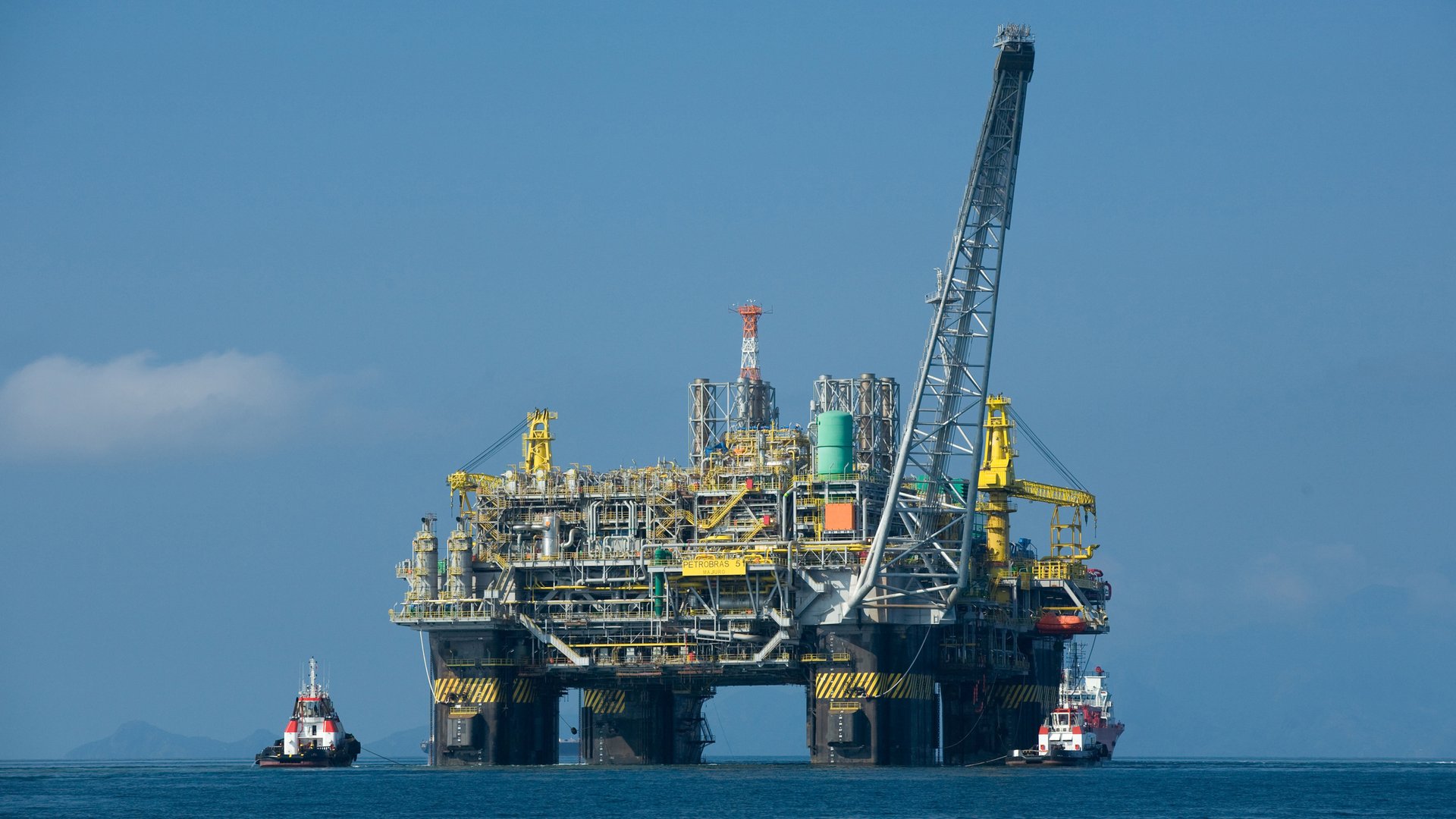
The figures come from Comex Stat, maintained by Brazil’s Ministry of Development, Industry, Trade and Services (MDIC). They were published by Eixos on October 16.
In August, China accounted for 39% and Europe for 29%. Brazil exported 13.75 million cubic meters of crude oil in September.
An InfoMoney video shows Brazil overtaking Saudi Arabia as a supplier of oil to China:

Who bought the most Atlantic oil in Asia
Unipec, the trading arm of China’s Sinopec, bought African cargoes in the week before the report. They included two cargoes of Congolese Djeno crude, priced about US$22 below dated Brent.

An independent refinery in Shandong bought 1 million barrels of Angola’s Plutonio crude at about $15 above ICE Brent. Two weeks earlier, Angolan grades were trading at premiums of more than $20.
South Korea’s SK Energy chartered a Suezmax to carry Gabonese crude to Ulsan in December. Tanker freight on the route reached 380 Worldscale points.
OilPrice summed up these purchases on X:
Chinese independent refineries also switched from sanctioned oil to other sources. The shift came after a U.S. blockade cut off Iran’s exports.
Tanker freight remains above normal
VLCC rates remain high, though below their peak.
Vortexa reported that the number of loaded VLCCs and Suezmaxes headed for East Asia has risen about 15% since early September.
Papadimitriou said the recent peak reduced Asian demand for oil on long-haul routes and, in turn, for VLCCs on those voyages.
Oil prices fell about 20% in November, partly on expectations that the war in Iran would ease, Hydrocarbon Processing reported.
Asian buyers are still booking smaller cargoes of U.S. WTI crude on Aframax tankers carrying 500,000 to 700,000 barrels.
Abu Dhabi’s Murban crude was about $2 per barrel cheaper than WTI.
In the Gulf, exporters continue to conduct ship-to-ship transfers and make untracked crossings, while attacks on vessels are still ongoing.
The premium for Tupi reported by Reuters on November 11 was $7 to $8 per barrel, still against December dated Brent.


