






 Portuguese
  Spanish


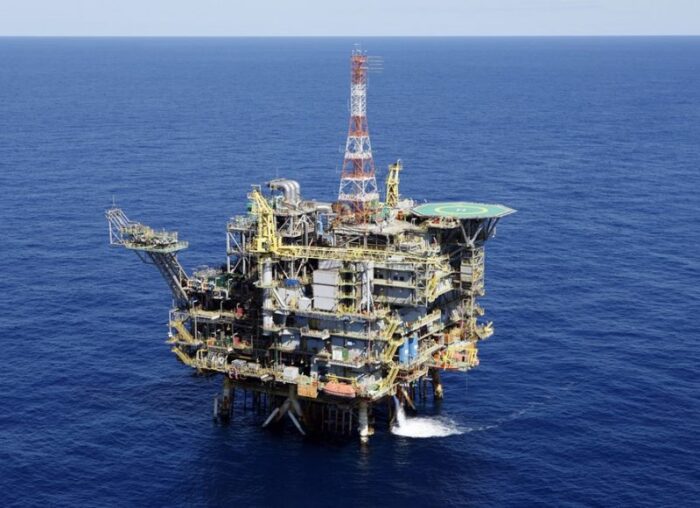


Petrobras Expands Its Fleet and Boosts Offshore Production to Dominate the Oil Market and Challenge International Giants
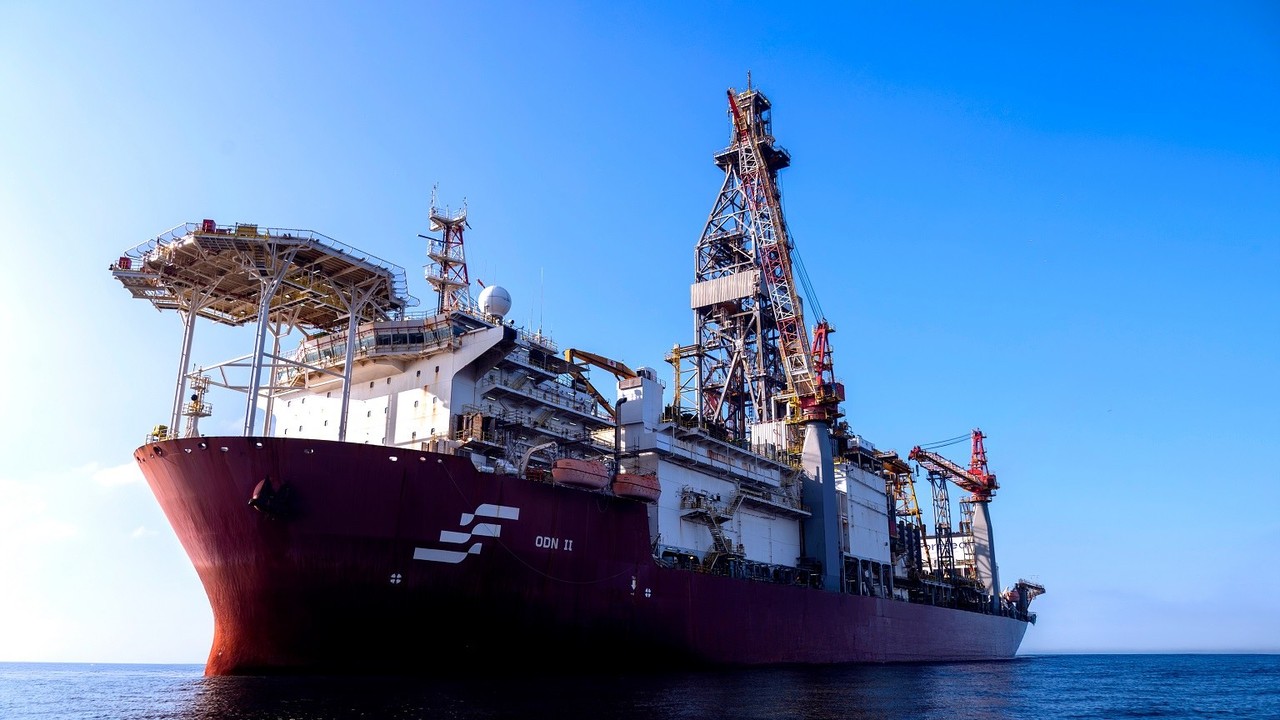
Petrobras is intensifying its offshore operations, adding four support vessels by 2026. With this, the state-owned company will raise its total to 48 units, consolidating its presence in the sector.
The main goal is to boost production in the Búzios field, aiming to reach 2 million barrels per day (bpd) by 2030. This move could establish Brazil as a leading player in the global offshore oil market.
Petrobras Faces Challenges but Remains Steadfast in the Offshore Game
In recent months, Petrobras has faced setbacks. In the fourth quarter of 2024, production fell by 10.5%, reaching 2.63 million barrels of oil equivalent per day (boe/d). The reason? Maintenance shutdowns. Exports also took a hit, registering a 22% decline compared to the previous year.
-
Petrobras Explores Entry into Corn Ethanol Market, Aiming to Become a Biofuel Giant

-
Brazil’s $8.5 Billion Auction Secures New Power Plants to Prevent Peak Hour Energy Shortages
-
Why Gasoline Prices Remain Stable: How Petrobras’ Subsidies and Pricing Policies Control Fuel Costs in Brazil
-
SpaceX Plans 13 km Pipeline to Reduce Truck Reliance and Speed Up Starship Rocket Launches in the U.S.


Another important data point: China, which previously accounted for 44% of Petrobras’ exports, now represents only 30%. Meanwhile, Europe has increased its share, rising from 28% to 38%. According to OilPrice, these figures show that the global oil market is in constant transformation.
Petrobras Reduces Investments but Maintains Strong Bet on Offshore
Despite the challenges, Petrobras continues with robust strategies. The state-owned company has reduced its capital expenditures for 2025, cutting from US$ 21 billion to US$ 17 billion.
However, between 2024 and 2029, the company will invest an impressive US$ 111 billion. Of that amount, US$ 77 billion will be allocated to offshore oil and gas exploration and production activities.
Major Competitors Enter the Brazilian Offshore
Petrobras is not alone in this game. According to Wood Mackenzie, private companies will increase their production by 75% by 2030.
Giants such as Shell, Equinor, TotalEnergies, and Repsol Sinopec Brasil are heavily investing in the Brazilian pre-salt fields.
The pre-salt is a geological formation where oil was deposited before the formation of the salt layer. This creates a natural reservoir that prevents leakage to the surface, ensuring higher quality oil with lower sulfur content.
The Oil Market Remains Volatile
As Petrobras strengthens its fleet and bets heavily on offshore, the market continues to fluctuate. According to OilPrice, oil prices continue their “usual dance.” In February 2025, Brent is priced at US$ 73.32 per barrel, while WTI is at US$ 69.91.
The race for dominance in the Brazilian offshore market is just beginning. Get Ready, Because Petrobras Still Has Many Cards Up Its Sleeve!








Se a mão grande dos políticos não desviar os lucros, iremos avançar ainda mais com o advento da Margem Equatorial…rs