Portuguese
  Spanish


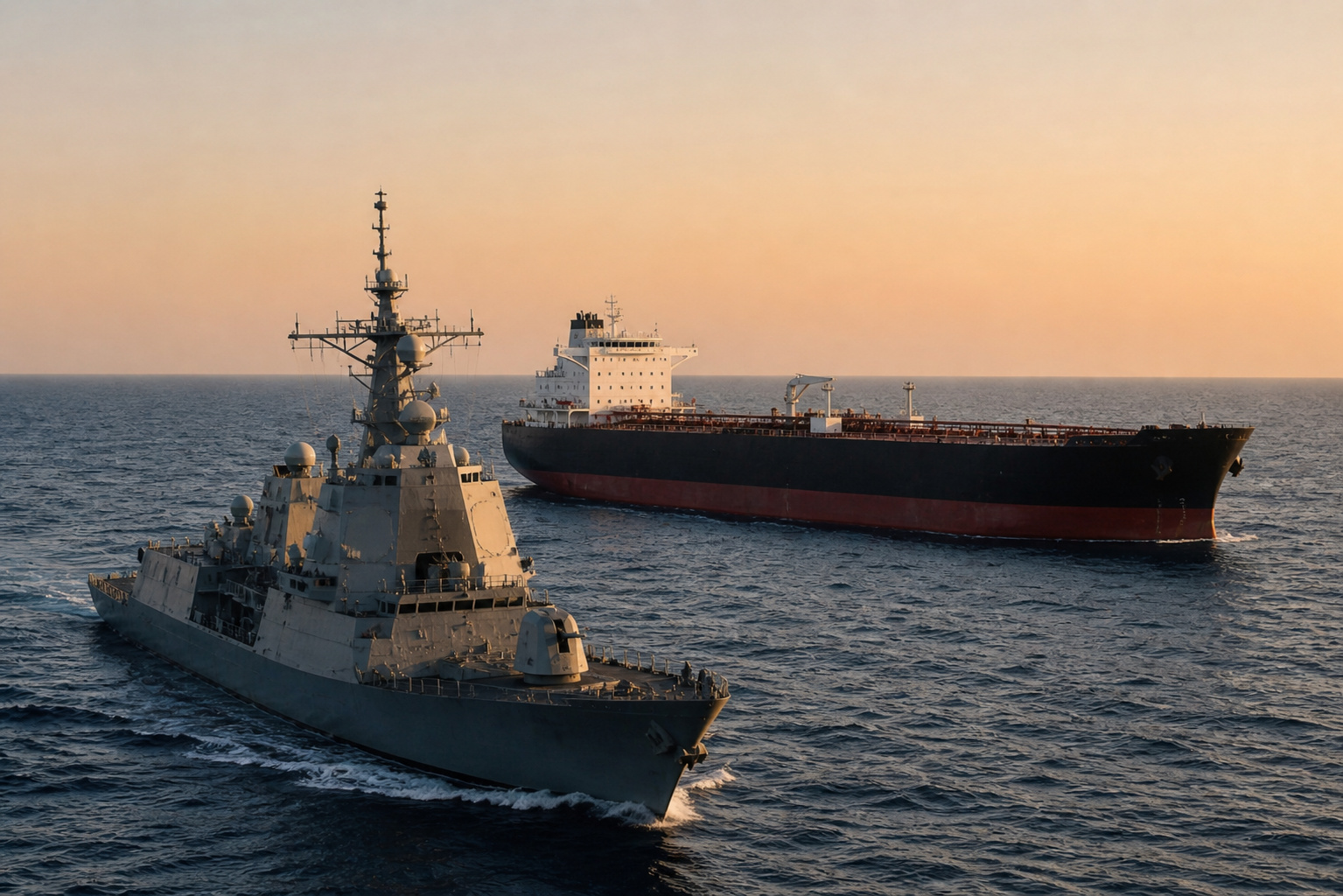

The rise in oil once again caught the attention of the global market after a new episode of tension in the Middle East. This time, the movement was driven by an incident involving a United States warship in the Strait of Hormuz, one of the most strategic regions for energy transport in the world.
As a result, oil prices soared more than 5% in a short period, reflecting increased concerns about possible disruptions to global supply. This scenario reinforces, once again, how geopolitical events have a direct and immediate impact on the energy market.
What happened in the Strait of Hormuz
According to the Iranian agency Fars, the incident occurred when a United States warship attempted to cross the Strait of Hormuz and was hit by missiles after ignoring a warning issued by Iran. This episode quickly raised the level of tension in the region.
-
OPEC+ Boosts Oil Supply by 188,000 Barrels per Day in July 2026, Leading to Price Drop from $112 to $89 per Barrel in Under Two Months

-
TotalEnergies Signs 20-Year Deal to Purchase 2 Million Tons of LNG from Alaska, Boosting Project Viability
-
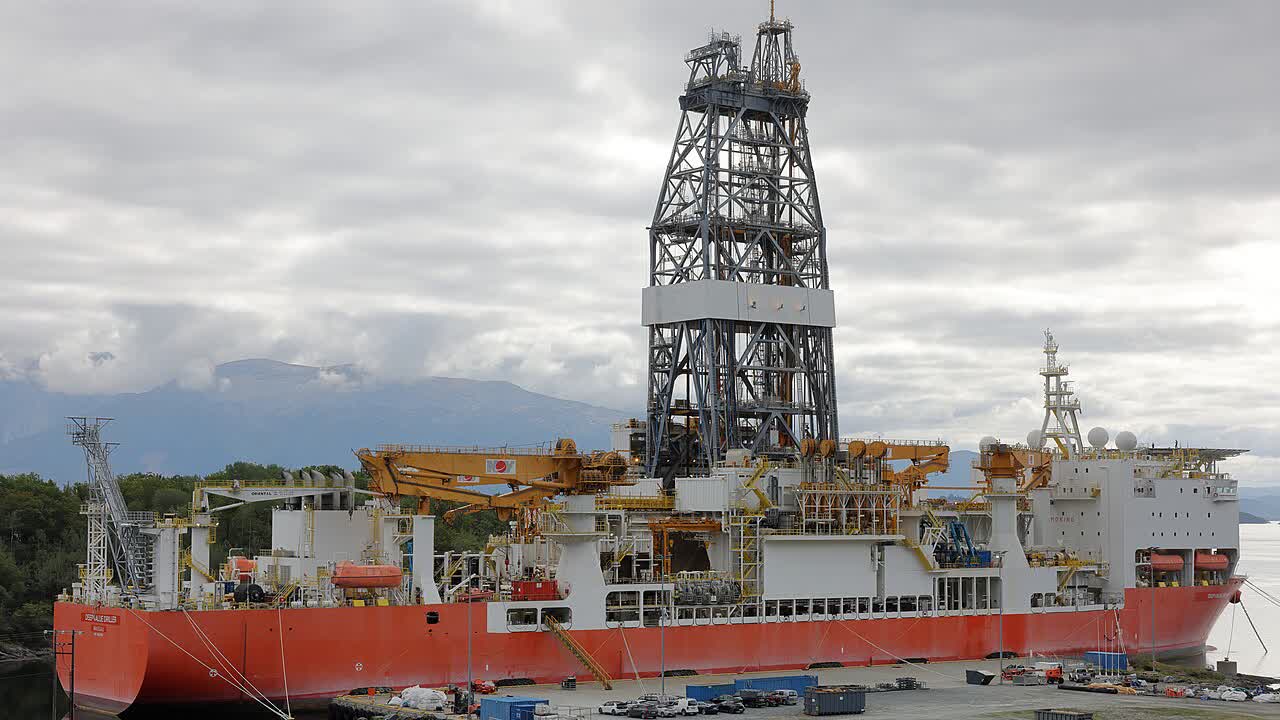
Turkey Deploys Çağrı Bey Drilling Ship to Explore New Oil Frontier Off Somalia’s Coast
-
Golden Pass LNG Ships First Liquefied Gas Cargo from the U.S., Completing $10 Billion QatarEnergy and ExxonMobil Investment


Furthermore, the incident rekindled fears of possible direct confrontations between the two countries. As a consequence, the market reacted almost instantly, reflecting the risk of military escalation.
In this context, investors began to price in a more uncertain scenario, which significantly boosted the rise in oil prices.
Why the Strait of Hormuz is so important
The Strait of Hormuz is considered one of the world’s most strategic routes for oil transport. It connects the Persian Gulf to the rest of the planet, accounting for a significant portion of the global energy flow.
Therefore, any instability in the region tends to generate an immediate impact on prices. When there is a risk of blockade or interruption, the market reacts quickly.
Furthermore, several countries directly depend on this route to import oil. Thus, any threat to the normal flow can cause ripple effects in the global economy.
The immediate reaction of the oil market
After the incident, oil prices registered a rise of over 5%. This movement reflects the so-called “geopolitical risk premium,” which occurs when there is uncertainty about supply.
In other words, investors begin to consider the possibility of scarcity in the near future. As a result, the value of the barrel rises rapidly.
Furthermore, the financial market usually reacts in advance. Even without a concrete supply interruption, the mere risk is enough to generate volatility.
The role of geopolitical tensions in oil prices
The relationship between geopolitics and oil is historical. Unlike other markets, the energy sector is highly sensitive to conflicts, sanctions, and international disputes.
In this sense, events such as attacks, blockades, or military threats directly influence risk perception. The greater the instability, the greater the impact on prices tends to be.
Furthermore, the Middle East holds some of the world’s largest oil reserves. Therefore, any conflict in the region gains global relevance.
Possible impacts on global energy supply
Although there is no confirmation of oil flow interruptions yet, the incident raises concerns about the future of supply.
Should the situation worsen, there is a risk of restrictions on transport through the Strait of Hormuz. This could affect millions of barrels per day, creating a significant imbalance between supply and demand.
Furthermore, companies and countries may adopt preventive measures, such as redirecting routes or increasing inventories. These actions also contribute to higher prices.
International reactions and increased tension
The episode also provoked reactions on the international stage. Several countries began to monitor the situation closely, considering the potential impact on the global economy.
Furthermore, experts warn that the incident could trigger new military or diplomatic responses. In this sense, the risk of escalation cannot be ruled out.
On the other hand, international organizations may try to mediate the situation, seeking to avoid a broader conflict. However, the region’s history shows that resolution is not always swift.
Impacts for consumers and the global economy
The rise in oil prices does not only affect governments and companies in the energy sector. It also directly impacts consumers and the economy as a whole.
When the price of a barrel rises, fuel costs tend to increase. As a consequence, there is an impact on transportation, production, and the cost of living.
Moreover, oil-importing countries may face greater inflationary pressure. This can lead central banks to revise economic policies.

Investor Behavior in the Face of the Crisis
In times of uncertainty, investors seek assets considered safer. However, oil also becomes a focus of attention due to its potential for appreciation.
In this scenario, funds and traders increase their positions in the energy market, which further contributes to volatility.
Additionally, speculative behavior can intensify upward movements, especially when there is a lack of clarity about the next steps in the geopolitical scenario.
What Could Happen in the Coming Days
The future of the market will depend mainly on the evolution of tensions in the Strait of Hormuz. If there are no new incidents, prices may stabilize.
On the other hand, if the situation worsens, there is the possibility of further increases in oil prices. This will depend on factors such as military response, diplomatic negotiations, and the positioning of other countries.
Furthermore, any sign of real supply disruption can generate even more intense movements in the market.
The Role of Information and Official Sources
According to the Iranian agency Fars, the incident occurred after the American ship ignored a warning from Iran. However, as in any conflict situation, different versions may emerge.
Therefore, analysts recommend following official sources and constant updates. The interpretation of facts can directly influence market behavior.
Moreover, the way governments position themselves tends to impact the global perception of risk.


What This Scenario Reveals About the Oil Market
The episode reinforces a fundamental characteristic of the energy sector: its strong dependence on external factors. Unlike other markets, oil reacts quickly to political and military events.
At the same time, this scenario highlights the vulnerability of global energy chains. Even a localized threat can generate impacts on a global scale.
Finally, the situation shows that the balance of the oil market remains delicate. The combination of supply, demand, and geopolitics will continue to be decisive for prices in the coming months.