Portuguese
  Spanish


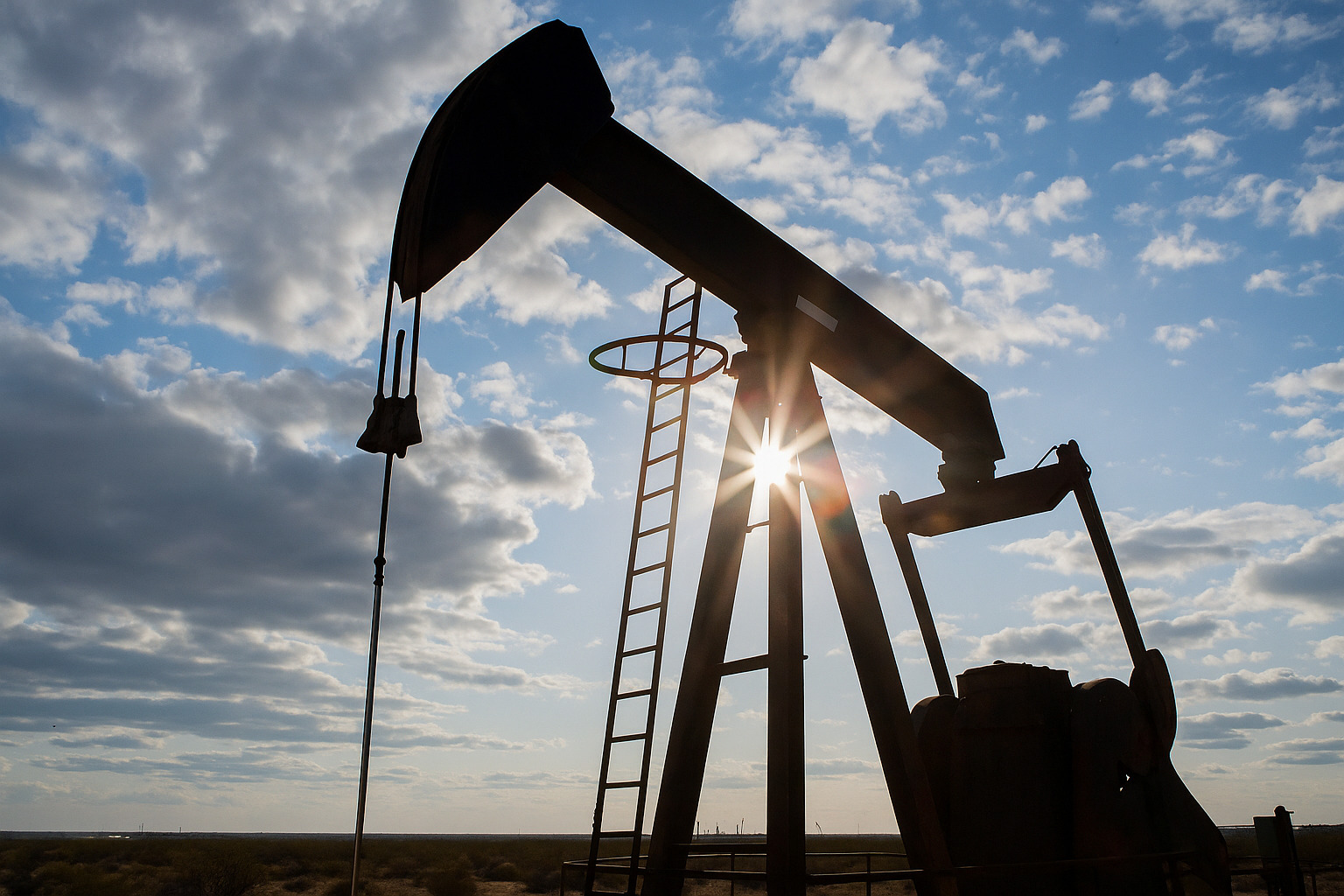

Oil Closes Higher With Russian Attacks And Geopolitical Tensions Driving Global Prices.
The oil closes higher as investors and analysts closely monitor the impacts of recent attacks on energy facilities in Russia. Furthermore, the price increase reflects not only recent events, but also a historical context that shows the vulnerability of oil supply chains in the face of geopolitical conflicts.
In recent years, the global energy sector has reacted quickly to events that directly affected oil production and transportation. Therefore, understanding the factors that shape these fluctuations becomes essential.
Historically, the oil market has always reacted intensely to political and military crises. Since the 1970s, when Middle Eastern crises caused supply shocks, to the more recent conflicts in Ukraine, the relationship between geopolitics and oil prices is evident.
-
Brazil’s ANP Opens 86 New Oil Blocks in the Equatorial Margin, Expanding the Amazon River Mouth Frontier

-
OPEC+ Boosts Oil Supply by 188,000 Barrels per Day in July 2026, Leading to Price Drop from $112 to $89 per Barrel in Under Two Months

-
TotalEnergies Signs 20-Year Deal to Purchase 2 Million Tons of LNG from Alaska, Boosting Project Viability
-
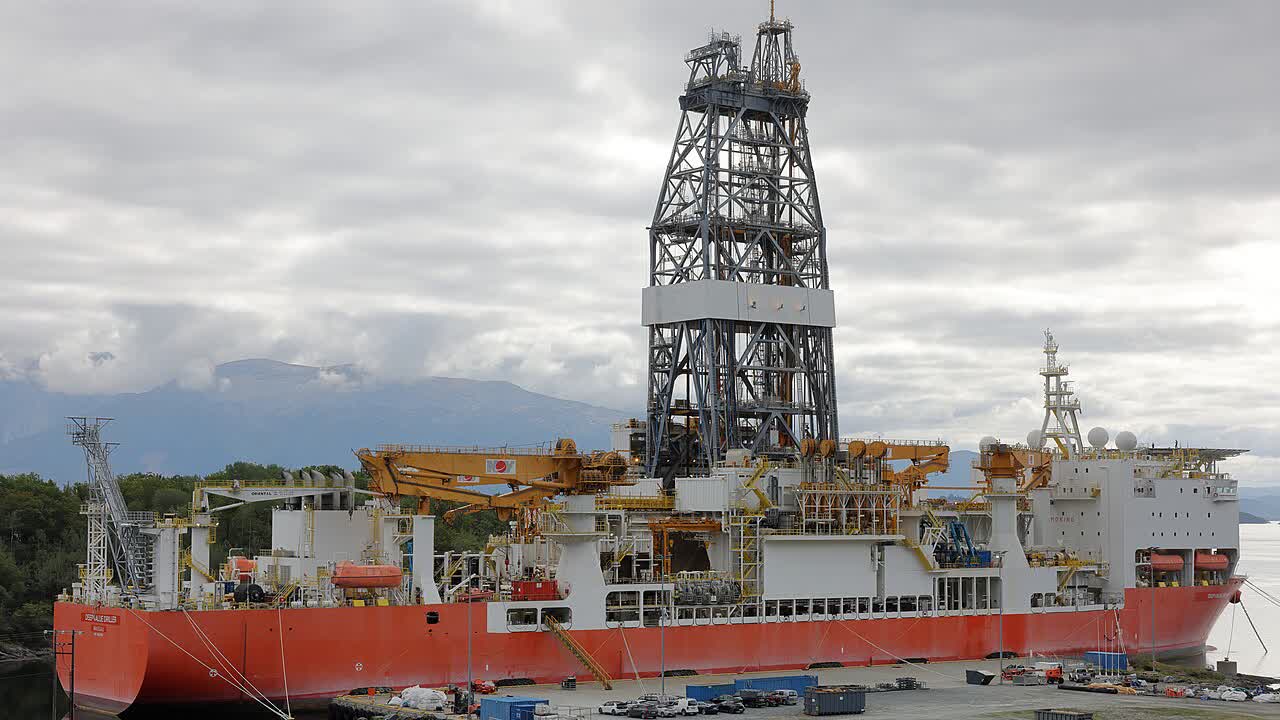
Turkey Deploys Çağrı Bey Drilling Ship to Explore New Oil Frontier Off Somalia’s Coast

Consequently, attacks on refineries, disruptions in ports, and economic sanctions have raised barrel values, reflecting market uncertainty regarding future supply. Thus, the price of oil depends not only on global demand but also on external factors that can abruptly reduce production.
In recent months, investors have shown increasing interest in strategic information about Russia. The dependence on Russian oil in some regions of the world means that any news of conflict or disruption resonates globally.
Additionally, they are closely monitoring oil inventories in major storage centers, such as the ports of Rotterdam, Singapore, and Houston. These inventories absorb temporary impacts on supply but do not eliminate concerns about prolonged crises.
Impact Of Recent Attacks In Russia
The Ukrainian drone attacks on Russian refineries, including the processing unit in the city of Kirishi, have brought the subject back to the forefront. Russia, as one of the largest producers and exporters of oil in the world, plays a central role in the stability of the global energy market.
Consequently, disruptions in its refineries or export ports immediately raise international prices. The Kirishi refinery processes approximately 355,000 barrels per day, accounting for about 6.4% of national production.
Therefore, localized events resonate globally, reinforcing the supply and demand cycle that keeps investors attentive to every news piece about Russia.
The market also reacted to political statements. Former U.S. President Donald Trump urged NATO countries to suspend oil purchases from Russia.
The combination of infrastructure attacks and international political pressures creates an uncertain scenario that directly affects investor confidence. When the risk of oil shortages increases, even temporarily, prices rise, reflecting the typical behavior of a market sensitive to external events.
Beyond immediate issues, it is important to understand the broader context. The oil closes higher as the global energy transition slowly consolidates, but still relies heavily on fossil fuels.
Consumer countries seek diversification of sources, but much of the energy matrix remains based on oil, especially for transport and heavy industries. Thus, supply shocks, such as the recent attacks, impact the global economy, from rising fuel costs to indirect effects on industrial production.
In recent years, the geopolitics of oil has become even more complex. The growing rivalry between major powers, strategic alliances, and economic sanctions influence the decisions of producers and consumers.
On the other hand, countries that previously depended heavily on Russian oil are seeking alternatives. They are securing long-term contracts with producers in the Middle East, Africa, and Latin America. This reconfiguration of the global market increases volatility, even in periods of relative stability in demand.
Infrastructure Security And Technology
Ukraine has intensified attacks on Russian oil infrastructure, including the Primorsk export terminal, which handles about 1 million barrels per day.
These attacks, though localized, show how modern warfare utilizes specific technologies, such as drones, to target strategic assets and affect the energy market without large-scale direct confrontations.
As a result, the history of oil wars shows that energy infrastructure security plays a crucial role in the stability of global prices. This influences the decisions of investors and governments.
The future oil contracts directly reflect this dynamic. Brent, an international benchmark, recently closed at US$67.44 per barrel, while U.S. WTI reached US$63.30.
These values indicate not only the current supply but also expectations of future disruptions. Thus, when investors perceive a risk of shortages, even temporary, the market reacts in advance, raising prices.
This historical behavior shows that oil, beyond being a physical commodity, also functions as a financial asset sensitive to news, politics, and geopolitical events.
Another relevant factor is the influence of climate and environmental policies. As countries announce emission reduction targets, such as carbon neutrality commitments, investors adjust their projections about future oil demand.
Additionally, they evaluate not only immediate events but also medium and long-term trends, considering that the energy transition may gradually reduce reliance on fossil fuels.
Furthermore, investors are monitoring medium and long-term trends. The global demand for oil, historically linked to industrial expansion and increased energy consumption, keeps the market firm even in the face of temporary crises.
Therefore, political and military instability can accelerate changes in strategic stock policies, encourage energy alternatives, and stimulate the transition to renewable sources. Thus, while oil remains an economic reference, its role evolves in a society seeking greater energy security and sustainability.
Global And Economic Repercussions
The attacks on Russian refineries affect more than just Russia and the U.S. European, Asian, and Latin American countries are closely following every news piece.
Any disruption in global supply alters fuel prices, logistics, and the economy. Historically, periods of instability in Russian production led to adjustments in oil contracts and moved strategic reserves in different regions, showing the interconnectedness of the international energy market.
In economic terms, the rise in oil prices generates mixed effects. For producer countries, it increases revenue and strengthens foreign reserves. For importers, it raises production and transportation costs, putting pressure on inflation.
Therefore, the oil market functions as a relevant indicator not only of the energy economy but also of global economic health.
The increasing use of technology in oil security and monitoring also influences the market. Drones, satellites, and energy intelligence systems make the market more informed. However, they also increase sensitivity to specific attacks.
Each decade, new threats and solutions emerge, directly impacting price volatility.
Moreover, economic growth in emerging countries, especially in Asia, increases oil demand, reinforcing investors’ attention to the balance between supply and consumption.
Thus, the combination of increasing global demand and geopolitical instability explains part of the strength of the recent upward movement. This shows that the oil closes higher is not the result of an isolated event, but of multiple interconnected factors.
Oil Closes Higher: Impacts
Therefore, when it is stated that oil closes higher, it is necessary to understand that it is not just a point variation in price. Various historical, political, technological, and economic factors shape the behavior of the global market.
Attacks on strategic facilities, international political pressures, and expectations of future supply keep investors attentive and prices in constant motion.
The recent rise in oil prices highlights how geopolitical and historical events influence the energy market. Attacks on Russian refineries, coupled with political statements from influential countries, show that production security and global supply balance continue to be decisive factors.
Thus, investors, governments, and consumers maintain their focus on oil, reflecting its historical and contemporary importance as a strategic commodity, energy source, and global economic indicator.