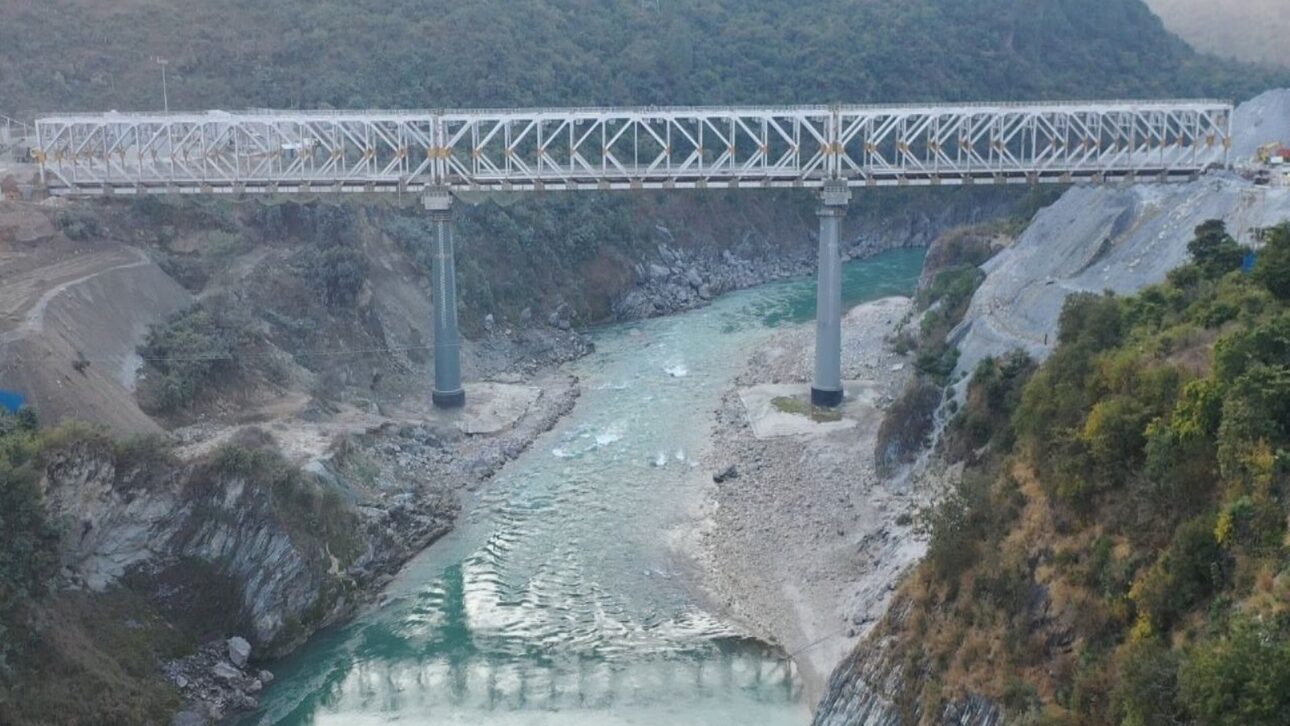

Railway engineers at Rail Vikas Nigam Limited broke through Tunnel-14, a 6.59-km bore in Uttarakhand’s Rudraprayag district, after digging part of it beneath inhabited areas with only 20 to 30 metres of loose soil overhead, a key step for the 125-km Rishikesh-Karnaprayag tunnel network in the Himalayas.
The breakthrough came on Friday, November 27, 2026, according to The Indian Express, which described it as an engineering milestone for the state-owned company that reports to India’s Ministry of Railways.
Tunnel-14 measures about 6.59 km. Its excavation had to deal with loose soil beneath inhabited areas, unstable slopes and the need for controlled blasting to reduce risks to nearby settlements, the newspaper reported.
Digging under houses with little rock overhead
According to RVNL, one of the hardest sections was a 110-metre stretch of the triple-track tunnel at Portal-1, known on site as T14P1, where the bore had to pass through loose soil instead of solid rock.
-
Developer Lawrence Zheng wants to stack factory-built steel modules 71 storeys high in Parramatta, Sydney, in a $607 million modular tower with 1,152 rental homes that his company Freecity says would be among the tallest of its kind in the world

-
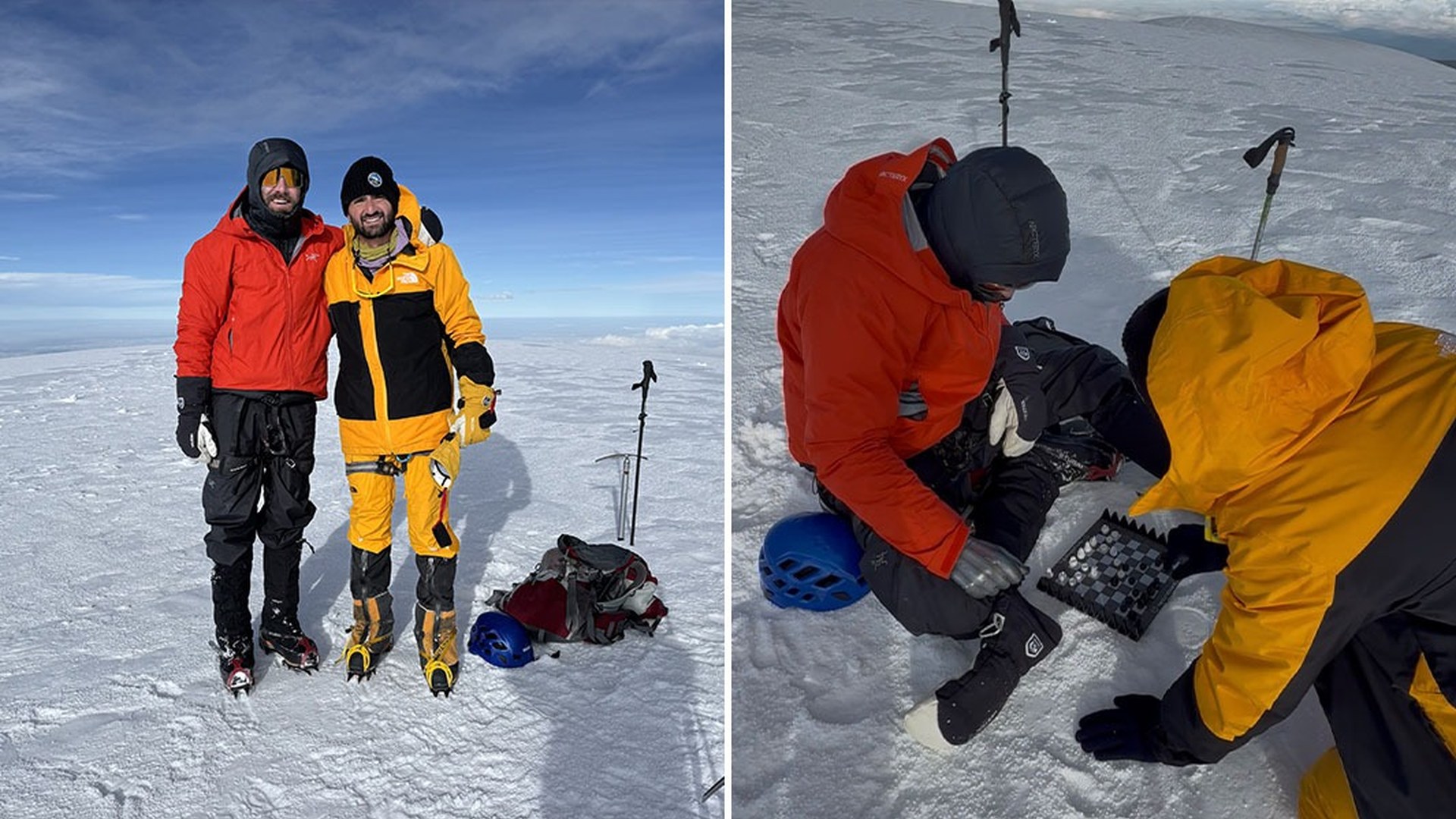
Best friends Adam Wininger and Joshua Host climbed Ecuador’s Chimborazo to 6,277 m (20,593 ft) and played chess on the summit in gloves, and Guinness World Records now lists it as the highest altitude for playing a board game, 200 ft above the old mark
-
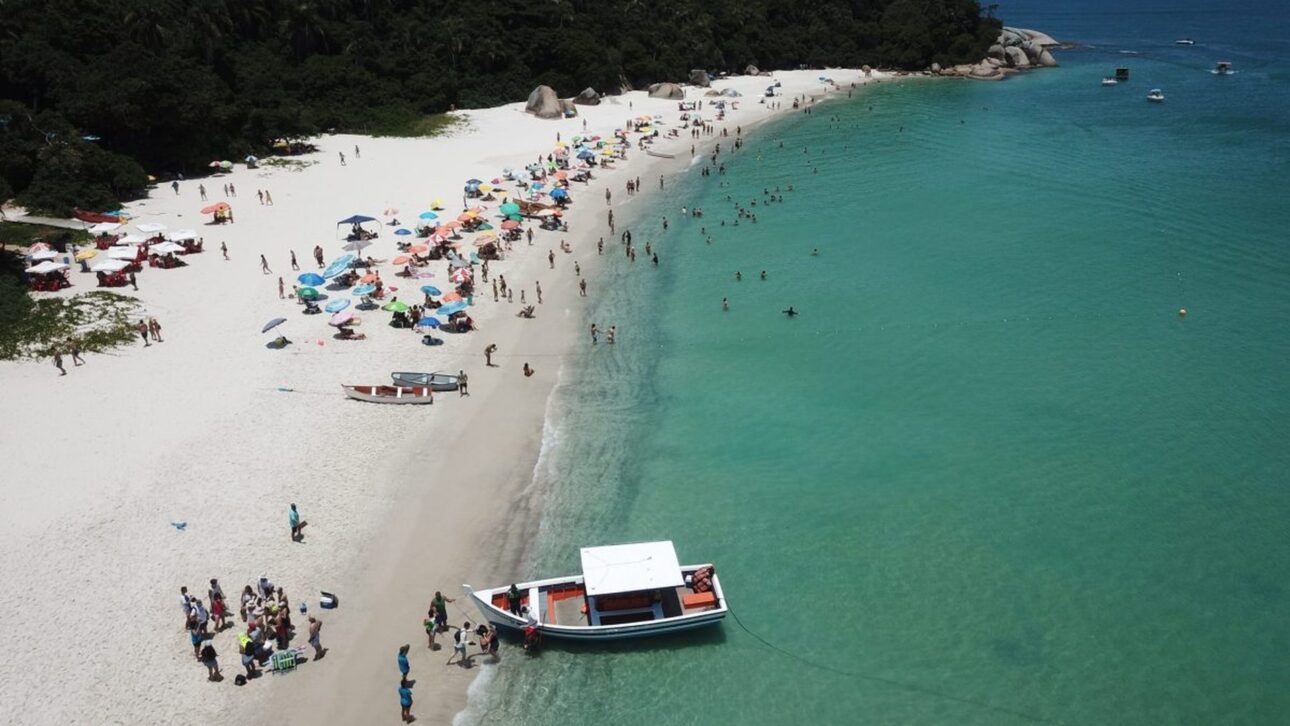
Campeche Island, the Brazilian Caribbean, imposes doubled entry fee of R$35 this summer, capping visitors at 800 daily

-
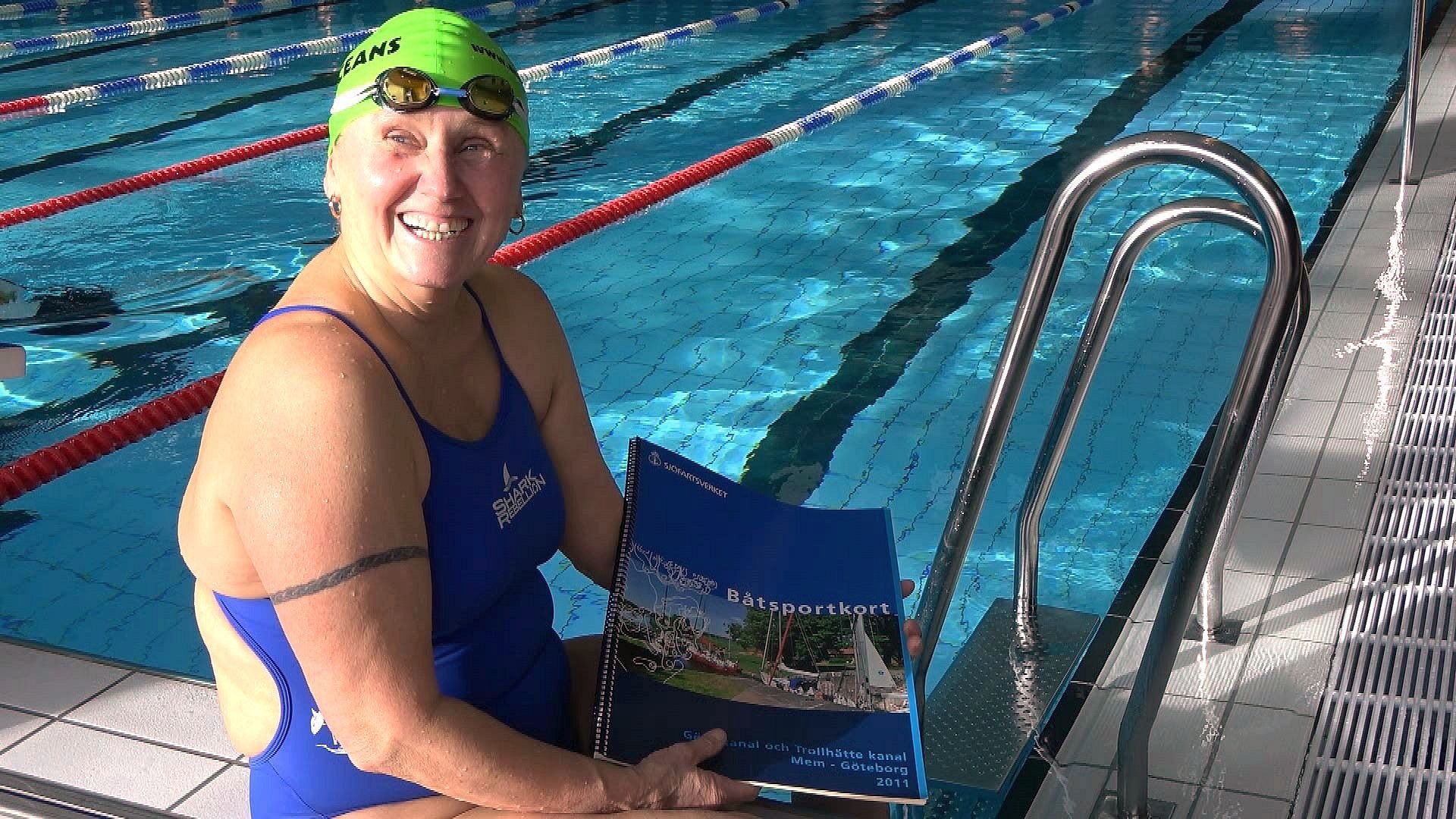
Swedish lifeguard Anna-Carin Nordin swam the full 190 km of the Göta Canal through 58 locks in water of 12 to 14°C wearing only a swimsuit, cap and goggles, and Guinness World Records now lists it as the fastest female stage swim of the canal

At that point the overburden, the material between the tunnel crown and the surface, was only 20 to 30 metres thick. Because the alignment runs beneath inhabited areas, the work had to protect the houses sitting above the bore.
Engineers responded with pre-excavation and multi-drifting, RVNL said. Multi-drifting splits a large tunnel face into several smaller headings that are opened one at a time, so less unsupported ground is exposed at once.
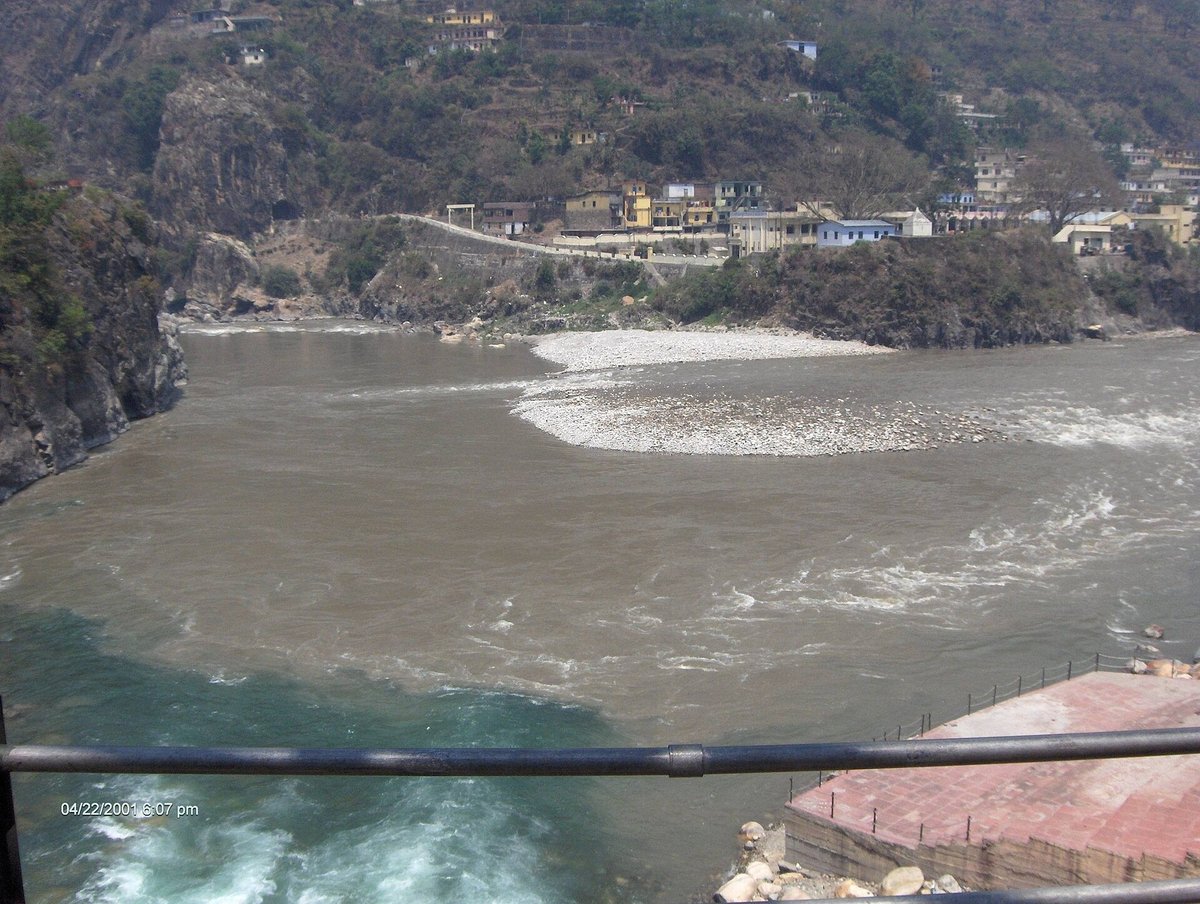
A slope that kept moving at the other portal
The second entrance, Portal-2 or T14P2, brought a different problem. In the Marora area the team faced slope instability and ground settlement, according to the company’s account carried by The Indian Express.
To hold the hillside, crews drove micropiles to depths of 30 to 35 metres, installed rock bolts 15 to 20 metres long and injected consolidation grout, a cement mixture pumped into the ground to bind loose material together.
Fresh air for a 4.7-km drive
Working that deep inside a mountain also required a steady supply of air. RVNL said that “specialized ventilation systems were deployed for fresh air supply and temperature regulation throughout the 4.7 km Portal-1 drive.”
That means the crews advancing from the first portal covered about 4.7 km of the tunnel’s length from one side, a long distance to keep ventilated in a single heading under Himalayan cover.
A rail line that runs mostly underground
Tunnel-14 is one piece of the Rishikesh-Karnaprayag new line, a 125-km broad-gauge railway being built at a total cost of Rs 37,119 crore, The Indian Express reported. The project was sanctioned in India’s Union Budget for 2010-11.
The route crosses the Dehradun, Tehri Garhwal, Pauri Garhwal, Rudraprayag and Chamoli districts and is meant to link the pilgrimage towns of Devprayag and Karnaprayag with Rishikesh and, through the national network, with New Delhi.
Most of that distance is underground. The project includes 16 main tunnels spanning about 104 km and 12 escape tunnels covering around 98 km, according to the newspaper. A government backgrounder from the Press Information Bureau gives the main tunnels as roughly 105 km.
How close the excavation is to the finish
RVNL Chairman and Managing Director Saleem Ahmad recently said the project had reached 79% overall progress, with about 97% of the tunnel excavation completed, and that the line is targeted for completion by December 2029.
The Press Information Bureau puts the figure another way: 199 km of tunnelling completed against a total scope of 213 km. The two sources may be measuring progress on different bases.
The 14.58-km tunnel that came before
The project already holds a national record. In May 2026, The New Indian Express reported that Tunnel 8, about 14.58 km long between Devprayag and Janasu, had become India’s longest railway tunnel.
The PIB backgrounder says Tunnel T-8 was where Indian Railways used a tunnel boring machine in Himalayan geology for the first time. Elsewhere on the line, the New Indian Express reported, crews used the New Austrian Tunnelling Method in more fragile ground.
“Building in this Himalayan stretch has been exceptionally challenging,” Himanshu Badoni, Chief Project Manager at RVNL, told that newspaper in May, citing constant water leakage, high pressure and limited access inside the mountain.
A schedule that has already moved
The same May report said the line was expected to be completed by 2028. The December 2029 target now cited by RVNL’s chairman shows that the timeline has shifted since then, even as the tunnel count keeps climbing.
The PIB backgrounder says advanced tunnelling techniques and continuous monitoring have been adopted on the project to limit the ecological impact while keeping the tunnels safe and stable over the long term.
What the tunnels are meant to change
Once the line opens, it is expected to improve connectivity to the Himalayan region, ease access to the Char Dham pilgrimage destinations and strengthen links toward the border, The Indian Express reported.
The newspaper also said the railway should boost tourism and local economies and significantly reduce travel time across the hill districts it crosses.
Indian Railways is also pushing other big projects, such as the homegrown B28 bullet train tested in Bengaluru, while tunnel crews abroad have marked milestones like the Metro Line 4 breakthrough in Cairo.
Would a train ride through more than 100 km of Himalayan tunnels feel like a safer way to reach the Char Dham shrines?