





 Portuguese
  English
  Spanish
  3 min of reading


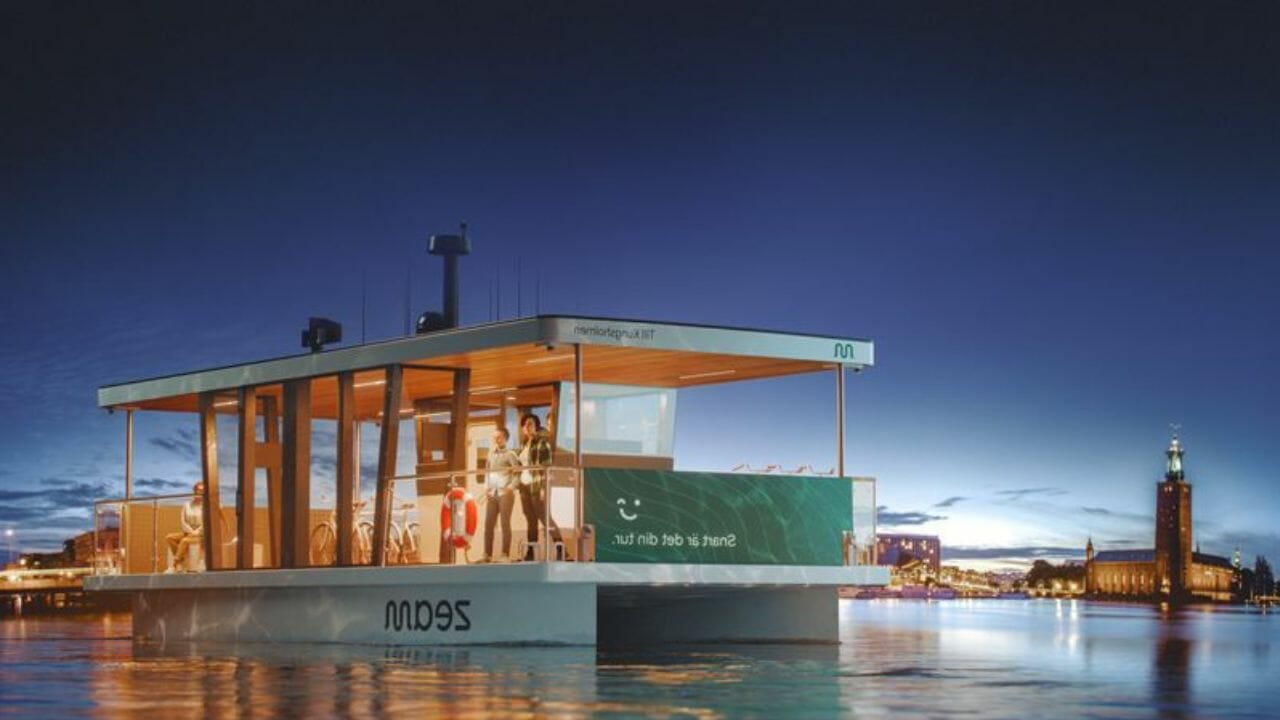
Vessels Are The Main Means Of Transportation In Coastal And Aquatic Areas, Making Maritime Transport Essential For Trade And Tourism Worldwide.
With the advancement of technology, vessel automation has become a reality, and the launch of the world’s operational maritime transport, MF Estelle, is proof of that. MF Estelle is an autonomous electric ferry for 25 passengers that will soon begin commercial service on a short route in Stockholm, Sweden, becoming the world’s first fully operational autonomous ferry.
Initially, the ferry will have an operator on board, but the end goal is to make it fully autonomous, monitored from the shore. Regular operations of MF Estelle are scheduled to start on Monday.
The Autonomous Ferry Technology
The development of technology and automation in vessels has been growing rapidly, and the MF Estelle autonomous ferry is an example of recent advancements in the sector. With electric capabilities, autonomy, and advanced digital security, the ferry has the potential to inspire alternative modes of transport, providing a solution to traffic congestion in coastal areas and stimulating maritime innovation.
-
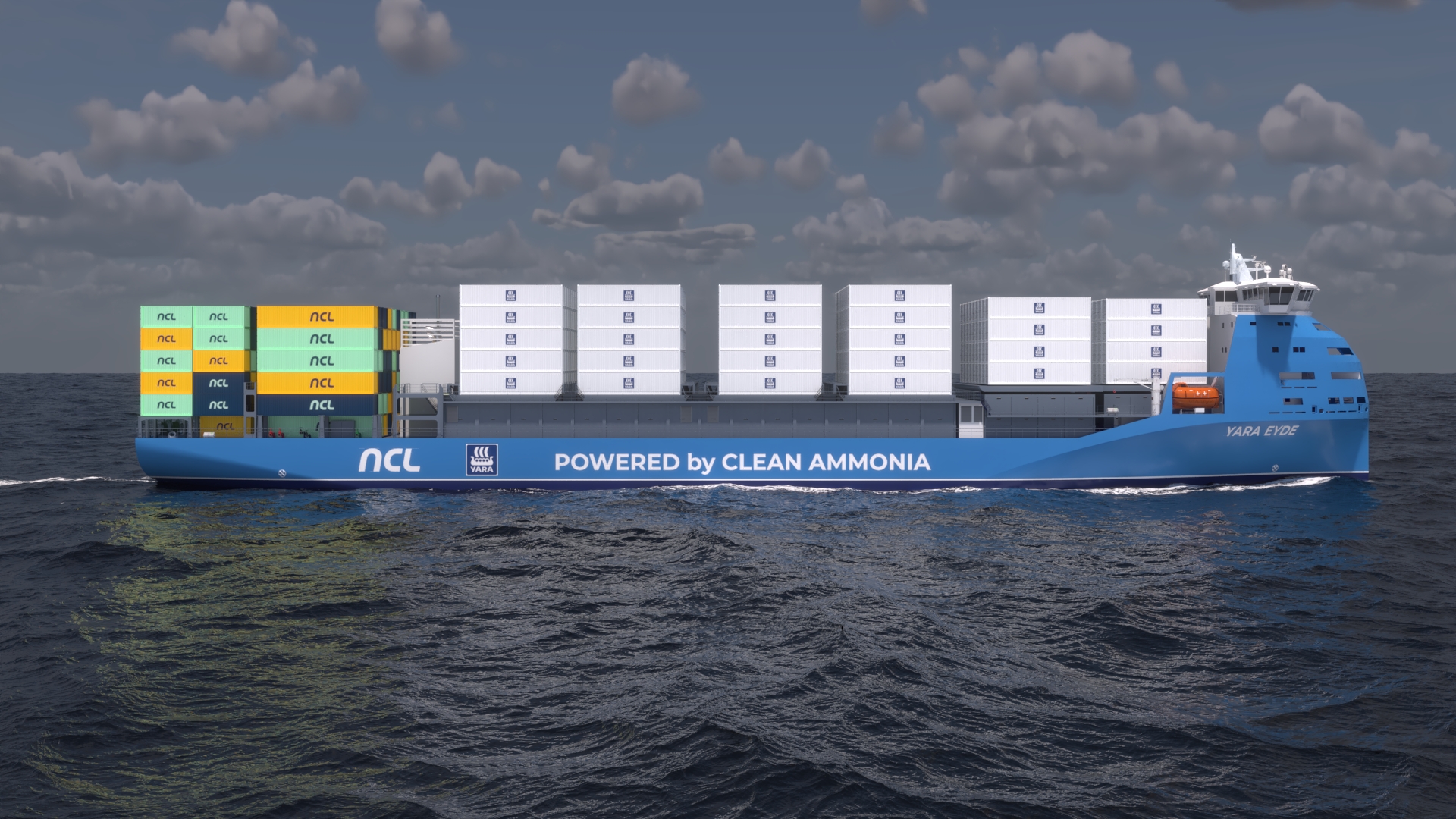
The world’s first container ship powered by renewable ammonia promises to avoid around 11,000 tons of CO₂ per year. The vessel, scheduled to operate in 2026, will connect Norway, Germany, and the Netherlands on one of the shortest and most strategic routes in Europe.
-
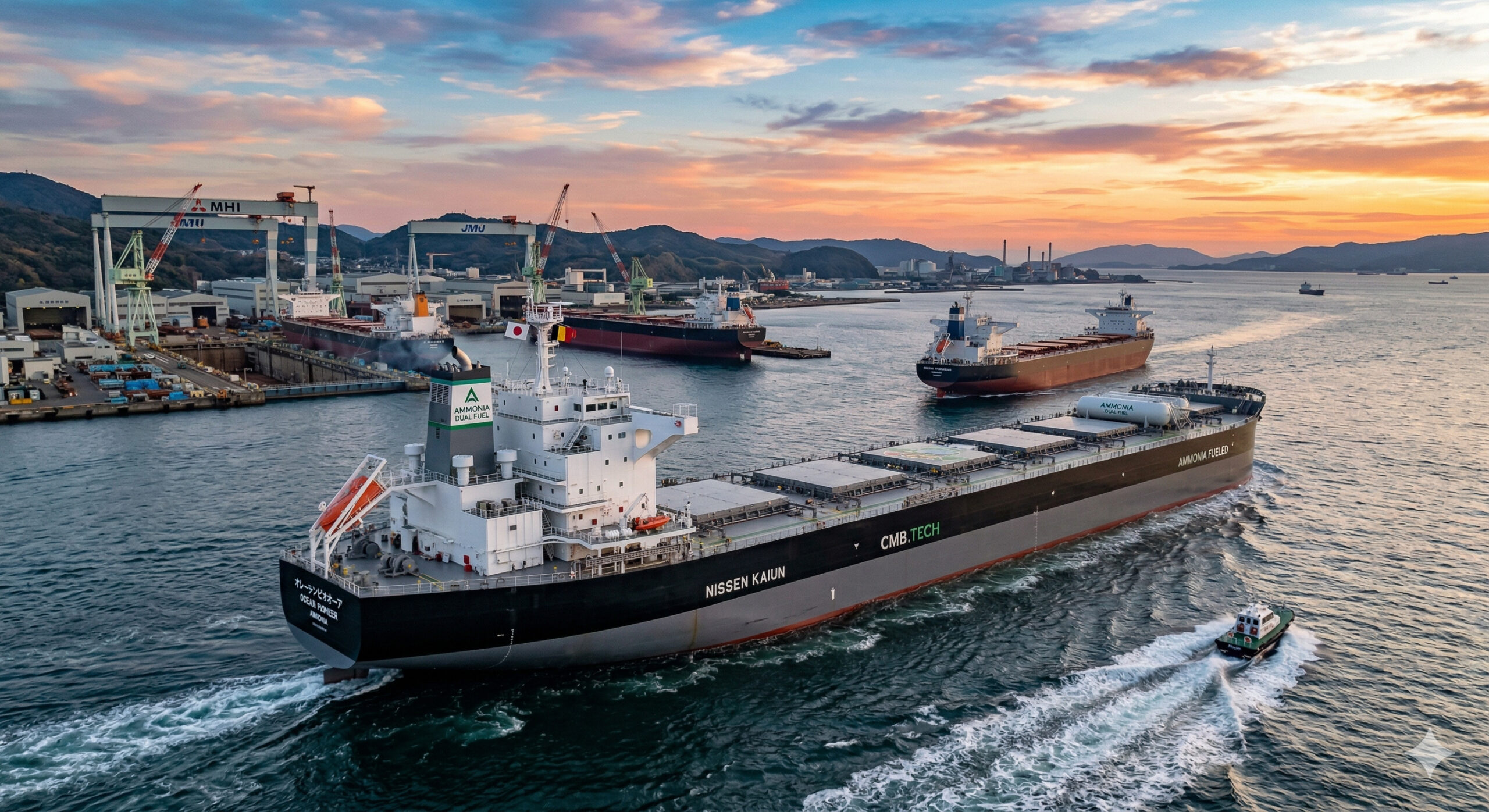
Nine giant ships of up to 210,000 gross tons equipped with dual fuel ammonia engines are being launched by Japan and Belgium. The project includes the world’s first Capesize vessels using this fuel, with contracts of up to 12 years, marking the beginning of a carbon-free ocean fleet starting in 2026.
-
Lack of workers and an aging population: Japan bets on AI robots in factories, logistics, and infrastructure to keep the economy and essential services active.

-
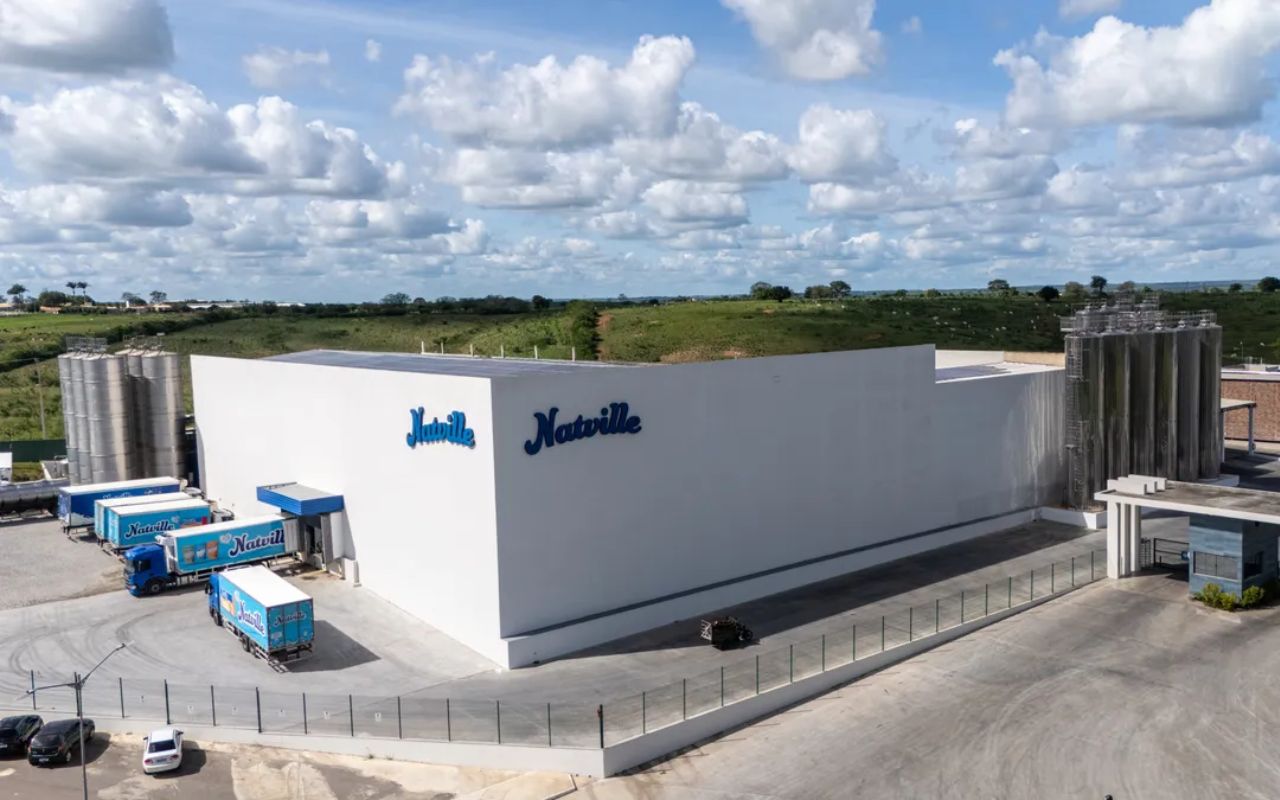
Natville puts R$ 700 million on the table for new factories in the Northeast, generating jobs and boosting the local economy.
The use of technology in autonomous electric ferries enables the connection of communities in a cost-effective and sustainable way, not just in Stockholm but in a large number of cities with navigable waters around the world. This is because technology allows the creation of “virtual bridges” between cities, connecting communities and making maritime transport more efficient.
Zeabuz, a Norwegian maritime technology company responsible for developing MF Estelle’s technology, envisions the use of its technology in cities around the world, enabling the creation of a network of autonomous electric ferries. Erik Dyrkoren, CEO of Zeabuz, emphasizes that “the launch of this service marks a significant step toward realizing this vision.”
Benefits of Automation in Vessels
Automation in vessels has several benefits, ranging from efficiency to safety. With the use of advanced technology, autonomous electric ferries can perform routine operations more quickly and accurately, with fewer human errors and less external interference.
Additionally, automation in vessels can significantly reduce operational costs, making maritime transport a more viable option for trade and tourism. The autonomous ferry MF Estelle is an example of these benefits, as it is a sustainable and green solution, providing an alternative to traffic congestion and paving the way for future advancements in the industry.
Future Prospects
The MF Estelle autonomous ferry is one of the first autonomous electric vessels to operate on a commercial route, and its operation could be a starting point for a revolution in maritime transport. With technology constantly evolving, the next generations of autonomous electric ferries are likely to become smarter and more precise, using artificial intelligence and machine learning to further enhance autonomous navigation.
The MF Estelle autonomous ferry is a maritime innovation that has the potential to revolutionize maritime transport worldwide. With its advanced technology, it can make maritime transport more efficient and sustainable, offering an alternative to traffic congestion and inspiring innovation in the industry. The future of maritime transport is promising, and autonomous electric ferries are at the forefront of this revolution.










Seja o primeiro a reagir!