Portuguese
  Spanish


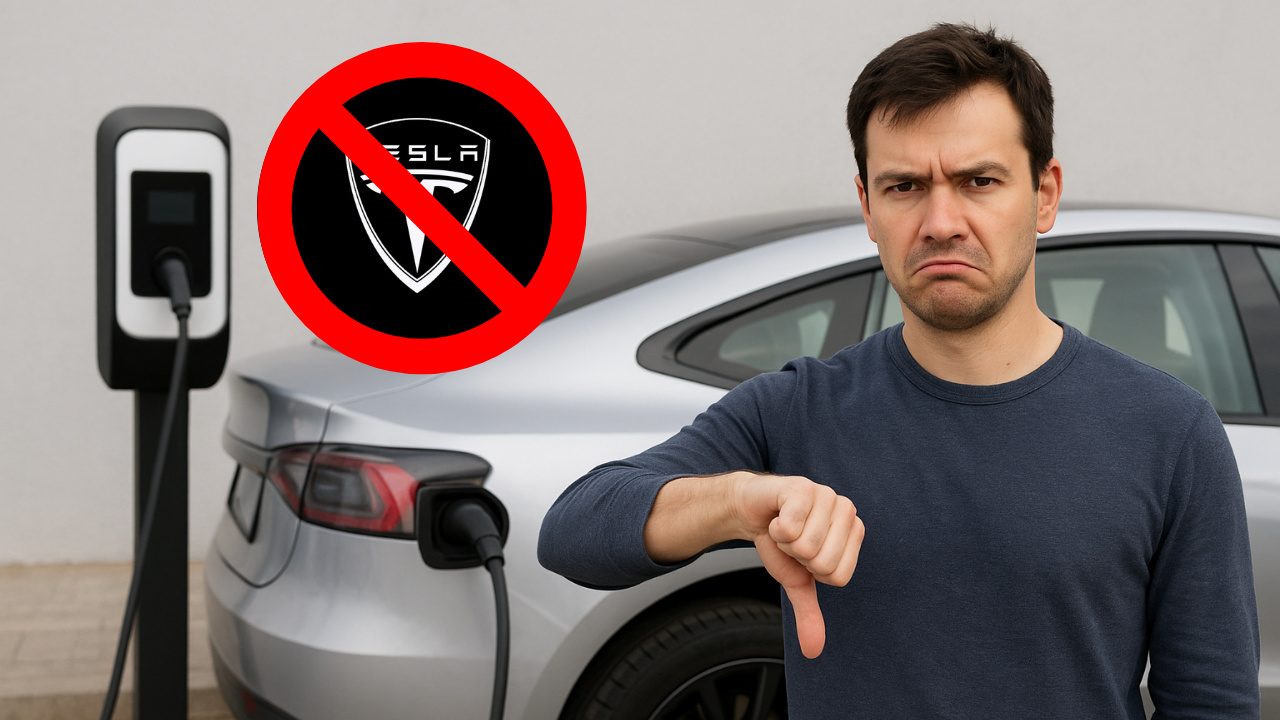


Despite More Public And Reliable Chargers, Non-Tesla EV Owners In The US Are Increasingly Dissatisfied With Prices And Accessibility. Understand The Impact Of Tesla On The Sector.
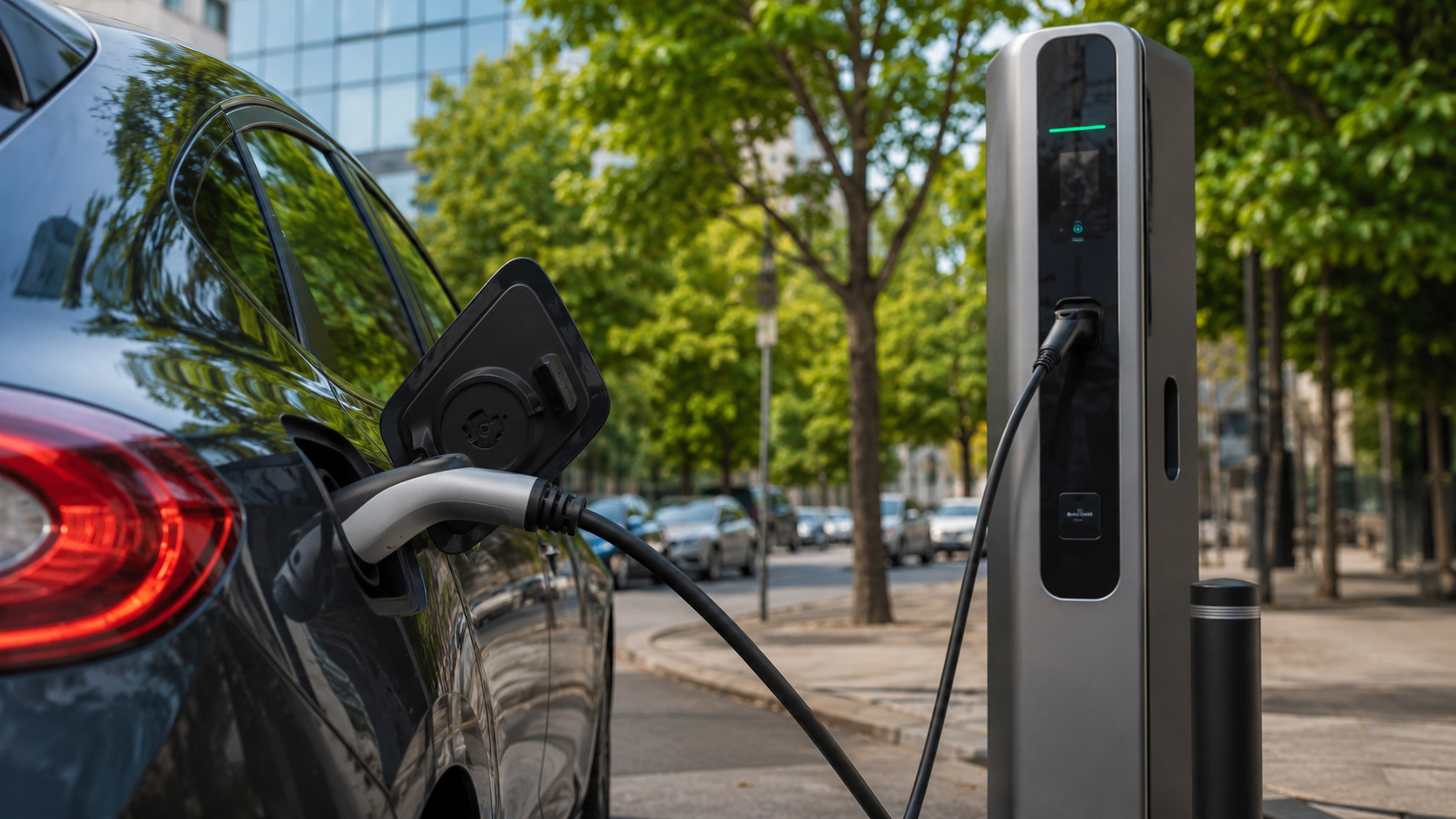
The market for electric cars in the United States is expanding, and public charging infrastructure is keeping pace with this trend. There are more high-power points and they break down less often, but paradoxically, driver satisfaction is declining. The main reason: the cost of charging, especially for those who do not own a Tesla.
According to the latest study by J.D. Power, despite improvements in charger reliability and network expansion, the user experience of vehicles from other brands still leaves much to be desired.
Tesla Leads, But Creates A Rapid Charging Monopoly
The consumer consultancy explains that more than half of the high-power chargers in the US belong to Tesla, the famous Superchargers. As a result, owners of electric cars from other brands end up using the network of Elon Musk’s company, facing higher prices and some compatibility challenges.
-
Electric and Hybrid Cars Set to Transform Brazilian Streets: A New Era Begins

-
Chinese Giant Invests $1.3 Billion in Brazil to Produce 50,000 Cars Annually, Create Jobs, Develop Local Suppliers, and Manufacture Electric, Hybrid, and Combustion Models by 2027

-
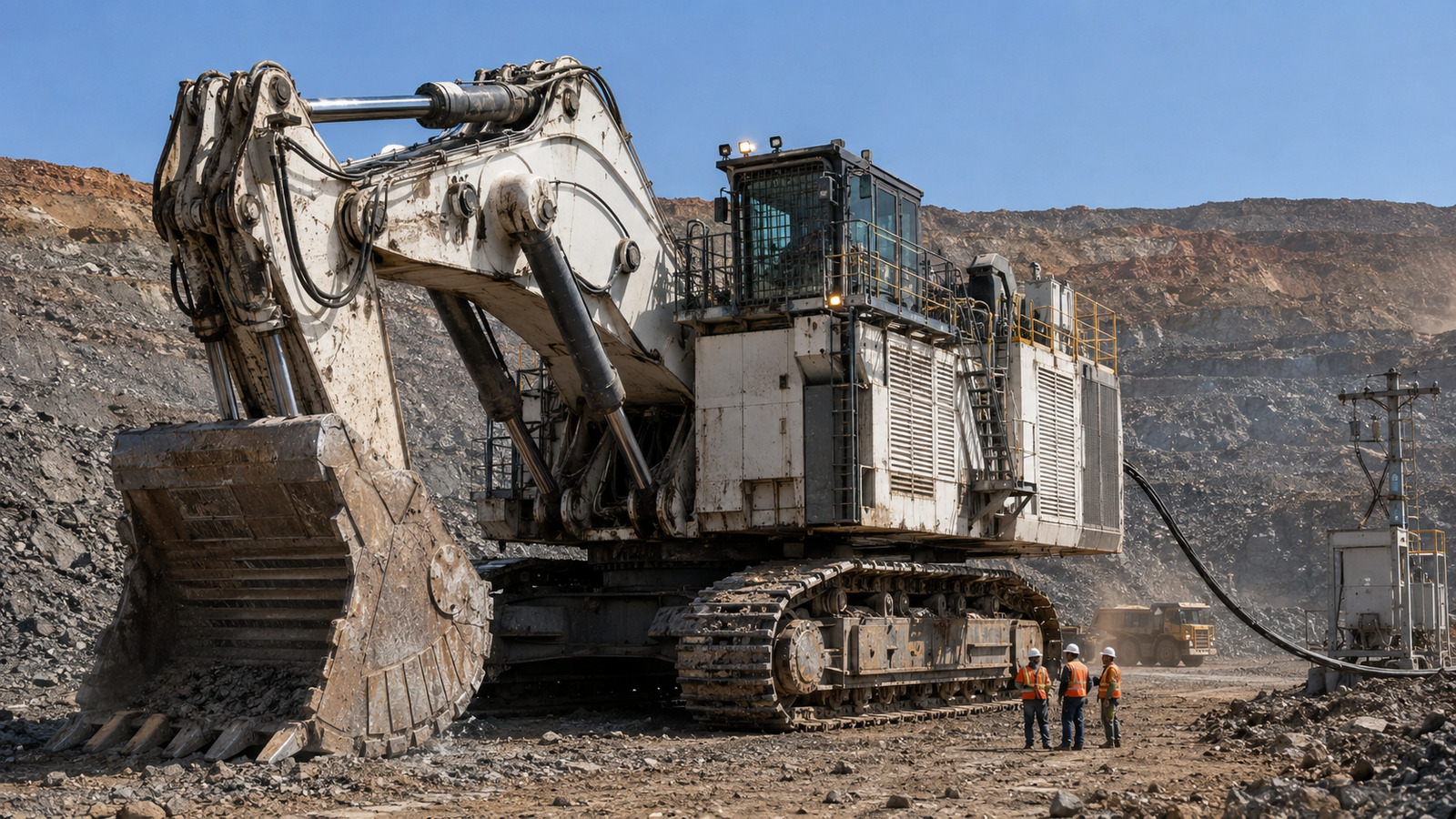
Unprecedented achievement in India: a colossal 650-ton, nearly 3,000 hp excavator is transformed into 100% electric, marking a new phase in heavy mining.
-
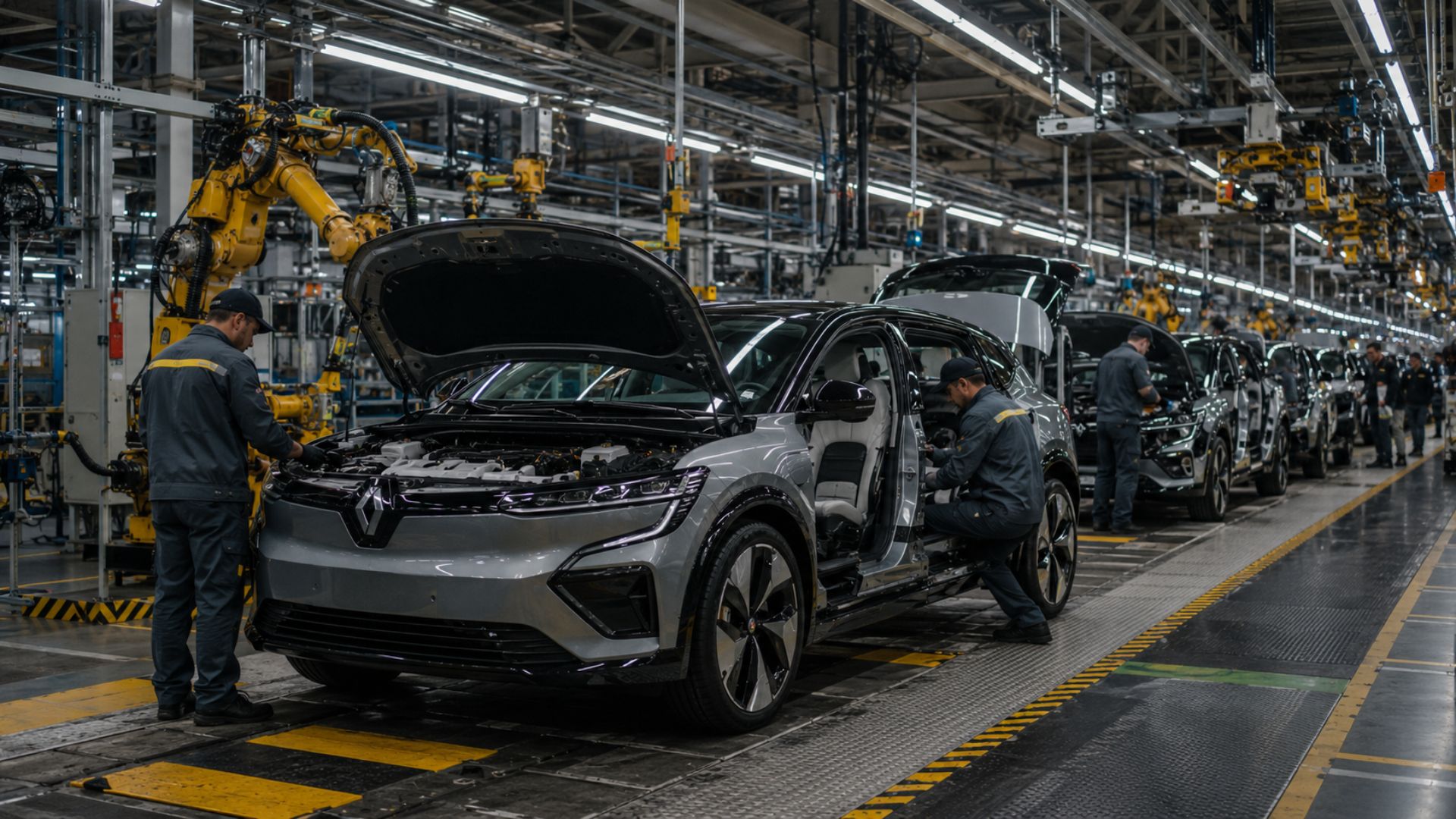
Frightened by the speed of Chinese manufacturers, Renault decided to mimic the pace, made the new electric Twingo in just 21 months, wants to repeat the feat with 36 models by 2030, and along the way, will cut up to 2,400 engineering positions.

“A much less satisfactory user experience” if you do not have a Tesla, states the report. This happens because using the Supercharger requires the Tesla app and the charging fees vary dynamically depending on demand, location, and time. Tesla owners enjoy fixed prices and subscriptions with lower rates.
More Chargers, But Prices Weigh On The Wallet
The J.D. Power survey evaluated over 7,400 electric and plug-in hybrid vehicle drivers between January and June 2025. Aspects such as ease of use, charging speed, availability, proximity to charging points, and primarily the cost of the service were analyzed.
The results showed that satisfaction with the price of charging fell to 459 out of 1,000 points for AC chargers and 430 for high-power DC chargers, a reduction of 16 points compared to the previous year. In other words, even with more charging points and fewer failures, users feel the financial impact.
Adapters And Compatibility Are Still Challenges
Another point raised by the study is vehicle compatibility. Not all electric cars connect directly to Superchargers, requiring adapters that, while increasingly common, still pose a barrier for some drivers.
In addition, charging networks from other manufacturers, such as Ford Charge or Mercedes-Benz Charging Network, are still rare and not included in J.D. Power’s survey, reinforcing Tesla’s dominance.
Tesla Network Is More Reliable, But Does Not Please Everyone
When it comes to reliability, Tesla outperforms independent operators. Superchargers recorded 709 satisfaction points out of 1,000, while chargers from other companies scored 591. The number of failures dropped to its lowest level since the study began, and high-power chargers offer faster charging and less waiting time.
Even so, the high cost for vehicles from other brands generates frustration. For many owners, the Tesla network represents a standard of technical excellence, but an economic challenge.
Dynamic Pricing And Inequality In Experience
As the network grows and modernizes, Tesla’s dynamic pricing model widens the gap between Tesla owners and others. Fees that vary by time and demand directly affect those who do not have access to more advantageous subscriptions, making the experience less satisfactory.
Therefore, although technological advancements and infrastructure expansion are undeniable, the dissatisfaction of non-Tesla users highlights that, in the electric car sector, Tesla’s rapid charging monopoly remains a decisive factor.