Portuguese
  Spanish


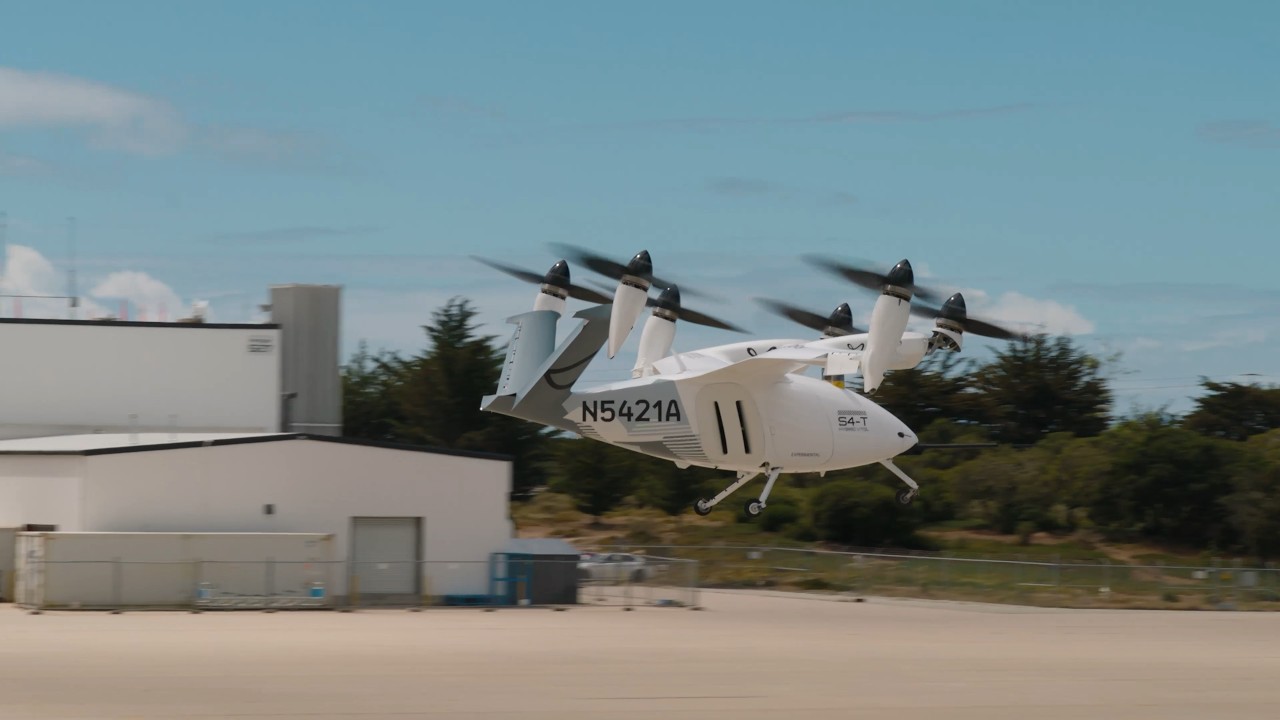

The company has already completed four of the five stages of the process. The final phase involves operational tests conducted by the regulatory agency’s own pilots.
System with Multiple Redundancies Eliminates Single Point of Failure and Ensures Operational Safety
The S4 was designed with full redundancy in critical systems. The aircraft uses four independent battery packs to power six electric motors. Each motor has duplicated internal systems, allowing for continuous operation even in the event of a partial failure.
The flight control system has triple redundancy, ensuring parallel processing and automatic response to inconsistencies.
-
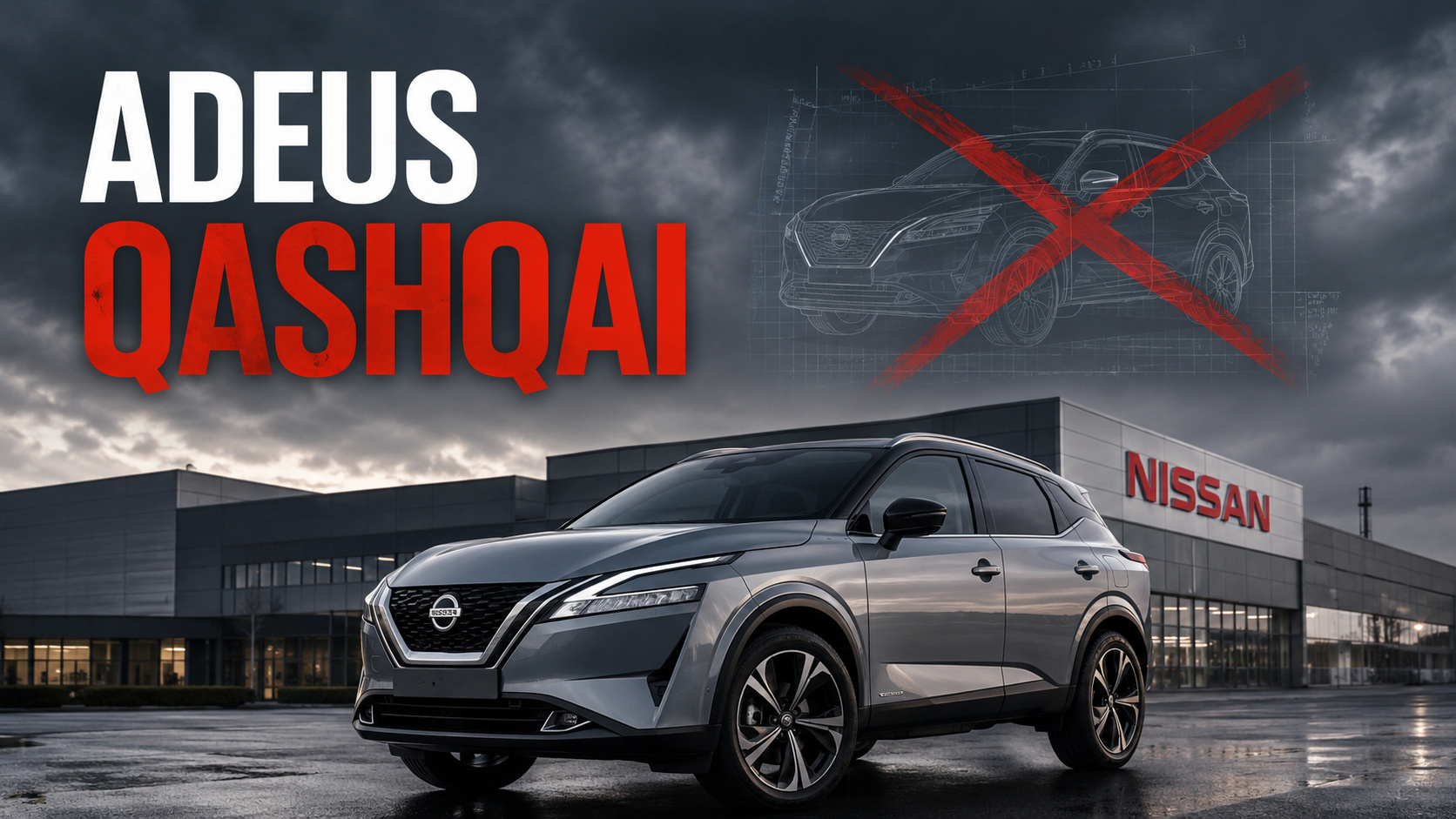
Nissan Discontinues Qashqai SUV Amid Cost-Cutting, Chinese Competition, and Product Line Review

-
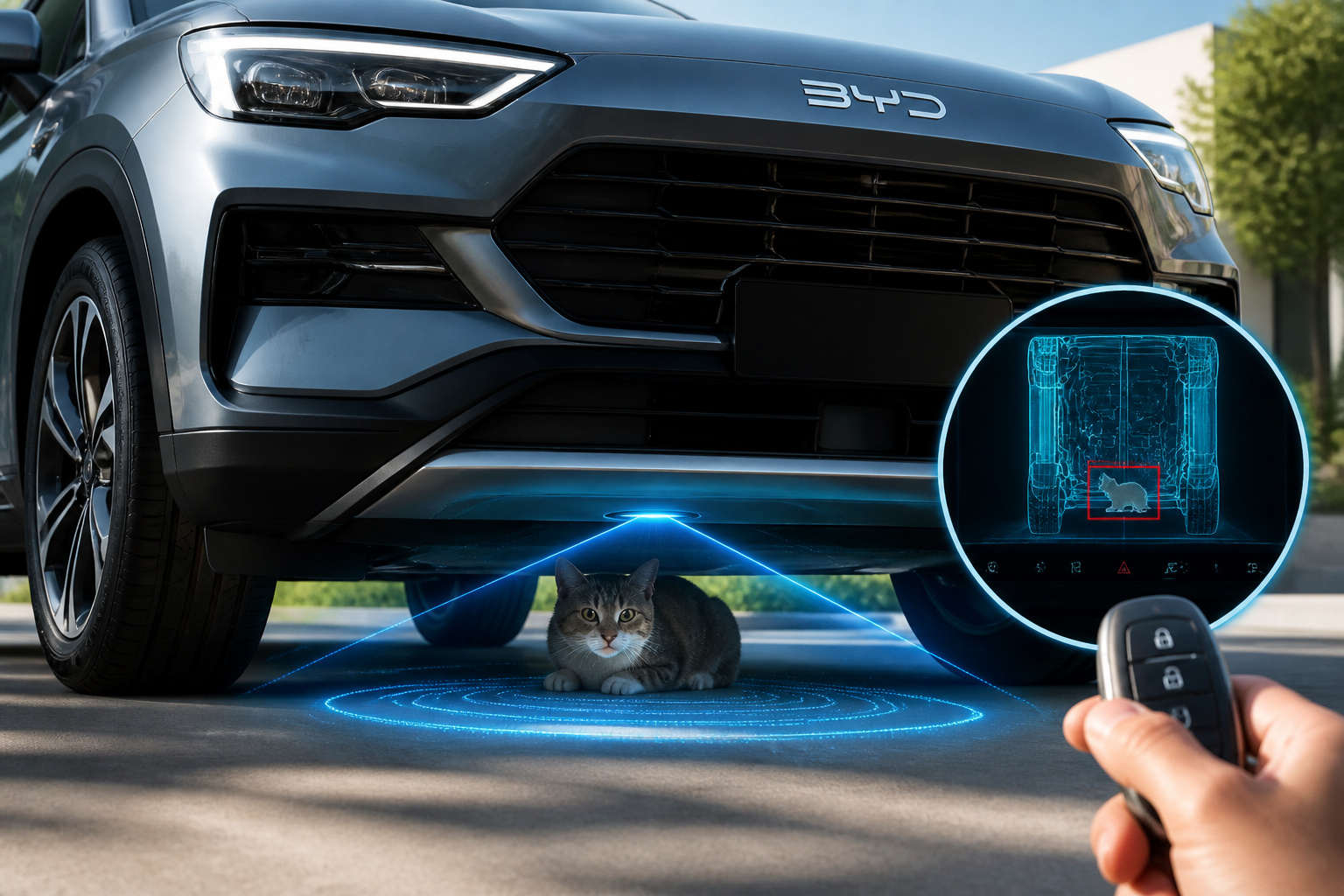
BYD Patents Revolutionary System Using Computer Vision to Detect Animals Under Cars Before Starting, Preventing Tragedies

-
BMW Completes $1.7 Billion Investment in the U.S. for Electric Vehicle Production, Positions South Carolina for New Generation as Rivals Reassess EV Race
-
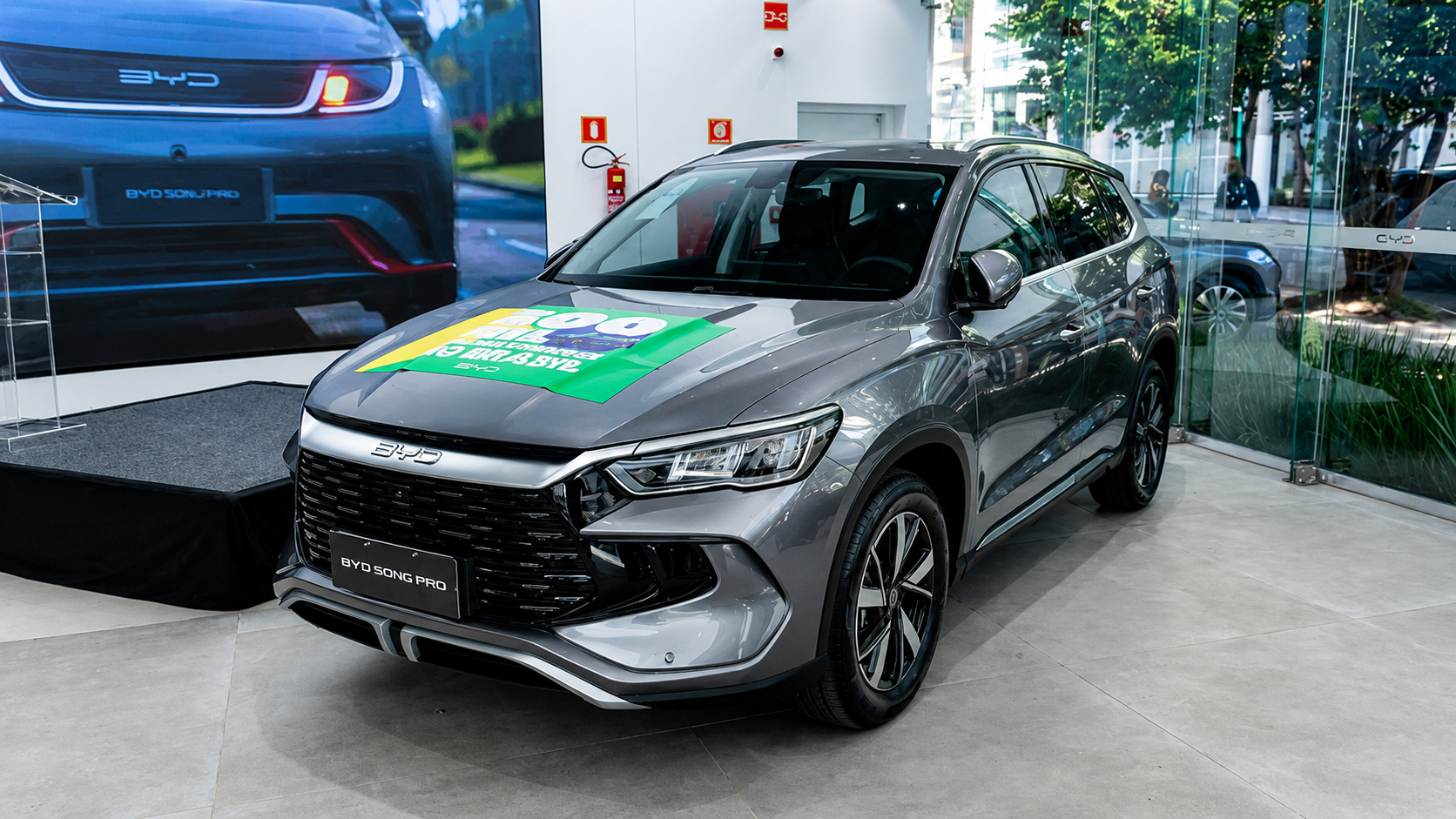
BYD’s Dolphin Mini Becomes Electric Vehicle Sensation in Brazil, Surpassing 300,000 Sales with Major Factory and Retail Leadership

The batteries used have an energy density of approximately 235 Wh/kg, superior to that of conventional electric vehicles.
The full recharge time is less than 20 minutes, allowing for high operational turnover in urban services.
Hydrogen version extends range to over 500 miles in experimental tests
In 2024, Joby tested an experimental version equipped with a hydrogen fuel cell. The model completed a 523-mile flight without stopping, more than triple the range of the standard electric version. Joby received investments from major companies, including US$ 60 million from Delta Air Lines and US$ 900 million from Toyota.
The company also announced plans for the installation of 25 vertiports in the United States, focusing on integration with airports and urban centers.


The service will be aimed at urban passenger transport, with estimated fares between US$ 150 and US$ 300 per trip. The goal is to offer an alternative to ground transportation in large cities, reducing travel time.
Now we want to know: can electric air taxis transform urban transport in the coming years?
The advancement of technology and the proximity of certification indicate that the commercial use of eVTOLs is getting closer.
In your view, can this model become common in large cities or does it still face barriers to large-scale adoption?
In 2009, he assembled a team of engineers specializing in aerodynamics, electric propulsion, and flight software to develop a new aircraft concept.

The S4 uses a system with six propellers mounted on tilting axes. During takeoff, the propellers are positioned vertically, generating lift similar to a helicopter. During cruise flight, these same propellers rotate to a horizontal position, functioning as airplane thrusters.
This design eliminates the need for separate lift and propulsion systems, reducing mechanical complexity and increasing operational efficiency.
Complete Transition Between Vertical Takeoff and Horizontal Flight Validated in Crewed Tests in 2025
After more than a decade of development, the S4 performed its first complete transition with a pilot on board between vertical takeoff, horizontal flight, and vertical landing in April 2025.
The test took place in Marina, California, with chief pilot James “Buddy” Denham, marking a significant advance in the development of tilt-rotor eVTOL aircraft. One of the S4’s main differentiators is noise reduction.
While conventional helicopters operate between 78 and 87 decibels, the S4 recorded approximately 45.2 decibels at 500 meters altitude in tests conducted with NASA’s support.
During takeoff and landing, at a distance of 100 meters, the noise level is around 65 decibels, equivalent to a normal conversation. These levels allow operation in dense urban areas without significant impact on noise pollution.
Joby’s Fleet Accumulated Over 850 Flights in 2025 and Exceeded 50,000 Miles in Tests Since 2017
During 2025, Joby Aviation conducted over 850 test flights, a significant increase from the previous year. The tests covered over 9,000 miles and validated approximately 4,900 technical points required in the certification process.

Since the program’s inception in 2017, the company has accumulated over 50,000 experimental flight miles. The S4’s certification is being conducted by the FAA under the “powered-lift” category, which combines airplane and helicopter requirements.
The company has already completed four of the five stages of the process. The final phase involves operational tests conducted by the regulatory agency’s own pilots.
System with Multiple Redundancies Eliminates Single Point of Failure and Ensures Operational Safety
The S4 was designed with full redundancy in critical systems. The aircraft uses four independent battery packs to power six electric motors. Each motor has duplicated internal systems, allowing for continuous operation even in the event of a partial failure.
The flight control system has triple redundancy, ensuring parallel processing and automatic response to inconsistencies.
The batteries used have an energy density of approximately 235 Wh/kg, superior to that of conventional electric vehicles.
The full recharge time is less than 20 minutes, allowing for high operational turnover in urban services.
Hydrogen version extends range to over 500 miles in experimental tests
In 2024, Joby tested an experimental version equipped with a hydrogen fuel cell. The model completed a 523-mile flight without stopping, more than triple the range of the standard electric version. Joby received investments from major companies, including US$ 60 million from Delta Air Lines and US$ 900 million from Toyota.
The company also announced plans for the installation of 25 vertiports in the United States, focusing on integration with airports and urban centers.
The service will be aimed at urban passenger transport, with estimated fares between US$ 150 and US$ 300 per trip. The goal is to offer an alternative to ground transportation in large cities, reducing travel time.
Now we want to know: can electric air taxis transform urban transport in the coming years?
The advancement of technology and the proximity of certification indicate that the commercial use of eVTOLs is getting closer.
In your view, can this model become common in large cities or does it still face barriers to large-scale adoption?
In 2009, he assembled a team of engineers specializing in aerodynamics, electric propulsion, and flight software to develop a new aircraft concept.
The S4 uses a system with six propellers mounted on tilting axes. During takeoff, the propellers are positioned vertically, generating lift similar to a helicopter. During cruise flight, these same propellers rotate to a horizontal position, functioning as airplane thrusters.
This design eliminates the need for separate lift and propulsion systems, reducing mechanical complexity and increasing operational efficiency.
Complete Transition Between Vertical Takeoff and Horizontal Flight Validated in Crewed Tests in 2025
After more than a decade of development, the S4 performed its first complete transition with a pilot on board between vertical takeoff, horizontal flight, and vertical landing in April 2025.
The test took place in Marina, California, with chief pilot James “Buddy” Denham, marking a significant advance in the development of tilt-rotor eVTOL aircraft. One of the S4’s main differentiators is noise reduction.
While conventional helicopters operate between 78 and 87 decibels, the S4 recorded approximately 45.2 decibels at 500 meters altitude in tests conducted with NASA’s support.
During takeoff and landing, at a distance of 100 meters, the noise level is around 65 decibels, equivalent to a normal conversation. These levels allow operation in dense urban areas without significant impact on noise pollution.
Joby’s Fleet Accumulated Over 850 Flights in 2025 and Exceeded 50,000 Miles in Tests Since 2017
During 2025, Joby Aviation conducted over 850 test flights, a significant increase from the previous year. The tests covered over 9,000 miles and validated approximately 4,900 technical points required in the certification process.
Since the program’s inception in 2017, the company has accumulated over 50,000 experimental flight miles. The S4’s certification is being conducted by the FAA under the “powered-lift” category, which combines airplane and helicopter requirements.
The company has already completed four of the five stages of the process. The final phase involves operational tests conducted by the regulatory agency’s own pilots.
System with Multiple Redundancies Eliminates Single Point of Failure and Ensures Operational Safety
The S4 was designed with full redundancy in critical systems. The aircraft uses four independent battery packs to power six electric motors. Each motor has duplicated internal systems, allowing for continuous operation even in the event of a partial failure.
The flight control system has triple redundancy, ensuring parallel processing and automatic response to inconsistencies.
The batteries used have an energy density of approximately 235 Wh/kg, superior to that of conventional electric vehicles.
The full recharge time is less than 20 minutes, allowing for high operational turnover in urban services.
Hydrogen version extends range to over 500 miles in experimental tests
In 2024, Joby tested an experimental version equipped with a hydrogen fuel cell. The model completed a 523-mile flight without stopping, more than triple the range of the standard electric version. Joby received investments from major companies, including US$ 60 million from Delta Air Lines and US$ 900 million from Toyota.
The company also announced plans for the installation of 25 vertiports in the United States, focusing on integration with airports and urban centers.
The service will be aimed at urban passenger transport, with estimated fares between US$ 150 and US$ 300 per trip. The goal is to offer an alternative to ground transportation in large cities, reducing travel time.
Now we want to know: can electric air taxis transform urban transport in the coming years?
The advancement of technology and the proximity of certification indicate that the commercial use of eVTOLs is getting closer.
In your view, can this model become common in large cities or does it still face barriers to large-scale adoption?
Joby’s electric air taxi reaches 320 km/h, completes over 850 flights in 2025, and could operate commercially in 2026 with almost imperceptible noise.
According to Joby Aviation, the S4 is an electric vertical take-off and landing aircraft capable of carrying four passengers and a pilot at speeds of up to 320 km/h, with a range of approximately 240 kilometers and zero emissions during flight. In August 2025, the model achieved an operational milestone by completing the first flight between two public airports in the United States under FAA air traffic control.
The aircraft took off from Marina, California, crossed controlled airspace, and landed in Monterey, even performing standard holding procedures for traffic clearance, like any commercial aircraft.
Joby Aviation Founder Developed Concept Inspired by Real Geographic Challenges
JoeBen Bevirt, founder of Joby Aviation, grew up in a mountainous region of California surrounded by giant redwoods. Even as a young man, he observed the difficulty of moving across steep terrain and began to imagine solutions based on aircraft capable of vertical take-off.
In 2009, he assembled a team of engineers specializing in aerodynamics, electric propulsion, and flight software to develop a new aircraft concept.
The S4 uses a system with six propellers mounted on tilting axes. During takeoff, the propellers are positioned vertically, generating lift similar to a helicopter. During cruise flight, these same propellers rotate to a horizontal position, functioning as airplane thrusters.
This design eliminates the need for separate lift and propulsion systems, reducing mechanical complexity and increasing operational efficiency.
Complete Transition Between Vertical Takeoff and Horizontal Flight Validated in Crewed Tests in 2025
After more than a decade of development, the S4 performed its first complete transition with a pilot on board between vertical takeoff, horizontal flight, and vertical landing in April 2025.
The test took place in Marina, California, with chief pilot James “Buddy” Denham, marking a significant advance in the development of tilt-rotor eVTOL aircraft. One of the S4’s main differentiators is noise reduction.
While conventional helicopters operate between 78 and 87 decibels, the S4 recorded approximately 45.2 decibels at 500 meters altitude in tests conducted with NASA’s support.
During takeoff and landing, at a distance of 100 meters, the noise level is around 65 decibels, equivalent to a normal conversation. These levels allow operation in dense urban areas without significant impact on noise pollution.
Joby’s Fleet Accumulated Over 850 Flights in 2025 and Exceeded 50,000 Miles in Tests Since 2017
During 2025, Joby Aviation conducted over 850 test flights, a significant increase from the previous year. The tests covered over 9,000 miles and validated approximately 4,900 technical points required in the certification process.
Since the program’s inception in 2017, the company has accumulated over 50,000 experimental flight miles. The S4’s certification is being conducted by the FAA under the “powered-lift” category, which combines airplane and helicopter requirements.
The company has already completed four of the five stages of the process. The final phase involves operational tests conducted by the regulatory agency’s own pilots.
System with Multiple Redundancies Eliminates Single Point of Failure and Ensures Operational Safety
The S4 was designed with full redundancy in critical systems. The aircraft uses four independent battery packs to power six electric motors. Each motor has duplicated internal systems, allowing for continuous operation even in the event of a partial failure.
The flight control system has triple redundancy, ensuring parallel processing and automatic response to inconsistencies.
The batteries used have an energy density of approximately 235 Wh/kg, superior to that of conventional electric vehicles.
The full recharge time is less than 20 minutes, allowing for high operational turnover in urban services.
Hydrogen version extends range to over 500 miles in experimental tests
In 2024, Joby tested an experimental version equipped with a hydrogen fuel cell. The model completed a 523-mile flight without stopping, more than triple the range of the standard electric version. Joby received investments from major companies, including US$ 60 million from Delta Air Lines and US$ 900 million from Toyota.
The company also announced plans for the installation of 25 vertiports in the United States, focusing on integration with airports and urban centers.
The service will be aimed at urban passenger transport, with estimated fares between US$ 150 and US$ 300 per trip. The goal is to offer an alternative to ground transportation in large cities, reducing travel time.
Now we want to know: can electric air taxis transform urban transport in the coming years?
The advancement of technology and the proximity of certification indicate that the commercial use of eVTOLs is getting closer.
In your view, can this model become common in large cities or does it still face barriers to large-scale adoption?
In 2009, he assembled a team of engineers specializing in aerodynamics, electric propulsion, and flight software to develop a new aircraft concept.
The S4 uses a system with six propellers mounted on tilting axes. During takeoff, the propellers are positioned vertically, generating lift similar to a helicopter. During cruise flight, these same propellers rotate to a horizontal position, functioning as airplane thrusters.
This design eliminates the need for separate lift and propulsion systems, reducing mechanical complexity and increasing operational efficiency.
Complete Transition Between Vertical Takeoff and Horizontal Flight Validated in Crewed Tests in 2025
After more than a decade of development, the S4 performed its first complete transition with a pilot on board between vertical takeoff, horizontal flight, and vertical landing in April 2025.
The test took place in Marina, California, with chief pilot James “Buddy” Denham, marking a significant advance in the development of tilt-rotor eVTOL aircraft. One of the S4’s main differentiators is noise reduction.
While conventional helicopters operate between 78 and 87 decibels, the S4 recorded approximately 45.2 decibels at 500 meters altitude in tests conducted with NASA’s support.
During takeoff and landing, at a distance of 100 meters, the noise level is around 65 decibels, equivalent to a normal conversation. These levels allow operation in dense urban areas without significant impact on noise pollution.
Joby’s Fleet Accumulated Over 850 Flights in 2025 and Exceeded 50,000 Miles in Tests Since 2017
During 2025, Joby Aviation conducted over 850 test flights, a significant increase from the previous year. The tests covered over 9,000 miles and validated approximately 4,900 technical points required in the certification process.
Since the program’s inception in 2017, the company has accumulated over 50,000 experimental flight miles. The S4’s certification is being conducted by the FAA under the “powered-lift” category, which combines airplane and helicopter requirements.
The company has already completed four of the five stages of the process. The final phase involves operational tests conducted by the regulatory agency’s own pilots.
System with Multiple Redundancies Eliminates Single Point of Failure and Ensures Operational Safety
The S4 was designed with full redundancy in critical systems. The aircraft uses four independent battery packs to power six electric motors. Each motor has duplicated internal systems, allowing for continuous operation even in the event of a partial failure.
The flight control system has triple redundancy, ensuring parallel processing and automatic response to inconsistencies.
The batteries used have an energy density of approximately 235 Wh/kg, superior to that of conventional electric vehicles.
The full recharge time is less than 20 minutes, allowing for high operational turnover in urban services.
Hydrogen version extends range to over 500 miles in experimental tests
In 2024, Joby tested an experimental version equipped with a hydrogen fuel cell. The model completed a 523-mile flight without stopping, more than triple the range of the standard electric version. Joby received investments from major companies, including US$ 60 million from Delta Air Lines and US$ 900 million from Toyota.
The company also announced plans for the installation of 25 vertiports in the United States, focusing on integration with airports and urban centers.
The service will be aimed at urban passenger transport, with estimated fares between US$ 150 and US$ 300 per trip. The goal is to offer an alternative to ground transportation in large cities, reducing travel time.
Now we want to know: can electric air taxis transform urban transport in the coming years?
The advancement of technology and the proximity of certification indicate that the commercial use of eVTOLs is getting closer.
In your view, can this model become common in large cities or does it still face barriers to large-scale adoption?
Joby’s electric air taxi reaches 320 km/h, completes over 850 flights in 2025, and could operate commercially in 2026 with almost imperceptible noise.
According to Joby Aviation, the S4 is an electric vertical take-off and landing aircraft capable of carrying four passengers and a pilot at speeds of up to 320 km/h, with a range of approximately 240 kilometers and zero emissions during flight. In August 2025, the model achieved an operational milestone by completing the first flight between two public airports in the United States under FAA air traffic control.
The aircraft took off from Marina, California, crossed controlled airspace, and landed in Monterey, even performing standard holding procedures for traffic clearance, like any commercial aircraft.
Joby Aviation Founder Developed Concept Inspired by Real Geographic Challenges
JoeBen Bevirt, founder of Joby Aviation, grew up in a mountainous region of California surrounded by giant redwoods. Even as a young man, he observed the difficulty of moving across steep terrain and began to imagine solutions based on aircraft capable of vertical take-off.
In 2009, he assembled a team of engineers specializing in aerodynamics, electric propulsion, and flight software to develop a new aircraft concept.
The S4 uses a system with six propellers mounted on tilting axes. During takeoff, the propellers are positioned vertically, generating lift similar to a helicopter. During cruise flight, these same propellers rotate to a horizontal position, functioning as airplane thrusters.
This design eliminates the need for separate lift and propulsion systems, reducing mechanical complexity and increasing operational efficiency.
Complete Transition Between Vertical Takeoff and Horizontal Flight Validated in Crewed Tests in 2025
After more than a decade of development, the S4 performed its first complete transition with a pilot on board between vertical takeoff, horizontal flight, and vertical landing in April 2025.
The test took place in Marina, California, with chief pilot James “Buddy” Denham, marking a significant advance in the development of tilt-rotor eVTOL aircraft. One of the S4’s main differentiators is noise reduction.
While conventional helicopters operate between 78 and 87 decibels, the S4 recorded approximately 45.2 decibels at 500 meters altitude in tests conducted with NASA’s support.
During takeoff and landing, at a distance of 100 meters, the noise level is around 65 decibels, equivalent to a normal conversation. These levels allow operation in dense urban areas without significant impact on noise pollution.
Joby’s Fleet Accumulated Over 850 Flights in 2025 and Exceeded 50,000 Miles in Tests Since 2017
During 2025, Joby Aviation conducted over 850 test flights, a significant increase from the previous year. The tests covered over 9,000 miles and validated approximately 4,900 technical points required in the certification process.
Since the program’s inception in 2017, the company has accumulated over 50,000 experimental flight miles. The S4’s certification is being conducted by the FAA under the “powered-lift” category, which combines airplane and helicopter requirements.
The company has already completed four of the five stages of the process. The final phase involves operational tests conducted by the regulatory agency’s own pilots.
System with Multiple Redundancies Eliminates Single Point of Failure and Ensures Operational Safety
The S4 was designed with full redundancy in critical systems. The aircraft uses four independent battery packs to power six electric motors. Each motor has duplicated internal systems, allowing for continuous operation even in the event of a partial failure.
The flight control system has triple redundancy, ensuring parallel processing and automatic response to inconsistencies.
The batteries used have an energy density of approximately 235 Wh/kg, superior to that of conventional electric vehicles.
The full recharge time is less than 20 minutes, allowing for high operational turnover in urban services.
Hydrogen version extends range to over 500 miles in experimental tests
In 2024, Joby tested an experimental version equipped with a hydrogen fuel cell. The model completed a 523-mile flight without stopping, more than triple the range of the standard electric version. Joby received investments from major companies, including US$ 60 million from Delta Air Lines and US$ 900 million from Toyota.
The company also announced plans for the installation of 25 vertiports in the United States, focusing on integration with airports and urban centers.
The service will be aimed at urban passenger transport, with estimated fares between US$ 150 and US$ 300 per trip. The goal is to offer an alternative to ground transportation in large cities, reducing travel time.
Now we want to know: can electric air taxis transform urban transport in the coming years?
The advancement of technology and the proximity of certification indicate that the commercial use of eVTOLs is getting closer.
In your view, can this model become common in large cities or does it still face barriers to large-scale adoption?
In 2009, he assembled a team of engineers specializing in aerodynamics, electric propulsion, and flight software to develop a new aircraft concept.
The S4 uses a system with six propellers mounted on tilting axes. During takeoff, the propellers are positioned vertically, generating lift similar to a helicopter. During cruise flight, these same propellers rotate to a horizontal position, functioning as airplane thrusters.
This design eliminates the need for separate lift and propulsion systems, reducing mechanical complexity and increasing operational efficiency.
Complete Transition Between Vertical Takeoff and Horizontal Flight Validated in Crewed Tests in 2025
After more than a decade of development, the S4 performed its first complete transition with a pilot on board between vertical takeoff, horizontal flight, and vertical landing in April 2025.
The test took place in Marina, California, with chief pilot James “Buddy” Denham, marking a significant advance in the development of tilt-rotor eVTOL aircraft. One of the S4’s main differentiators is noise reduction.
While conventional helicopters operate between 78 and 87 decibels, the S4 recorded approximately 45.2 decibels at 500 meters altitude in tests conducted with NASA’s support.
During takeoff and landing, at a distance of 100 meters, the noise level is around 65 decibels, equivalent to a normal conversation. These levels allow operation in dense urban areas without significant impact on noise pollution.
Joby’s Fleet Accumulated Over 850 Flights in 2025 and Exceeded 50,000 Miles in Tests Since 2017
During 2025, Joby Aviation conducted over 850 test flights, a significant increase from the previous year. The tests covered over 9,000 miles and validated approximately 4,900 technical points required in the certification process.
Since the program’s inception in 2017, the company has accumulated over 50,000 experimental flight miles. The S4’s certification is being conducted by the FAA under the “powered-lift” category, which combines airplane and helicopter requirements.
The company has already completed four of the five stages of the process. The final phase involves operational tests conducted by the regulatory agency’s own pilots.
System with Multiple Redundancies Eliminates Single Point of Failure and Ensures Operational Safety
The S4 was designed with full redundancy in critical systems. The aircraft uses four independent battery packs to power six electric motors. Each motor has duplicated internal systems, allowing for continuous operation even in the event of a partial failure.
The flight control system has triple redundancy, ensuring parallel processing and automatic response to inconsistencies.
The batteries used have an energy density of approximately 235 Wh/kg, superior to that of conventional electric vehicles.
The full recharge time is less than 20 minutes, allowing for high operational turnover in urban services.
Hydrogen version extends range to over 500 miles in experimental tests
In 2024, Joby tested an experimental version equipped with a hydrogen fuel cell. The model completed a 523-mile flight without stopping, more than triple the range of the standard electric version. Joby received investments from major companies, including US$ 60 million from Delta Air Lines and US$ 900 million from Toyota.
The company also announced plans for the installation of 25 vertiports in the United States, focusing on integration with airports and urban centers.
The service will be aimed at urban passenger transport, with estimated fares between US$ 150 and US$ 300 per trip. The goal is to offer an alternative to ground transportation in large cities, reducing travel time.
Now we want to know: can electric air taxis transform urban transport in the coming years?
The advancement of technology and the proximity of certification indicate that the commercial use of eVTOLs is getting closer.
In your view, can this model become common in large cities or does it still face barriers to large-scale adoption?
Joby’s electric air taxi reaches 320 km/h, completes over 850 flights in 2025, and could operate commercially in 2026 with almost imperceptible noise.
According to Joby Aviation, the S4 is an electric vertical take-off and landing aircraft capable of carrying four passengers and a pilot at speeds of up to 320 km/h, with a range of approximately 240 kilometers and zero emissions during flight. In August 2025, the model achieved an operational milestone by completing the first flight between two public airports in the United States under FAA air traffic control.
The aircraft took off from Marina, California, crossed controlled airspace, and landed in Monterey, even performing standard holding procedures for traffic clearance, like any commercial aircraft.
Joby Aviation Founder Developed Concept Inspired by Real Geographic Challenges
JoeBen Bevirt, founder of Joby Aviation, grew up in a mountainous region of California surrounded by giant redwoods. Even as a young man, he observed the difficulty of moving across steep terrain and began to imagine solutions based on aircraft capable of vertical take-off.
In 2009, he assembled a team of engineers specializing in aerodynamics, electric propulsion, and flight software to develop a new aircraft concept.
The S4 uses a system with six propellers mounted on tilting axes. During takeoff, the propellers are positioned vertically, generating lift similar to a helicopter. During cruise flight, these same propellers rotate to a horizontal position, functioning as airplane thrusters.
This design eliminates the need for separate lift and propulsion systems, reducing mechanical complexity and increasing operational efficiency.
Complete Transition Between Vertical Takeoff and Horizontal Flight Validated in Crewed Tests in 2025
After more than a decade of development, the S4 performed its first complete transition with a pilot on board between vertical takeoff, horizontal flight, and vertical landing in April 2025.
The test took place in Marina, California, with chief pilot James “Buddy” Denham, marking a significant advance in the development of tilt-rotor eVTOL aircraft. One of the S4’s main differentiators is noise reduction.
While conventional helicopters operate between 78 and 87 decibels, the S4 recorded approximately 45.2 decibels at 500 meters altitude in tests conducted with NASA’s support.
During takeoff and landing, at a distance of 100 meters, the noise level is around 65 decibels, equivalent to a normal conversation. These levels allow operation in dense urban areas without significant impact on noise pollution.
Joby’s Fleet Accumulated Over 850 Flights in 2025 and Exceeded 50,000 Miles in Tests Since 2017
During 2025, Joby Aviation conducted over 850 test flights, a significant increase from the previous year. The tests covered over 9,000 miles and validated approximately 4,900 technical points required in the certification process.
Since the program’s inception in 2017, the company has accumulated over 50,000 experimental flight miles. The S4’s certification is being conducted by the FAA under the “powered-lift” category, which combines airplane and helicopter requirements.
The company has already completed four of the five stages of the process. The final phase involves operational tests conducted by the regulatory agency’s own pilots.
System with Multiple Redundancies Eliminates Single Point of Failure and Ensures Operational Safety
The S4 was designed with full redundancy in critical systems. The aircraft uses four independent battery packs to power six electric motors. Each motor has duplicated internal systems, allowing for continuous operation even in the event of a partial failure.
The flight control system has triple redundancy, ensuring parallel processing and automatic response to inconsistencies.
The batteries used have an energy density of approximately 235 Wh/kg, superior to that of conventional electric vehicles.
The full recharge time is less than 20 minutes, allowing for high operational turnover in urban services.
Hydrogen version extends range to over 500 miles in experimental tests
In 2024, Joby tested an experimental version equipped with a hydrogen fuel cell. The model completed a 523-mile flight without stopping, more than triple the range of the standard electric version. Joby received investments from major companies, including US$ 60 million from Delta Air Lines and US$ 900 million from Toyota.
The company also announced plans for the installation of 25 vertiports in the United States, focusing on integration with airports and urban centers.
The service will be aimed at urban passenger transport, with estimated fares between US$ 150 and US$ 300 per trip. The goal is to offer an alternative to ground transportation in large cities, reducing travel time.
Now we want to know: can electric air taxis transform urban transport in the coming years?
The advancement of technology and the proximity of certification indicate that the commercial use of eVTOLs is getting closer.
In your view, can this model become common in large cities or does it still face barriers to large-scale adoption?
In 2009, he assembled a team of engineers specializing in aerodynamics, electric propulsion, and flight software to develop a new aircraft concept.
The S4 uses a system with six propellers mounted on tilting axes. During takeoff, the propellers are positioned vertically, generating lift similar to a helicopter. During cruise flight, these same propellers rotate to a horizontal position, functioning as airplane thrusters.
This design eliminates the need for separate lift and propulsion systems, reducing mechanical complexity and increasing operational efficiency.
Complete Transition Between Vertical Takeoff and Horizontal Flight Validated in Crewed Tests in 2025
After more than a decade of development, the S4 performed its first complete transition with a pilot on board between vertical takeoff, horizontal flight, and vertical landing in April 2025.
The test took place in Marina, California, with chief pilot James “Buddy” Denham, marking a significant advance in the development of tilt-rotor eVTOL aircraft. One of the S4’s main differentiators is noise reduction.
While conventional helicopters operate between 78 and 87 decibels, the S4 recorded approximately 45.2 decibels at 500 meters altitude in tests conducted with NASA’s support.
During takeoff and landing, at a distance of 100 meters, the noise level is around 65 decibels, equivalent to a normal conversation. These levels allow operation in dense urban areas without significant impact on noise pollution.
Joby’s Fleet Accumulated Over 850 Flights in 2025 and Exceeded 50,000 Miles in Tests Since 2017
During 2025, Joby Aviation conducted over 850 test flights, a significant increase from the previous year. The tests covered over 9,000 miles and validated approximately 4,900 technical points required in the certification process.
Since the program’s inception in 2017, the company has accumulated over 50,000 experimental flight miles. The S4’s certification is being conducted by the FAA under the “powered-lift” category, which combines airplane and helicopter requirements.
The company has already completed four of the five stages of the process. The final phase involves operational tests conducted by the regulatory agency’s own pilots.
System with Multiple Redundancies Eliminates Single Point of Failure and Ensures Operational Safety
The S4 was designed with full redundancy in critical systems. The aircraft uses four independent battery packs to power six electric motors. Each motor has duplicated internal systems, allowing for continuous operation even in the event of a partial failure.
The flight control system has triple redundancy, ensuring parallel processing and automatic response to inconsistencies.
The batteries used have an energy density of approximately 235 Wh/kg, superior to that of conventional electric vehicles.
The full recharge time is less than 20 minutes, allowing for high operational turnover in urban services.
Hydrogen version extends range to over 500 miles in experimental tests
In 2024, Joby tested an experimental version equipped with a hydrogen fuel cell. The model completed a 523-mile flight without stopping, more than triple the range of the standard electric version. Joby received investments from major companies, including US$ 60 million from Delta Air Lines and US$ 900 million from Toyota.
The company also announced plans for the installation of 25 vertiports in the United States, focusing on integration with airports and urban centers.
The service will be aimed at urban passenger transport, with estimated fares between US$ 150 and US$ 300 per trip. The goal is to offer an alternative to ground transportation in large cities, reducing travel time.
Now we want to know: can electric air taxis transform urban transport in the coming years?
The advancement of technology and the proximity of certification indicate that the commercial use of eVTOLs is getting closer.
In your view, can this model become common in large cities or does it still face barriers to large-scale adoption?
In 2009, he assembled a team of engineers specializing in aerodynamics, electric propulsion, and flight software to develop a new aircraft concept.
The S4 uses a system with six propellers mounted on tilting axes. During takeoff, the propellers are positioned vertically, generating lift similar to a helicopter. During cruise flight, these same propellers rotate to a horizontal position, functioning as airplane thrusters.
This design eliminates the need for separate lift and propulsion systems, reducing mechanical complexity and increasing operational efficiency.
Complete Transition Between Vertical Takeoff and Horizontal Flight Validated in Crewed Tests in 2025
After more than a decade of development, the S4 performed its first complete transition with a pilot on board between vertical takeoff, horizontal flight, and vertical landing in April 2025.
The test took place in Marina, California, with chief pilot James “Buddy” Denham, marking a significant advance in the development of tilt-rotor eVTOL aircraft. One of the S4’s main differentiators is noise reduction.
While conventional helicopters operate between 78 and 87 decibels, the S4 recorded approximately 45.2 decibels at 500 meters altitude in tests conducted with NASA’s support.
During takeoff and landing, at a distance of 100 meters, the noise level is around 65 decibels, equivalent to a normal conversation. These levels allow operation in dense urban areas without significant impact on noise pollution.
Joby’s Fleet Accumulated Over 850 Flights in 2025 and Exceeded 50,000 Miles in Tests Since 2017
During 2025, Joby Aviation conducted over 850 test flights, a significant increase from the previous year. The tests covered over 9,000 miles and validated approximately 4,900 technical points required in the certification process.
Since the program’s inception in 2017, the company has accumulated over 50,000 experimental flight miles. The S4’s certification is being conducted by the FAA under the “powered-lift” category, which combines airplane and helicopter requirements.
The company has already completed four of the five stages of the process. The final phase involves operational tests conducted by the regulatory agency’s own pilots.
System with Multiple Redundancies Eliminates Single Point of Failure and Ensures Operational Safety
The S4 was designed with full redundancy in critical systems. The aircraft uses four independent battery packs to power six electric motors. Each motor has duplicated internal systems, allowing for continuous operation even in the event of a partial failure.
The flight control system has triple redundancy, ensuring parallel processing and automatic response to inconsistencies.
The batteries used have an energy density of approximately 235 Wh/kg, superior to that of conventional electric vehicles.
The full recharge time is less than 20 minutes, allowing for high operational turnover in urban services.
Hydrogen version extends range to over 500 miles in experimental tests
In 2024, Joby tested an experimental version equipped with a hydrogen fuel cell. The model completed a 523-mile flight without stopping, more than triple the range of the standard electric version. Joby received investments from major companies, including US$ 60 million from Delta Air Lines and US$ 900 million from Toyota.
The company also announced plans for the installation of 25 vertiports in the United States, focusing on integration with airports and urban centers.
The service will be aimed at urban passenger transport, with estimated fares between US$ 150 and US$ 300 per trip. The goal is to offer an alternative to ground transportation in large cities, reducing travel time.
Now we want to know: can electric air taxis transform urban transport in the coming years?
The advancement of technology and the proximity of certification indicate that the commercial use of eVTOLs is getting closer.
In your view, can this model become common in large cities or does it still face barriers to large-scale adoption?
Joby’s electric air taxi reaches 320 km/h, completes over 850 flights in 2025, and could operate commercially in 2026 with almost imperceptible noise.
According to Joby Aviation, the S4 is an electric vertical take-off and landing aircraft capable of carrying four passengers and a pilot at speeds of up to 320 km/h, with a range of approximately 240 kilometers and zero emissions during flight. In August 2025, the model achieved an operational milestone by completing the first flight between two public airports in the United States under FAA air traffic control.
The aircraft took off from Marina, California, crossed controlled airspace, and landed in Monterey, even performing standard holding procedures for traffic clearance, like any commercial aircraft.
Joby Aviation Founder Developed Concept Inspired by Real Geographic Challenges
JoeBen Bevirt, founder of Joby Aviation, grew up in a mountainous region of California surrounded by giant redwoods. Even as a young man, he observed the difficulty of moving across steep terrain and began to imagine solutions based on aircraft capable of vertical take-off.
In 2009, he assembled a team of engineers specializing in aerodynamics, electric propulsion, and flight software to develop a new aircraft concept.
The S4 uses a system with six propellers mounted on tilting axes. During takeoff, the propellers are positioned vertically, generating lift similar to a helicopter. During cruise flight, these same propellers rotate to a horizontal position, functioning as airplane thrusters.
This design eliminates the need for separate lift and propulsion systems, reducing mechanical complexity and increasing operational efficiency.
Complete Transition Between Vertical Takeoff and Horizontal Flight Validated in Crewed Tests in 2025
After more than a decade of development, the S4 performed its first complete transition with a pilot on board between vertical takeoff, horizontal flight, and vertical landing in April 2025.
The test took place in Marina, California, with chief pilot James “Buddy” Denham, marking a significant advance in the development of tilt-rotor eVTOL aircraft. One of the S4’s main differentiators is noise reduction.
While conventional helicopters operate between 78 and 87 decibels, the S4 recorded approximately 45.2 decibels at 500 meters altitude in tests conducted with NASA’s support.
During takeoff and landing, at a distance of 100 meters, the noise level is around 65 decibels, equivalent to a normal conversation. These levels allow operation in dense urban areas without significant impact on noise pollution.
Joby’s Fleet Accumulated Over 850 Flights in 2025 and Exceeded 50,000 Miles in Tests Since 2017
During 2025, Joby Aviation conducted over 850 test flights, a significant increase from the previous year. The tests covered over 9,000 miles and validated approximately 4,900 technical points required in the certification process.
Since the program’s inception in 2017, the company has accumulated over 50,000 experimental flight miles. The S4’s certification is being conducted by the FAA under the “powered-lift” category, which combines airplane and helicopter requirements.
The company has already completed four of the five stages of the process. The final phase involves operational tests conducted by the regulatory agency’s own pilots.
System with Multiple Redundancies Eliminates Single Point of Failure and Ensures Operational Safety
The S4 was designed with full redundancy in critical systems. The aircraft uses four independent battery packs to power six electric motors. Each motor has duplicated internal systems, allowing for continuous operation even in the event of a partial failure.
The flight control system has triple redundancy, ensuring parallel processing and automatic response to inconsistencies.
The batteries used have an energy density of approximately 235 Wh/kg, superior to that of conventional electric vehicles.
The full recharge time is less than 20 minutes, allowing for high operational turnover in urban services.
Hydrogen version extends range to over 500 miles in experimental tests
In 2024, Joby tested an experimental version equipped with a hydrogen fuel cell. The model completed a 523-mile flight without stopping, more than triple the range of the standard electric version. Joby received investments from major companies, including US$ 60 million from Delta Air Lines and US$ 900 million from Toyota.
The company also announced plans for the installation of 25 vertiports in the United States, focusing on integration with airports and urban centers.
The service will be aimed at urban passenger transport, with estimated fares between US$ 150 and US$ 300 per trip. The goal is to offer an alternative to ground transportation in large cities, reducing travel time.
Now we want to know: can electric air taxis transform urban transport in the coming years?
The advancement of technology and the proximity of certification indicate that the commercial use of eVTOLs is getting closer.
In your view, can this model become common in large cities or does it still face barriers to large-scale adoption?
In 2009, he assembled a team of engineers specializing in aerodynamics, electric propulsion, and flight software to develop a new aircraft concept.
The S4 uses a system with six propellers mounted on tilting axes. During takeoff, the propellers are positioned vertically, generating lift similar to a helicopter. During cruise flight, these same propellers rotate to a horizontal position, functioning as airplane thrusters.
This design eliminates the need for separate lift and propulsion systems, reducing mechanical complexity and increasing operational efficiency.
Complete Transition Between Vertical Takeoff and Horizontal Flight Validated in Crewed Tests in 2025
After more than a decade of development, the S4 performed its first complete transition with a pilot on board between vertical takeoff, horizontal flight, and vertical landing in April 2025.
The test took place in Marina, California, with chief pilot James “Buddy” Denham, marking a significant advance in the development of tilt-rotor eVTOL aircraft. One of the S4’s main differentiators is noise reduction.
While conventional helicopters operate between 78 and 87 decibels, the S4 recorded approximately 45.2 decibels at 500 meters altitude in tests conducted with NASA’s support.
During takeoff and landing, at a distance of 100 meters, the noise level is around 65 decibels, equivalent to a normal conversation. These levels allow operation in dense urban areas without significant impact on noise pollution.
Joby’s Fleet Accumulated Over 850 Flights in 2025 and Exceeded 50,000 Miles in Tests Since 2017
During 2025, Joby Aviation conducted over 850 test flights, a significant increase from the previous year. The tests covered over 9,000 miles and validated approximately 4,900 technical points required in the certification process.
Since the program’s inception in 2017, the company has accumulated over 50,000 experimental flight miles. The S4’s certification is being conducted by the FAA under the “powered-lift” category, which combines airplane and helicopter requirements.
The company has already completed four of the five stages of the process. The final phase involves operational tests conducted by the regulatory agency’s own pilots.
System with Multiple Redundancies Eliminates Single Point of Failure and Ensures Operational Safety
The S4 was designed with full redundancy in critical systems. The aircraft uses four independent battery packs to power six electric motors. Each motor has duplicated internal systems, allowing for continuous operation even in the event of a partial failure.
The flight control system has triple redundancy, ensuring parallel processing and automatic response to inconsistencies.
The batteries used have an energy density of approximately 235 Wh/kg, superior to that of conventional electric vehicles.
The full recharge time is less than 20 minutes, allowing for high operational turnover in urban services.
Hydrogen version extends range to over 500 miles in experimental tests
In 2024, Joby tested an experimental version equipped with a hydrogen fuel cell. The model completed a 523-mile flight without stopping, more than triple the range of the standard electric version. Joby received investments from major companies, including US$ 60 million from Delta Air Lines and US$ 900 million from Toyota.
The company also announced plans for the installation of 25 vertiports in the United States, focusing on integration with airports and urban centers.
The service will be aimed at urban passenger transport, with estimated fares between US$ 150 and US$ 300 per trip. The goal is to offer an alternative to ground transportation in large cities, reducing travel time.
Now we want to know: can electric air taxis transform urban transport in the coming years?
The advancement of technology and the proximity of certification indicate that the commercial use of eVTOLs is getting closer.
In your view, can this model become common in large cities or does it still face barriers to large-scale adoption?
In 2009, he assembled a team of engineers specializing in aerodynamics, electric propulsion, and flight software to develop a new aircraft concept.
The S4 uses a system with six propellers mounted on tilting axes. During takeoff, the propellers are positioned vertically, generating lift similar to a helicopter. During cruise flight, these same propellers rotate to a horizontal position, functioning as airplane thrusters.
This design eliminates the need for separate lift and propulsion systems, reducing mechanical complexity and increasing operational efficiency.
Complete Transition Between Vertical Takeoff and Horizontal Flight Validated in Crewed Tests in 2025
After more than a decade of development, the S4 performed its first complete transition with a pilot on board between vertical takeoff, horizontal flight, and vertical landing in April 2025.
The test took place in Marina, California, with chief pilot James “Buddy” Denham, marking a significant advance in the development of tilt-rotor eVTOL aircraft. One of the S4’s main differentiators is noise reduction.
While conventional helicopters operate between 78 and 87 decibels, the S4 recorded approximately 45.2 decibels at 500 meters altitude in tests conducted with NASA’s support.
During takeoff and landing, at a distance of 100 meters, the noise level is around 65 decibels, equivalent to a normal conversation. These levels allow operation in dense urban areas without significant impact on noise pollution.
Joby’s Fleet Accumulated Over 850 Flights in 2025 and Exceeded 50,000 Miles in Tests Since 2017
During 2025, Joby Aviation conducted over 850 test flights, a significant increase from the previous year. The tests covered over 9,000 miles and validated approximately 4,900 technical points required in the certification process.
Since the program’s inception in 2017, the company has accumulated over 50,000 experimental flight miles. The S4’s certification is being conducted by the FAA under the “powered-lift” category, which combines airplane and helicopter requirements.
The company has already completed four of the five stages of the process. The final phase involves operational tests conducted by the regulatory agency’s own pilots.
System with Multiple Redundancies Eliminates Single Point of Failure and Ensures Operational Safety
The S4 was designed with full redundancy in critical systems. The aircraft uses four independent battery packs to power six electric motors. Each motor has duplicated internal systems, allowing for continuous operation even in the event of a partial failure.
The flight control system has triple redundancy, ensuring parallel processing and automatic response to inconsistencies.
The batteries used have an energy density of approximately 235 Wh/kg, superior to that of conventional electric vehicles.
The full recharge time is less than 20 minutes, allowing for high operational turnover in urban services.
Hydrogen version extends range to over 500 miles in experimental tests
In 2024, Joby tested an experimental version equipped with a hydrogen fuel cell. The model completed a 523-mile flight without stopping, more than triple the range of the standard electric version. Joby received investments from major companies, including US$ 60 million from Delta Air Lines and US$ 900 million from Toyota.
The company also announced plans for the installation of 25 vertiports in the United States, focusing on integration with airports and urban centers.
The service will be aimed at urban passenger transport, with estimated fares between US$ 150 and US$ 300 per trip. The goal is to offer an alternative to ground transportation in large cities, reducing travel time.
Now we want to know: can electric air taxis transform urban transport in the coming years?
The advancement of technology and the proximity of certification indicate that the commercial use of eVTOLs is getting closer.
In your view, can this model become common in large cities or does it still face barriers to large-scale adoption?
In 2009, he assembled a team of engineers specializing in aerodynamics, electric propulsion, and flight software to develop a new aircraft concept.
The S4 uses a system with six propellers mounted on tilting axes. During takeoff, the propellers are positioned vertically, generating lift similar to a helicopter. During cruise flight, these same propellers rotate to a horizontal position, functioning as airplane thrusters.
This design eliminates the need for separate lift and propulsion systems, reducing mechanical complexity and increasing operational efficiency.
Complete Transition Between Vertical Takeoff and Horizontal Flight Validated in Crewed Tests in 2025
After more than a decade of development, the S4 performed its first complete transition with a pilot on board between vertical takeoff, horizontal flight, and vertical landing in April 2025.
The test took place in Marina, California, with chief pilot James “Buddy” Denham, marking a significant advance in the development of tilt-rotor eVTOL aircraft. One of the S4’s main differentiators is noise reduction.
While conventional helicopters operate between 78 and 87 decibels, the S4 recorded approximately 45.2 decibels at 500 meters altitude in tests conducted with NASA’s support.
During takeoff and landing, at a distance of 100 meters, the noise level is around 65 decibels, equivalent to a normal conversation. These levels allow operation in dense urban areas without significant impact on noise pollution.
Joby’s Fleet Accumulated Over 850 Flights in 2025 and Exceeded 50,000 Miles in Tests Since 2017
During 2025, Joby Aviation conducted over 850 test flights, a significant increase from the previous year. The tests covered over 9,000 miles and validated approximately 4,900 technical points required in the certification process.
Since the program’s inception in 2017, the company has accumulated over 50,000 experimental flight miles. The S4’s certification is being conducted by the FAA under the “powered-lift” category, which combines airplane and helicopter requirements.
The company has already completed four of the five stages of the process. The final phase involves operational tests conducted by the regulatory agency’s own pilots.
System with Multiple Redundancies Eliminates Single Point of Failure and Ensures Operational Safety
The S4 was designed with full redundancy in critical systems. The aircraft uses four independent battery packs to power six electric motors. Each motor has duplicated internal systems, allowing for continuous operation even in the event of a partial failure.
The flight control system has triple redundancy, ensuring parallel processing and automatic response to inconsistencies.
The batteries used have an energy density of approximately 235 Wh/kg, superior to that of conventional electric vehicles.
The full recharge time is less than 20 minutes, allowing for high operational turnover in urban services.
Hydrogen version extends range to over 500 miles in experimental tests
In 2024, Joby tested an experimental version equipped with a hydrogen fuel cell. The model completed a 523-mile flight without stopping, more than triple the range of the standard electric version. Joby received investments from major companies, including US$ 60 million from Delta Air Lines and US$ 900 million from Toyota.
The company also announced plans for the installation of 25 vertiports in the United States, focusing on integration with airports and urban centers.
The service will be aimed at urban passenger transport, with estimated fares between US$ 150 and US$ 300 per trip. The goal is to offer an alternative to ground transportation in large cities, reducing travel time.
Now we want to know: can electric air taxis transform urban transport in the coming years?
The advancement of technology and the proximity of certification indicate that the commercial use of eVTOLs is getting closer.
In your view, can this model become common in large cities or does it still face barriers to large-scale adoption?
Joby’s electric air taxi reaches 320 km/h, completes over 850 flights in 2025, and could operate commercially in 2026 with almost imperceptible noise.
According to Joby Aviation, the S4 is an electric vertical take-off and landing aircraft capable of carrying four passengers and a pilot at speeds of up to 320 km/h, with a range of approximately 240 kilometers and zero emissions during flight. In August 2025, the model achieved an operational milestone by completing the first flight between two public airports in the United States under FAA air traffic control.
The aircraft took off from Marina, California, crossed controlled airspace, and landed in Monterey, even performing standard holding procedures for traffic clearance, like any commercial aircraft.
Joby Aviation Founder Developed Concept Inspired by Real Geographic Challenges
JoeBen Bevirt, founder of Joby Aviation, grew up in a mountainous region of California surrounded by giant redwoods. Even as a young man, he observed the difficulty of moving across steep terrain and began to imagine solutions based on aircraft capable of vertical take-off.
In 2009, he assembled a team of engineers specializing in aerodynamics, electric propulsion, and flight software to develop a new aircraft concept.
The S4 uses a system with six propellers mounted on tilting axes. During takeoff, the propellers are positioned vertically, generating lift similar to a helicopter. During cruise flight, these same propellers rotate to a horizontal position, functioning as airplane thrusters.
This design eliminates the need for separate lift and propulsion systems, reducing mechanical complexity and increasing operational efficiency.
Complete Transition Between Vertical Takeoff and Horizontal Flight Validated in Crewed Tests in 2025
After more than a decade of development, the S4 performed its first complete transition with a pilot on board between vertical takeoff, horizontal flight, and vertical landing in April 2025.
The test took place in Marina, California, with chief pilot James “Buddy” Denham, marking a significant advance in the development of tilt-rotor eVTOL aircraft. One of the S4’s main differentiators is noise reduction.
While conventional helicopters operate between 78 and 87 decibels, the S4 recorded approximately 45.2 decibels at 500 meters altitude in tests conducted with NASA’s support.
During takeoff and landing, at a distance of 100 meters, the noise level is around 65 decibels, equivalent to a normal conversation. These levels allow operation in dense urban areas without significant impact on noise pollution.
Joby’s Fleet Accumulated Over 850 Flights in 2025 and Exceeded 50,000 Miles in Tests Since 2017
During 2025, Joby Aviation conducted over 850 test flights, a significant increase from the previous year. The tests covered over 9,000 miles and validated approximately 4,900 technical points required in the certification process.
Since the program’s inception in 2017, the company has accumulated over 50,000 experimental flight miles. The S4’s certification is being conducted by the FAA under the “powered-lift” category, which combines airplane and helicopter requirements.
The company has already completed four of the five stages of the process. The final phase involves operational tests conducted by the regulatory agency’s own pilots.
System with Multiple Redundancies Eliminates Single Point of Failure and Ensures Operational Safety
The S4 was designed with full redundancy in critical systems. The aircraft uses four independent battery packs to power six electric motors. Each motor has duplicated internal systems, allowing for continuous operation even in the event of a partial failure.
The flight control system has triple redundancy, ensuring parallel processing and automatic response to inconsistencies.
The batteries used have an energy density of approximately 235 Wh/kg, superior to that of conventional electric vehicles.
The full recharge time is less than 20 minutes, allowing for high operational turnover in urban services.
Hydrogen version extends range to over 500 miles in experimental tests
In 2024, Joby tested an experimental version equipped with a hydrogen fuel cell. The model completed a 523-mile flight without stopping, more than triple the range of the standard electric version. Joby received investments from major companies, including US$ 60 million from Delta Air Lines and US$ 900 million from Toyota.
The company also announced plans for the installation of 25 vertiports in the United States, focusing on integration with airports and urban centers.
The service will be aimed at urban passenger transport, with estimated fares between US$ 150 and US$ 300 per trip. The goal is to offer an alternative to ground transportation in large cities, reducing travel time.
Now we want to know: can electric air taxis transform urban transport in the coming years?
The advancement of technology and the proximity of certification indicate that the commercial use of eVTOLs is getting closer.
In your view, can this model become common in large cities or does it still face barriers to large-scale adoption?
Joby’s electric air taxi reaches 320 km/h, completes over 850 flights in 2025, and could operate commercially in 2026 with almost imperceptible noise.
According to Joby Aviation, the S4 is an electric vertical take-off and landing aircraft capable of carrying four passengers and a pilot at speeds of up to 320 km/h, with a range of approximately 240 kilometers and zero emissions during flight. In August 2025, the model achieved an operational milestone by completing the first flight between two public airports in the United States under FAA air traffic control.
The aircraft took off from Marina, California, crossed controlled airspace, and landed in Monterey, even performing standard holding procedures for traffic clearance, like any commercial aircraft.
Joby Aviation Founder Developed Concept Inspired by Real Geographic Challenges
JoeBen Bevirt, founder of Joby Aviation, grew up in a mountainous region of California surrounded by giant redwoods. Even as a young man, he observed the difficulty of moving across steep terrain and began to imagine solutions based on aircraft capable of vertical take-off.
In 2009, he assembled a team of engineers specializing in aerodynamics, electric propulsion, and flight software to develop a new aircraft concept.
The S4 uses a system with six propellers mounted on tilting axes. During takeoff, the propellers are positioned vertically, generating lift similar to a helicopter. During cruise flight, these same propellers rotate to a horizontal position, functioning as airplane thrusters.
This design eliminates the need for separate lift and propulsion systems, reducing mechanical complexity and increasing operational efficiency.
Complete Transition Between Vertical Takeoff and Horizontal Flight Validated in Crewed Tests in 2025
After more than a decade of development, the S4 performed its first complete transition with a pilot on board between vertical takeoff, horizontal flight, and vertical landing in April 2025.
The test took place in Marina, California, with chief pilot James “Buddy” Denham, marking a significant advance in the development of tilt-rotor eVTOL aircraft. One of the S4’s main differentiators is noise reduction.
While conventional helicopters operate between 78 and 87 decibels, the S4 recorded approximately 45.2 decibels at 500 meters altitude in tests conducted with NASA’s support.
During takeoff and landing, at a distance of 100 meters, the noise level is around 65 decibels, equivalent to a normal conversation. These levels allow operation in dense urban areas without significant impact on noise pollution.
Joby’s Fleet Accumulated Over 850 Flights in 2025 and Exceeded 50,000 Miles in Tests Since 2017
During 2025, Joby Aviation conducted over 850 test flights, a significant increase from the previous year. The tests covered over 9,000 miles and validated approximately 4,900 technical points required in the certification process.
Since the program’s inception in 2017, the company has accumulated over 50,000 experimental flight miles. The S4’s certification is being conducted by the FAA under the “powered-lift” category, which combines airplane and helicopter requirements.
The company has already completed four of the five stages of the process. The final phase involves operational tests conducted by the regulatory agency’s own pilots.
System with Multiple Redundancies Eliminates Single Point of Failure and Ensures Operational Safety
The S4 was designed with full redundancy in critical systems. The aircraft uses four independent battery packs to power six electric motors. Each motor has duplicated internal systems, allowing for continuous operation even in the event of a partial failure.
The flight control system has triple redundancy, ensuring parallel processing and automatic response to inconsistencies.
The batteries used have an energy density of approximately 235 Wh/kg, superior to that of conventional electric vehicles.
The full recharge time is less than 20 minutes, allowing for high operational turnover in urban services.
Hydrogen version extends range to over 500 miles in experimental tests
In 2024, Joby tested an experimental version equipped with a hydrogen fuel cell. The model completed a 523-mile flight without stopping, more than triple the range of the standard electric version. Joby received investments from major companies, including US$ 60 million from Delta Air Lines and US$ 900 million from Toyota.
The company also announced plans for the installation of 25 vertiports in the United States, focusing on integration with airports and urban centers.
The service will be aimed at urban passenger transport, with estimated fares between US$ 150 and US$ 300 per trip. The goal is to offer an alternative to ground transportation in large cities, reducing travel time.
Now we want to know: can electric air taxis transform urban transport in the coming years?
The advancement of technology and the proximity of certification indicate that the commercial use of eVTOLs is getting closer.
In your view, can this model become common in large cities or does it still face barriers to large-scale adoption?
In 2009, he assembled a team of engineers specializing in aerodynamics, electric propulsion, and flight software to develop a new aircraft concept.
The S4 uses a system with six propellers mounted on tilting axes. During takeoff, the propellers are positioned vertically, generating lift similar to a helicopter. During cruise flight, these same propellers rotate to a horizontal position, functioning as airplane thrusters.
This design eliminates the need for separate lift and propulsion systems, reducing mechanical complexity and increasing operational efficiency.
Complete Transition Between Vertical Takeoff and Horizontal Flight Validated in Crewed Tests in 2025
After more than a decade of development, the S4 performed its first complete transition with a pilot on board between vertical takeoff, horizontal flight, and vertical landing in April 2025.
The test took place in Marina, California, with chief pilot James “Buddy” Denham, marking a significant advance in the development of tilt-rotor eVTOL aircraft. One of the S4’s main differentiators is noise reduction.
While conventional helicopters operate between 78 and 87 decibels, the S4 recorded approximately 45.2 decibels at 500 meters altitude in tests conducted with NASA’s support.
During takeoff and landing, at a distance of 100 meters, the noise level is around 65 decibels, equivalent to a normal conversation. These levels allow operation in dense urban areas without significant impact on noise pollution.
Joby’s Fleet Accumulated Over 850 Flights in 2025 and Exceeded 50,000 Miles in Tests Since 2017
During 2025, Joby Aviation conducted over 850 test flights, a significant increase from the previous year. The tests covered over 9,000 miles and validated approximately 4,900 technical points required in the certification process.
Since the program’s inception in 2017, the company has accumulated over 50,000 experimental flight miles. The S4’s certification is being conducted by the FAA under the “powered-lift” category, which combines airplane and helicopter requirements.
The company has already completed four of the five stages of the process. The final phase involves operational tests conducted by the regulatory agency’s own pilots.
System with Multiple Redundancies Eliminates Single Point of Failure and Ensures Operational Safety
The S4 was designed with full redundancy in critical systems. The aircraft uses four independent battery packs to power six electric motors. Each motor has duplicated internal systems, allowing for continuous operation even in the event of a partial failure.
The flight control system has triple redundancy, ensuring parallel processing and automatic response to inconsistencies.
The batteries used have an energy density of approximately 235 Wh/kg, superior to that of conventional electric vehicles.
The full recharge time is less than 20 minutes, allowing for high operational turnover in urban services.
Hydrogen version extends range to over 500 miles in experimental tests
In 2024, Joby tested an experimental version equipped with a hydrogen fuel cell. The model completed a 523-mile flight without stopping, more than triple the range of the standard electric version. Joby received investments from major companies, including US$ 60 million from Delta Air Lines and US$ 900 million from Toyota.
The company also announced plans for the installation of 25 vertiports in the United States, focusing on integration with airports and urban centers.
The service will be aimed at urban passenger transport, with estimated fares between US$ 150 and US$ 300 per trip. The goal is to offer an alternative to ground transportation in large cities, reducing travel time.
Now we want to know: can electric air taxis transform urban transport in the coming years?
The advancement of technology and the proximity of certification indicate that the commercial use of eVTOLs is getting closer.
In your view, can this model become common in large cities or does it still face barriers to large-scale adoption?
In 2009, he assembled a team of engineers specializing in aerodynamics, electric propulsion, and flight software to develop a new aircraft concept.
The S4 uses a system with six propellers mounted on tilting axes. During takeoff, the propellers are positioned vertically, generating lift similar to a helicopter. During cruise flight, these same propellers rotate to a horizontal position, functioning as airplane thrusters.
This design eliminates the need for separate lift and propulsion systems, reducing mechanical complexity and increasing operational efficiency.
Complete Transition Between Vertical Takeoff and Horizontal Flight Validated in Crewed Tests in 2025
After more than a decade of development, the S4 performed its first complete transition with a pilot on board between vertical takeoff, horizontal flight, and vertical landing in April 2025.
The test took place in Marina, California, with chief pilot James “Buddy” Denham, marking a significant advance in the development of tilt-rotor eVTOL aircraft. One of the S4’s main differentiators is noise reduction.
While conventional helicopters operate between 78 and 87 decibels, the S4 recorded approximately 45.2 decibels at 500 meters altitude in tests conducted with NASA’s support.
During takeoff and landing, at a distance of 100 meters, the noise level is around 65 decibels, equivalent to a normal conversation. These levels allow operation in dense urban areas without significant impact on noise pollution.
Joby’s Fleet Accumulated Over 850 Flights in 2025 and Exceeded 50,000 Miles in Tests Since 2017
During 2025, Joby Aviation conducted over 850 test flights, a significant increase from the previous year. The tests covered over 9,000 miles and validated approximately 4,900 technical points required in the certification process.
Since the program’s inception in 2017, the company has accumulated over 50,000 experimental flight miles. The S4’s certification is being conducted by the FAA under the “powered-lift” category, which combines airplane and helicopter requirements.
The company has already completed four of the five stages of the process. The final phase involves operational tests conducted by the regulatory agency’s own pilots.
System with Multiple Redundancies Eliminates Single Point of Failure and Ensures Operational Safety
The S4 was designed with full redundancy in critical systems. The aircraft uses four independent battery packs to power six electric motors. Each motor has duplicated internal systems, allowing for continuous operation even in the event of a partial failure.
The flight control system has triple redundancy, ensuring parallel processing and automatic response to inconsistencies.
The batteries used have an energy density of approximately 235 Wh/kg, superior to that of conventional electric vehicles.
The full recharge time is less than 20 minutes, allowing for high operational turnover in urban services.
Hydrogen version extends range to over 500 miles in experimental tests
In 2024, Joby tested an experimental version equipped with a hydrogen fuel cell. The model completed a 523-mile flight without stopping, more than triple the range of the standard electric version. Joby received investments from major companies, including US$ 60 million from Delta Air Lines and US$ 900 million from Toyota.
The company also announced plans for the installation of 25 vertiports in the United States, focusing on integration with airports and urban centers.
The service will be aimed at urban passenger transport, with estimated fares between US$ 150 and US$ 300 per trip. The goal is to offer an alternative to ground transportation in large cities, reducing travel time.
Now we want to know: can electric air taxis transform urban transport in the coming years?
The advancement of technology and the proximity of certification indicate that the commercial use of eVTOLs is getting closer.
In your view, can this model become common in large cities or does it still face barriers to large-scale adoption?
Joby’s electric air taxi reaches 320 km/h, completes over 850 flights in 2025, and could operate commercially in 2026 with almost imperceptible noise.
According to Joby Aviation, the S4 is an electric vertical take-off and landing aircraft capable of carrying four passengers and a pilot at speeds of up to 320 km/h, with a range of approximately 240 kilometers and zero emissions during flight. In August 2025, the model achieved an operational milestone by completing the first flight between two public airports in the United States under FAA air traffic control.
The aircraft took off from Marina, California, crossed controlled airspace, and landed in Monterey, even performing standard holding procedures for traffic clearance, like any commercial aircraft.
Joby Aviation Founder Developed Concept Inspired by Real Geographic Challenges
JoeBen Bevirt, founder of Joby Aviation, grew up in a mountainous region of California surrounded by giant redwoods. Even as a young man, he observed the difficulty of moving across steep terrain and began to imagine solutions based on aircraft capable of vertical take-off.
In 2009, he assembled a team of engineers specializing in aerodynamics, electric propulsion, and flight software to develop a new aircraft concept.
The S4 uses a system with six propellers mounted on tilting axes. During takeoff, the propellers are positioned vertically, generating lift similar to a helicopter. During cruise flight, these same propellers rotate to a horizontal position, functioning as airplane thrusters.
This design eliminates the need for separate lift and propulsion systems, reducing mechanical complexity and increasing operational efficiency.
Complete Transition Between Vertical Takeoff and Horizontal Flight Validated in Crewed Tests in 2025
After more than a decade of development, the S4 performed its first complete transition with a pilot on board between vertical takeoff, horizontal flight, and vertical landing in April 2025.
The test took place in Marina, California, with chief pilot James “Buddy” Denham, marking a significant advance in the development of tilt-rotor eVTOL aircraft. One of the S4’s main differentiators is noise reduction.
While conventional helicopters operate between 78 and 87 decibels, the S4 recorded approximately 45.2 decibels at 500 meters altitude in tests conducted with NASA’s support.
During takeoff and landing, at a distance of 100 meters, the noise level is around 65 decibels, equivalent to a normal conversation. These levels allow operation in dense urban areas without significant impact on noise pollution.
Joby’s Fleet Accumulated Over 850 Flights in 2025 and Exceeded 50,000 Miles in Tests Since 2017
During 2025, Joby Aviation conducted over 850 test flights, a significant increase from the previous year. The tests covered over 9,000 miles and validated approximately 4,900 technical points required in the certification process.
Since the program’s inception in 2017, the company has accumulated over 50,000 experimental flight miles. The S4’s certification is being conducted by the FAA under the “powered-lift” category, which combines airplane and helicopter requirements.
The company has already completed four of the five stages of the process. The final phase involves operational tests conducted by the regulatory agency’s own pilots.
System with Multiple Redundancies Eliminates Single Point of Failure and Ensures Operational Safety
The S4 was designed with full redundancy in critical systems. The aircraft uses four independent battery packs to power six electric motors. Each motor has duplicated internal systems, allowing for continuous operation even in the event of a partial failure.
The flight control system has triple redundancy, ensuring parallel processing and automatic response to inconsistencies.
The batteries used have an energy density of approximately 235 Wh/kg, superior to that of conventional electric vehicles.
The full recharge time is less than 20 minutes, allowing for high operational turnover in urban services.
Hydrogen version extends range to over 500 miles in experimental tests
In 2024, Joby tested an experimental version equipped with a hydrogen fuel cell. The model completed a 523-mile flight without stopping, more than triple the range of the standard electric version. Joby received investments from major companies, including US$ 60 million from Delta Air Lines and US$ 900 million from Toyota.
The company also announced plans for the installation of 25 vertiports in the United States, focusing on integration with airports and urban centers.
The service will be aimed at urban passenger transport, with estimated fares between US$ 150 and US$ 300 per trip. The goal is to offer an alternative to ground transportation in large cities, reducing travel time.
Now we want to know: can electric air taxis transform urban transport in the coming years?
The advancement of technology and the proximity of certification indicate that the commercial use of eVTOLs is getting closer.
In your view, can this model become common in large cities or does it still face barriers to large-scale adoption?
In 2009, he assembled a team of engineers specializing in aerodynamics, electric propulsion, and flight software to develop a new aircraft concept.
The S4 uses a system with six propellers mounted on tilting axes. During takeoff, the propellers are positioned vertically, generating lift similar to a helicopter. During cruise flight, these same propellers rotate to a horizontal position, functioning as airplane thrusters.
This design eliminates the need for separate lift and propulsion systems, reducing mechanical complexity and increasing operational efficiency.
Complete Transition Between Vertical Takeoff and Horizontal Flight Validated in Crewed Tests in 2025
After more than a decade of development, the S4 performed its first complete transition with a pilot on board between vertical takeoff, horizontal flight, and vertical landing in April 2025.
The test took place in Marina, California, with chief pilot James “Buddy” Denham, marking a significant advance in the development of tilt-rotor eVTOL aircraft. One of the S4’s main differentiators is noise reduction.
While conventional helicopters operate between 78 and 87 decibels, the S4 recorded approximately 45.2 decibels at 500 meters altitude in tests conducted with NASA’s support.
During takeoff and landing, at a distance of 100 meters, the noise level is around 65 decibels, equivalent to a normal conversation. These levels allow operation in dense urban areas without significant impact on noise pollution.
Joby’s Fleet Accumulated Over 850 Flights in 2025 and Exceeded 50,000 Miles in Tests Since 2017
During 2025, Joby Aviation conducted over 850 test flights, a significant increase from the previous year. The tests covered over 9,000 miles and validated approximately 4,900 technical points required in the certification process.
Since the program’s inception in 2017, the company has accumulated over 50,000 experimental flight miles. The S4’s certification is being conducted by the FAA under the “powered-lift” category, which combines airplane and helicopter requirements.
The company has already completed four of the five stages of the process. The final phase involves operational tests conducted by the regulatory agency’s own pilots.
System with Multiple Redundancies Eliminates Single Point of Failure and Ensures Operational Safety
The S4 was designed with full redundancy in critical systems. The aircraft uses four independent battery packs to power six electric motors. Each motor has duplicated internal systems, allowing for continuous operation even in the event of a partial failure.
The flight control system has triple redundancy, ensuring parallel processing and automatic response to inconsistencies.
The batteries used have an energy density of approximately 235 Wh/kg, superior to that of conventional electric vehicles.
The full recharge time is less than 20 minutes, allowing for high operational turnover in urban services.
Hydrogen version extends range to over 500 miles in experimental tests
In 2024, Joby tested an experimental version equipped with a hydrogen fuel cell. The model completed a 523-mile flight without stopping, more than triple the range of the standard electric version. Joby received investments from major companies, including US$ 60 million from Delta Air Lines and US$ 900 million from Toyota.
The company also announced plans for the installation of 25 vertiports in the United States, focusing on integration with airports and urban centers.
The service will be aimed at urban passenger transport, with estimated fares between US$ 150 and US$ 300 per trip. The goal is to offer an alternative to ground transportation in large cities, reducing travel time.
Now we want to know: can electric air taxis transform urban transport in the coming years?
The advancement of technology and the proximity of certification indicate that the commercial use of eVTOLs is getting closer.
In your view, can this model become common in large cities or does it still face barriers to large-scale adoption?
Joby’s electric air taxi reaches 320 km/h, completes over 850 flights in 2025, and could operate commercially in 2026 with almost imperceptible noise.
According to Joby Aviation, the S4 is an electric vertical take-off and landing aircraft capable of carrying four passengers and a pilot at speeds of up to 320 km/h, with a range of approximately 240 kilometers and zero emissions during flight. In August 2025, the model achieved an operational milestone by completing the first flight between two public airports in the United States under FAA air traffic control.
The aircraft took off from Marina, California, crossed controlled airspace, and landed in Monterey, even performing standard holding procedures for traffic clearance, like any commercial aircraft.
Joby Aviation Founder Developed Concept Inspired by Real Geographic Challenges
JoeBen Bevirt, founder of Joby Aviation, grew up in a mountainous region of California surrounded by giant redwoods. Even as a young man, he observed the difficulty of moving across steep terrain and began to imagine solutions based on aircraft capable of vertical take-off.
In 2009, he assembled a team of engineers specializing in aerodynamics, electric propulsion, and flight software to develop a new aircraft concept.
The S4 uses a system with six propellers mounted on tilting axes. During takeoff, the propellers are positioned vertically, generating lift similar to a helicopter. During cruise flight, these same propellers rotate to a horizontal position, functioning as airplane thrusters.
This design eliminates the need for separate lift and propulsion systems, reducing mechanical complexity and increasing operational efficiency.
Complete Transition Between Vertical Takeoff and Horizontal Flight Validated in Crewed Tests in 2025
After more than a decade of development, the S4 performed its first complete transition with a pilot on board between vertical takeoff, horizontal flight, and vertical landing in April 2025.
The test took place in Marina, California, with chief pilot James “Buddy” Denham, marking a significant advance in the development of tilt-rotor eVTOL aircraft. One of the S4’s main differentiators is noise reduction.
While conventional helicopters operate between 78 and 87 decibels, the S4 recorded approximately 45.2 decibels at 500 meters altitude in tests conducted with NASA’s support.
During takeoff and landing, at a distance of 100 meters, the noise level is around 65 decibels, equivalent to a normal conversation. These levels allow operation in dense urban areas without significant impact on noise pollution.
Joby’s Fleet Accumulated Over 850 Flights in 2025 and Exceeded 50,000 Miles in Tests Since 2017
During 2025, Joby Aviation conducted over 850 test flights, a significant increase from the previous year. The tests covered over 9,000 miles and validated approximately 4,900 technical points required in the certification process.
Since the program’s inception in 2017, the company has accumulated over 50,000 experimental flight miles. The S4’s certification is being conducted by the FAA under the “powered-lift” category, which combines airplane and helicopter requirements.
The company has already completed four of the five stages of the process. The final phase involves operational tests conducted by the regulatory agency’s own pilots.
System with Multiple Redundancies Eliminates Single Point of Failure and Ensures Operational Safety
The S4 was designed with full redundancy in critical systems. The aircraft uses four independent battery packs to power six electric motors. Each motor has duplicated internal systems, allowing for continuous operation even in the event of a partial failure.
The flight control system has triple redundancy, ensuring parallel processing and automatic response to inconsistencies.
The batteries used have an energy density of approximately 235 Wh/kg, superior to that of conventional electric vehicles.
The full recharge time is less than 20 minutes, allowing for high operational turnover in urban services.
Hydrogen version extends range to over 500 miles in experimental tests
In 2024, Joby tested an experimental version equipped with a hydrogen fuel cell. The model completed a 523-mile flight without stopping, more than triple the range of the standard electric version. Joby received investments from major companies, including US$ 60 million from Delta Air Lines and US$ 900 million from Toyota.
The company also announced plans for the installation of 25 vertiports in the United States, focusing on integration with airports and urban centers.
The service will be aimed at urban passenger transport, with estimated fares between US$ 150 and US$ 300 per trip. The goal is to offer an alternative to ground transportation in large cities, reducing travel time.
Now we want to know: can electric air taxis transform urban transport in the coming years?
The advancement of technology and the proximity of certification indicate that the commercial use of eVTOLs is getting closer.
In your view, can this model become common in large cities or does it still face barriers to large-scale adoption?
In 2009, he assembled a team of engineers specializing in aerodynamics, electric propulsion, and flight software to develop a new aircraft concept.
The S4 uses a system with six propellers mounted on tilting axes. During takeoff, the propellers are positioned vertically, generating lift similar to a helicopter. During cruise flight, these same propellers rotate to a horizontal position, functioning as airplane thrusters.
This design eliminates the need for separate lift and propulsion systems, reducing mechanical complexity and increasing operational efficiency.
Complete Transition Between Vertical Takeoff and Horizontal Flight Validated in Crewed Tests in 2025
After more than a decade of development, the S4 performed its first complete transition with a pilot on board between vertical takeoff, horizontal flight, and vertical landing in April 2025.
The test took place in Marina, California, with chief pilot James “Buddy” Denham, marking a significant advance in the development of tilt-rotor eVTOL aircraft. One of the S4’s main differentiators is noise reduction.
While conventional helicopters operate between 78 and 87 decibels, the S4 recorded approximately 45.2 decibels at 500 meters altitude in tests conducted with NASA’s support.
During takeoff and landing, at a distance of 100 meters, the noise level is around 65 decibels, equivalent to a normal conversation. These levels allow operation in dense urban areas without significant impact on noise pollution.
Joby’s Fleet Accumulated Over 850 Flights in 2025 and Exceeded 50,000 Miles in Tests Since 2017
During 2025, Joby Aviation conducted over 850 test flights, a significant increase from the previous year. The tests covered over 9,000 miles and validated approximately 4,900 technical points required in the certification process.
Since the program’s inception in 2017, the company has accumulated over 50,000 experimental flight miles. The S4’s certification is being conducted by the FAA under the “powered-lift” category, which combines airplane and helicopter requirements.
The company has already completed four of the five stages of the process. The final phase involves operational tests conducted by the regulatory agency’s own pilots.
System with Multiple Redundancies Eliminates Single Point of Failure and Ensures Operational Safety
The S4 was designed with full redundancy in critical systems. The aircraft uses four independent battery packs to power six electric motors. Each motor has duplicated internal systems, allowing for continuous operation even in the event of a partial failure.
The flight control system has triple redundancy, ensuring parallel processing and automatic response to inconsistencies.
The batteries used have an energy density of approximately 235 Wh/kg, superior to that of conventional electric vehicles.
The full recharge time is less than 20 minutes, allowing for high operational turnover in urban services.
Hydrogen version extends range to over 500 miles in experimental tests
In 2024, Joby tested an experimental version equipped with a hydrogen fuel cell. The model completed a 523-mile flight without stopping, more than triple the range of the standard electric version. Joby received investments from major companies, including US$ 60 million from Delta Air Lines and US$ 900 million from Toyota.
The company also announced plans for the installation of 25 vertiports in the United States, focusing on integration with airports and urban centers.
The service will be aimed at urban passenger transport, with estimated fares between US$ 150 and US$ 300 per trip. The goal is to offer an alternative to ground transportation in large cities, reducing travel time.
Now we want to know: can electric air taxis transform urban transport in the coming years?
The advancement of technology and the proximity of certification indicate that the commercial use of eVTOLs is getting closer.
In your view, can this model become common in large cities or does it still face barriers to large-scale adoption?
In 2009, he assembled a team of engineers specializing in aerodynamics, electric propulsion, and flight software to develop a new aircraft concept.
The S4 uses a system with six propellers mounted on tilting axes. During takeoff, the propellers are positioned vertically, generating lift similar to a helicopter. During cruise flight, these same propellers rotate to a horizontal position, functioning as airplane thrusters.
This design eliminates the need for separate lift and propulsion systems, reducing mechanical complexity and increasing operational efficiency.
Complete Transition Between Vertical Takeoff and Horizontal Flight Validated in Crewed Tests in 2025
After more than a decade of development, the S4 performed its first complete transition with a pilot on board between vertical takeoff, horizontal flight, and vertical landing in April 2025.
The test took place in Marina, California, with chief pilot James “Buddy” Denham, marking a significant advance in the development of tilt-rotor eVTOL aircraft. One of the S4’s main differentiators is noise reduction.
While conventional helicopters operate between 78 and 87 decibels, the S4 recorded approximately 45.2 decibels at 500 meters altitude in tests conducted with NASA’s support.
During takeoff and landing, at a distance of 100 meters, the noise level is around 65 decibels, equivalent to a normal conversation. These levels allow operation in dense urban areas without significant impact on noise pollution.
Joby’s Fleet Accumulated Over 850 Flights in 2025 and Exceeded 50,000 Miles in Tests Since 2017
During 2025, Joby Aviation conducted over 850 test flights, a significant increase from the previous year. The tests covered over 9,000 miles and validated approximately 4,900 technical points required in the certification process.
Since the program’s inception in 2017, the company has accumulated over 50,000 experimental flight miles. The S4’s certification is being conducted by the FAA under the “powered-lift” category, which combines airplane and helicopter requirements.
The company has already completed four of the five stages of the process. The final phase involves operational tests conducted by the regulatory agency’s own pilots.
System with Multiple Redundancies Eliminates Single Point of Failure and Ensures Operational Safety
The S4 was designed with full redundancy in critical systems. The aircraft uses four independent battery packs to power six electric motors. Each motor has duplicated internal systems, allowing for continuous operation even in the event of a partial failure.
The flight control system has triple redundancy, ensuring parallel processing and automatic response to inconsistencies.
The batteries used have an energy density of approximately 235 Wh/kg, superior to that of conventional electric vehicles.
The full recharge time is less than 20 minutes, allowing for high operational turnover in urban services.
Hydrogen version extends range to over 500 miles in experimental tests
In 2024, Joby tested an experimental version equipped with a hydrogen fuel cell. The model completed a 523-mile flight without stopping, more than triple the range of the standard electric version. Joby received investments from major companies, including US$ 60 million from Delta Air Lines and US$ 900 million from Toyota.
The company also announced plans for the installation of 25 vertiports in the United States, focusing on integration with airports and urban centers.
The service will be aimed at urban passenger transport, with estimated fares between US$ 150 and US$ 300 per trip. The goal is to offer an alternative to ground transportation in large cities, reducing travel time.
Now we want to know: can electric air taxis transform urban transport in the coming years?
The advancement of technology and the proximity of certification indicate that the commercial use of eVTOLs is getting closer.
In your view, can this model become common in large cities or does it still face barriers to large-scale adoption?
Joby’s electric air taxi reaches 320 km/h, completes over 850 flights in 2025, and could operate commercially in 2026 with almost imperceptible noise.
According to Joby Aviation, the S4 is an electric vertical take-off and landing aircraft capable of carrying four passengers and a pilot at speeds of up to 320 km/h, with a range of approximately 240 kilometers and zero emissions during flight. In August 2025, the model achieved an operational milestone by completing the first flight between two public airports in the United States under FAA air traffic control.
The aircraft took off from Marina, California, crossed controlled airspace, and landed in Monterey, even performing standard holding procedures for traffic clearance, like any commercial aircraft.
Joby Aviation Founder Developed Concept Inspired by Real Geographic Challenges
JoeBen Bevirt, founder of Joby Aviation, grew up in a mountainous region of California surrounded by giant redwoods. Even as a young man, he observed the difficulty of moving across steep terrain and began to imagine solutions based on aircraft capable of vertical take-off.
In 2009, he assembled a team of engineers specializing in aerodynamics, electric propulsion, and flight software to develop a new aircraft concept.
The S4 uses a system with six propellers mounted on tilting axes. During takeoff, the propellers are positioned vertically, generating lift similar to a helicopter. During cruise flight, these same propellers rotate to a horizontal position, functioning as airplane thrusters.
This design eliminates the need for separate lift and propulsion systems, reducing mechanical complexity and increasing operational efficiency.
Complete Transition Between Vertical Takeoff and Horizontal Flight Validated in Crewed Tests in 2025
After more than a decade of development, the S4 performed its first complete transition with a pilot on board between vertical takeoff, horizontal flight, and vertical landing in April 2025.
The test took place in Marina, California, with chief pilot James “Buddy” Denham, marking a significant advance in the development of tilt-rotor eVTOL aircraft. One of the S4’s main differentiators is noise reduction.
While conventional helicopters operate between 78 and 87 decibels, the S4 recorded approximately 45.2 decibels at 500 meters altitude in tests conducted with NASA’s support.
During takeoff and landing, at a distance of 100 meters, the noise level is around 65 decibels, equivalent to a normal conversation. These levels allow operation in dense urban areas without significant impact on noise pollution.
Joby’s Fleet Accumulated Over 850 Flights in 2025 and Exceeded 50,000 Miles in Tests Since 2017
During 2025, Joby Aviation conducted over 850 test flights, a significant increase from the previous year. The tests covered over 9,000 miles and validated approximately 4,900 technical points required in the certification process.
Since the program’s inception in 2017, the company has accumulated over 50,000 experimental flight miles. The S4’s certification is being conducted by the FAA under the “powered-lift” category, which combines airplane and helicopter requirements.
The company has already completed four of the five stages of the process. The final phase involves operational tests conducted by the regulatory agency’s own pilots.
System with Multiple Redundancies Eliminates Single Point of Failure and Ensures Operational Safety
The S4 was designed with full redundancy in critical systems. The aircraft uses four independent battery packs to power six electric motors. Each motor has duplicated internal systems, allowing for continuous operation even in the event of a partial failure.
The flight control system has triple redundancy, ensuring parallel processing and automatic response to inconsistencies.
The batteries used have an energy density of approximately 235 Wh/kg, superior to that of conventional electric vehicles.
The full recharge time is less than 20 minutes, allowing for high operational turnover in urban services.
Hydrogen version extends range to over 500 miles in experimental tests
In 2024, Joby tested an experimental version equipped with a hydrogen fuel cell. The model completed a 523-mile flight without stopping, more than triple the range of the standard electric version. Joby received investments from major companies, including US$ 60 million from Delta Air Lines and US$ 900 million from Toyota.
The company also announced plans for the installation of 25 vertiports in the United States, focusing on integration with airports and urban centers.
The service will be aimed at urban passenger transport, with estimated fares between US$ 150 and US$ 300 per trip. The goal is to offer an alternative to ground transportation in large cities, reducing travel time.
Now we want to know: can electric air taxis transform urban transport in the coming years?
The advancement of technology and the proximity of certification indicate that the commercial use of eVTOLs is getting closer.
In your view, can this model become common in large cities or does it still face barriers to large-scale adoption?
In 2009, he assembled a team of engineers specializing in aerodynamics, electric propulsion, and flight software to develop a new aircraft concept.
The S4 uses a system with six propellers mounted on tilting axes. During takeoff, the propellers are positioned vertically, generating lift similar to a helicopter. During cruise flight, these same propellers rotate to a horizontal position, functioning as airplane thrusters.
This design eliminates the need for separate lift and propulsion systems, reducing mechanical complexity and increasing operational efficiency.
Complete Transition Between Vertical Takeoff and Horizontal Flight Validated in Crewed Tests in 2025
After more than a decade of development, the S4 performed its first complete transition with a pilot on board between vertical takeoff, horizontal flight, and vertical landing in April 2025.
The test took place in Marina, California, with chief pilot James “Buddy” Denham, marking a significant advance in the development of tilt-rotor eVTOL aircraft. One of the S4’s main differentiators is noise reduction.
While conventional helicopters operate between 78 and 87 decibels, the S4 recorded approximately 45.2 decibels at 500 meters altitude in tests conducted with NASA’s support.
During takeoff and landing, at a distance of 100 meters, the noise level is around 65 decibels, equivalent to a normal conversation. These levels allow operation in dense urban areas without significant impact on noise pollution.
Joby’s Fleet Accumulated Over 850 Flights in 2025 and Exceeded 50,000 Miles in Tests Since 2017
During 2025, Joby Aviation conducted over 850 test flights, a significant increase from the previous year. The tests covered over 9,000 miles and validated approximately 4,900 technical points required in the certification process.
Since the program’s inception in 2017, the company has accumulated over 50,000 experimental flight miles. The S4’s certification is being conducted by the FAA under the “powered-lift” category, which combines airplane and helicopter requirements.
The company has already completed four of the five stages of the process. The final phase involves operational tests conducted by the regulatory agency’s own pilots.
System with Multiple Redundancies Eliminates Single Point of Failure and Ensures Operational Safety
The S4 was designed with full redundancy in critical systems. The aircraft uses four independent battery packs to power six electric motors. Each motor has duplicated internal systems, allowing for continuous operation even in the event of a partial failure.
The flight control system has triple redundancy, ensuring parallel processing and automatic response to inconsistencies.
The batteries used have an energy density of approximately 235 Wh/kg, superior to that of conventional electric vehicles.
The full recharge time is less than 20 minutes, allowing for high operational turnover in urban services.
Hydrogen version extends range to over 500 miles in experimental tests
In 2024, Joby tested an experimental version equipped with a hydrogen fuel cell. The model completed a 523-mile flight without stopping, more than triple the range of the standard electric version. Joby received investments from major companies, including US$ 60 million from Delta Air Lines and US$ 900 million from Toyota.
The company also announced plans for the installation of 25 vertiports in the United States, focusing on integration with airports and urban centers.
The service will be aimed at urban passenger transport, with estimated fares between US$ 150 and US$ 300 per trip. The goal is to offer an alternative to ground transportation in large cities, reducing travel time.
Now we want to know: can electric air taxis transform urban transport in the coming years?
The advancement of technology and the proximity of certification indicate that the commercial use of eVTOLs is getting closer.
In your view, can this model become common in large cities or does it still face barriers to large-scale adoption?
Joby’s electric air taxi reaches 320 km/h, completes over 850 flights in 2025, and could operate commercially in 2026 with almost imperceptible noise.
According to Joby Aviation, the S4 is an electric vertical take-off and landing aircraft capable of carrying four passengers and a pilot at speeds of up to 320 km/h, with a range of approximately 240 kilometers and zero emissions during flight. In August 2025, the model achieved an operational milestone by completing the first flight between two public airports in the United States under FAA air traffic control.
The aircraft took off from Marina, California, crossed controlled airspace, and landed in Monterey, even performing standard holding procedures for traffic clearance, like any commercial aircraft.
Joby Aviation Founder Developed Concept Inspired by Real Geographic Challenges
JoeBen Bevirt, founder of Joby Aviation, grew up in a mountainous region of California surrounded by giant redwoods. Even as a young man, he observed the difficulty of moving across steep terrain and began to imagine solutions based on aircraft capable of vertical take-off.
In 2009, he assembled a team of engineers specializing in aerodynamics, electric propulsion, and flight software to develop a new aircraft concept.
The S4 uses a system with six propellers mounted on tilting axes. During takeoff, the propellers are positioned vertically, generating lift similar to a helicopter. During cruise flight, these same propellers rotate to a horizontal position, functioning as airplane thrusters.
This design eliminates the need for separate lift and propulsion systems, reducing mechanical complexity and increasing operational efficiency.
Complete Transition Between Vertical Takeoff and Horizontal Flight Validated in Crewed Tests in 2025
After more than a decade of development, the S4 performed its first complete transition with a pilot on board between vertical takeoff, horizontal flight, and vertical landing in April 2025.
The test took place in Marina, California, with chief pilot James “Buddy” Denham, marking a significant advance in the development of tilt-rotor eVTOL aircraft. One of the S4’s main differentiators is noise reduction.
While conventional helicopters operate between 78 and 87 decibels, the S4 recorded approximately 45.2 decibels at 500 meters altitude in tests conducted with NASA’s support.
During takeoff and landing, at a distance of 100 meters, the noise level is around 65 decibels, equivalent to a normal conversation. These levels allow operation in dense urban areas without significant impact on noise pollution.
Joby’s Fleet Accumulated Over 850 Flights in 2025 and Exceeded 50,000 Miles in Tests Since 2017
During 2025, Joby Aviation conducted over 850 test flights, a significant increase from the previous year. The tests covered over 9,000 miles and validated approximately 4,900 technical points required in the certification process.
Since the program’s inception in 2017, the company has accumulated over 50,000 experimental flight miles. The S4’s certification is being conducted by the FAA under the “powered-lift” category, which combines airplane and helicopter requirements.
The company has already completed four of the five stages of the process. The final phase involves operational tests conducted by the regulatory agency’s own pilots.
System with Multiple Redundancies Eliminates Single Point of Failure and Ensures Operational Safety
The S4 was designed with full redundancy in critical systems. The aircraft uses four independent battery packs to power six electric motors. Each motor has duplicated internal systems, allowing for continuous operation even in the event of a partial failure.
The flight control system has triple redundancy, ensuring parallel processing and automatic response to inconsistencies.
The batteries used have an energy density of approximately 235 Wh/kg, superior to that of conventional electric vehicles.
The full recharge time is less than 20 minutes, allowing for high operational turnover in urban services.
Hydrogen version extends range to over 500 miles in experimental tests
In 2024, Joby tested an experimental version equipped with a hydrogen fuel cell. The model completed a 523-mile flight without stopping, more than triple the range of the standard electric version. Joby received investments from major companies, including US$ 60 million from Delta Air Lines and US$ 900 million from Toyota.
The company also announced plans for the installation of 25 vertiports in the United States, focusing on integration with airports and urban centers.
The service will be aimed at urban passenger transport, with estimated fares between US$ 150 and US$ 300 per trip. The goal is to offer an alternative to ground transportation in large cities, reducing travel time.
Now we want to know: can electric air taxis transform urban transport in the coming years?
The advancement of technology and the proximity of certification indicate that the commercial use of eVTOLs is getting closer.
In your view, can this model become common in large cities or does it still face barriers to large-scale adoption?
In 2009, he assembled a team of engineers specializing in aerodynamics, electric propulsion, and flight software to develop a new aircraft concept.
The S4 uses a system with six propellers mounted on tilting axes. During takeoff, the propellers are positioned vertically, generating lift similar to a helicopter. During cruise flight, these same propellers rotate to a horizontal position, functioning as airplane thrusters.
This design eliminates the need for separate lift and propulsion systems, reducing mechanical complexity and increasing operational efficiency.
Complete Transition Between Vertical Takeoff and Horizontal Flight Validated in Crewed Tests in 2025
After more than a decade of development, the S4 performed its first complete transition with a pilot on board between vertical takeoff, horizontal flight, and vertical landing in April 2025.
The test took place in Marina, California, with chief pilot James “Buddy” Denham, marking a significant advance in the development of tilt-rotor eVTOL aircraft. One of the S4’s main differentiators is noise reduction.
While conventional helicopters operate between 78 and 87 decibels, the S4 recorded approximately 45.2 decibels at 500 meters altitude in tests conducted with NASA’s support.
During takeoff and landing, at a distance of 100 meters, the noise level is around 65 decibels, equivalent to a normal conversation. These levels allow operation in dense urban areas without significant impact on noise pollution.
Joby’s Fleet Accumulated Over 850 Flights in 2025 and Exceeded 50,000 Miles in Tests Since 2017
During 2025, Joby Aviation conducted over 850 test flights, a significant increase from the previous year. The tests covered over 9,000 miles and validated approximately 4,900 technical points required in the certification process.
Since the program’s inception in 2017, the company has accumulated over 50,000 experimental flight miles. The S4’s certification is being conducted by the FAA under the “powered-lift” category, which combines airplane and helicopter requirements.
The company has already completed four of the five stages of the process. The final phase involves operational tests conducted by the regulatory agency’s own pilots.
System with Multiple Redundancies Eliminates Single Point of Failure and Ensures Operational Safety
The S4 was designed with full redundancy in critical systems. The aircraft uses four independent battery packs to power six electric motors. Each motor has duplicated internal systems, allowing for continuous operation even in the event of a partial failure.
The flight control system has triple redundancy, ensuring parallel processing and automatic response to inconsistencies.
The batteries used have an energy density of approximately 235 Wh/kg, superior to that of conventional electric vehicles.
The full recharge time is less than 20 minutes, allowing for high operational turnover in urban services.
Hydrogen version extends range to over 500 miles in experimental tests
In 2024, Joby tested an experimental version equipped with a hydrogen fuel cell. The model completed a 523-mile flight without stopping, more than triple the range of the standard electric version. Joby received investments from major companies, including US$ 60 million from Delta Air Lines and US$ 900 million from Toyota.
The company also announced plans for the installation of 25 vertiports in the United States, focusing on integration with airports and urban centers.
The service will be aimed at urban passenger transport, with estimated fares between US$ 150 and US$ 300 per trip. The goal is to offer an alternative to ground transportation in large cities, reducing travel time.
Now we want to know: can electric air taxis transform urban transport in the coming years?
The advancement of technology and the proximity of certification indicate that the commercial use of eVTOLs is getting closer.
In your view, can this model become common in large cities or does it still face barriers to large-scale adoption?
In 2009, he assembled a team of engineers specializing in aerodynamics, electric propulsion, and flight software to develop a new aircraft concept.
The S4 uses a system with six propellers mounted on tilting axes. During takeoff, the propellers are positioned vertically, generating lift similar to a helicopter. During cruise flight, these same propellers rotate to a horizontal position, functioning as airplane thrusters.
This design eliminates the need for separate lift and propulsion systems, reducing mechanical complexity and increasing operational efficiency.
Complete Transition Between Vertical Takeoff and Horizontal Flight Validated in Crewed Tests in 2025
After more than a decade of development, the S4 performed its first complete transition with a pilot on board between vertical takeoff, horizontal flight, and vertical landing in April 2025.
The test took place in Marina, California, with chief pilot James “Buddy” Denham, marking a significant advance in the development of tilt-rotor eVTOL aircraft. One of the S4’s main differentiators is noise reduction.
While conventional helicopters operate between 78 and 87 decibels, the S4 recorded approximately 45.2 decibels at 500 meters altitude in tests conducted with NASA’s support.
During takeoff and landing, at a distance of 100 meters, the noise level is around 65 decibels, equivalent to a normal conversation. These levels allow operation in dense urban areas without significant impact on noise pollution.
Joby’s Fleet Accumulated Over 850 Flights in 2025 and Exceeded 50,000 Miles in Tests Since 2017
During 2025, Joby Aviation conducted over 850 test flights, a significant increase from the previous year. The tests covered over 9,000 miles and validated approximately 4,900 technical points required in the certification process.
Since the program’s inception in 2017, the company has accumulated over 50,000 experimental flight miles. The S4’s certification is being conducted by the FAA under the “powered-lift” category, which combines airplane and helicopter requirements.
The company has already completed four of the five stages of the process. The final phase involves operational tests conducted by the regulatory agency’s own pilots.
System with Multiple Redundancies Eliminates Single Point of Failure and Ensures Operational Safety
The S4 was designed with full redundancy in critical systems. The aircraft uses four independent battery packs to power six electric motors. Each motor has duplicated internal systems, allowing for continuous operation even in the event of a partial failure.
The flight control system has triple redundancy, ensuring parallel processing and automatic response to inconsistencies.
The batteries used have an energy density of approximately 235 Wh/kg, superior to that of conventional electric vehicles.
The full recharge time is less than 20 minutes, allowing for high operational turnover in urban services.
Hydrogen version extends range to over 500 miles in experimental tests
In 2024, Joby tested an experimental version equipped with a hydrogen fuel cell. The model completed a 523-mile flight without stopping, more than triple the range of the standard electric version. Joby received investments from major companies, including US$ 60 million from Delta Air Lines and US$ 900 million from Toyota.
The company also announced plans for the installation of 25 vertiports in the United States, focusing on integration with airports and urban centers.
The service will be aimed at urban passenger transport, with estimated fares between US$ 150 and US$ 300 per trip. The goal is to offer an alternative to ground transportation in large cities, reducing travel time.
Now we want to know: can electric air taxis transform urban transport in the coming years?
The advancement of technology and the proximity of certification indicate that the commercial use of eVTOLs is getting closer.
In your view, can this model become common in large cities or does it still face barriers to large-scale adoption?
Joby’s electric air taxi reaches 320 km/h, completes over 850 flights in 2025, and could operate commercially in 2026 with almost imperceptible noise.
According to Joby Aviation, the S4 is an electric vertical take-off and landing aircraft capable of carrying four passengers and a pilot at speeds of up to 320 km/h, with a range of approximately 240 kilometers and zero emissions during flight. In August 2025, the model achieved an operational milestone by completing the first flight between two public airports in the United States under FAA air traffic control.
The aircraft took off from Marina, California, crossed controlled airspace, and landed in Monterey, even performing standard holding procedures for traffic clearance, like any commercial aircraft.
Joby Aviation Founder Developed Concept Inspired by Real Geographic Challenges
JoeBen Bevirt, founder of Joby Aviation, grew up in a mountainous region of California surrounded by giant redwoods. Even as a young man, he observed the difficulty of moving across steep terrain and began to imagine solutions based on aircraft capable of vertical take-off.
In 2009, he assembled a team of engineers specializing in aerodynamics, electric propulsion, and flight software to develop a new aircraft concept.
The S4 uses a system with six propellers mounted on tilting axes. During takeoff, the propellers are positioned vertically, generating lift similar to a helicopter. During cruise flight, these same propellers rotate to a horizontal position, functioning as airplane thrusters.
This design eliminates the need for separate lift and propulsion systems, reducing mechanical complexity and increasing operational efficiency.
Complete Transition Between Vertical Takeoff and Horizontal Flight Validated in Crewed Tests in 2025
After more than a decade of development, the S4 performed its first complete transition with a pilot on board between vertical takeoff, horizontal flight, and vertical landing in April 2025.
The test took place in Marina, California, with chief pilot James “Buddy” Denham, marking a significant advance in the development of tilt-rotor eVTOL aircraft. One of the S4’s main differentiators is noise reduction.
While conventional helicopters operate between 78 and 87 decibels, the S4 recorded approximately 45.2 decibels at 500 meters altitude in tests conducted with NASA’s support.
During takeoff and landing, at a distance of 100 meters, the noise level is around 65 decibels, equivalent to a normal conversation. These levels allow operation in dense urban areas without significant impact on noise pollution.
Joby’s Fleet Accumulated Over 850 Flights in 2025 and Exceeded 50,000 Miles in Tests Since 2017
During 2025, Joby Aviation conducted over 850 test flights, a significant increase from the previous year. The tests covered over 9,000 miles and validated approximately 4,900 technical points required in the certification process.
Since the program’s inception in 2017, the company has accumulated over 50,000 experimental flight miles. The S4’s certification is being conducted by the FAA under the “powered-lift” category, which combines airplane and helicopter requirements.
The company has already completed four of the five stages of the process. The final phase involves operational tests conducted by the regulatory agency’s own pilots.
System with Multiple Redundancies Eliminates Single Point of Failure and Ensures Operational Safety
The S4 was designed with full redundancy in critical systems. The aircraft uses four independent battery packs to power six electric motors. Each motor has duplicated internal systems, allowing for continuous operation even in the event of a partial failure.
The flight control system has triple redundancy, ensuring parallel processing and automatic response to inconsistencies.
The batteries used have an energy density of approximately 235 Wh/kg, superior to that of conventional electric vehicles.
The full recharge time is less than 20 minutes, allowing for high operational turnover in urban services.
Hydrogen version extends range to over 500 miles in experimental tests
In 2024, Joby tested an experimental version equipped with a hydrogen fuel cell. The model completed a 523-mile flight without stopping, more than triple the range of the standard electric version. Joby received investments from major companies, including US$ 60 million from Delta Air Lines and US$ 900 million from Toyota.
The company also announced plans for the installation of 25 vertiports in the United States, focusing on integration with airports and urban centers.
The service will be aimed at urban passenger transport, with estimated fares between US$ 150 and US$ 300 per trip. The goal is to offer an alternative to ground transportation in large cities, reducing travel time.
Now we want to know: can electric air taxis transform urban transport in the coming years?
The advancement of technology and the proximity of certification indicate that the commercial use of eVTOLs is getting closer.
In your view, can this model become common in large cities or does it still face barriers to large-scale adoption?
In 2009, he assembled a team of engineers specializing in aerodynamics, electric propulsion, and flight software to develop a new aircraft concept.
The S4 uses a system with six propellers mounted on tilting axes. During takeoff, the propellers are positioned vertically, generating lift similar to a helicopter. During cruise flight, these same propellers rotate to a horizontal position, functioning as airplane thrusters.
This design eliminates the need for separate lift and propulsion systems, reducing mechanical complexity and increasing operational efficiency.
Complete Transition Between Vertical Takeoff and Horizontal Flight Validated in Crewed Tests in 2025
After more than a decade of development, the S4 performed its first complete transition with a pilot on board between vertical takeoff, horizontal flight, and vertical landing in April 2025.
The test took place in Marina, California, with chief pilot James “Buddy” Denham, marking a significant advance in the development of tilt-rotor eVTOL aircraft. One of the S4’s main differentiators is noise reduction.
While conventional helicopters operate between 78 and 87 decibels, the S4 recorded approximately 45.2 decibels at 500 meters altitude in tests conducted with NASA’s support.
During takeoff and landing, at a distance of 100 meters, the noise level is around 65 decibels, equivalent to a normal conversation. These levels allow operation in dense urban areas without significant impact on noise pollution.
Joby’s Fleet Accumulated Over 850 Flights in 2025 and Exceeded 50,000 Miles in Tests Since 2017
During 2025, Joby Aviation conducted over 850 test flights, a significant increase from the previous year. The tests covered over 9,000 miles and validated approximately 4,900 technical points required in the certification process.
Since the program’s inception in 2017, the company has accumulated over 50,000 experimental flight miles. The S4’s certification is being conducted by the FAA under the “powered-lift” category, which combines airplane and helicopter requirements.
The company has already completed four of the five stages of the process. The final phase involves operational tests conducted by the regulatory agency’s own pilots.
System with Multiple Redundancies Eliminates Single Point of Failure and Ensures Operational Safety
The S4 was designed with full redundancy in critical systems. The aircraft uses four independent battery packs to power six electric motors. Each motor has duplicated internal systems, allowing for continuous operation even in the event of a partial failure.
The flight control system has triple redundancy, ensuring parallel processing and automatic response to inconsistencies.
The batteries used have an energy density of approximately 235 Wh/kg, superior to that of conventional electric vehicles.
The full recharge time is less than 20 minutes, allowing for high operational turnover in urban services.
Hydrogen version extends range to over 500 miles in experimental tests
In 2024, Joby tested an experimental version equipped with a hydrogen fuel cell. The model completed a 523-mile flight without stopping, more than triple the range of the standard electric version. Joby received investments from major companies, including US$ 60 million from Delta Air Lines and US$ 900 million from Toyota.
The company also announced plans for the installation of 25 vertiports in the United States, focusing on integration with airports and urban centers.
The service will be aimed at urban passenger transport, with estimated fares between US$ 150 and US$ 300 per trip. The goal is to offer an alternative to ground transportation in large cities, reducing travel time.
Now we want to know: can electric air taxis transform urban transport in the coming years?
The advancement of technology and the proximity of certification indicate that the commercial use of eVTOLs is getting closer.
In your view, can this model become common in large cities or does it still face barriers to large-scale adoption?
In 2009, he assembled a team of engineers specializing in aerodynamics, electric propulsion, and flight software to develop a new aircraft concept.
The S4 uses a system with six propellers mounted on tilting axes. During takeoff, the propellers are positioned vertically, generating lift similar to a helicopter. During cruise flight, these same propellers rotate to a horizontal position, functioning as airplane thrusters.
This design eliminates the need for separate lift and propulsion systems, reducing mechanical complexity and increasing operational efficiency.
Complete Transition Between Vertical Takeoff and Horizontal Flight Validated in Crewed Tests in 2025
After more than a decade of development, the S4 performed its first complete transition with a pilot on board between vertical takeoff, horizontal flight, and vertical landing in April 2025.
The test took place in Marina, California, with chief pilot James “Buddy” Denham, marking a significant advance in the development of tilt-rotor eVTOL aircraft. One of the S4’s main differentiators is noise reduction.
While conventional helicopters operate between 78 and 87 decibels, the S4 recorded approximately 45.2 decibels at 500 meters altitude in tests conducted with NASA’s support.
During takeoff and landing, at a distance of 100 meters, the noise level is around 65 decibels, equivalent to a normal conversation. These levels allow operation in dense urban areas without significant impact on noise pollution.
Joby’s Fleet Accumulated Over 850 Flights in 2025 and Exceeded 50,000 Miles in Tests Since 2017
During 2025, Joby Aviation conducted over 850 test flights, a significant increase from the previous year. The tests covered over 9,000 miles and validated approximately 4,900 technical points required in the certification process.
Since the program’s inception in 2017, the company has accumulated over 50,000 experimental flight miles. The S4’s certification is being conducted by the FAA under the “powered-lift” category, which combines airplane and helicopter requirements.
The company has already completed four of the five stages of the process. The final phase involves operational tests conducted by the regulatory agency’s own pilots.
System with Multiple Redundancies Eliminates Single Point of Failure and Ensures Operational Safety
The S4 was designed with full redundancy in critical systems. The aircraft uses four independent battery packs to power six electric motors. Each motor has duplicated internal systems, allowing for continuous operation even in the event of a partial failure.
The flight control system has triple redundancy, ensuring parallel processing and automatic response to inconsistencies.
The batteries used have an energy density of approximately 235 Wh/kg, superior to that of conventional electric vehicles.
The full recharge time is less than 20 minutes, allowing for high operational turnover in urban services.
Hydrogen version extends range to over 500 miles in experimental tests
In 2024, Joby tested an experimental version equipped with a hydrogen fuel cell. The model completed a 523-mile flight without stopping, more than triple the range of the standard electric version. Joby received investments from major companies, including US$ 60 million from Delta Air Lines and US$ 900 million from Toyota.
The company also announced plans for the installation of 25 vertiports in the United States, focusing on integration with airports and urban centers.
The service will be aimed at urban passenger transport, with estimated fares between US$ 150 and US$ 300 per trip. The goal is to offer an alternative to ground transportation in large cities, reducing travel time.
Now we want to know: can electric air taxis transform urban transport in the coming years?
The advancement of technology and the proximity of certification indicate that the commercial use of eVTOLs is getting closer.
In your view, can this model become common in large cities or does it still face barriers to large-scale adoption?
Joby’s electric air taxi reaches 320 km/h, completes over 850 flights in 2025, and could operate commercially in 2026 with almost imperceptible noise.
According to Joby Aviation, the S4 is an electric vertical take-off and landing aircraft capable of carrying four passengers and a pilot at speeds of up to 320 km/h, with a range of approximately 240 kilometers and zero emissions during flight. In August 2025, the model achieved an operational milestone by completing the first flight between two public airports in the United States under FAA air traffic control.
The aircraft took off from Marina, California, crossed controlled airspace, and landed in Monterey, even performing standard holding procedures for traffic clearance, like any commercial aircraft.
Joby Aviation Founder Developed Concept Inspired by Real Geographic Challenges
JoeBen Bevirt, founder of Joby Aviation, grew up in a mountainous region of California surrounded by giant redwoods. Even as a young man, he observed the difficulty of moving across steep terrain and began to imagine solutions based on aircraft capable of vertical take-off.
In 2009, he assembled a team of engineers specializing in aerodynamics, electric propulsion, and flight software to develop a new aircraft concept.
The S4 uses a system with six propellers mounted on tilting axes. During takeoff, the propellers are positioned vertically, generating lift similar to a helicopter. During cruise flight, these same propellers rotate to a horizontal position, functioning as airplane thrusters.
This design eliminates the need for separate lift and propulsion systems, reducing mechanical complexity and increasing operational efficiency.
Complete Transition Between Vertical Takeoff and Horizontal Flight Validated in Crewed Tests in 2025
After more than a decade of development, the S4 performed its first complete transition with a pilot on board between vertical takeoff, horizontal flight, and vertical landing in April 2025.
The test took place in Marina, California, with chief pilot James “Buddy” Denham, marking a significant advance in the development of tilt-rotor eVTOL aircraft. One of the S4’s main differentiators is noise reduction.
While conventional helicopters operate between 78 and 87 decibels, the S4 recorded approximately 45.2 decibels at 500 meters altitude in tests conducted with NASA’s support.
During takeoff and landing, at a distance of 100 meters, the noise level is around 65 decibels, equivalent to a normal conversation. These levels allow operation in dense urban areas without significant impact on noise pollution.
Joby’s Fleet Accumulated Over 850 Flights in 2025 and Exceeded 50,000 Miles in Tests Since 2017
During 2025, Joby Aviation conducted over 850 test flights, a significant increase from the previous year. The tests covered over 9,000 miles and validated approximately 4,900 technical points required in the certification process.
Since the program’s inception in 2017, the company has accumulated over 50,000 experimental flight miles. The S4’s certification is being conducted by the FAA under the “powered-lift” category, which combines airplane and helicopter requirements.
The company has already completed four of the five stages of the process. The final phase involves operational tests conducted by the regulatory agency’s own pilots.
System with Multiple Redundancies Eliminates Single Point of Failure and Ensures Operational Safety
The S4 was designed with full redundancy in critical systems. The aircraft uses four independent battery packs to power six electric motors. Each motor has duplicated internal systems, allowing for continuous operation even in the event of a partial failure.
The flight control system has triple redundancy, ensuring parallel processing and automatic response to inconsistencies.
The batteries used have an energy density of approximately 235 Wh/kg, superior to that of conventional electric vehicles.
The full recharge time is less than 20 minutes, allowing for high operational turnover in urban services.
Hydrogen version extends range to over 500 miles in experimental tests
In 2024, Joby tested an experimental version equipped with a hydrogen fuel cell. The model completed a 523-mile flight without stopping, more than triple the range of the standard electric version. Joby received investments from major companies, including US$ 60 million from Delta Air Lines and US$ 900 million from Toyota.
The company also announced plans for the installation of 25 vertiports in the United States, focusing on integration with airports and urban centers.
The service will be aimed at urban passenger transport, with estimated fares between US$ 150 and US$ 300 per trip. The goal is to offer an alternative to ground transportation in large cities, reducing travel time.
Now we want to know: can electric air taxis transform urban transport in the coming years?
The advancement of technology and the proximity of certification indicate that the commercial use of eVTOLs is getting closer.
In your view, can this model become common in large cities or does it still face barriers to large-scale adoption?
In 2009, he assembled a team of engineers specializing in aerodynamics, electric propulsion, and flight software to develop a new aircraft concept.
The S4 uses a system with six propellers mounted on tilting axes. During takeoff, the propellers are positioned vertically, generating lift similar to a helicopter. During cruise flight, these same propellers rotate to a horizontal position, functioning as airplane thrusters.
This design eliminates the need for separate lift and propulsion systems, reducing mechanical complexity and increasing operational efficiency.
Complete Transition Between Vertical Takeoff and Horizontal Flight Validated in Crewed Tests in 2025
After more than a decade of development, the S4 performed its first complete transition with a pilot on board between vertical takeoff, horizontal flight, and vertical landing in April 2025.
The test took place in Marina, California, with chief pilot James “Buddy” Denham, marking a significant advance in the development of tilt-rotor eVTOL aircraft. One of the S4’s main differentiators is noise reduction.
While conventional helicopters operate between 78 and 87 decibels, the S4 recorded approximately 45.2 decibels at 500 meters altitude in tests conducted with NASA’s support.
During takeoff and landing, at a distance of 100 meters, the noise level is around 65 decibels, equivalent to a normal conversation. These levels allow operation in dense urban areas without significant impact on noise pollution.
Joby’s Fleet Accumulated Over 850 Flights in 2025 and Exceeded 50,000 Miles in Tests Since 2017
During 2025, Joby Aviation conducted over 850 test flights, a significant increase from the previous year. The tests covered over 9,000 miles and validated approximately 4,900 technical points required in the certification process.
Since the program’s inception in 2017, the company has accumulated over 50,000 experimental flight miles. The S4’s certification is being conducted by the FAA under the “powered-lift” category, which combines airplane and helicopter requirements.
The company has already completed four of the five stages of the process. The final phase involves operational tests conducted by the regulatory agency’s own pilots.
System with Multiple Redundancies Eliminates Single Point of Failure and Ensures Operational Safety
The S4 was designed with full redundancy in critical systems. The aircraft uses four independent battery packs to power six electric motors. Each motor has duplicated internal systems, allowing for continuous operation even in the event of a partial failure.
The flight control system has triple redundancy, ensuring parallel processing and automatic response to inconsistencies.
The batteries used have an energy density of approximately 235 Wh/kg, superior to that of conventional electric vehicles.
The full recharge time is less than 20 minutes, allowing for high operational turnover in urban services.
Hydrogen version extends range to over 500 miles in experimental tests
In 2024, Joby tested an experimental version equipped with a hydrogen fuel cell. The model completed a 523-mile flight without stopping, more than triple the range of the standard electric version. Joby received investments from major companies, including US$ 60 million from Delta Air Lines and US$ 900 million from Toyota.
The company also announced plans for the installation of 25 vertiports in the United States, focusing on integration with airports and urban centers.
The service will be aimed at urban passenger transport, with estimated fares between US$ 150 and US$ 300 per trip. The goal is to offer an alternative to ground transportation in large cities, reducing travel time.
Now we want to know: can electric air taxis transform urban transport in the coming years?
The advancement of technology and the proximity of certification indicate that the commercial use of eVTOLs is getting closer.
In your view, can this model become common in large cities or does it still face barriers to large-scale adoption?
In 2009, he assembled a team of engineers specializing in aerodynamics, electric propulsion, and flight software to develop a new aircraft concept.
The S4 uses a system with six propellers mounted on tilting axes. During takeoff, the propellers are positioned vertically, generating lift similar to a helicopter. During cruise flight, these same propellers rotate to a horizontal position, functioning as airplane thrusters.
This design eliminates the need for separate lift and propulsion systems, reducing mechanical complexity and increasing operational efficiency.
Complete Transition Between Vertical Takeoff and Horizontal Flight Validated in Crewed Tests in 2025
After more than a decade of development, the S4 performed its first complete transition with a pilot on board between vertical takeoff, horizontal flight, and vertical landing in April 2025.
The test took place in Marina, California, with chief pilot James “Buddy” Denham, marking a significant advance in the development of tilt-rotor eVTOL aircraft. One of the S4’s main differentiators is noise reduction.
While conventional helicopters operate between 78 and 87 decibels, the S4 recorded approximately 45.2 decibels at 500 meters altitude in tests conducted with NASA’s support.
During takeoff and landing, at a distance of 100 meters, the noise level is around 65 decibels, equivalent to a normal conversation. These levels allow operation in dense urban areas without significant impact on noise pollution.
Joby’s Fleet Accumulated Over 850 Flights in 2025 and Exceeded 50,000 Miles in Tests Since 2017
During 2025, Joby Aviation conducted over 850 test flights, a significant increase from the previous year. The tests covered over 9,000 miles and validated approximately 4,900 technical points required in the certification process.
Since the program’s inception in 2017, the company has accumulated over 50,000 experimental flight miles. The S4’s certification is being conducted by the FAA under the “powered-lift” category, which combines airplane and helicopter requirements.
The company has already completed four of the five stages of the process. The final phase involves operational tests conducted by the regulatory agency’s own pilots.
System with Multiple Redundancies Eliminates Single Point of Failure and Ensures Operational Safety
The S4 was designed with full redundancy in critical systems. The aircraft uses four independent battery packs to power six electric motors. Each motor has duplicated internal systems, allowing for continuous operation even in the event of a partial failure.
The flight control system has triple redundancy, ensuring parallel processing and automatic response to inconsistencies.
The batteries used have an energy density of approximately 235 Wh/kg, superior to that of conventional electric vehicles.
The full recharge time is less than 20 minutes, allowing for high operational turnover in urban services.
Hydrogen version extends range to over 500 miles in experimental tests
In 2024, Joby tested an experimental version equipped with a hydrogen fuel cell. The model completed a 523-mile flight without stopping, more than triple the range of the standard electric version. Joby received investments from major companies, including US$ 60 million from Delta Air Lines and US$ 900 million from Toyota.
The company also announced plans for the installation of 25 vertiports in the United States, focusing on integration with airports and urban centers.
The service will be aimed at urban passenger transport, with estimated fares between US$ 150 and US$ 300 per trip. The goal is to offer an alternative to ground transportation in large cities, reducing travel time.
Now we want to know: can electric air taxis transform urban transport in the coming years?
The advancement of technology and the proximity of certification indicate that the commercial use of eVTOLs is getting closer.
In your view, can this model become common in large cities or does it still face barriers to large-scale adoption?
Joby’s electric air taxi reaches 320 km/h, completes over 850 flights in 2025, and could operate commercially in 2026 with almost imperceptible noise.
According to Joby Aviation, the S4 is an electric vertical take-off and landing aircraft capable of carrying four passengers and a pilot at speeds of up to 320 km/h, with a range of approximately 240 kilometers and zero emissions during flight. In August 2025, the model achieved an operational milestone by completing the first flight between two public airports in the United States under FAA air traffic control.
The aircraft took off from Marina, California, crossed controlled airspace, and landed in Monterey, even performing standard holding procedures for traffic clearance, like any commercial aircraft.
Joby Aviation Founder Developed Concept Inspired by Real Geographic Challenges
JoeBen Bevirt, founder of Joby Aviation, grew up in a mountainous region of California surrounded by giant redwoods. Even as a young man, he observed the difficulty of moving across steep terrain and began to imagine solutions based on aircraft capable of vertical take-off.
In 2009, he assembled a team of engineers specializing in aerodynamics, electric propulsion, and flight software to develop a new aircraft concept.
The S4 uses a system with six propellers mounted on tilting axes. During takeoff, the propellers are positioned vertically, generating lift similar to a helicopter. During cruise flight, these same propellers rotate to a horizontal position, functioning as airplane thrusters.
This design eliminates the need for separate lift and propulsion systems, reducing mechanical complexity and increasing operational efficiency.
Complete Transition Between Vertical Takeoff and Horizontal Flight Validated in Crewed Tests in 2025
After more than a decade of development, the S4 performed its first complete transition with a pilot on board between vertical takeoff, horizontal flight, and vertical landing in April 2025.
The test took place in Marina, California, with chief pilot James “Buddy” Denham, marking a significant advance in the development of tilt-rotor eVTOL aircraft. One of the S4’s main differentiators is noise reduction.
While conventional helicopters operate between 78 and 87 decibels, the S4 recorded approximately 45.2 decibels at 500 meters altitude in tests conducted with NASA’s support.
During takeoff and landing, at a distance of 100 meters, the noise level is around 65 decibels, equivalent to a normal conversation. These levels allow operation in dense urban areas without significant impact on noise pollution.
Joby’s Fleet Accumulated Over 850 Flights in 2025 and Exceeded 50,000 Miles in Tests Since 2017
During 2025, Joby Aviation conducted over 850 test flights, a significant increase from the previous year. The tests covered over 9,000 miles and validated approximately 4,900 technical points required in the certification process.
Since the program’s inception in 2017, the company has accumulated over 50,000 experimental flight miles. The S4’s certification is being conducted by the FAA under the “powered-lift” category, which combines airplane and helicopter requirements.
The company has already completed four of the five stages of the process. The final phase involves operational tests conducted by the regulatory agency’s own pilots.
System with Multiple Redundancies Eliminates Single Point of Failure and Ensures Operational Safety
The S4 was designed with full redundancy in critical systems. The aircraft uses four independent battery packs to power six electric motors. Each motor has duplicated internal systems, allowing for continuous operation even in the event of a partial failure.
The flight control system has triple redundancy, ensuring parallel processing and automatic response to inconsistencies.
The batteries used have an energy density of approximately 235 Wh/kg, superior to that of conventional electric vehicles.
The full recharge time is less than 20 minutes, allowing for high operational turnover in urban services.
Hydrogen version extends range to over 500 miles in experimental tests
In 2024, Joby tested an experimental version equipped with a hydrogen fuel cell. The model completed a 523-mile flight without stopping, more than triple the range of the standard electric version. Joby received investments from major companies, including US$ 60 million from Delta Air Lines and US$ 900 million from Toyota.
The company also announced plans for the installation of 25 vertiports in the United States, focusing on integration with airports and urban centers.
The service will be aimed at urban passenger transport, with estimated fares between US$ 150 and US$ 300 per trip. The goal is to offer an alternative to ground transportation in large cities, reducing travel time.
Now we want to know: can electric air taxis transform urban transport in the coming years?
The advancement of technology and the proximity of certification indicate that the commercial use of eVTOLs is getting closer.
In your view, can this model become common in large cities or does it still face barriers to large-scale adoption?
Joby’s electric air taxi reaches 320 km/h, completes over 850 flights in 2025, and could operate commercially in 2026 with almost imperceptible noise.
According to Joby Aviation, the S4 is an electric vertical take-off and landing aircraft capable of carrying four passengers and a pilot at speeds of up to 320 km/h, with a range of approximately 240 kilometers and zero emissions during flight. In August 2025, the model achieved an operational milestone by completing the first flight between two public airports in the United States under FAA air traffic control.
The aircraft took off from Marina, California, crossed controlled airspace, and landed in Monterey, even performing standard holding procedures for traffic clearance, like any commercial aircraft.
Joby Aviation Founder Developed Concept Inspired by Real Geographic Challenges
JoeBen Bevirt, founder of Joby Aviation, grew up in a mountainous region of California surrounded by giant redwoods. Even as a young man, he observed the difficulty of moving across steep terrain and began to imagine solutions based on aircraft capable of vertical take-off.
In 2009, he assembled a team of engineers specializing in aerodynamics, electric propulsion, and flight software to develop a new aircraft concept.
The S4 uses a system with six propellers mounted on tilting axes. During takeoff, the propellers are positioned vertically, generating lift similar to a helicopter. During cruise flight, these same propellers rotate to a horizontal position, functioning as airplane thrusters.
This design eliminates the need for separate lift and propulsion systems, reducing mechanical complexity and increasing operational efficiency.
Complete Transition Between Vertical Takeoff and Horizontal Flight Validated in Crewed Tests in 2025
After more than a decade of development, the S4 performed its first complete transition with a pilot on board between vertical takeoff, horizontal flight, and vertical landing in April 2025.
The test took place in Marina, California, with chief pilot James “Buddy” Denham, marking a significant advance in the development of tilt-rotor eVTOL aircraft. One of the S4’s main differentiators is noise reduction.
While conventional helicopters operate between 78 and 87 decibels, the S4 recorded approximately 45.2 decibels at 500 meters altitude in tests conducted with NASA’s support.
During takeoff and landing, at a distance of 100 meters, the noise level is around 65 decibels, equivalent to a normal conversation. These levels allow operation in dense urban areas without significant impact on noise pollution.
Joby’s Fleet Accumulated Over 850 Flights in 2025 and Exceeded 50,000 Miles in Tests Since 2017
During 2025, Joby Aviation conducted over 850 test flights, a significant increase from the previous year. The tests covered over 9,000 miles and validated approximately 4,900 technical points required in the certification process.
Since the program’s inception in 2017, the company has accumulated over 50,000 experimental flight miles. The S4’s certification is being conducted by the FAA under the “powered-lift” category, which combines airplane and helicopter requirements.
The company has already completed four of the five stages of the process. The final phase involves operational tests conducted by the regulatory agency’s own pilots.
System with Multiple Redundancies Eliminates Single Point of Failure and Ensures Operational Safety
The S4 was designed with full redundancy in critical systems. The aircraft uses four independent battery packs to power six electric motors. Each motor has duplicated internal systems, allowing for continuous operation even in the event of a partial failure.
The flight control system has triple redundancy, ensuring parallel processing and automatic response to inconsistencies.
The batteries used have an energy density of approximately 235 Wh/kg, superior to that of conventional electric vehicles.
The full recharge time is less than 20 minutes, allowing for high operational turnover in urban services.
Hydrogen version extends range to over 500 miles in experimental tests
In 2024, Joby tested an experimental version equipped with a hydrogen fuel cell. The model completed a 523-mile flight without stopping, more than triple the range of the standard electric version. Joby received investments from major companies, including US$ 60 million from Delta Air Lines and US$ 900 million from Toyota.
The company also announced plans for the installation of 25 vertiports in the United States, focusing on integration with airports and urban centers.
The service will be aimed at urban passenger transport, with estimated fares between US$ 150 and US$ 300 per trip. The goal is to offer an alternative to ground transportation in large cities, reducing travel time.
Now we want to know: can electric air taxis transform urban transport in the coming years?
The advancement of technology and the proximity of certification indicate that the commercial use of eVTOLs is getting closer.
In your view, can this model become common in large cities or does it still face barriers to large-scale adoption?
In 2009, he assembled a team of engineers specializing in aerodynamics, electric propulsion, and flight software to develop a new aircraft concept.
The S4 uses a system with six propellers mounted on tilting axes. During takeoff, the propellers are positioned vertically, generating lift similar to a helicopter. During cruise flight, these same propellers rotate to a horizontal position, functioning as airplane thrusters.
This design eliminates the need for separate lift and propulsion systems, reducing mechanical complexity and increasing operational efficiency.
Complete Transition Between Vertical Takeoff and Horizontal Flight Validated in Crewed Tests in 2025
After more than a decade of development, the S4 performed its first complete transition with a pilot on board between vertical takeoff, horizontal flight, and vertical landing in April 2025.
The test took place in Marina, California, with chief pilot James “Buddy” Denham, marking a significant advance in the development of tilt-rotor eVTOL aircraft. One of the S4’s main differentiators is noise reduction.
While conventional helicopters operate between 78 and 87 decibels, the S4 recorded approximately 45.2 decibels at 500 meters altitude in tests conducted with NASA’s support.
During takeoff and landing, at a distance of 100 meters, the noise level is around 65 decibels, equivalent to a normal conversation. These levels allow operation in dense urban areas without significant impact on noise pollution.
Joby’s Fleet Accumulated Over 850 Flights in 2025 and Exceeded 50,000 Miles in Tests Since 2017
During 2025, Joby Aviation conducted over 850 test flights, a significant increase from the previous year. The tests covered over 9,000 miles and validated approximately 4,900 technical points required in the certification process.
Since the program’s inception in 2017, the company has accumulated over 50,000 experimental flight miles. The S4’s certification is being conducted by the FAA under the “powered-lift” category, which combines airplane and helicopter requirements.
The company has already completed four of the five stages of the process. The final phase involves operational tests conducted by the regulatory agency’s own pilots.
System with Multiple Redundancies Eliminates Single Point of Failure and Ensures Operational Safety
The S4 was designed with full redundancy in critical systems. The aircraft uses four independent battery packs to power six electric motors. Each motor has duplicated internal systems, allowing for continuous operation even in the event of a partial failure.
The flight control system has triple redundancy, ensuring parallel processing and automatic response to inconsistencies.
The batteries used have an energy density of approximately 235 Wh/kg, superior to that of conventional electric vehicles.
The full recharge time is less than 20 minutes, allowing for high operational turnover in urban services.
Hydrogen version extends range to over 500 miles in experimental tests
In 2024, Joby tested an experimental version equipped with a hydrogen fuel cell. The model completed a 523-mile flight without stopping, more than triple the range of the standard electric version. Joby received investments from major companies, including US$ 60 million from Delta Air Lines and US$ 900 million from Toyota.
The company also announced plans for the installation of 25 vertiports in the United States, focusing on integration with airports and urban centers.
The service will be aimed at urban passenger transport, with estimated fares between US$ 150 and US$ 300 per trip. The goal is to offer an alternative to ground transportation in large cities, reducing travel time.
Now we want to know: can electric air taxis transform urban transport in the coming years?
The advancement of technology and the proximity of certification indicate that the commercial use of eVTOLs is getting closer.
In your view, can this model become common in large cities or does it still face barriers to large-scale adoption?
Joby’s electric air taxi reaches 320 km/h, completes over 850 flights in 2025, and could operate commercially in 2026 with almost imperceptible noise.
According to Joby Aviation, the S4 is an electric vertical take-off and landing aircraft capable of carrying four passengers and a pilot at speeds of up to 320 km/h, with a range of approximately 240 kilometers and zero emissions during flight. In August 2025, the model achieved an operational milestone by completing the first flight between two public airports in the United States under FAA air traffic control.
The aircraft took off from Marina, California, crossed controlled airspace, and landed in Monterey, even performing standard holding procedures for traffic clearance, like any commercial aircraft.
Joby Aviation Founder Developed Concept Inspired by Real Geographic Challenges
JoeBen Bevirt, founder of Joby Aviation, grew up in a mountainous region of California surrounded by giant redwoods. Even as a young man, he observed the difficulty of moving across steep terrain and began to imagine solutions based on aircraft capable of vertical take-off.
In 2009, he assembled a team of engineers specializing in aerodynamics, electric propulsion, and flight software to develop a new aircraft concept.
The S4 uses a system with six propellers mounted on tilting axes. During takeoff, the propellers are positioned vertically, generating lift similar to a helicopter. During cruise flight, these same propellers rotate to a horizontal position, functioning as airplane thrusters.
This design eliminates the need for separate lift and propulsion systems, reducing mechanical complexity and increasing operational efficiency.
Complete Transition Between Vertical Takeoff and Horizontal Flight Validated in Crewed Tests in 2025
After more than a decade of development, the S4 performed its first complete transition with a pilot on board between vertical takeoff, horizontal flight, and vertical landing in April 2025.
The test took place in Marina, California, with chief pilot James “Buddy” Denham, marking a significant advance in the development of tilt-rotor eVTOL aircraft. One of the S4’s main differentiators is noise reduction.
While conventional helicopters operate between 78 and 87 decibels, the S4 recorded approximately 45.2 decibels at 500 meters altitude in tests conducted with NASA’s support.
During takeoff and landing, at a distance of 100 meters, the noise level is around 65 decibels, equivalent to a normal conversation. These levels allow operation in dense urban areas without significant impact on noise pollution.
Joby’s Fleet Accumulated Over 850 Flights in 2025 and Exceeded 50,000 Miles in Tests Since 2017
During 2025, Joby Aviation conducted over 850 test flights, a significant increase from the previous year. The tests covered over 9,000 miles and validated approximately 4,900 technical points required in the certification process.
Since the program’s inception in 2017, the company has accumulated over 50,000 experimental flight miles. The S4’s certification is being conducted by the FAA under the “powered-lift” category, which combines airplane and helicopter requirements.
The company has already completed four of the five stages of the process. The final phase involves operational tests conducted by the regulatory agency’s own pilots.
System with Multiple Redundancies Eliminates Single Point of Failure and Ensures Operational Safety
The S4 was designed with full redundancy in critical systems. The aircraft uses four independent battery packs to power six electric motors. Each motor has duplicated internal systems, allowing for continuous operation even in the event of a partial failure.
The flight control system has triple redundancy, ensuring parallel processing and automatic response to inconsistencies.
The batteries used have an energy density of approximately 235 Wh/kg, superior to that of conventional electric vehicles.
The full recharge time is less than 20 minutes, allowing for high operational turnover in urban services.
Hydrogen version extends range to over 500 miles in experimental tests
In 2024, Joby tested an experimental version equipped with a hydrogen fuel cell. The model completed a 523-mile flight without stopping, more than triple the range of the standard electric version. Joby received investments from major companies, including US$ 60 million from Delta Air Lines and US$ 900 million from Toyota.
The company also announced plans for the installation of 25 vertiports in the United States, focusing on integration with airports and urban centers.
The service will be aimed at urban passenger transport, with estimated fares between US$ 150 and US$ 300 per trip. The goal is to offer an alternative to ground transportation in large cities, reducing travel time.
Now we want to know: can electric air taxis transform urban transport in the coming years?
The advancement of technology and the proximity of certification indicate that the commercial use of eVTOLs is getting closer.
In your view, can this model become common in large cities or does it still face barriers to large-scale adoption?
In 2009, he assembled a team of engineers specializing in aerodynamics, electric propulsion, and flight software to develop a new aircraft concept.
The S4 uses a system with six propellers mounted on tilting axes. During takeoff, the propellers are positioned vertically, generating lift similar to a helicopter. During cruise flight, these same propellers rotate to a horizontal position, functioning as airplane thrusters.
This design eliminates the need for separate lift and propulsion systems, reducing mechanical complexity and increasing operational efficiency.
Complete Transition Between Vertical Takeoff and Horizontal Flight Validated in Crewed Tests in 2025
After more than a decade of development, the S4 performed its first complete transition with a pilot on board between vertical takeoff, horizontal flight, and vertical landing in April 2025.
The test took place in Marina, California, with chief pilot James “Buddy” Denham, marking a significant advance in the development of tilt-rotor eVTOL aircraft. One of the S4’s main differentiators is noise reduction.
While conventional helicopters operate between 78 and 87 decibels, the S4 recorded approximately 45.2 decibels at 500 meters altitude in tests conducted with NASA’s support.
During takeoff and landing, at a distance of 100 meters, the noise level is around 65 decibels, equivalent to a normal conversation. These levels allow operation in dense urban areas without significant impact on noise pollution.
Joby’s Fleet Accumulated Over 850 Flights in 2025 and Exceeded 50,000 Miles in Tests Since 2017
During 2025, Joby Aviation conducted over 850 test flights, a significant increase from the previous year. The tests covered over 9,000 miles and validated approximately 4,900 technical points required in the certification process.
Since the program’s inception in 2017, the company has accumulated over 50,000 experimental flight miles. The S4’s certification is being conducted by the FAA under the “powered-lift” category, which combines airplane and helicopter requirements.
The company has already completed four of the five stages of the process. The final phase involves operational tests conducted by the regulatory agency’s own pilots.
System with Multiple Redundancies Eliminates Single Point of Failure and Ensures Operational Safety
The S4 was designed with full redundancy in critical systems. The aircraft uses four independent battery packs to power six electric motors. Each motor has duplicated internal systems, allowing for continuous operation even in the event of a partial failure.
The flight control system has triple redundancy, ensuring parallel processing and automatic response to inconsistencies.
The batteries used have an energy density of approximately 235 Wh/kg, superior to that of conventional electric vehicles.
The full recharge time is less than 20 minutes, allowing for high operational turnover in urban services.
Hydrogen version extends range to over 500 miles in experimental tests
In 2024, Joby tested an experimental version equipped with a hydrogen fuel cell. The model completed a 523-mile flight without stopping, more than triple the range of the standard electric version. Joby received investments from major companies, including US$ 60 million from Delta Air Lines and US$ 900 million from Toyota.
The company also announced plans for the installation of 25 vertiports in the United States, focusing on integration with airports and urban centers.
The service will be aimed at urban passenger transport, with estimated fares between US$ 150 and US$ 300 per trip. The goal is to offer an alternative to ground transportation in large cities, reducing travel time.
Now we want to know: can electric air taxis transform urban transport in the coming years?
The advancement of technology and the proximity of certification indicate that the commercial use of eVTOLs is getting closer.
In your view, can this model become common in large cities or does it still face barriers to large-scale adoption?
In 2009, he assembled a team of engineers specializing in aerodynamics, electric propulsion, and flight software to develop a new aircraft concept.
The S4 uses a system with six propellers mounted on tilting axes. During takeoff, the propellers are positioned vertically, generating lift similar to a helicopter. During cruise flight, these same propellers rotate to a horizontal position, functioning as airplane thrusters.
This design eliminates the need for separate lift and propulsion systems, reducing mechanical complexity and increasing operational efficiency.
Complete Transition Between Vertical Takeoff and Horizontal Flight Validated in Crewed Tests in 2025
After more than a decade of development, the S4 performed its first complete transition with a pilot on board between vertical takeoff, horizontal flight, and vertical landing in April 2025.
The test took place in Marina, California, with chief pilot James “Buddy” Denham, marking a significant advance in the development of tilt-rotor eVTOL aircraft. One of the S4’s main differentiators is noise reduction.
While conventional helicopters operate between 78 and 87 decibels, the S4 recorded approximately 45.2 decibels at 500 meters altitude in tests conducted with NASA’s support.
During takeoff and landing, at a distance of 100 meters, the noise level is around 65 decibels, equivalent to a normal conversation. These levels allow operation in dense urban areas without significant impact on noise pollution.
Joby’s Fleet Accumulated Over 850 Flights in 2025 and Exceeded 50,000 Miles in Tests Since 2017
During 2025, Joby Aviation conducted over 850 test flights, a significant increase from the previous year. The tests covered over 9,000 miles and validated approximately 4,900 technical points required in the certification process.
Since the program’s inception in 2017, the company has accumulated over 50,000 experimental flight miles. The S4’s certification is being conducted by the FAA under the “powered-lift” category, which combines airplane and helicopter requirements.
The company has already completed four of the five stages of the process. The final phase involves operational tests conducted by the regulatory agency’s own pilots.
System with Multiple Redundancies Eliminates Single Point of Failure and Ensures Operational Safety
The S4 was designed with full redundancy in critical systems. The aircraft uses four independent battery packs to power six electric motors. Each motor has duplicated internal systems, allowing for continuous operation even in the event of a partial failure.
The flight control system has triple redundancy, ensuring parallel processing and automatic response to inconsistencies.
The batteries used have an energy density of approximately 235 Wh/kg, superior to that of conventional electric vehicles.
The full recharge time is less than 20 minutes, allowing for high operational turnover in urban services.
Hydrogen version extends range to over 500 miles in experimental tests
In 2024, Joby tested an experimental version equipped with a hydrogen fuel cell. The model completed a 523-mile flight without stopping, more than triple the range of the standard electric version. Joby received investments from major companies, including US$ 60 million from Delta Air Lines and US$ 900 million from Toyota.
The company also announced plans for the installation of 25 vertiports in the United States, focusing on integration with airports and urban centers.
The service will be aimed at urban passenger transport, with estimated fares between US$ 150 and US$ 300 per trip. The goal is to offer an alternative to ground transportation in large cities, reducing travel time.
Now we want to know: can electric air taxis transform urban transport in the coming years?
The advancement of technology and the proximity of certification indicate that the commercial use of eVTOLs is getting closer.
In your view, can this model become common in large cities or does it still face barriers to large-scale adoption?
Joby’s electric air taxi reaches 320 km/h, completes over 850 flights in 2025, and could operate commercially in 2026 with almost imperceptible noise.
According to Joby Aviation, the S4 is an electric vertical take-off and landing aircraft capable of carrying four passengers and a pilot at speeds of up to 320 km/h, with a range of approximately 240 kilometers and zero emissions during flight. In August 2025, the model achieved an operational milestone by completing the first flight between two public airports in the United States under FAA air traffic control.
The aircraft took off from Marina, California, crossed controlled airspace, and landed in Monterey, even performing standard holding procedures for traffic clearance, like any commercial aircraft.
Joby Aviation Founder Developed Concept Inspired by Real Geographic Challenges
JoeBen Bevirt, founder of Joby Aviation, grew up in a mountainous region of California surrounded by giant redwoods. Even as a young man, he observed the difficulty of moving across steep terrain and began to imagine solutions based on aircraft capable of vertical take-off.
In 2009, he assembled a team of engineers specializing in aerodynamics, electric propulsion, and flight software to develop a new aircraft concept.
The S4 uses a system with six propellers mounted on tilting axes. During takeoff, the propellers are positioned vertically, generating lift similar to a helicopter. During cruise flight, these same propellers rotate to a horizontal position, functioning as airplane thrusters.
This design eliminates the need for separate lift and propulsion systems, reducing mechanical complexity and increasing operational efficiency.
Complete Transition Between Vertical Takeoff and Horizontal Flight Validated in Crewed Tests in 2025
After more than a decade of development, the S4 performed its first complete transition with a pilot on board between vertical takeoff, horizontal flight, and vertical landing in April 2025.
The test took place in Marina, California, with chief pilot James “Buddy” Denham, marking a significant advance in the development of tilt-rotor eVTOL aircraft. One of the S4’s main differentiators is noise reduction.
While conventional helicopters operate between 78 and 87 decibels, the S4 recorded approximately 45.2 decibels at 500 meters altitude in tests conducted with NASA’s support.
During takeoff and landing, at a distance of 100 meters, the noise level is around 65 decibels, equivalent to a normal conversation. These levels allow operation in dense urban areas without significant impact on noise pollution.
Joby’s Fleet Accumulated Over 850 Flights in 2025 and Exceeded 50,000 Miles in Tests Since 2017
During 2025, Joby Aviation conducted over 850 test flights, a significant increase from the previous year. The tests covered over 9,000 miles and validated approximately 4,900 technical points required in the certification process.
Since the program’s inception in 2017, the company has accumulated over 50,000 experimental flight miles. The S4’s certification is being conducted by the FAA under the “powered-lift” category, which combines airplane and helicopter requirements.
The company has already completed four of the five stages of the process. The final phase involves operational tests conducted by the regulatory agency’s own pilots.
System with Multiple Redundancies Eliminates Single Point of Failure and Ensures Operational Safety
The S4 was designed with full redundancy in critical systems. The aircraft uses four independent battery packs to power six electric motors. Each motor has duplicated internal systems, allowing for continuous operation even in the event of a partial failure.
The flight control system has triple redundancy, ensuring parallel processing and automatic response to inconsistencies.
The batteries used have an energy density of approximately 235 Wh/kg, superior to that of conventional electric vehicles.
The full recharge time is less than 20 minutes, allowing for high operational turnover in urban services.
Hydrogen version extends range to over 500 miles in experimental tests
In 2024, Joby tested an experimental version equipped with a hydrogen fuel cell. The model completed a 523-mile flight without stopping, more than triple the range of the standard electric version. Joby received investments from major companies, including US$ 60 million from Delta Air Lines and US$ 900 million from Toyota.
The company also announced plans for the installation of 25 vertiports in the United States, focusing on integration with airports and urban centers.
The service will be aimed at urban passenger transport, with estimated fares between US$ 150 and US$ 300 per trip. The goal is to offer an alternative to ground transportation in large cities, reducing travel time.
Now we want to know: can electric air taxis transform urban transport in the coming years?
The advancement of technology and the proximity of certification indicate that the commercial use of eVTOLs is getting closer.
In your view, can this model become common in large cities or does it still face barriers to large-scale adoption?
In 2009, he assembled a team of engineers specializing in aerodynamics, electric propulsion, and flight software to develop a new aircraft concept.
The S4 uses a system with six propellers mounted on tilting axes. During takeoff, the propellers are positioned vertically, generating lift similar to a helicopter. During cruise flight, these same propellers rotate to a horizontal position, functioning as airplane thrusters.
This design eliminates the need for separate lift and propulsion systems, reducing mechanical complexity and increasing operational efficiency.
Complete Transition Between Vertical Takeoff and Horizontal Flight Validated in Crewed Tests in 2025
After more than a decade of development, the S4 performed its first complete transition with a pilot on board between vertical takeoff, horizontal flight, and vertical landing in April 2025.
The test took place in Marina, California, with chief pilot James “Buddy” Denham, marking a significant advance in the development of tilt-rotor eVTOL aircraft. One of the S4’s main differentiators is noise reduction.
While conventional helicopters operate between 78 and 87 decibels, the S4 recorded approximately 45.2 decibels at 500 meters altitude in tests conducted with NASA’s support.
During takeoff and landing, at a distance of 100 meters, the noise level is around 65 decibels, equivalent to a normal conversation. These levels allow operation in dense urban areas without significant impact on noise pollution.
Joby’s Fleet Accumulated Over 850 Flights in 2025 and Exceeded 50,000 Miles in Tests Since 2017
During 2025, Joby Aviation conducted over 850 test flights, a significant increase from the previous year. The tests covered over 9,000 miles and validated approximately 4,900 technical points required in the certification process.
Since the program’s inception in 2017, the company has accumulated over 50,000 experimental flight miles. The S4’s certification is being conducted by the FAA under the “powered-lift” category, which combines airplane and helicopter requirements.
The company has already completed four of the five stages of the process. The final phase involves operational tests conducted by the regulatory agency’s own pilots.
System with Multiple Redundancies Eliminates Single Point of Failure and Ensures Operational Safety
The S4 was designed with full redundancy in critical systems. The aircraft uses four independent battery packs to power six electric motors. Each motor has duplicated internal systems, allowing for continuous operation even in the event of a partial failure.
The flight control system has triple redundancy, ensuring parallel processing and automatic response to inconsistencies.
The batteries used have an energy density of approximately 235 Wh/kg, superior to that of conventional electric vehicles.
The full recharge time is less than 20 minutes, allowing for high operational turnover in urban services.
Hydrogen version extends range to over 500 miles in experimental tests
In 2024, Joby tested an experimental version equipped with a hydrogen fuel cell. The model completed a 523-mile flight without stopping, more than triple the range of the standard electric version. Joby received investments from major companies, including US$ 60 million from Delta Air Lines and US$ 900 million from Toyota.
The company also announced plans for the installation of 25 vertiports in the United States, focusing on integration with airports and urban centers.
The service will be aimed at urban passenger transport, with estimated fares between US$ 150 and US$ 300 per trip. The goal is to offer an alternative to ground transportation in large cities, reducing travel time.
Now we want to know: can electric air taxis transform urban transport in the coming years?
The advancement of technology and the proximity of certification indicate that the commercial use of eVTOLs is getting closer.
In your view, can this model become common in large cities or does it still face barriers to large-scale adoption?
Joby’s electric air taxi reaches 320 km/h, completes over 850 flights in 2025, and could operate commercially in 2026 with almost imperceptible noise.
According to Joby Aviation, the S4 is an electric vertical take-off and landing aircraft capable of carrying four passengers and a pilot at speeds of up to 320 km/h, with a range of approximately 240 kilometers and zero emissions during flight. In August 2025, the model achieved an operational milestone by completing the first flight between two public airports in the United States under FAA air traffic control.
The aircraft took off from Marina, California, crossed controlled airspace, and landed in Monterey, even performing standard holding procedures for traffic clearance, like any commercial aircraft.
Joby Aviation Founder Developed Concept Inspired by Real Geographic Challenges
JoeBen Bevirt, founder of Joby Aviation, grew up in a mountainous region of California surrounded by giant redwoods. Even as a young man, he observed the difficulty of moving across steep terrain and began to imagine solutions based on aircraft capable of vertical take-off.
In 2009, he assembled a team of engineers specializing in aerodynamics, electric propulsion, and flight software to develop a new aircraft concept.
The S4 uses a system with six propellers mounted on tilting axes. During takeoff, the propellers are positioned vertically, generating lift similar to a helicopter. During cruise flight, these same propellers rotate to a horizontal position, functioning as airplane thrusters.
This design eliminates the need for separate lift and propulsion systems, reducing mechanical complexity and increasing operational efficiency.
Complete Transition Between Vertical Takeoff and Horizontal Flight Validated in Crewed Tests in 2025
After more than a decade of development, the S4 performed its first complete transition with a pilot on board between vertical takeoff, horizontal flight, and vertical landing in April 2025.
The test took place in Marina, California, with chief pilot James “Buddy” Denham, marking a significant advance in the development of tilt-rotor eVTOL aircraft. One of the S4’s main differentiators is noise reduction.
While conventional helicopters operate between 78 and 87 decibels, the S4 recorded approximately 45.2 decibels at 500 meters altitude in tests conducted with NASA’s support.
During takeoff and landing, at a distance of 100 meters, the noise level is around 65 decibels, equivalent to a normal conversation. These levels allow operation in dense urban areas without significant impact on noise pollution.
Joby’s Fleet Accumulated Over 850 Flights in 2025 and Exceeded 50,000 Miles in Tests Since 2017
During 2025, Joby Aviation conducted over 850 test flights, a significant increase from the previous year. The tests covered over 9,000 miles and validated approximately 4,900 technical points required in the certification process.
Since the program’s inception in 2017, the company has accumulated over 50,000 experimental flight miles. The S4’s certification is being conducted by the FAA under the “powered-lift” category, which combines airplane and helicopter requirements.
The company has already completed four of the five stages of the process. The final phase involves operational tests conducted by the regulatory agency’s own pilots.
System with Multiple Redundancies Eliminates Single Point of Failure and Ensures Operational Safety
The S4 was designed with full redundancy in critical systems. The aircraft uses four independent battery packs to power six electric motors. Each motor has duplicated internal systems, allowing for continuous operation even in the event of a partial failure.
The flight control system has triple redundancy, ensuring parallel processing and automatic response to inconsistencies.
The batteries used have an energy density of approximately 235 Wh/kg, superior to that of conventional electric vehicles.
The full recharge time is less than 20 minutes, allowing for high operational turnover in urban services.
Hydrogen version extends range to over 500 miles in experimental tests
In 2024, Joby tested an experimental version equipped with a hydrogen fuel cell. The model completed a 523-mile flight without stopping, more than triple the range of the standard electric version. Joby received investments from major companies, including US$ 60 million from Delta Air Lines and US$ 900 million from Toyota.
The company also announced plans for the installation of 25 vertiports in the United States, focusing on integration with airports and urban centers.
The service will be aimed at urban passenger transport, with estimated fares between US$ 150 and US$ 300 per trip. The goal is to offer an alternative to ground transportation in large cities, reducing travel time.
Now we want to know: can electric air taxis transform urban transport in the coming years?
The advancement of technology and the proximity of certification indicate that the commercial use of eVTOLs is getting closer.
In your view, can this model become common in large cities or does it still face barriers to large-scale adoption?
In 2009, he assembled a team of engineers specializing in aerodynamics, electric propulsion, and flight software to develop a new aircraft concept.
The S4 uses a system with six propellers mounted on tilting axes. During takeoff, the propellers are positioned vertically, generating lift similar to a helicopter. During cruise flight, these same propellers rotate to a horizontal position, functioning as airplane thrusters.
This design eliminates the need for separate lift and propulsion systems, reducing mechanical complexity and increasing operational efficiency.
Complete Transition Between Vertical Takeoff and Horizontal Flight Validated in Crewed Tests in 2025
After more than a decade of development, the S4 performed its first complete transition with a pilot on board between vertical takeoff, horizontal flight, and vertical landing in April 2025.
The test took place in Marina, California, with chief pilot James “Buddy” Denham, marking a significant advance in the development of tilt-rotor eVTOL aircraft. One of the S4’s main differentiators is noise reduction.
While conventional helicopters operate between 78 and 87 decibels, the S4 recorded approximately 45.2 decibels at 500 meters altitude in tests conducted with NASA’s support.
During takeoff and landing, at a distance of 100 meters, the noise level is around 65 decibels, equivalent to a normal conversation. These levels allow operation in dense urban areas without significant impact on noise pollution.
Joby’s Fleet Accumulated Over 850 Flights in 2025 and Exceeded 50,000 Miles in Tests Since 2017
During 2025, Joby Aviation conducted over 850 test flights, a significant increase from the previous year. The tests covered over 9,000 miles and validated approximately 4,900 technical points required in the certification process.
Since the program’s inception in 2017, the company has accumulated over 50,000 experimental flight miles. The S4’s certification is being conducted by the FAA under the “powered-lift” category, which combines airplane and helicopter requirements.
The company has already completed four of the five stages of the process. The final phase involves operational tests conducted by the regulatory agency’s own pilots.
System with Multiple Redundancies Eliminates Single Point of Failure and Ensures Operational Safety
The S4 was designed with full redundancy in critical systems. The aircraft uses four independent battery packs to power six electric motors. Each motor has duplicated internal systems, allowing for continuous operation even in the event of a partial failure.
The flight control system has triple redundancy, ensuring parallel processing and automatic response to inconsistencies.
The batteries used have an energy density of approximately 235 Wh/kg, superior to that of conventional electric vehicles.
The full recharge time is less than 20 minutes, allowing for high operational turnover in urban services.
Hydrogen version extends range to over 500 miles in experimental tests
In 2024, Joby tested an experimental version equipped with a hydrogen fuel cell. The model completed a 523-mile flight without stopping, more than triple the range of the standard electric version. Joby received investments from major companies, including US$ 60 million from Delta Air Lines and US$ 900 million from Toyota.
The company also announced plans for the installation of 25 vertiports in the United States, focusing on integration with airports and urban centers.
The service will be aimed at urban passenger transport, with estimated fares between US$ 150 and US$ 300 per trip. The goal is to offer an alternative to ground transportation in large cities, reducing travel time.
Now we want to know: can electric air taxis transform urban transport in the coming years?
The advancement of technology and the proximity of certification indicate that the commercial use of eVTOLs is getting closer.
In your view, can this model become common in large cities or does it still face barriers to large-scale adoption?
Joby’s electric air taxi reaches 320 km/h, completes over 850 flights in 2025, and could operate commercially in 2026 with almost imperceptible noise.
According to Joby Aviation, the S4 is an electric vertical take-off and landing aircraft capable of carrying four passengers and a pilot at speeds of up to 320 km/h, with a range of approximately 240 kilometers and zero emissions during flight. In August 2025, the model achieved an operational milestone by completing the first flight between two public airports in the United States under FAA air traffic control.
The aircraft took off from Marina, California, crossed controlled airspace, and landed in Monterey, even performing standard holding procedures for traffic clearance, like any commercial aircraft.
Joby Aviation Founder Developed Concept Inspired by Real Geographic Challenges
JoeBen Bevirt, founder of Joby Aviation, grew up in a mountainous region of California surrounded by giant redwoods. Even as a young man, he observed the difficulty of moving across steep terrain and began to imagine solutions based on aircraft capable of vertical take-off.
In 2009, he assembled a team of engineers specializing in aerodynamics, electric propulsion, and flight software to develop a new aircraft concept.
The S4 uses a system with six propellers mounted on tilting axes. During takeoff, the propellers are positioned vertically, generating lift similar to a helicopter. During cruise flight, these same propellers rotate to a horizontal position, functioning as airplane thrusters.
This design eliminates the need for separate lift and propulsion systems, reducing mechanical complexity and increasing operational efficiency.
Complete Transition Between Vertical Takeoff and Horizontal Flight Validated in Crewed Tests in 2025
After more than a decade of development, the S4 performed its first complete transition with a pilot on board between vertical takeoff, horizontal flight, and vertical landing in April 2025.
The test took place in Marina, California, with chief pilot James “Buddy” Denham, marking a significant advance in the development of tilt-rotor eVTOL aircraft. One of the S4’s main differentiators is noise reduction.
While conventional helicopters operate between 78 and 87 decibels, the S4 recorded approximately 45.2 decibels at 500 meters altitude in tests conducted with NASA’s support.
During takeoff and landing, at a distance of 100 meters, the noise level is around 65 decibels, equivalent to a normal conversation. These levels allow operation in dense urban areas without significant impact on noise pollution.
Joby’s Fleet Accumulated Over 850 Flights in 2025 and Exceeded 50,000 Miles in Tests Since 2017
During 2025, Joby Aviation conducted over 850 test flights, a significant increase from the previous year. The tests covered over 9,000 miles and validated approximately 4,900 technical points required in the certification process.
Since the program’s inception in 2017, the company has accumulated over 50,000 experimental flight miles. The S4’s certification is being conducted by the FAA under the “powered-lift” category, which combines airplane and helicopter requirements.
The company has already completed four of the five stages of the process. The final phase involves operational tests conducted by the regulatory agency’s own pilots.
System with Multiple Redundancies Eliminates Single Point of Failure and Ensures Operational Safety
The S4 was designed with full redundancy in critical systems. The aircraft uses four independent battery packs to power six electric motors. Each motor has duplicated internal systems, allowing for continuous operation even in the event of a partial failure.
The flight control system has triple redundancy, ensuring parallel processing and automatic response to inconsistencies.
The batteries used have an energy density of approximately 235 Wh/kg, superior to that of conventional electric vehicles.
The full recharge time is less than 20 minutes, allowing for high operational turnover in urban services.
Hydrogen version extends range to over 500 miles in experimental tests
In 2024, Joby tested an experimental version equipped with a hydrogen fuel cell. The model completed a 523-mile flight without stopping, more than triple the range of the standard electric version. Joby received investments from major companies, including US$ 60 million from Delta Air Lines and US$ 900 million from Toyota.
The company also announced plans for the installation of 25 vertiports in the United States, focusing on integration with airports and urban centers.
The service will be aimed at urban passenger transport, with estimated fares between US$ 150 and US$ 300 per trip. The goal is to offer an alternative to ground transportation in large cities, reducing travel time.
Now we want to know: can electric air taxis transform urban transport in the coming years?
The advancement of technology and the proximity of certification indicate that the commercial use of eVTOLs is getting closer.
In your view, can this model become common in large cities or does it still face barriers to large-scale adoption?
In 2009, he assembled a team of engineers specializing in aerodynamics, electric propulsion, and flight software to develop a new aircraft concept.
The S4 uses a system with six propellers mounted on tilting axes. During takeoff, the propellers are positioned vertically, generating lift similar to a helicopter. During cruise flight, these same propellers rotate to a horizontal position, functioning as airplane thrusters.
This design eliminates the need for separate lift and propulsion systems, reducing mechanical complexity and increasing operational efficiency.
Complete Transition Between Vertical Takeoff and Horizontal Flight Validated in Crewed Tests in 2025
After more than a decade of development, the S4 performed its first complete transition with a pilot on board between vertical takeoff, horizontal flight, and vertical landing in April 2025.
The test took place in Marina, California, with chief pilot James “Buddy” Denham, marking a significant advance in the development of tilt-rotor eVTOL aircraft. One of the S4’s main differentiators is noise reduction.
While conventional helicopters operate between 78 and 87 decibels, the S4 recorded approximately 45.2 decibels at 500 meters altitude in tests conducted with NASA’s support.
During takeoff and landing, at a distance of 100 meters, the noise level is around 65 decibels, equivalent to a normal conversation. These levels allow operation in dense urban areas without significant impact on noise pollution.
Joby’s Fleet Accumulated Over 850 Flights in 2025 and Exceeded 50,000 Miles in Tests Since 2017
During 2025, Joby Aviation conducted over 850 test flights, a significant increase from the previous year. The tests covered over 9,000 miles and validated approximately 4,900 technical points required in the certification process.
Since the program’s inception in 2017, the company has accumulated over 50,000 experimental flight miles. The S4’s certification is being conducted by the FAA under the “powered-lift” category, which combines airplane and helicopter requirements.
The company has already completed four of the five stages of the process. The final phase involves operational tests conducted by the regulatory agency’s own pilots.
System with Multiple Redundancies Eliminates Single Point of Failure and Ensures Operational Safety
The S4 was designed with full redundancy in critical systems. The aircraft uses four independent battery packs to power six electric motors. Each motor has duplicated internal systems, allowing for continuous operation even in the event of a partial failure.
The flight control system has triple redundancy, ensuring parallel processing and automatic response to inconsistencies.
The batteries used have an energy density of approximately 235 Wh/kg, superior to that of conventional electric vehicles.
The full recharge time is less than 20 minutes, allowing for high operational turnover in urban services.
Hydrogen version extends range to over 500 miles in experimental tests
In 2024, Joby tested an experimental version equipped with a hydrogen fuel cell. The model completed a 523-mile flight without stopping, more than triple the range of the standard electric version. Joby received investments from major companies, including US$ 60 million from Delta Air Lines and US$ 900 million from Toyota.
The company also announced plans for the installation of 25 vertiports in the United States, focusing on integration with airports and urban centers.
The service will be aimed at urban passenger transport, with estimated fares between US$ 150 and US$ 300 per trip. The goal is to offer an alternative to ground transportation in large cities, reducing travel time.
Now we want to know: can electric air taxis transform urban transport in the coming years?
The advancement of technology and the proximity of certification indicate that the commercial use of eVTOLs is getting closer.
In your view, can this model become common in large cities or does it still face barriers to large-scale adoption?
In 2009, he assembled a team of engineers specializing in aerodynamics, electric propulsion, and flight software to develop a new aircraft concept.
The S4 uses a system with six propellers mounted on tilting axes. During takeoff, the propellers are positioned vertically, generating lift similar to a helicopter. During cruise flight, these same propellers rotate to a horizontal position, functioning as airplane thrusters.
This design eliminates the need for separate lift and propulsion systems, reducing mechanical complexity and increasing operational efficiency.
Complete Transition Between Vertical Takeoff and Horizontal Flight Validated in Crewed Tests in 2025
After more than a decade of development, the S4 performed its first complete transition with a pilot on board between vertical takeoff, horizontal flight, and vertical landing in April 2025.
The test took place in Marina, California, with chief pilot James “Buddy” Denham, marking a significant advance in the development of tilt-rotor eVTOL aircraft. One of the S4’s main differentiators is noise reduction.
While conventional helicopters operate between 78 and 87 decibels, the S4 recorded approximately 45.2 decibels at 500 meters altitude in tests conducted with NASA’s support.
During takeoff and landing, at a distance of 100 meters, the noise level is around 65 decibels, equivalent to a normal conversation. These levels allow operation in dense urban areas without significant impact on noise pollution.
Joby’s Fleet Accumulated Over 850 Flights in 2025 and Exceeded 50,000 Miles in Tests Since 2017
During 2025, Joby Aviation conducted over 850 test flights, a significant increase from the previous year. The tests covered over 9,000 miles and validated approximately 4,900 technical points required in the certification process.
Since the program’s inception in 2017, the company has accumulated over 50,000 experimental flight miles. The S4’s certification is being conducted by the FAA under the “powered-lift” category, which combines airplane and helicopter requirements.
The company has already completed four of the five stages of the process. The final phase involves operational tests conducted by the regulatory agency’s own pilots.
System with Multiple Redundancies Eliminates Single Point of Failure and Ensures Operational Safety
The S4 was designed with full redundancy in critical systems. The aircraft uses four independent battery packs to power six electric motors. Each motor has duplicated internal systems, allowing for continuous operation even in the event of a partial failure.
The flight control system has triple redundancy, ensuring parallel processing and automatic response to inconsistencies.
The batteries used have an energy density of approximately 235 Wh/kg, superior to that of conventional electric vehicles.
The full recharge time is less than 20 minutes, allowing for high operational turnover in urban services.
Hydrogen version extends range to over 500 miles in experimental tests
In 2024, Joby tested an experimental version equipped with a hydrogen fuel cell. The model completed a 523-mile flight without stopping, more than triple the range of the standard electric version. Joby received investments from major companies, including US$ 60 million from Delta Air Lines and US$ 900 million from Toyota.
The company also announced plans for the installation of 25 vertiports in the United States, focusing on integration with airports and urban centers.
The service will be aimed at urban passenger transport, with estimated fares between US$ 150 and US$ 300 per trip. The goal is to offer an alternative to ground transportation in large cities, reducing travel time.
Now we want to know: can electric air taxis transform urban transport in the coming years?
The advancement of technology and the proximity of certification indicate that the commercial use of eVTOLs is getting closer.
In your view, can this model become common in large cities or does it still face barriers to large-scale adoption?
Joby’s electric air taxi reaches 320 km/h, completes over 850 flights in 2025, and could operate commercially in 2026 with almost imperceptible noise.
According to Joby Aviation, the S4 is an electric vertical take-off and landing aircraft capable of carrying four passengers and a pilot at speeds of up to 320 km/h, with a range of approximately 240 kilometers and zero emissions during flight. In August 2025, the model achieved an operational milestone by completing the first flight between two public airports in the United States under FAA air traffic control.
The aircraft took off from Marina, California, crossed controlled airspace, and landed in Monterey, even performing standard holding procedures for traffic clearance, like any commercial aircraft.
Joby Aviation Founder Developed Concept Inspired by Real Geographic Challenges
JoeBen Bevirt, founder of Joby Aviation, grew up in a mountainous region of California surrounded by giant redwoods. Even as a young man, he observed the difficulty of moving across steep terrain and began to imagine solutions based on aircraft capable of vertical take-off.
In 2009, he assembled a team of engineers specializing in aerodynamics, electric propulsion, and flight software to develop a new aircraft concept.
The S4 uses a system with six propellers mounted on tilting axes. During takeoff, the propellers are positioned vertically, generating lift similar to a helicopter. During cruise flight, these same propellers rotate to a horizontal position, functioning as airplane thrusters.
This design eliminates the need for separate lift and propulsion systems, reducing mechanical complexity and increasing operational efficiency.
Complete Transition Between Vertical Takeoff and Horizontal Flight Validated in Crewed Tests in 2025
After more than a decade of development, the S4 performed its first complete transition with a pilot on board between vertical takeoff, horizontal flight, and vertical landing in April 2025.
The test took place in Marina, California, with chief pilot James “Buddy” Denham, marking a significant advance in the development of tilt-rotor eVTOL aircraft. One of the S4’s main differentiators is noise reduction.
While conventional helicopters operate between 78 and 87 decibels, the S4 recorded approximately 45.2 decibels at 500 meters altitude in tests conducted with NASA’s support.
During takeoff and landing, at a distance of 100 meters, the noise level is around 65 decibels, equivalent to a normal conversation. These levels allow operation in dense urban areas without significant impact on noise pollution.
Joby’s Fleet Accumulated Over 850 Flights in 2025 and Exceeded 50,000 Miles in Tests Since 2017
During 2025, Joby Aviation conducted over 850 test flights, a significant increase from the previous year. The tests covered over 9,000 miles and validated approximately 4,900 technical points required in the certification process.
Since the program’s inception in 2017, the company has accumulated over 50,000 experimental flight miles. The S4’s certification is being conducted by the FAA under the “powered-lift” category, which combines airplane and helicopter requirements.
The company has already completed four of the five stages of the process. The final phase involves operational tests conducted by the regulatory agency’s own pilots.
System with Multiple Redundancies Eliminates Single Point of Failure and Ensures Operational Safety
The S4 was designed with full redundancy in critical systems. The aircraft uses four independent battery packs to power six electric motors. Each motor has duplicated internal systems, allowing for continuous operation even in the event of a partial failure.
The flight control system has triple redundancy, ensuring parallel processing and automatic response to inconsistencies.
The batteries used have an energy density of approximately 235 Wh/kg, superior to that of conventional electric vehicles.
The full recharge time is less than 20 minutes, allowing for high operational turnover in urban services.
Hydrogen version extends range to over 500 miles in experimental tests
In 2024, Joby tested an experimental version equipped with a hydrogen fuel cell. The model completed a 523-mile flight without stopping, more than triple the range of the standard electric version. Joby received investments from major companies, including US$ 60 million from Delta Air Lines and US$ 900 million from Toyota.
The company also announced plans for the installation of 25 vertiports in the United States, focusing on integration with airports and urban centers.
The service will be aimed at urban passenger transport, with estimated fares between US$ 150 and US$ 300 per trip. The goal is to offer an alternative to ground transportation in large cities, reducing travel time.
Now we want to know: can electric air taxis transform urban transport in the coming years?
The advancement of technology and the proximity of certification indicate that the commercial use of eVTOLs is getting closer.
In your view, can this model become common in large cities or does it still face barriers to large-scale adoption?
In 2009, he assembled a team of engineers specializing in aerodynamics, electric propulsion, and flight software to develop a new aircraft concept.
The S4 uses a system with six propellers mounted on tilting axes. During takeoff, the propellers are positioned vertically, generating lift similar to a helicopter. During cruise flight, these same propellers rotate to a horizontal position, functioning as airplane thrusters.
This design eliminates the need for separate lift and propulsion systems, reducing mechanical complexity and increasing operational efficiency.
Complete Transition Between Vertical Takeoff and Horizontal Flight Validated in Crewed Tests in 2025
After more than a decade of development, the S4 performed its first complete transition with a pilot on board between vertical takeoff, horizontal flight, and vertical landing in April 2025.
The test took place in Marina, California, with chief pilot James “Buddy” Denham, marking a significant advance in the development of tilt-rotor eVTOL aircraft. One of the S4’s main differentiators is noise reduction.
While conventional helicopters operate between 78 and 87 decibels, the S4 recorded approximately 45.2 decibels at 500 meters altitude in tests conducted with NASA’s support.
During takeoff and landing, at a distance of 100 meters, the noise level is around 65 decibels, equivalent to a normal conversation. These levels allow operation in dense urban areas without significant impact on noise pollution.
Joby’s Fleet Accumulated Over 850 Flights in 2025 and Exceeded 50,000 Miles in Tests Since 2017
During 2025, Joby Aviation conducted over 850 test flights, a significant increase from the previous year. The tests covered over 9,000 miles and validated approximately 4,900 technical points required in the certification process.
Since the program’s inception in 2017, the company has accumulated over 50,000 experimental flight miles. The S4’s certification is being conducted by the FAA under the “powered-lift” category, which combines airplane and helicopter requirements.
The company has already completed four of the five stages of the process. The final phase involves operational tests conducted by the regulatory agency’s own pilots.
System with Multiple Redundancies Eliminates Single Point of Failure and Ensures Operational Safety
The S4 was designed with full redundancy in critical systems. The aircraft uses four independent battery packs to power six electric motors. Each motor has duplicated internal systems, allowing for continuous operation even in the event of a partial failure.
The flight control system has triple redundancy, ensuring parallel processing and automatic response to inconsistencies.
The batteries used have an energy density of approximately 235 Wh/kg, superior to that of conventional electric vehicles.
The full recharge time is less than 20 minutes, allowing for high operational turnover in urban services.
Hydrogen version extends range to over 500 miles in experimental tests
In 2024, Joby tested an experimental version equipped with a hydrogen fuel cell. The model completed a 523-mile flight without stopping, more than triple the range of the standard electric version. Joby received investments from major companies, including US$ 60 million from Delta Air Lines and US$ 900 million from Toyota.
The company also announced plans for the installation of 25 vertiports in the United States, focusing on integration with airports and urban centers.
The service will be aimed at urban passenger transport, with estimated fares between US$ 150 and US$ 300 per trip. The goal is to offer an alternative to ground transportation in large cities, reducing travel time.
Now we want to know: can electric air taxis transform urban transport in the coming years?
The advancement of technology and the proximity of certification indicate that the commercial use of eVTOLs is getting closer.
In your view, can this model become common in large cities or does it still face barriers to large-scale adoption?
In 2009, he assembled a team of engineers specializing in aerodynamics, electric propulsion, and flight software to develop a new aircraft concept.
The S4 uses a system with six propellers mounted on tilting axes. During takeoff, the propellers are positioned vertically, generating lift similar to a helicopter. During cruise flight, these same propellers rotate to a horizontal position, functioning as airplane thrusters.
This design eliminates the need for separate lift and propulsion systems, reducing mechanical complexity and increasing operational efficiency.
Complete Transition Between Vertical Takeoff and Horizontal Flight Validated in Crewed Tests in 2025
After more than a decade of development, the S4 performed its first complete transition with a pilot on board between vertical takeoff, horizontal flight, and vertical landing in April 2025.
The test took place in Marina, California, with chief pilot James “Buddy” Denham, marking a significant advance in the development of tilt-rotor eVTOL aircraft. One of the S4’s main differentiators is noise reduction.
While conventional helicopters operate between 78 and 87 decibels, the S4 recorded approximately 45.2 decibels at 500 meters altitude in tests conducted with NASA’s support.
During takeoff and landing, at a distance of 100 meters, the noise level is around 65 decibels, equivalent to a normal conversation. These levels allow operation in dense urban areas without significant impact on noise pollution.
Joby’s Fleet Accumulated Over 850 Flights in 2025 and Exceeded 50,000 Miles in Tests Since 2017
During 2025, Joby Aviation conducted over 850 test flights, a significant increase from the previous year. The tests covered over 9,000 miles and validated approximately 4,900 technical points required in the certification process.
Since the program’s inception in 2017, the company has accumulated over 50,000 experimental flight miles. The S4’s certification is being conducted by the FAA under the “powered-lift” category, which combines airplane and helicopter requirements.
The company has already completed four of the five stages of the process. The final phase involves operational tests conducted by the regulatory agency’s own pilots.
System with Multiple Redundancies Eliminates Single Point of Failure and Ensures Operational Safety
The S4 was designed with full redundancy in critical systems. The aircraft uses four independent battery packs to power six electric motors. Each motor has duplicated internal systems, allowing for continuous operation even in the event of a partial failure.
The flight control system has triple redundancy, ensuring parallel processing and automatic response to inconsistencies.
The batteries used have an energy density of approximately 235 Wh/kg, superior to that of conventional electric vehicles.
The full recharge time is less than 20 minutes, allowing for high operational turnover in urban services.
Hydrogen version extends range to over 500 miles in experimental tests
In 2024, Joby tested an experimental version equipped with a hydrogen fuel cell. The model completed a 523-mile flight without stopping, more than triple the range of the standard electric version. Joby received investments from major companies, including US$ 60 million from Delta Air Lines and US$ 900 million from Toyota.
The company also announced plans for the installation of 25 vertiports in the United States, focusing on integration with airports and urban centers.
The service will be aimed at urban passenger transport, with estimated fares between US$ 150 and US$ 300 per trip. The goal is to offer an alternative to ground transportation in large cities, reducing travel time.
Now we want to know: can electric air taxis transform urban transport in the coming years?
The advancement of technology and the proximity of certification indicate that the commercial use of eVTOLs is getting closer.
In your view, can this model become common in large cities or does it still face barriers to large-scale adoption?
Joby’s electric air taxi reaches 320 km/h, completes over 850 flights in 2025, and could operate commercially in 2026 with almost imperceptible noise.
According to Joby Aviation, the S4 is an electric vertical take-off and landing aircraft capable of carrying four passengers and a pilot at speeds of up to 320 km/h, with a range of approximately 240 kilometers and zero emissions during flight. In August 2025, the model achieved an operational milestone by completing the first flight between two public airports in the United States under FAA air traffic control.
The aircraft took off from Marina, California, crossed controlled airspace, and landed in Monterey, even performing standard holding procedures for traffic clearance, like any commercial aircraft.
Joby Aviation Founder Developed Concept Inspired by Real Geographic Challenges
JoeBen Bevirt, founder of Joby Aviation, grew up in a mountainous region of California surrounded by giant redwoods. Even as a young man, he observed the difficulty of moving across steep terrain and began to imagine solutions based on aircraft capable of vertical take-off.
In 2009, he assembled a team of engineers specializing in aerodynamics, electric propulsion, and flight software to develop a new aircraft concept.
The S4 uses a system with six propellers mounted on tilting axes. During takeoff, the propellers are positioned vertically, generating lift similar to a helicopter. During cruise flight, these same propellers rotate to a horizontal position, functioning as airplane thrusters.
This design eliminates the need for separate lift and propulsion systems, reducing mechanical complexity and increasing operational efficiency.
Complete Transition Between Vertical Takeoff and Horizontal Flight Validated in Crewed Tests in 2025
After more than a decade of development, the S4 performed its first complete transition with a pilot on board between vertical takeoff, horizontal flight, and vertical landing in April 2025.
The test took place in Marina, California, with chief pilot James “Buddy” Denham, marking a significant advance in the development of tilt-rotor eVTOL aircraft. One of the S4’s main differentiators is noise reduction.
While conventional helicopters operate between 78 and 87 decibels, the S4 recorded approximately 45.2 decibels at 500 meters altitude in tests conducted with NASA’s support.
During takeoff and landing, at a distance of 100 meters, the noise level is around 65 decibels, equivalent to a normal conversation. These levels allow operation in dense urban areas without significant impact on noise pollution.
Joby’s Fleet Accumulated Over 850 Flights in 2025 and Exceeded 50,000 Miles in Tests Since 2017
During 2025, Joby Aviation conducted over 850 test flights, a significant increase from the previous year. The tests covered over 9,000 miles and validated approximately 4,900 technical points required in the certification process.
Since the program’s inception in 2017, the company has accumulated over 50,000 experimental flight miles. The S4’s certification is being conducted by the FAA under the “powered-lift” category, which combines airplane and helicopter requirements.
The company has already completed four of the five stages of the process. The final phase involves operational tests conducted by the regulatory agency’s own pilots.
System with Multiple Redundancies Eliminates Single Point of Failure and Ensures Operational Safety
The S4 was designed with full redundancy in critical systems. The aircraft uses four independent battery packs to power six electric motors. Each motor has duplicated internal systems, allowing for continuous operation even in the event of a partial failure.
The flight control system has triple redundancy, ensuring parallel processing and automatic response to inconsistencies.
The batteries used have an energy density of approximately 235 Wh/kg, superior to that of conventional electric vehicles.
The full recharge time is less than 20 minutes, allowing for high operational turnover in urban services.
Hydrogen version extends range to over 500 miles in experimental tests
In 2024, Joby tested an experimental version equipped with a hydrogen fuel cell. The model completed a 523-mile flight without stopping, more than triple the range of the standard electric version. Joby received investments from major companies, including US$ 60 million from Delta Air Lines and US$ 900 million from Toyota.
The company also announced plans for the installation of 25 vertiports in the United States, focusing on integration with airports and urban centers.
The service will be aimed at urban passenger transport, with estimated fares between US$ 150 and US$ 300 per trip. The goal is to offer an alternative to ground transportation in large cities, reducing travel time.
Now we want to know: can electric air taxis transform urban transport in the coming years?
The advancement of technology and the proximity of certification indicate that the commercial use of eVTOLs is getting closer.
In your view, can this model become common in large cities or does it still face barriers to large-scale adoption?
In 2009, he assembled a team of engineers specializing in aerodynamics, electric propulsion, and flight software to develop a new aircraft concept.
The S4 uses a system with six propellers mounted on tilting axes. During takeoff, the propellers are positioned vertically, generating lift similar to a helicopter. During cruise flight, these same propellers rotate to a horizontal position, functioning as airplane thrusters.
This design eliminates the need for separate lift and propulsion systems, reducing mechanical complexity and increasing operational efficiency.
Complete Transition Between Vertical Takeoff and Horizontal Flight Validated in Crewed Tests in 2025
After more than a decade of development, the S4 performed its first complete transition with a pilot on board between vertical takeoff, horizontal flight, and vertical landing in April 2025.
The test took place in Marina, California, with chief pilot James “Buddy” Denham, marking a significant advance in the development of tilt-rotor eVTOL aircraft. One of the S4’s main differentiators is noise reduction.
While conventional helicopters operate between 78 and 87 decibels, the S4 recorded approximately 45.2 decibels at 500 meters altitude in tests conducted with NASA’s support.
During takeoff and landing, at a distance of 100 meters, the noise level is around 65 decibels, equivalent to a normal conversation. These levels allow operation in dense urban areas without significant impact on noise pollution.
Joby’s Fleet Accumulated Over 850 Flights in 2025 and Exceeded 50,000 Miles in Tests Since 2017
During 2025, Joby Aviation conducted over 850 test flights, a significant increase from the previous year. The tests covered over 9,000 miles and validated approximately 4,900 technical points required in the certification process.
Since the program’s inception in 2017, the company has accumulated over 50,000 experimental flight miles. The S4’s certification is being conducted by the FAA under the “powered-lift” category, which combines airplane and helicopter requirements.
The company has already completed four of the five stages of the process. The final phase involves operational tests conducted by the regulatory agency’s own pilots.
System with Multiple Redundancies Eliminates Single Point of Failure and Ensures Operational Safety
The S4 was designed with full redundancy in critical systems. The aircraft uses four independent battery packs to power six electric motors. Each motor has duplicated internal systems, allowing for continuous operation even in the event of a partial failure.
The flight control system has triple redundancy, ensuring parallel processing and automatic response to inconsistencies.
The batteries used have an energy density of approximately 235 Wh/kg, superior to that of conventional electric vehicles.
The full recharge time is less than 20 minutes, allowing for high operational turnover in urban services.
Hydrogen version extends range to over 500 miles in experimental tests
In 2024, Joby tested an experimental version equipped with a hydrogen fuel cell. The model completed a 523-mile flight without stopping, more than triple the range of the standard electric version. Joby received investments from major companies, including US$ 60 million from Delta Air Lines and US$ 900 million from Toyota.
The company also announced plans for the installation of 25 vertiports in the United States, focusing on integration with airports and urban centers.
The service will be aimed at urban passenger transport, with estimated fares between US$ 150 and US$ 300 per trip. The goal is to offer an alternative to ground transportation in large cities, reducing travel time.
Now we want to know: can electric air taxis transform urban transport in the coming years?
The advancement of technology and the proximity of certification indicate that the commercial use of eVTOLs is getting closer.
In your view, can this model become common in large cities or does it still face barriers to large-scale adoption?
Joby’s electric air taxi reaches 320 km/h, completes over 850 flights in 2025, and could operate commercially in 2026 with almost imperceptible noise.
According to Joby Aviation, the S4 is an electric vertical take-off and landing aircraft capable of carrying four passengers and a pilot at speeds of up to 320 km/h, with a range of approximately 240 kilometers and zero emissions during flight. In August 2025, the model achieved an operational milestone by completing the first flight between two public airports in the United States under FAA air traffic control.
The aircraft took off from Marina, California, crossed controlled airspace, and landed in Monterey, even performing standard holding procedures for traffic clearance, like any commercial aircraft.
Joby Aviation Founder Developed Concept Inspired by Real Geographic Challenges
JoeBen Bevirt, founder of Joby Aviation, grew up in a mountainous region of California surrounded by giant redwoods. Even as a young man, he observed the difficulty of moving across steep terrain and began to imagine solutions based on aircraft capable of vertical take-off.
In 2009, he assembled a team of engineers specializing in aerodynamics, electric propulsion, and flight software to develop a new aircraft concept.
The S4 uses a system with six propellers mounted on tilting axes. During takeoff, the propellers are positioned vertically, generating lift similar to a helicopter. During cruise flight, these same propellers rotate to a horizontal position, functioning as airplane thrusters.
This design eliminates the need for separate lift and propulsion systems, reducing mechanical complexity and increasing operational efficiency.
Complete Transition Between Vertical Takeoff and Horizontal Flight Validated in Crewed Tests in 2025
After more than a decade of development, the S4 performed its first complete transition with a pilot on board between vertical takeoff, horizontal flight, and vertical landing in April 2025.
The test took place in Marina, California, with chief pilot James “Buddy” Denham, marking a significant advance in the development of tilt-rotor eVTOL aircraft. One of the S4’s main differentiators is noise reduction.
While conventional helicopters operate between 78 and 87 decibels, the S4 recorded approximately 45.2 decibels at 500 meters altitude in tests conducted with NASA’s support.
During takeoff and landing, at a distance of 100 meters, the noise level is around 65 decibels, equivalent to a normal conversation. These levels allow operation in dense urban areas without significant impact on noise pollution.
Joby’s Fleet Accumulated Over 850 Flights in 2025 and Exceeded 50,000 Miles in Tests Since 2017
During 2025, Joby Aviation conducted over 850 test flights, a significant increase from the previous year. The tests covered over 9,000 miles and validated approximately 4,900 technical points required in the certification process.
Since the program’s inception in 2017, the company has accumulated over 50,000 experimental flight miles. The S4’s certification is being conducted by the FAA under the “powered-lift” category, which combines airplane and helicopter requirements.
The company has already completed four of the five stages of the process. The final phase involves operational tests conducted by the regulatory agency’s own pilots.
System with Multiple Redundancies Eliminates Single Point of Failure and Ensures Operational Safety
The S4 was designed with full redundancy in critical systems. The aircraft uses four independent battery packs to power six electric motors. Each motor has duplicated internal systems, allowing for continuous operation even in the event of a partial failure.
The flight control system has triple redundancy, ensuring parallel processing and automatic response to inconsistencies.
The batteries used have an energy density of approximately 235 Wh/kg, superior to that of conventional electric vehicles.
The full recharge time is less than 20 minutes, allowing for high operational turnover in urban services.
Hydrogen version extends range to over 500 miles in experimental tests
In 2024, Joby tested an experimental version equipped with a hydrogen fuel cell. The model completed a 523-mile flight without stopping, more than triple the range of the standard electric version. Joby received investments from major companies, including US$ 60 million from Delta Air Lines and US$ 900 million from Toyota.
The company also announced plans for the installation of 25 vertiports in the United States, focusing on integration with airports and urban centers.
The service will be aimed at urban passenger transport, with estimated fares between US$ 150 and US$ 300 per trip. The goal is to offer an alternative to ground transportation in large cities, reducing travel time.
Now we want to know: can electric air taxis transform urban transport in the coming years?
The advancement of technology and the proximity of certification indicate that the commercial use of eVTOLs is getting closer.
In your view, can this model become common in large cities or does it still face barriers to large-scale adoption?
In 2009, he assembled a team of engineers specializing in aerodynamics, electric propulsion, and flight software to develop a new aircraft concept.
The S4 uses a system with six propellers mounted on tilting axes. During takeoff, the propellers are positioned vertically, generating lift similar to a helicopter. During cruise flight, these same propellers rotate to a horizontal position, functioning as airplane thrusters.
This design eliminates the need for separate lift and propulsion systems, reducing mechanical complexity and increasing operational efficiency.
Complete Transition Between Vertical Takeoff and Horizontal Flight Validated in Crewed Tests in 2025
After more than a decade of development, the S4 performed its first complete transition with a pilot on board between vertical takeoff, horizontal flight, and vertical landing in April 2025.
The test took place in Marina, California, with chief pilot James “Buddy” Denham, marking a significant advance in the development of tilt-rotor eVTOL aircraft. One of the S4’s main differentiators is noise reduction.
While conventional helicopters operate between 78 and 87 decibels, the S4 recorded approximately 45.2 decibels at 500 meters altitude in tests conducted with NASA’s support.
During takeoff and landing, at a distance of 100 meters, the noise level is around 65 decibels, equivalent to a normal conversation. These levels allow operation in dense urban areas without significant impact on noise pollution.
Joby’s Fleet Accumulated Over 850 Flights in 2025 and Exceeded 50,000 Miles in Tests Since 2017
During 2025, Joby Aviation conducted over 850 test flights, a significant increase from the previous year. The tests covered over 9,000 miles and validated approximately 4,900 technical points required in the certification process.
Since the program’s inception in 2017, the company has accumulated over 50,000 experimental flight miles. The S4’s certification is being conducted by the FAA under the “powered-lift” category, which combines airplane and helicopter requirements.
The company has already completed four of the five stages of the process. The final phase involves operational tests conducted by the regulatory agency’s own pilots.
System with Multiple Redundancies Eliminates Single Point of Failure and Ensures Operational Safety
The S4 was designed with full redundancy in critical systems. The aircraft uses four independent battery packs to power six electric motors. Each motor has duplicated internal systems, allowing for continuous operation even in the event of a partial failure.
The flight control system has triple redundancy, ensuring parallel processing and automatic response to inconsistencies.
The batteries used have an energy density of approximately 235 Wh/kg, superior to that of conventional electric vehicles.
The full recharge time is less than 20 minutes, allowing for high operational turnover in urban services.
Hydrogen version extends range to over 500 miles in experimental tests
In 2024, Joby tested an experimental version equipped with a hydrogen fuel cell. The model completed a 523-mile flight without stopping, more than triple the range of the standard electric version. Joby received investments from major companies, including US$ 60 million from Delta Air Lines and US$ 900 million from Toyota.
The company also announced plans for the installation of 25 vertiports in the United States, focusing on integration with airports and urban centers.
The service will be aimed at urban passenger transport, with estimated fares between US$ 150 and US$ 300 per trip. The goal is to offer an alternative to ground transportation in large cities, reducing travel time.
Now we want to know: can electric air taxis transform urban transport in the coming years?
The advancement of technology and the proximity of certification indicate that the commercial use of eVTOLs is getting closer.
In your view, can this model become common in large cities or does it still face barriers to large-scale adoption?
In 2009, he assembled a team of engineers specializing in aerodynamics, electric propulsion, and flight software to develop a new aircraft concept.
The S4 uses a system with six propellers mounted on tilting axes. During takeoff, the propellers are positioned vertically, generating lift similar to a helicopter. During cruise flight, these same propellers rotate to a horizontal position, functioning as airplane thrusters.
This design eliminates the need for separate lift and propulsion systems, reducing mechanical complexity and increasing operational efficiency.
Complete Transition Between Vertical Takeoff and Horizontal Flight Validated in Crewed Tests in 2025
After more than a decade of development, the S4 performed its first complete transition with a pilot on board between vertical takeoff, horizontal flight, and vertical landing in April 2025.
The test took place in Marina, California, with chief pilot James “Buddy” Denham, marking a significant advance in the development of tilt-rotor eVTOL aircraft. One of the S4’s main differentiators is noise reduction.
While conventional helicopters operate between 78 and 87 decibels, the S4 recorded approximately 45.2 decibels at 500 meters altitude in tests conducted with NASA’s support.
During takeoff and landing, at a distance of 100 meters, the noise level is around 65 decibels, equivalent to a normal conversation. These levels allow operation in dense urban areas without significant impact on noise pollution.
Joby’s Fleet Accumulated Over 850 Flights in 2025 and Exceeded 50,000 Miles in Tests Since 2017
During 2025, Joby Aviation conducted over 850 test flights, a significant increase from the previous year. The tests covered over 9,000 miles and validated approximately 4,900 technical points required in the certification process.
Since the program’s inception in 2017, the company has accumulated over 50,000 experimental flight miles. The S4’s certification is being conducted by the FAA under the “powered-lift” category, which combines airplane and helicopter requirements.
The company has already completed four of the five stages of the process. The final phase involves operational tests conducted by the regulatory agency’s own pilots.
System with Multiple Redundancies Eliminates Single Point of Failure and Ensures Operational Safety
The S4 was designed with full redundancy in critical systems. The aircraft uses four independent battery packs to power six electric motors. Each motor has duplicated internal systems, allowing for continuous operation even in the event of a partial failure.
The flight control system has triple redundancy, ensuring parallel processing and automatic response to inconsistencies.
The batteries used have an energy density of approximately 235 Wh/kg, superior to that of conventional electric vehicles.
The full recharge time is less than 20 minutes, allowing for high operational turnover in urban services.
Hydrogen version extends range to over 500 miles in experimental tests
In 2024, Joby tested an experimental version equipped with a hydrogen fuel cell. The model completed a 523-mile flight without stopping, more than triple the range of the standard electric version. Joby received investments from major companies, including US$ 60 million from Delta Air Lines and US$ 900 million from Toyota.
The company also announced plans for the installation of 25 vertiports in the United States, focusing on integration with airports and urban centers.
The service will be aimed at urban passenger transport, with estimated fares between US$ 150 and US$ 300 per trip. The goal is to offer an alternative to ground transportation in large cities, reducing travel time.
Now we want to know: can electric air taxis transform urban transport in the coming years?
The advancement of technology and the proximity of certification indicate that the commercial use of eVTOLs is getting closer.
In your view, can this model become common in large cities or does it still face barriers to large-scale adoption?
Joby’s electric air taxi reaches 320 km/h, completes over 850 flights in 2025, and could operate commercially in 2026 with almost imperceptible noise.
According to Joby Aviation, the S4 is an electric vertical take-off and landing aircraft capable of carrying four passengers and a pilot at speeds of up to 320 km/h, with a range of approximately 240 kilometers and zero emissions during flight. In August 2025, the model achieved an operational milestone by completing the first flight between two public airports in the United States under FAA air traffic control.
The aircraft took off from Marina, California, crossed controlled airspace, and landed in Monterey, even performing standard holding procedures for traffic clearance, like any commercial aircraft.
Joby Aviation Founder Developed Concept Inspired by Real Geographic Challenges
JoeBen Bevirt, founder of Joby Aviation, grew up in a mountainous region of California surrounded by giant redwoods. Even as a young man, he observed the difficulty of moving across steep terrain and began to imagine solutions based on aircraft capable of vertical take-off.
In 2009, he assembled a team of engineers specializing in aerodynamics, electric propulsion, and flight software to develop a new aircraft concept.
The S4 uses a system with six propellers mounted on tilting axes. During takeoff, the propellers are positioned vertically, generating lift similar to a helicopter. During cruise flight, these same propellers rotate to a horizontal position, functioning as airplane thrusters.
This design eliminates the need for separate lift and propulsion systems, reducing mechanical complexity and increasing operational efficiency.
Complete Transition Between Vertical Takeoff and Horizontal Flight Validated in Crewed Tests in 2025
After more than a decade of development, the S4 performed its first complete transition with a pilot on board between vertical takeoff, horizontal flight, and vertical landing in April 2025.
The test took place in Marina, California, with chief pilot James “Buddy” Denham, marking a significant advance in the development of tilt-rotor eVTOL aircraft. One of the S4’s main differentiators is noise reduction.
While conventional helicopters operate between 78 and 87 decibels, the S4 recorded approximately 45.2 decibels at 500 meters altitude in tests conducted with NASA’s support.
During takeoff and landing, at a distance of 100 meters, the noise level is around 65 decibels, equivalent to a normal conversation. These levels allow operation in dense urban areas without significant impact on noise pollution.
Joby’s Fleet Accumulated Over 850 Flights in 2025 and Exceeded 50,000 Miles in Tests Since 2017
During 2025, Joby Aviation conducted over 850 test flights, a significant increase from the previous year. The tests covered over 9,000 miles and validated approximately 4,900 technical points required in the certification process.
Since the program’s inception in 2017, the company has accumulated over 50,000 experimental flight miles. The S4’s certification is being conducted by the FAA under the “powered-lift” category, which combines airplane and helicopter requirements.
The company has already completed four of the five stages of the process. The final phase involves operational tests conducted by the regulatory agency’s own pilots.
System with Multiple Redundancies Eliminates Single Point of Failure and Ensures Operational Safety
The S4 was designed with full redundancy in critical systems. The aircraft uses four independent battery packs to power six electric motors. Each motor has duplicated internal systems, allowing for continuous operation even in the event of a partial failure.
The flight control system has triple redundancy, ensuring parallel processing and automatic response to inconsistencies.
The batteries used have an energy density of approximately 235 Wh/kg, superior to that of conventional electric vehicles.
The full recharge time is less than 20 minutes, allowing for high operational turnover in urban services.
Hydrogen version extends range to over 500 miles in experimental tests
In 2024, Joby tested an experimental version equipped with a hydrogen fuel cell. The model completed a 523-mile flight without stopping, more than triple the range of the standard electric version. Joby received investments from major companies, including US$ 60 million from Delta Air Lines and US$ 900 million from Toyota.
The company also announced plans for the installation of 25 vertiports in the United States, focusing on integration with airports and urban centers.
The service will be aimed at urban passenger transport, with estimated fares between US$ 150 and US$ 300 per trip. The goal is to offer an alternative to ground transportation in large cities, reducing travel time.
Now we want to know: can electric air taxis transform urban transport in the coming years?
The advancement of technology and the proximity of certification indicate that the commercial use of eVTOLs is getting closer.
In your view, can this model become common in large cities or does it still face barriers to large-scale adoption?
Joby’s electric air taxi reaches 320 km/h, completes over 850 flights in 2025, and could operate commercially in 2026 with almost imperceptible noise.
According to Joby Aviation, the S4 is an electric vertical take-off and landing aircraft capable of carrying four passengers and a pilot at speeds of up to 320 km/h, with a range of approximately 240 kilometers and zero emissions during flight. In August 2025, the model achieved an operational milestone by completing the first flight between two public airports in the United States under FAA air traffic control.
The aircraft took off from Marina, California, crossed controlled airspace, and landed in Monterey, even performing standard holding procedures for traffic clearance, like any commercial aircraft.
Joby Aviation Founder Developed Concept Inspired by Real Geographic Challenges
JoeBen Bevirt, founder of Joby Aviation, grew up in a mountainous region of California surrounded by giant redwoods. Even as a young man, he observed the difficulty of moving across steep terrain and began to imagine solutions based on aircraft capable of vertical take-off.
In 2009, he assembled a team of engineers specializing in aerodynamics, electric propulsion, and flight software to develop a new aircraft concept.
The S4 uses a system with six propellers mounted on tilting axes. During takeoff, the propellers are positioned vertically, generating lift similar to a helicopter. During cruise flight, these same propellers rotate to a horizontal position, functioning as airplane thrusters.
This design eliminates the need for separate lift and propulsion systems, reducing mechanical complexity and increasing operational efficiency.
Complete Transition Between Vertical Takeoff and Horizontal Flight Validated in Crewed Tests in 2025
After more than a decade of development, the S4 performed its first complete transition with a pilot on board between vertical takeoff, horizontal flight, and vertical landing in April 2025.
The test took place in Marina, California, with chief pilot James “Buddy” Denham, marking a significant advance in the development of tilt-rotor eVTOL aircraft. One of the S4’s main differentiators is noise reduction.
While conventional helicopters operate between 78 and 87 decibels, the S4 recorded approximately 45.2 decibels at 500 meters altitude in tests conducted with NASA’s support.
During takeoff and landing, at a distance of 100 meters, the noise level is around 65 decibels, equivalent to a normal conversation. These levels allow operation in dense urban areas without significant impact on noise pollution.
Joby’s Fleet Accumulated Over 850 Flights in 2025 and Exceeded 50,000 Miles in Tests Since 2017
During 2025, Joby Aviation conducted over 850 test flights, a significant increase from the previous year. The tests covered over 9,000 miles and validated approximately 4,900 technical points required in the certification process.
Since the program’s inception in 2017, the company has accumulated over 50,000 experimental flight miles. The S4’s certification is being conducted by the FAA under the “powered-lift” category, which combines airplane and helicopter requirements.
The company has already completed four of the five stages of the process. The final phase involves operational tests conducted by the regulatory agency’s own pilots.
System with Multiple Redundancies Eliminates Single Point of Failure and Ensures Operational Safety
The S4 was designed with full redundancy in critical systems. The aircraft uses four independent battery packs to power six electric motors. Each motor has duplicated internal systems, allowing for continuous operation even in the event of a partial failure.
The flight control system has triple redundancy, ensuring parallel processing and automatic response to inconsistencies.
The batteries used have an energy density of approximately 235 Wh/kg, superior to that of conventional electric vehicles.
The full recharge time is less than 20 minutes, allowing for high operational turnover in urban services.
Hydrogen version extends range to over 500 miles in experimental tests
In 2024, Joby tested an experimental version equipped with a hydrogen fuel cell. The model completed a 523-mile flight without stopping, more than triple the range of the standard electric version. Joby received investments from major companies, including US$ 60 million from Delta Air Lines and US$ 900 million from Toyota.
The company also announced plans for the installation of 25 vertiports in the United States, focusing on integration with airports and urban centers.
The service will be aimed at urban passenger transport, with estimated fares between US$ 150 and US$ 300 per trip. The goal is to offer an alternative to ground transportation in large cities, reducing travel time.
Now we want to know: can electric air taxis transform urban transport in the coming years?
The advancement of technology and the proximity of certification indicate that the commercial use of eVTOLs is getting closer.
In your view, can this model become common in large cities or does it still face barriers to large-scale adoption?
In 2009, he assembled a team of engineers specializing in aerodynamics, electric propulsion, and flight software to develop a new aircraft concept.
The S4 uses a system with six propellers mounted on tilting axes. During takeoff, the propellers are positioned vertically, generating lift similar to a helicopter. During cruise flight, these same propellers rotate to a horizontal position, functioning as airplane thrusters.
This design eliminates the need for separate lift and propulsion systems, reducing mechanical complexity and increasing operational efficiency.
Complete Transition Between Vertical Takeoff and Horizontal Flight Validated in Crewed Tests in 2025
After more than a decade of development, the S4 performed its first complete transition with a pilot on board between vertical takeoff, horizontal flight, and vertical landing in April 2025.
The test took place in Marina, California, with chief pilot James “Buddy” Denham, marking a significant advance in the development of tilt-rotor eVTOL aircraft. One of the S4’s main differentiators is noise reduction.
While conventional helicopters operate between 78 and 87 decibels, the S4 recorded approximately 45.2 decibels at 500 meters altitude in tests conducted with NASA’s support.
During takeoff and landing, at a distance of 100 meters, the noise level is around 65 decibels, equivalent to a normal conversation. These levels allow operation in dense urban areas without significant impact on noise pollution.
Joby’s Fleet Accumulated Over 850 Flights in 2025 and Exceeded 50,000 Miles in Tests Since 2017
During 2025, Joby Aviation conducted over 850 test flights, a significant increase from the previous year. The tests covered over 9,000 miles and validated approximately 4,900 technical points required in the certification process.
Since the program’s inception in 2017, the company has accumulated over 50,000 experimental flight miles. The S4’s certification is being conducted by the FAA under the “powered-lift” category, which combines airplane and helicopter requirements.
The company has already completed four of the five stages of the process. The final phase involves operational tests conducted by the regulatory agency’s own pilots.
System with Multiple Redundancies Eliminates Single Point of Failure and Ensures Operational Safety
The S4 was designed with full redundancy in critical systems. The aircraft uses four independent battery packs to power six electric motors. Each motor has duplicated internal systems, allowing for continuous operation even in the event of a partial failure.
The flight control system has triple redundancy, ensuring parallel processing and automatic response to inconsistencies.
The batteries used have an energy density of approximately 235 Wh/kg, superior to that of conventional electric vehicles.
The full recharge time is less than 20 minutes, allowing for high operational turnover in urban services.
Hydrogen version extends range to over 500 miles in experimental tests
In 2024, Joby tested an experimental version equipped with a hydrogen fuel cell. The model completed a 523-mile flight without stopping, more than triple the range of the standard electric version. Joby received investments from major companies, including US$ 60 million from Delta Air Lines and US$ 900 million from Toyota.
The company also announced plans for the installation of 25 vertiports in the United States, focusing on integration with airports and urban centers.
The service will be aimed at urban passenger transport, with estimated fares between US$ 150 and US$ 300 per trip. The goal is to offer an alternative to ground transportation in large cities, reducing travel time.
Now we want to know: can electric air taxis transform urban transport in the coming years?
The advancement of technology and the proximity of certification indicate that the commercial use of eVTOLs is getting closer.
In your view, can this model become common in large cities or does it still face barriers to large-scale adoption?
Joby’s electric air taxi reaches 320 km/h, completes over 850 flights in 2025, and could operate commercially in 2026 with almost imperceptible noise.
According to Joby Aviation, the S4 is an electric vertical take-off and landing aircraft capable of carrying four passengers and a pilot at speeds of up to 320 km/h, with a range of approximately 240 kilometers and zero emissions during flight. In August 2025, the model achieved an operational milestone by completing the first flight between two public airports in the United States under FAA air traffic control.
The aircraft took off from Marina, California, crossed controlled airspace, and landed in Monterey, even performing standard holding procedures for traffic clearance, like any commercial aircraft.
Joby Aviation Founder Developed Concept Inspired by Real Geographic Challenges
JoeBen Bevirt, founder of Joby Aviation, grew up in a mountainous region of California surrounded by giant redwoods. Even as a young man, he observed the difficulty of moving across steep terrain and began to imagine solutions based on aircraft capable of vertical take-off.
In 2009, he assembled a team of engineers specializing in aerodynamics, electric propulsion, and flight software to develop a new aircraft concept.
The S4 uses a system with six propellers mounted on tilting axes. During takeoff, the propellers are positioned vertically, generating lift similar to a helicopter. During cruise flight, these same propellers rotate to a horizontal position, functioning as airplane thrusters.
This design eliminates the need for separate lift and propulsion systems, reducing mechanical complexity and increasing operational efficiency.
Complete Transition Between Vertical Takeoff and Horizontal Flight Validated in Crewed Tests in 2025
After more than a decade of development, the S4 performed its first complete transition with a pilot on board between vertical takeoff, horizontal flight, and vertical landing in April 2025.
The test took place in Marina, California, with chief pilot James “Buddy” Denham, marking a significant advance in the development of tilt-rotor eVTOL aircraft. One of the S4’s main differentiators is noise reduction.
While conventional helicopters operate between 78 and 87 decibels, the S4 recorded approximately 45.2 decibels at 500 meters altitude in tests conducted with NASA’s support.
During takeoff and landing, at a distance of 100 meters, the noise level is around 65 decibels, equivalent to a normal conversation. These levels allow operation in dense urban areas without significant impact on noise pollution.
Joby’s Fleet Accumulated Over 850 Flights in 2025 and Exceeded 50,000 Miles in Tests Since 2017
During 2025, Joby Aviation conducted over 850 test flights, a significant increase from the previous year. The tests covered over 9,000 miles and validated approximately 4,900 technical points required in the certification process.
Since the program’s inception in 2017, the company has accumulated over 50,000 experimental flight miles. The S4’s certification is being conducted by the FAA under the “powered-lift” category, which combines airplane and helicopter requirements.
The company has already completed four of the five stages of the process. The final phase involves operational tests conducted by the regulatory agency’s own pilots.
System with Multiple Redundancies Eliminates Single Point of Failure and Ensures Operational Safety
The S4 was designed with full redundancy in critical systems. The aircraft uses four independent battery packs to power six electric motors. Each motor has duplicated internal systems, allowing for continuous operation even in the event of a partial failure.
The flight control system has triple redundancy, ensuring parallel processing and automatic response to inconsistencies.
The batteries used have an energy density of approximately 235 Wh/kg, superior to that of conventional electric vehicles.
The full recharge time is less than 20 minutes, allowing for high operational turnover in urban services.
Hydrogen version extends range to over 500 miles in experimental tests
In 2024, Joby tested an experimental version equipped with a hydrogen fuel cell. The model completed a 523-mile flight without stopping, more than triple the range of the standard electric version. Joby received investments from major companies, including US$ 60 million from Delta Air Lines and US$ 900 million from Toyota.
The company also announced plans for the installation of 25 vertiports in the United States, focusing on integration with airports and urban centers.
The service will be aimed at urban passenger transport, with estimated fares between US$ 150 and US$ 300 per trip. The goal is to offer an alternative to ground transportation in large cities, reducing travel time.
Now we want to know: can electric air taxis transform urban transport in the coming years?
The advancement of technology and the proximity of certification indicate that the commercial use of eVTOLs is getting closer.
In your view, can this model become common in large cities or does it still face barriers to large-scale adoption?
In 2009, he assembled a team of engineers specializing in aerodynamics, electric propulsion, and flight software to develop a new aircraft concept.
The S4 uses a system with six propellers mounted on tilting axes. During takeoff, the propellers are positioned vertically, generating lift similar to a helicopter. During cruise flight, these same propellers rotate to a horizontal position, functioning as airplane thrusters.
This design eliminates the need for separate lift and propulsion systems, reducing mechanical complexity and increasing operational efficiency.
Complete Transition Between Vertical Takeoff and Horizontal Flight Validated in Crewed Tests in 2025
After more than a decade of development, the S4 performed its first complete transition with a pilot on board between vertical takeoff, horizontal flight, and vertical landing in April 2025.
The test took place in Marina, California, with chief pilot James “Buddy” Denham, marking a significant advance in the development of tilt-rotor eVTOL aircraft. One of the S4’s main differentiators is noise reduction.
While conventional helicopters operate between 78 and 87 decibels, the S4 recorded approximately 45.2 decibels at 500 meters altitude in tests conducted with NASA’s support.
During takeoff and landing, at a distance of 100 meters, the noise level is around 65 decibels, equivalent to a normal conversation. These levels allow operation in dense urban areas without significant impact on noise pollution.
Joby’s Fleet Accumulated Over 850 Flights in 2025 and Exceeded 50,000 Miles in Tests Since 2017
During 2025, Joby Aviation conducted over 850 test flights, a significant increase from the previous year. The tests covered over 9,000 miles and validated approximately 4,900 technical points required in the certification process.
Since the program’s inception in 2017, the company has accumulated over 50,000 experimental flight miles. The S4’s certification is being conducted by the FAA under the “powered-lift” category, which combines airplane and helicopter requirements.
The company has already completed four of the five stages of the process. The final phase involves operational tests conducted by the regulatory agency’s own pilots.
System with Multiple Redundancies Eliminates Single Point of Failure and Ensures Operational Safety
The S4 was designed with full redundancy in critical systems. The aircraft uses four independent battery packs to power six electric motors. Each motor has duplicated internal systems, allowing for continuous operation even in the event of a partial failure.
The flight control system has triple redundancy, ensuring parallel processing and automatic response to inconsistencies.
The batteries used have an energy density of approximately 235 Wh/kg, superior to that of conventional electric vehicles.
The full recharge time is less than 20 minutes, allowing for high operational turnover in urban services.
Hydrogen version extends range to over 500 miles in experimental tests
In 2024, Joby tested an experimental version equipped with a hydrogen fuel cell. The model completed a 523-mile flight without stopping, more than triple the range of the standard electric version. Joby received investments from major companies, including US$ 60 million from Delta Air Lines and US$ 900 million from Toyota.
The company also announced plans for the installation of 25 vertiports in the United States, focusing on integration with airports and urban centers.
The service will be aimed at urban passenger transport, with estimated fares between US$ 150 and US$ 300 per trip. The goal is to offer an alternative to ground transportation in large cities, reducing travel time.
Now we want to know: can electric air taxis transform urban transport in the coming years?
The advancement of technology and the proximity of certification indicate that the commercial use of eVTOLs is getting closer.
In your view, can this model become common in large cities or does it still face barriers to large-scale adoption?
Joby’s electric air taxi reaches 320 km/h, completes over 850 flights in 2025, and could operate commercially in 2026 with almost imperceptible noise.
According to Joby Aviation, the S4 is an electric vertical take-off and landing aircraft capable of carrying four passengers and a pilot at speeds of up to 320 km/h, with a range of approximately 240 kilometers and zero emissions during flight. In August 2025, the model achieved an operational milestone by completing the first flight between two public airports in the United States under FAA air traffic control.
The aircraft took off from Marina, California, crossed controlled airspace, and landed in Monterey, even performing standard holding procedures for traffic clearance, like any commercial aircraft.
Joby Aviation Founder Developed Concept Inspired by Real Geographic Challenges
JoeBen Bevirt, founder of Joby Aviation, grew up in a mountainous region of California surrounded by giant redwoods. Even as a young man, he observed the difficulty of moving across steep terrain and began to imagine solutions based on aircraft capable of vertical take-off.
In 2009, he assembled a team of engineers specializing in aerodynamics, electric propulsion, and flight software to develop a new aircraft concept.
The S4 uses a system with six propellers mounted on tilting axes. During takeoff, the propellers are positioned vertically, generating lift similar to a helicopter. During cruise flight, these same propellers rotate to a horizontal position, functioning as airplane thrusters.
This design eliminates the need for separate lift and propulsion systems, reducing mechanical complexity and increasing operational efficiency.
Complete Transition Between Vertical Takeoff and Horizontal Flight Validated in Crewed Tests in 2025
After more than a decade of development, the S4 performed its first complete transition with a pilot on board between vertical takeoff, horizontal flight, and vertical landing in April 2025.
The test took place in Marina, California, with chief pilot James “Buddy” Denham, marking a significant advance in the development of tilt-rotor eVTOL aircraft. One of the S4’s main differentiators is noise reduction.
While conventional helicopters operate between 78 and 87 decibels, the S4 recorded approximately 45.2 decibels at 500 meters altitude in tests conducted with NASA’s support.
During takeoff and landing, at a distance of 100 meters, the noise level is around 65 decibels, equivalent to a normal conversation. These levels allow operation in dense urban areas without significant impact on noise pollution.
Joby’s Fleet Accumulated Over 850 Flights in 2025 and Exceeded 50,000 Miles in Tests Since 2017
During 2025, Joby Aviation conducted over 850 test flights, a significant increase from the previous year. The tests covered over 9,000 miles and validated approximately 4,900 technical points required in the certification process.
Since the program’s inception in 2017, the company has accumulated over 50,000 experimental flight miles. The S4’s certification is being conducted by the FAA under the “powered-lift” category, which combines airplane and helicopter requirements.
The company has already completed four of the five stages of the process. The final phase involves operational tests conducted by the regulatory agency’s own pilots.
System with Multiple Redundancies Eliminates Single Point of Failure and Ensures Operational Safety
The S4 was designed with full redundancy in critical systems. The aircraft uses four independent battery packs to power six electric motors. Each motor has duplicated internal systems, allowing for continuous operation even in the event of a partial failure.
The flight control system has triple redundancy, ensuring parallel processing and automatic response to inconsistencies.
The batteries used have an energy density of approximately 235 Wh/kg, superior to that of conventional electric vehicles.
The full recharge time is less than 20 minutes, allowing for high operational turnover in urban services.
Hydrogen version extends range to over 500 miles in experimental tests
In 2024, Joby tested an experimental version equipped with a hydrogen fuel cell. The model completed a 523-mile flight without stopping, more than triple the range of the standard electric version. Joby received investments from major companies, including US$ 60 million from Delta Air Lines and US$ 900 million from Toyota.
The company also announced plans for the installation of 25 vertiports in the United States, focusing on integration with airports and urban centers.
The service will be aimed at urban passenger transport, with estimated fares between US$ 150 and US$ 300 per trip. The goal is to offer an alternative to ground transportation in large cities, reducing travel time.
Now we want to know: can electric air taxis transform urban transport in the coming years?
The advancement of technology and the proximity of certification indicate that the commercial use of eVTOLs is getting closer.
In your view, can this model become common in large cities or does it still face barriers to large-scale adoption?
In 2009, he assembled a team of engineers specializing in aerodynamics, electric propulsion, and flight software to develop a new aircraft concept.
The S4 uses a system with six propellers mounted on tilting axes. During takeoff, the propellers are positioned vertically, generating lift similar to a helicopter. During cruise flight, these same propellers rotate to a horizontal position, functioning as airplane thrusters.
This design eliminates the need for separate lift and propulsion systems, reducing mechanical complexity and increasing operational efficiency.
Complete Transition Between Vertical Takeoff and Horizontal Flight Validated in Crewed Tests in 2025
After more than a decade of development, the S4 performed its first complete transition with a pilot on board between vertical takeoff, horizontal flight, and vertical landing in April 2025.
The test took place in Marina, California, with chief pilot James “Buddy” Denham, marking a significant advance in the development of tilt-rotor eVTOL aircraft. One of the S4’s main differentiators is noise reduction.
While conventional helicopters operate between 78 and 87 decibels, the S4 recorded approximately 45.2 decibels at 500 meters altitude in tests conducted with NASA’s support.
During takeoff and landing, at a distance of 100 meters, the noise level is around 65 decibels, equivalent to a normal conversation. These levels allow operation in dense urban areas without significant impact on noise pollution.
Joby’s Fleet Accumulated Over 850 Flights in 2025 and Exceeded 50,000 Miles in Tests Since 2017
During 2025, Joby Aviation conducted over 850 test flights, a significant increase from the previous year. The tests covered over 9,000 miles and validated approximately 4,900 technical points required in the certification process.
Since the program’s inception in 2017, the company has accumulated over 50,000 experimental flight miles. The S4’s certification is being conducted by the FAA under the “powered-lift” category, which combines airplane and helicopter requirements.
The company has already completed four of the five stages of the process. The final phase involves operational tests conducted by the regulatory agency’s own pilots.
System with Multiple Redundancies Eliminates Single Point of Failure and Ensures Operational Safety
The S4 was designed with full redundancy in critical systems. The aircraft uses four independent battery packs to power six electric motors. Each motor has duplicated internal systems, allowing for continuous operation even in the event of a partial failure.
The flight control system has triple redundancy, ensuring parallel processing and automatic response to inconsistencies.
The batteries used have an energy density of approximately 235 Wh/kg, superior to that of conventional electric vehicles.
The full recharge time is less than 20 minutes, allowing for high operational turnover in urban services.
Hydrogen version extends range to over 500 miles in experimental tests
In 2024, Joby tested an experimental version equipped with a hydrogen fuel cell. The model completed a 523-mile flight without stopping, more than triple the range of the standard electric version. Joby received investments from major companies, including US$ 60 million from Delta Air Lines and US$ 900 million from Toyota.
The company also announced plans for the installation of 25 vertiports in the United States, focusing on integration with airports and urban centers.
The service will be aimed at urban passenger transport, with estimated fares between US$ 150 and US$ 300 per trip. The goal is to offer an alternative to ground transportation in large cities, reducing travel time.
Now we want to know: can electric air taxis transform urban transport in the coming years?
The advancement of technology and the proximity of certification indicate that the commercial use of eVTOLs is getting closer.
In your view, can this model become common in large cities or does it still face barriers to large-scale adoption?
In 2009, he assembled a team of engineers specializing in aerodynamics, electric propulsion, and flight software to develop a new aircraft concept.
The S4 uses a system with six propellers mounted on tilting axes. During takeoff, the propellers are positioned vertically, generating lift similar to a helicopter. During cruise flight, these same propellers rotate to a horizontal position, functioning as airplane thrusters.
This design eliminates the need for separate lift and propulsion systems, reducing mechanical complexity and increasing operational efficiency.
Complete Transition Between Vertical Takeoff and Horizontal Flight Validated in Crewed Tests in 2025
After more than a decade of development, the S4 performed its first complete transition with a pilot on board between vertical takeoff, horizontal flight, and vertical landing in April 2025.
The test took place in Marina, California, with chief pilot James “Buddy” Denham, marking a significant advance in the development of tilt-rotor eVTOL aircraft. One of the S4’s main differentiators is noise reduction.
While conventional helicopters operate between 78 and 87 decibels, the S4 recorded approximately 45.2 decibels at 500 meters altitude in tests conducted with NASA’s support.
During takeoff and landing, at a distance of 100 meters, the noise level is around 65 decibels, equivalent to a normal conversation. These levels allow operation in dense urban areas without significant impact on noise pollution.
Joby’s Fleet Accumulated Over 850 Flights in 2025 and Exceeded 50,000 Miles in Tests Since 2017
During 2025, Joby Aviation conducted over 850 test flights, a significant increase from the previous year. The tests covered over 9,000 miles and validated approximately 4,900 technical points required in the certification process.
Since the program’s inception in 2017, the company has accumulated over 50,000 experimental flight miles. The S4’s certification is being conducted by the FAA under the “powered-lift” category, which combines airplane and helicopter requirements.
The company has already completed four of the five stages of the process. The final phase involves operational tests conducted by the regulatory agency’s own pilots.
System with Multiple Redundancies Eliminates Single Point of Failure and Ensures Operational Safety
The S4 was designed with full redundancy in critical systems. The aircraft uses four independent battery packs to power six electric motors. Each motor has duplicated internal systems, allowing for continuous operation even in the event of a partial failure.
The flight control system has triple redundancy, ensuring parallel processing and automatic response to inconsistencies.
The batteries used have an energy density of approximately 235 Wh/kg, superior to that of conventional electric vehicles.
The full recharge time is less than 20 minutes, allowing for high operational turnover in urban services.
Hydrogen version extends range to over 500 miles in experimental tests
In 2024, Joby tested an experimental version equipped with a hydrogen fuel cell. The model completed a 523-mile flight without stopping, more than triple the range of the standard electric version. Joby received investments from major companies, including US$ 60 million from Delta Air Lines and US$ 900 million from Toyota.
The company also announced plans for the installation of 25 vertiports in the United States, focusing on integration with airports and urban centers.
The service will be aimed at urban passenger transport, with estimated fares between US$ 150 and US$ 300 per trip. The goal is to offer an alternative to ground transportation in large cities, reducing travel time.
Now we want to know: can electric air taxis transform urban transport in the coming years?
The advancement of technology and the proximity of certification indicate that the commercial use of eVTOLs is getting closer.
In your view, can this model become common in large cities or does it still face barriers to large-scale adoption?
Joby’s electric air taxi reaches 320 km/h, completes over 850 flights in 2025, and could operate commercially in 2026 with almost imperceptible noise.
According to Joby Aviation, the S4 is an electric vertical take-off and landing aircraft capable of carrying four passengers and a pilot at speeds of up to 320 km/h, with a range of approximately 240 kilometers and zero emissions during flight. In August 2025, the model achieved an operational milestone by completing the first flight between two public airports in the United States under FAA air traffic control.
The aircraft took off from Marina, California, crossed controlled airspace, and landed in Monterey, even performing standard holding procedures for traffic clearance, like any commercial aircraft.
Joby Aviation Founder Developed Concept Inspired by Real Geographic Challenges
JoeBen Bevirt, founder of Joby Aviation, grew up in a mountainous region of California surrounded by giant redwoods. Even as a young man, he observed the difficulty of moving across steep terrain and began to imagine solutions based on aircraft capable of vertical take-off.
In 2009, he assembled a team of engineers specializing in aerodynamics, electric propulsion, and flight software to develop a new aircraft concept.
The S4 uses a system with six propellers mounted on tilting axes. During takeoff, the propellers are positioned vertically, generating lift similar to a helicopter. During cruise flight, these same propellers rotate to a horizontal position, functioning as airplane thrusters.
This design eliminates the need for separate lift and propulsion systems, reducing mechanical complexity and increasing operational efficiency.
Complete Transition Between Vertical Takeoff and Horizontal Flight Validated in Crewed Tests in 2025
After more than a decade of development, the S4 performed its first complete transition with a pilot on board between vertical takeoff, horizontal flight, and vertical landing in April 2025.
The test took place in Marina, California, with chief pilot James “Buddy” Denham, marking a significant advance in the development of tilt-rotor eVTOL aircraft. One of the S4’s main differentiators is noise reduction.
While conventional helicopters operate between 78 and 87 decibels, the S4 recorded approximately 45.2 decibels at 500 meters altitude in tests conducted with NASA’s support.
During takeoff and landing, at a distance of 100 meters, the noise level is around 65 decibels, equivalent to a normal conversation. These levels allow operation in dense urban areas without significant impact on noise pollution.
Joby’s Fleet Accumulated Over 850 Flights in 2025 and Exceeded 50,000 Miles in Tests Since 2017
During 2025, Joby Aviation conducted over 850 test flights, a significant increase from the previous year. The tests covered over 9,000 miles and validated approximately 4,900 technical points required in the certification process.
Since the program’s inception in 2017, the company has accumulated over 50,000 experimental flight miles. The S4’s certification is being conducted by the FAA under the “powered-lift” category, which combines airplane and helicopter requirements.
The company has already completed four of the five stages of the process. The final phase involves operational tests conducted by the regulatory agency’s own pilots.
System with Multiple Redundancies Eliminates Single Point of Failure and Ensures Operational Safety
The S4 was designed with full redundancy in critical systems. The aircraft uses four independent battery packs to power six electric motors. Each motor has duplicated internal systems, allowing for continuous operation even in the event of a partial failure.
The flight control system has triple redundancy, ensuring parallel processing and automatic response to inconsistencies.
The batteries used have an energy density of approximately 235 Wh/kg, superior to that of conventional electric vehicles.
The full recharge time is less than 20 minutes, allowing for high operational turnover in urban services.
Hydrogen version extends range to over 500 miles in experimental tests
In 2024, Joby tested an experimental version equipped with a hydrogen fuel cell. The model completed a 523-mile flight without stopping, more than triple the range of the standard electric version. Joby received investments from major companies, including US$ 60 million from Delta Air Lines and US$ 900 million from Toyota.
The company also announced plans for the installation of 25 vertiports in the United States, focusing on integration with airports and urban centers.
The service will be aimed at urban passenger transport, with estimated fares between US$ 150 and US$ 300 per trip. The goal is to offer an alternative to ground transportation in large cities, reducing travel time.
Now we want to know: can electric air taxis transform urban transport in the coming years?
The advancement of technology and the proximity of certification indicate that the commercial use of eVTOLs is getting closer.
In your view, can this model become common in large cities or does it still face barriers to large-scale adoption?
In 2009, he assembled a team of engineers specializing in aerodynamics, electric propulsion, and flight software to develop a new aircraft concept.
The S4 uses a system with six propellers mounted on tilting axes. During takeoff, the propellers are positioned vertically, generating lift similar to a helicopter. During cruise flight, these same propellers rotate to a horizontal position, functioning as airplane thrusters.
This design eliminates the need for separate lift and propulsion systems, reducing mechanical complexity and increasing operational efficiency.
Complete Transition Between Vertical Takeoff and Horizontal Flight Validated in Crewed Tests in 2025
After more than a decade of development, the S4 performed its first complete transition with a pilot on board between vertical takeoff, horizontal flight, and vertical landing in April 2025.
The test took place in Marina, California, with chief pilot James “Buddy” Denham, marking a significant advance in the development of tilt-rotor eVTOL aircraft. One of the S4’s main differentiators is noise reduction.
While conventional helicopters operate between 78 and 87 decibels, the S4 recorded approximately 45.2 decibels at 500 meters altitude in tests conducted with NASA’s support.
During takeoff and landing, at a distance of 100 meters, the noise level is around 65 decibels, equivalent to a normal conversation. These levels allow operation in dense urban areas without significant impact on noise pollution.
Joby’s Fleet Accumulated Over 850 Flights in 2025 and Exceeded 50,000 Miles in Tests Since 2017
During 2025, Joby Aviation conducted over 850 test flights, a significant increase from the previous year. The tests covered over 9,000 miles and validated approximately 4,900 technical points required in the certification process.
Since the program’s inception in 2017, the company has accumulated over 50,000 experimental flight miles. The S4’s certification is being conducted by the FAA under the “powered-lift” category, which combines airplane and helicopter requirements.
The company has already completed four of the five stages of the process. The final phase involves operational tests conducted by the regulatory agency’s own pilots.
System with Multiple Redundancies Eliminates Single Point of Failure and Ensures Operational Safety
The S4 was designed with full redundancy in critical systems. The aircraft uses four independent battery packs to power six electric motors. Each motor has duplicated internal systems, allowing for continuous operation even in the event of a partial failure.
The flight control system has triple redundancy, ensuring parallel processing and automatic response to inconsistencies.
The batteries used have an energy density of approximately 235 Wh/kg, superior to that of conventional electric vehicles.
The full recharge time is less than 20 minutes, allowing for high operational turnover in urban services.
Hydrogen version extends range to over 500 miles in experimental tests
In 2024, Joby tested an experimental version equipped with a hydrogen fuel cell. The model completed a 523-mile flight without stopping, more than triple the range of the standard electric version. Joby received investments from major companies, including US$ 60 million from Delta Air Lines and US$ 900 million from Toyota.
The company also announced plans for the installation of 25 vertiports in the United States, focusing on integration with airports and urban centers.
The service will be aimed at urban passenger transport, with estimated fares between US$ 150 and US$ 300 per trip. The goal is to offer an alternative to ground transportation in large cities, reducing travel time.
Now we want to know: can electric air taxis transform urban transport in the coming years?
The advancement of technology and the proximity of certification indicate that the commercial use of eVTOLs is getting closer.
In your view, can this model become common in large cities or does it still face barriers to large-scale adoption?
Joby’s electric air taxi reaches 320 km/h, completes over 850 flights in 2025, and could operate commercially in 2026 with almost imperceptible noise.
According to Joby Aviation, the S4 is an electric vertical take-off and landing aircraft capable of carrying four passengers and a pilot at speeds of up to 320 km/h, with a range of approximately 240 kilometers and zero emissions during flight. In August 2025, the model achieved an operational milestone by completing the first flight between two public airports in the United States under FAA air traffic control.
The aircraft took off from Marina, California, crossed controlled airspace, and landed in Monterey, even performing standard holding procedures for traffic clearance, like any commercial aircraft.
Joby Aviation Founder Developed Concept Inspired by Real Geographic Challenges
JoeBen Bevirt, founder of Joby Aviation, grew up in a mountainous region of California surrounded by giant redwoods. Even as a young man, he observed the difficulty of moving across steep terrain and began to imagine solutions based on aircraft capable of vertical take-off.
In 2009, he assembled a team of engineers specializing in aerodynamics, electric propulsion, and flight software to develop a new aircraft concept.
The S4 uses a system with six propellers mounted on tilting axes. During takeoff, the propellers are positioned vertically, generating lift similar to a helicopter. During cruise flight, these same propellers rotate to a horizontal position, functioning as airplane thrusters.
This design eliminates the need for separate lift and propulsion systems, reducing mechanical complexity and increasing operational efficiency.
Complete Transition Between Vertical Takeoff and Horizontal Flight Validated in Crewed Tests in 2025
After more than a decade of development, the S4 performed its first complete transition with a pilot on board between vertical takeoff, horizontal flight, and vertical landing in April 2025.
The test took place in Marina, California, with chief pilot James “Buddy” Denham, marking a significant advance in the development of tilt-rotor eVTOL aircraft. One of the S4’s main differentiators is noise reduction.
While conventional helicopters operate between 78 and 87 decibels, the S4 recorded approximately 45.2 decibels at 500 meters altitude in tests conducted with NASA’s support.
During takeoff and landing, at a distance of 100 meters, the noise level is around 65 decibels, equivalent to a normal conversation. These levels allow operation in dense urban areas without significant impact on noise pollution.
Joby’s Fleet Accumulated Over 850 Flights in 2025 and Exceeded 50,000 Miles in Tests Since 2017
During 2025, Joby Aviation conducted over 850 test flights, a significant increase from the previous year. The tests covered over 9,000 miles and validated approximately 4,900 technical points required in the certification process.
Since the program’s inception in 2017, the company has accumulated over 50,000 experimental flight miles. The S4’s certification is being conducted by the FAA under the “powered-lift” category, which combines airplane and helicopter requirements.
The company has already completed four of the five stages of the process. The final phase involves operational tests conducted by the regulatory agency’s own pilots.
System with Multiple Redundancies Eliminates Single Point of Failure and Ensures Operational Safety
The S4 was designed with full redundancy in critical systems. The aircraft uses four independent battery packs to power six electric motors. Each motor has duplicated internal systems, allowing for continuous operation even in the event of a partial failure.
The flight control system has triple redundancy, ensuring parallel processing and automatic response to inconsistencies.
The batteries used have an energy density of approximately 235 Wh/kg, superior to that of conventional electric vehicles.
The full recharge time is less than 20 minutes, allowing for high operational turnover in urban services.
Hydrogen version extends range to over 500 miles in experimental tests
In 2024, Joby tested an experimental version equipped with a hydrogen fuel cell. The model completed a 523-mile flight without stopping, more than triple the range of the standard electric version. Joby received investments from major companies, including US$ 60 million from Delta Air Lines and US$ 900 million from Toyota.
The company also announced plans for the installation of 25 vertiports in the United States, focusing on integration with airports and urban centers.
The service will be aimed at urban passenger transport, with estimated fares between US$ 150 and US$ 300 per trip. The goal is to offer an alternative to ground transportation in large cities, reducing travel time.
Now we want to know: can electric air taxis transform urban transport in the coming years?
The advancement of technology and the proximity of certification indicate that the commercial use of eVTOLs is getting closer.
In your view, can this model become common in large cities or does it still face barriers to large-scale adoption?
In 2009, he assembled a team of engineers specializing in aerodynamics, electric propulsion, and flight software to develop a new aircraft concept.
The S4 uses a system with six propellers mounted on tilting axes. During takeoff, the propellers are positioned vertically, generating lift similar to a helicopter. During cruise flight, these same propellers rotate to a horizontal position, functioning as airplane thrusters.
This design eliminates the need for separate lift and propulsion systems, reducing mechanical complexity and increasing operational efficiency.
Complete Transition Between Vertical Takeoff and Horizontal Flight Validated in Crewed Tests in 2025
After more than a decade of development, the S4 performed its first complete transition with a pilot on board between vertical takeoff, horizontal flight, and vertical landing in April 2025.
The test took place in Marina, California, with chief pilot James “Buddy” Denham, marking a significant advance in the development of tilt-rotor eVTOL aircraft. One of the S4’s main differentiators is noise reduction.
While conventional helicopters operate between 78 and 87 decibels, the S4 recorded approximately 45.2 decibels at 500 meters altitude in tests conducted with NASA’s support.
During takeoff and landing, at a distance of 100 meters, the noise level is around 65 decibels, equivalent to a normal conversation. These levels allow operation in dense urban areas without significant impact on noise pollution.
Joby’s Fleet Accumulated Over 850 Flights in 2025 and Exceeded 50,000 Miles in Tests Since 2017
During 2025, Joby Aviation conducted over 850 test flights, a significant increase from the previous year. The tests covered over 9,000 miles and validated approximately 4,900 technical points required in the certification process.
Since the program’s inception in 2017, the company has accumulated over 50,000 experimental flight miles. The S4’s certification is being conducted by the FAA under the “powered-lift” category, which combines airplane and helicopter requirements.
The company has already completed four of the five stages of the process. The final phase involves operational tests conducted by the regulatory agency’s own pilots.
System with Multiple Redundancies Eliminates Single Point of Failure and Ensures Operational Safety
The S4 was designed with full redundancy in critical systems. The aircraft uses four independent battery packs to power six electric motors. Each motor has duplicated internal systems, allowing for continuous operation even in the event of a partial failure.
The flight control system has triple redundancy, ensuring parallel processing and automatic response to inconsistencies.
The batteries used have an energy density of approximately 235 Wh/kg, superior to that of conventional electric vehicles.
The full recharge time is less than 20 minutes, allowing for high operational turnover in urban services.
Hydrogen version extends range to over 500 miles in experimental tests
In 2024, Joby tested an experimental version equipped with a hydrogen fuel cell. The model completed a 523-mile flight without stopping, more than triple the range of the standard electric version. Joby received investments from major companies, including US$ 60 million from Delta Air Lines and US$ 900 million from Toyota.
The company also announced plans for the installation of 25 vertiports in the United States, focusing on integration with airports and urban centers.
The service will be aimed at urban passenger transport, with estimated fares between US$ 150 and US$ 300 per trip. The goal is to offer an alternative to ground transportation in large cities, reducing travel time.
Now we want to know: can electric air taxis transform urban transport in the coming years?
The advancement of technology and the proximity of certification indicate that the commercial use of eVTOLs is getting closer.
In your view, can this model become common in large cities or does it still face barriers to large-scale adoption?
Joby’s electric air taxi reaches 320 km/h, completes over 850 flights in 2025, and could operate commercially in 2026 with almost imperceptible noise.
According to Joby Aviation, the S4 is an electric vertical take-off and landing aircraft capable of carrying four passengers and a pilot at speeds of up to 320 km/h, with a range of approximately 240 kilometers and zero emissions during flight. In August 2025, the model achieved an operational milestone by completing the first flight between two public airports in the United States under FAA air traffic control.
The aircraft took off from Marina, California, crossed controlled airspace, and landed in Monterey, even performing standard holding procedures for traffic clearance, like any commercial aircraft.
Joby Aviation Founder Developed Concept Inspired by Real Geographic Challenges
JoeBen Bevirt, founder of Joby Aviation, grew up in a mountainous region of California surrounded by giant redwoods. Even as a young man, he observed the difficulty of moving across steep terrain and began to imagine solutions based on aircraft capable of vertical take-off.
In 2009, he assembled a team of engineers specializing in aerodynamics, electric propulsion, and flight software to develop a new aircraft concept.
The S4 uses a system with six propellers mounted on tilting axes. During takeoff, the propellers are positioned vertically, generating lift similar to a helicopter. During cruise flight, these same propellers rotate to a horizontal position, functioning as airplane thrusters.
This design eliminates the need for separate lift and propulsion systems, reducing mechanical complexity and increasing operational efficiency.
Complete Transition Between Vertical Takeoff and Horizontal Flight Validated in Crewed Tests in 2025
After more than a decade of development, the S4 performed its first complete transition with a pilot on board between vertical takeoff, horizontal flight, and vertical landing in April 2025.
The test took place in Marina, California, with chief pilot James “Buddy” Denham, marking a significant advance in the development of tilt-rotor eVTOL aircraft. One of the S4’s main differentiators is noise reduction.
While conventional helicopters operate between 78 and 87 decibels, the S4 recorded approximately 45.2 decibels at 500 meters altitude in tests conducted with NASA’s support.
During takeoff and landing, at a distance of 100 meters, the noise level is around 65 decibels, equivalent to a normal conversation. These levels allow operation in dense urban areas without significant impact on noise pollution.
Joby’s Fleet Accumulated Over 850 Flights in 2025 and Exceeded 50,000 Miles in Tests Since 2017
During 2025, Joby Aviation conducted over 850 test flights, a significant increase from the previous year. The tests covered over 9,000 miles and validated approximately 4,900 technical points required in the certification process.
Since the program’s inception in 2017, the company has accumulated over 50,000 experimental flight miles. The S4’s certification is being conducted by the FAA under the “powered-lift” category, which combines airplane and helicopter requirements.
The company has already completed four of the five stages of the process. The final phase involves operational tests conducted by the regulatory agency’s own pilots.
System with Multiple Redundancies Eliminates Single Point of Failure and Ensures Operational Safety
The S4 was designed with full redundancy in critical systems. The aircraft uses four independent battery packs to power six electric motors. Each motor has duplicated internal systems, allowing for continuous operation even in the event of a partial failure.
The flight control system has triple redundancy, ensuring parallel processing and automatic response to inconsistencies.
The batteries used have an energy density of approximately 235 Wh/kg, superior to that of conventional electric vehicles.
The full recharge time is less than 20 minutes, allowing for high operational turnover in urban services.
Hydrogen version extends range to over 500 miles in experimental tests
In 2024, Joby tested an experimental version equipped with a hydrogen fuel cell. The model completed a 523-mile flight without stopping, more than triple the range of the standard electric version. Joby received investments from major companies, including US$ 60 million from Delta Air Lines and US$ 900 million from Toyota.
The company also announced plans for the installation of 25 vertiports in the United States, focusing on integration with airports and urban centers.
The service will be aimed at urban passenger transport, with estimated fares between US$ 150 and US$ 300 per trip. The goal is to offer an alternative to ground transportation in large cities, reducing travel time.
Now we want to know: can electric air taxis transform urban transport in the coming years?
The advancement of technology and the proximity of certification indicate that the commercial use of eVTOLs is getting closer.
In your view, can this model become common in large cities or does it still face barriers to large-scale adoption?
In 2009, he assembled a team of engineers specializing in aerodynamics, electric propulsion, and flight software to develop a new aircraft concept.
The S4 uses a system with six propellers mounted on tilting axes. During takeoff, the propellers are positioned vertically, generating lift similar to a helicopter. During cruise flight, these same propellers rotate to a horizontal position, functioning as airplane thrusters.
This design eliminates the need for separate lift and propulsion systems, reducing mechanical complexity and increasing operational efficiency.
Complete Transition Between Vertical Takeoff and Horizontal Flight Validated in Crewed Tests in 2025
After more than a decade of development, the S4 performed its first complete transition with a pilot on board between vertical takeoff, horizontal flight, and vertical landing in April 2025.
The test took place in Marina, California, with chief pilot James “Buddy” Denham, marking a significant advance in the development of tilt-rotor eVTOL aircraft. One of the S4’s main differentiators is noise reduction.
While conventional helicopters operate between 78 and 87 decibels, the S4 recorded approximately 45.2 decibels at 500 meters altitude in tests conducted with NASA’s support.
During takeoff and landing, at a distance of 100 meters, the noise level is around 65 decibels, equivalent to a normal conversation. These levels allow operation in dense urban areas without significant impact on noise pollution.
Joby’s Fleet Accumulated Over 850 Flights in 2025 and Exceeded 50,000 Miles in Tests Since 2017
During 2025, Joby Aviation conducted over 850 test flights, a significant increase from the previous year. The tests covered over 9,000 miles and validated approximately 4,900 technical points required in the certification process.
Since the program’s inception in 2017, the company has accumulated over 50,000 experimental flight miles. The S4’s certification is being conducted by the FAA under the “powered-lift” category, which combines airplane and helicopter requirements.
The company has already completed four of the five stages of the process. The final phase involves operational tests conducted by the regulatory agency’s own pilots.
System with Multiple Redundancies Eliminates Single Point of Failure and Ensures Operational Safety
The S4 was designed with full redundancy in critical systems. The aircraft uses four independent battery packs to power six electric motors. Each motor has duplicated internal systems, allowing for continuous operation even in the event of a partial failure.
The flight control system has triple redundancy, ensuring parallel processing and automatic response to inconsistencies.
The batteries used have an energy density of approximately 235 Wh/kg, superior to that of conventional electric vehicles.
The full recharge time is less than 20 minutes, allowing for high operational turnover in urban services.
Hydrogen version extends range to over 500 miles in experimental tests
In 2024, Joby tested an experimental version equipped with a hydrogen fuel cell. The model completed a 523-mile flight without stopping, more than triple the range of the standard electric version. Joby received investments from major companies, including US$ 60 million from Delta Air Lines and US$ 900 million from Toyota.
The company also announced plans for the installation of 25 vertiports in the United States, focusing on integration with airports and urban centers.
The service will be aimed at urban passenger transport, with estimated fares between US$ 150 and US$ 300 per trip. The goal is to offer an alternative to ground transportation in large cities, reducing travel time.
Now we want to know: can electric air taxis transform urban transport in the coming years?
The advancement of technology and the proximity of certification indicate that the commercial use of eVTOLs is getting closer.
In your view, can this model become common in large cities or does it still face barriers to large-scale adoption?
Joby’s electric air taxi reaches 320 km/h, completes over 850 flights in 2025, and could operate commercially in 2026 with almost imperceptible noise.
According to Joby Aviation, the S4 is an electric vertical take-off and landing aircraft capable of carrying four passengers and a pilot at speeds of up to 320 km/h, with a range of approximately 240 kilometers and zero emissions during flight. In August 2025, the model achieved an operational milestone by completing the first flight between two public airports in the United States under FAA air traffic control.
The aircraft took off from Marina, California, crossed controlled airspace, and landed in Monterey, even performing standard holding procedures for traffic clearance, like any commercial aircraft.
Joby Aviation Founder Developed Concept Inspired by Real Geographic Challenges
JoeBen Bevirt, founder of Joby Aviation, grew up in a mountainous region of California surrounded by giant redwoods. Even as a young man, he observed the difficulty of moving across steep terrain and began to imagine solutions based on aircraft capable of vertical take-off.
In 2009, he assembled a team of engineers specializing in aerodynamics, electric propulsion, and flight software to develop a new aircraft concept.
The S4 uses a system with six propellers mounted on tilting axes. During takeoff, the propellers are positioned vertically, generating lift similar to a helicopter. During cruise flight, these same propellers rotate to a horizontal position, functioning as airplane thrusters.
This design eliminates the need for separate lift and propulsion systems, reducing mechanical complexity and increasing operational efficiency.
Complete Transition Between Vertical Takeoff and Horizontal Flight Validated in Crewed Tests in 2025
After more than a decade of development, the S4 performed its first complete transition with a pilot on board between vertical takeoff, horizontal flight, and vertical landing in April 2025.
The test took place in Marina, California, with chief pilot James “Buddy” Denham, marking a significant advance in the development of tilt-rotor eVTOL aircraft. One of the S4’s main differentiators is noise reduction.
While conventional helicopters operate between 78 and 87 decibels, the S4 recorded approximately 45.2 decibels at 500 meters altitude in tests conducted with NASA’s support.
During takeoff and landing, at a distance of 100 meters, the noise level is around 65 decibels, equivalent to a normal conversation. These levels allow operation in dense urban areas without significant impact on noise pollution.
Joby’s Fleet Accumulated Over 850 Flights in 2025 and Exceeded 50,000 Miles in Tests Since 2017
During 2025, Joby Aviation conducted over 850 test flights, a significant increase from the previous year. The tests covered over 9,000 miles and validated approximately 4,900 technical points required in the certification process.
Since the program’s inception in 2017, the company has accumulated over 50,000 experimental flight miles. The S4’s certification is being conducted by the FAA under the “powered-lift” category, which combines airplane and helicopter requirements.
The company has already completed four of the five stages of the process. The final phase involves operational tests conducted by the regulatory agency’s own pilots.
System with Multiple Redundancies Eliminates Single Point of Failure and Ensures Operational Safety
The S4 was designed with full redundancy in critical systems. The aircraft uses four independent battery packs to power six electric motors. Each motor has duplicated internal systems, allowing for continuous operation even in the event of a partial failure.
The flight control system has triple redundancy, ensuring parallel processing and automatic response to inconsistencies.
The batteries used have an energy density of approximately 235 Wh/kg, superior to that of conventional electric vehicles.
The full recharge time is less than 20 minutes, allowing for high operational turnover in urban services.
Hydrogen version extends range to over 500 miles in experimental tests
In 2024, Joby tested an experimental version equipped with a hydrogen fuel cell. The model completed a 523-mile flight without stopping, more than triple the range of the standard electric version. Joby received investments from major companies, including US$ 60 million from Delta Air Lines and US$ 900 million from Toyota.
The company also announced plans for the installation of 25 vertiports in the United States, focusing on integration with airports and urban centers.
The service will be aimed at urban passenger transport, with estimated fares between US$ 150 and US$ 300 per trip. The goal is to offer an alternative to ground transportation in large cities, reducing travel time.
Now we want to know: can electric air taxis transform urban transport in the coming years?
The advancement of technology and the proximity of certification indicate that the commercial use of eVTOLs is getting closer.
In your view, can this model become common in large cities or does it still face barriers to large-scale adoption?
In 2009, he assembled a team of engineers specializing in aerodynamics, electric propulsion, and flight software to develop a new aircraft concept.
The S4 uses a system with six propellers mounted on tilting axes. During takeoff, the propellers are positioned vertically, generating lift similar to a helicopter. During cruise flight, these same propellers rotate to a horizontal position, functioning as airplane thrusters.
This design eliminates the need for separate lift and propulsion systems, reducing mechanical complexity and increasing operational efficiency.
Complete Transition Between Vertical Takeoff and Horizontal Flight Validated in Crewed Tests in 2025
After more than a decade of development, the S4 performed its first complete transition with a pilot on board between vertical takeoff, horizontal flight, and vertical landing in April 2025.
The test took place in Marina, California, with chief pilot James “Buddy” Denham, marking a significant advance in the development of tilt-rotor eVTOL aircraft. One of the S4’s main differentiators is noise reduction.
While conventional helicopters operate between 78 and 87 decibels, the S4 recorded approximately 45.2 decibels at 500 meters altitude in tests conducted with NASA’s support.
During takeoff and landing, at a distance of 100 meters, the noise level is around 65 decibels, equivalent to a normal conversation. These levels allow operation in dense urban areas without significant impact on noise pollution.
Joby’s Fleet Accumulated Over 850 Flights in 2025 and Exceeded 50,000 Miles in Tests Since 2017
During 2025, Joby Aviation conducted over 850 test flights, a significant increase from the previous year. The tests covered over 9,000 miles and validated approximately 4,900 technical points required in the certification process.
Since the program’s inception in 2017, the company has accumulated over 50,000 experimental flight miles. The S4’s certification is being conducted by the FAA under the “powered-lift” category, which combines airplane and helicopter requirements.
The company has already completed four of the five stages of the process. The final phase involves operational tests conducted by the regulatory agency’s own pilots.
System with Multiple Redundancies Eliminates Single Point of Failure and Ensures Operational Safety
The S4 was designed with full redundancy in critical systems. The aircraft uses four independent battery packs to power six electric motors. Each motor has duplicated internal systems, allowing for continuous operation even in the event of a partial failure.
The flight control system has triple redundancy, ensuring parallel processing and automatic response to inconsistencies.
The batteries used have an energy density of approximately 235 Wh/kg, superior to that of conventional electric vehicles.
The full recharge time is less than 20 minutes, allowing for high operational turnover in urban services.
Hydrogen version extends range to over 500 miles in experimental tests
In 2024, Joby tested an experimental version equipped with a hydrogen fuel cell. The model completed a 523-mile flight without stopping, more than triple the range of the standard electric version. Joby received investments from major companies, including US$ 60 million from Delta Air Lines and US$ 900 million from Toyota.
The company also announced plans for the installation of 25 vertiports in the United States, focusing on integration with airports and urban centers.
The service will be aimed at urban passenger transport, with estimated fares between US$ 150 and US$ 300 per trip. The goal is to offer an alternative to ground transportation in large cities, reducing travel time.
Now we want to know: can electric air taxis transform urban transport in the coming years?
The advancement of technology and the proximity of certification indicate that the commercial use of eVTOLs is getting closer.
In your view, can this model become common in large cities or does it still face barriers to large-scale adoption?
In 2009, he assembled a team of engineers specializing in aerodynamics, electric propulsion, and flight software to develop a new aircraft concept.
The S4 uses a system with six propellers mounted on tilting axes. During takeoff, the propellers are positioned vertically, generating lift similar to a helicopter. During cruise flight, these same propellers rotate to a horizontal position, functioning as airplane thrusters.
This design eliminates the need for separate lift and propulsion systems, reducing mechanical complexity and increasing operational efficiency.
Complete Transition Between Vertical Takeoff and Horizontal Flight Validated in Crewed Tests in 2025
After more than a decade of development, the S4 performed its first complete transition with a pilot on board between vertical takeoff, horizontal flight, and vertical landing in April 2025.
The test took place in Marina, California, with chief pilot James “Buddy” Denham, marking a significant advance in the development of tilt-rotor eVTOL aircraft. One of the S4’s main differentiators is noise reduction.
While conventional helicopters operate between 78 and 87 decibels, the S4 recorded approximately 45.2 decibels at 500 meters altitude in tests conducted with NASA’s support.
During takeoff and landing, at a distance of 100 meters, the noise level is around 65 decibels, equivalent to a normal conversation. These levels allow operation in dense urban areas without significant impact on noise pollution.
Joby’s Fleet Accumulated Over 850 Flights in 2025 and Exceeded 50,000 Miles in Tests Since 2017
During 2025, Joby Aviation conducted over 850 test flights, a significant increase from the previous year. The tests covered over 9,000 miles and validated approximately 4,900 technical points required in the certification process.
Since the program’s inception in 2017, the company has accumulated over 50,000 experimental flight miles. The S4’s certification is being conducted by the FAA under the “powered-lift” category, which combines airplane and helicopter requirements.
The company has already completed four of the five stages of the process. The final phase involves operational tests conducted by the regulatory agency’s own pilots.
System with Multiple Redundancies Eliminates Single Point of Failure and Ensures Operational Safety
The S4 was designed with full redundancy in critical systems. The aircraft uses four independent battery packs to power six electric motors. Each motor has duplicated internal systems, allowing for continuous operation even in the event of a partial failure.
The flight control system has triple redundancy, ensuring parallel processing and automatic response to inconsistencies.
The batteries used have an energy density of approximately 235 Wh/kg, superior to that of conventional electric vehicles.
The full recharge time is less than 20 minutes, allowing for high operational turnover in urban services.
Hydrogen version extends range to over 500 miles in experimental tests
In 2024, Joby tested an experimental version equipped with a hydrogen fuel cell. The model completed a 523-mile flight without stopping, more than triple the range of the standard electric version. Joby received investments from major companies, including US$ 60 million from Delta Air Lines and US$ 900 million from Toyota.
The company also announced plans for the installation of 25 vertiports in the United States, focusing on integration with airports and urban centers.
The service will be aimed at urban passenger transport, with estimated fares between US$ 150 and US$ 300 per trip. The goal is to offer an alternative to ground transportation in large cities, reducing travel time.
Now we want to know: can electric air taxis transform urban transport in the coming years?
The advancement of technology and the proximity of certification indicate that the commercial use of eVTOLs is getting closer.
In your view, can this model become common in large cities or does it still face barriers to large-scale adoption?
Joby’s electric air taxi reaches 320 km/h, completes over 850 flights in 2025, and could operate commercially in 2026 with almost imperceptible noise.
According to Joby Aviation, the S4 is an electric vertical take-off and landing aircraft capable of carrying four passengers and a pilot at speeds of up to 320 km/h, with a range of approximately 240 kilometers and zero emissions during flight. In August 2025, the model achieved an operational milestone by completing the first flight between two public airports in the United States under FAA air traffic control.
The aircraft took off from Marina, California, crossed controlled airspace, and landed in Monterey, even performing standard holding procedures for traffic clearance, like any commercial aircraft.
Joby Aviation Founder Developed Concept Inspired by Real Geographic Challenges
JoeBen Bevirt, founder of Joby Aviation, grew up in a mountainous region of California surrounded by giant redwoods. Even as a young man, he observed the difficulty of moving across steep terrain and began to imagine solutions based on aircraft capable of vertical take-off.
In 2009, he assembled a team of engineers specializing in aerodynamics, electric propulsion, and flight software to develop a new aircraft concept.
The S4 uses a system with six propellers mounted on tilting axes. During takeoff, the propellers are positioned vertically, generating lift similar to a helicopter. During cruise flight, these same propellers rotate to a horizontal position, functioning as airplane thrusters.
This design eliminates the need for separate lift and propulsion systems, reducing mechanical complexity and increasing operational efficiency.
Complete Transition Between Vertical Takeoff and Horizontal Flight Validated in Crewed Tests in 2025
After more than a decade of development, the S4 performed its first complete transition with a pilot on board between vertical takeoff, horizontal flight, and vertical landing in April 2025.
The test took place in Marina, California, with chief pilot James “Buddy” Denham, marking a significant advance in the development of tilt-rotor eVTOL aircraft. One of the S4’s main differentiators is noise reduction.
While conventional helicopters operate between 78 and 87 decibels, the S4 recorded approximately 45.2 decibels at 500 meters altitude in tests conducted with NASA’s support.
During takeoff and landing, at a distance of 100 meters, the noise level is around 65 decibels, equivalent to a normal conversation. These levels allow operation in dense urban areas without significant impact on noise pollution.
Joby’s Fleet Accumulated Over 850 Flights in 2025 and Exceeded 50,000 Miles in Tests Since 2017
During 2025, Joby Aviation conducted over 850 test flights, a significant increase from the previous year. The tests covered over 9,000 miles and validated approximately 4,900 technical points required in the certification process.
Since the program’s inception in 2017, the company has accumulated over 50,000 experimental flight miles. The S4’s certification is being conducted by the FAA under the “powered-lift” category, which combines airplane and helicopter requirements.
The company has already completed four of the five stages of the process. The final phase involves operational tests conducted by the regulatory agency’s own pilots.
System with Multiple Redundancies Eliminates Single Point of Failure and Ensures Operational Safety
The S4 was designed with full redundancy in critical systems. The aircraft uses four independent battery packs to power six electric motors. Each motor has duplicated internal systems, allowing for continuous operation even in the event of a partial failure.
The flight control system has triple redundancy, ensuring parallel processing and automatic response to inconsistencies.
The batteries used have an energy density of approximately 235 Wh/kg, superior to that of conventional electric vehicles.
The full recharge time is less than 20 minutes, allowing for high operational turnover in urban services.
Hydrogen version extends range to over 500 miles in experimental tests
In 2024, Joby tested an experimental version equipped with a hydrogen fuel cell. The model completed a 523-mile flight without stopping, more than triple the range of the standard electric version. Joby received investments from major companies, including US$ 60 million from Delta Air Lines and US$ 900 million from Toyota.
The company also announced plans for the installation of 25 vertiports in the United States, focusing on integration with airports and urban centers.
The service will be aimed at urban passenger transport, with estimated fares between US$ 150 and US$ 300 per trip. The goal is to offer an alternative to ground transportation in large cities, reducing travel time.
Now we want to know: can electric air taxis transform urban transport in the coming years?
The advancement of technology and the proximity of certification indicate that the commercial use of eVTOLs is getting closer.
In your view, can this model become common in large cities or does it still face barriers to large-scale adoption?