






 Portuguese
  Spanish
  5 min of reading
  0 comments



Discover Why The Ambitious Akon City, Designed To Be The Futuristic City In Senegal Inspired By Real Wakanda, Faces Serious Challenges And Has Become A Failed Project, Leaving An Empty Scenario And Doubts About The Future Of Technological Development In Africa
In 2018, the singer and businessman Akon, born in Senegal, launched an ambitious project that promised to transform the African continent: the creation of a futuristic city in Senegal, known as Akon City. Inspired by the fictional “Real Wakanda” from the Marvel universe, the initiative aimed to build a technological and sustainable metropolis, initially valued at around US$ 6 billion. The promise was to create an innovative hub that would attract international investors, tourism, technology professionals, and startups, fostering local economic development. The project stood out for its use of renewable energy, advanced digital connectivity, and even the creation of its own cryptocurrency, AKOIN, to facilitate economic transactions within the city.
However, years after its launch, Akon City is still more of an idea than a tangible reality, currently regarded as a failed project due to construction delays and the lack of significant progress.
The Inspiration And Pillars Of Real Wakanda


The concept of “Real Wakanda” served as a powerful symbol for Akon City, representing the aspiration for a modern and technologically advanced Africa. The futuristic city in Senegal was meant to be an example of:
-
Survivor of 1966 SS Daniel J. Morrell Shipwreck in Lake Huron Recounts 38-Hour Ordeal in Extreme Cold

-
The Greatest Hoax in World Cup History? The Film That Denied Brazil’s 1958 Victory and Exposed How Fake Evidence Can Seem Convincing on TV
-
Fake South Korean Online Stores Offer Shopping Thrill Without Spending Money or Receiving Products
-
The War of Jenkins’ Ear: How a Severed Ear Sparked One of the 18th Century’s Most Unusual Conflicts


- Environmental Sustainability: the project envisioned the intensive use of solar energy, making it a city 100% powered by clean energy.
- Cutting-Edge Technology: 5G networks, smart buildings, electric transport, and robust digital infrastructure were among the plans.
- Innovative Economy: besides using AKOIN, the idea was to stimulate the digital economy with blockchain, attracting startups and tech hubs.
- Culture And Tourism: spaces dedicated to art, technology, and events, designed to attract visitors from all over the world.
These elements aligned the project with global trends in smart and sustainable cities, creating expectations for a positive impact on Senegal and Africa as a whole.
The Main Reasons For The Failure Of The Akon City Project
Despite the ambition and international visibility, Akon City quickly faced difficulties that turned it into a failed project.
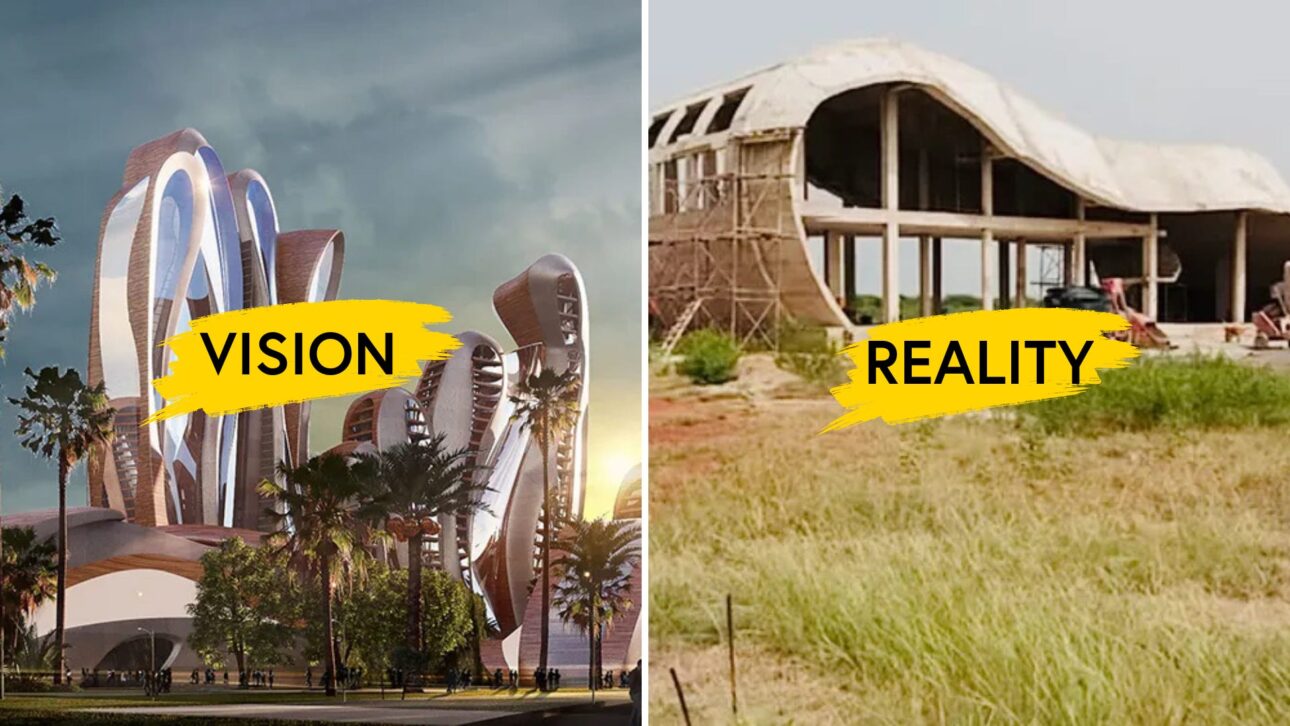
What was supposed to be a futuristic city in Senegal ended up becoming a symbol of unfulfilled promise for various reasons:
Chronic Delays And Lack Of Visible Works
Announced with fanfare in 2018, Akon City was supposed to start materializing that year. However, years later, aerial images and visits to the site show only a few initial constructions, and much of the land remains empty. The lack of visible works fuels doubts about the project’s real execution.
Lack Of Transparency And Communication
The project lacked regular and detailed updates. Official communication was limited to sporadic announcements, often accompanied by optimistic statements but without concrete data on progress. The absence of transparency created an environment of uncertainty for investors and the general public.
Financial Difficulties And The Role Of Cryptocurrencies
One of the promises was that the use of AKOIN, Akon City’s own cryptocurrency, would facilitate financing and local economic operations. However, the volatility of the cryptocurrency market, combined with the lack of reliable institutional investors, compromised the inflow of financial resources needed for the progress of the works.
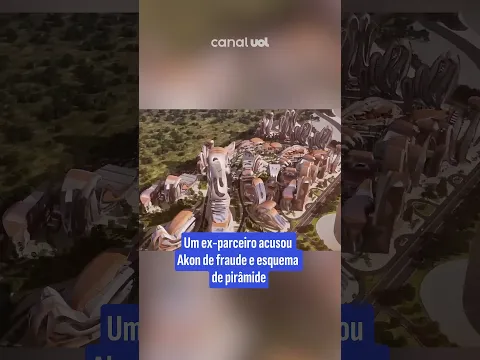
It is estimated that the reported investment of US$ 6 billion was never fully guaranteed, and the reliance on speculative financing contributed to the stagnation.
Criticisms About Economic And Social Viability
Urban planning and economics experts pointed out that the proposal seemed more like a symbolic project than a feasible initiative. Senegal, despite recent advances, still faces challenges in basic infrastructure, education, and public services—essential factors for the success of an undertaking of this magnitude.
Moreover, the proposal generated debates about its real impact on the local population, questioning whether the economic and social benefits would be effectively distributed or whether Akon City would end up reinforcing inequalities.
Impacts Of The Failed Project On Senegal And Africa
Although Akon City is still far from what was promised, the project brought important reflections on urban and technological development on the African continent. The idea of “Real Wakanda” generated a global dialogue about the possibilities and challenges of modernization in Africa.
The case highlights that, for a futuristic city in Senegal or any African country to be successful, it is essential to have:
- Solid Planning: technical, economic, and social viability must be rigorously assessed.
- Strategic Partnerships: alliances with governments, the private sector, and international organizations are essential.
- Local Population Engagement: development must be inclusive, ensuring direct benefits for communities.
- Transparency And Governance: clear information and accountability increase investor and citizen confidence.
Akon City, even as a failed project, serves as a learning experience for future urban initiatives that aim to combine technology and sustainable development in Africa.
Current Scenario And Prospects For Akon City
Currently, the land where Akon City was supposed to be fully operational shows little physical progress. There are no clear deadlines for resuming construction, and the project is under viability analysis by investors and local authorities.
For the futuristic city in Senegal to cease being just an idea, it will be necessary to:
- Reassess the financial model, seeking secure and diversified sources of investment;
- Strengthen public and private partnerships to ensure institutional and operational support;
- Ensure real participation and benefits for the local population, aligning the project with regional needs;
- Improve communication and transparency, demonstrating concrete results and achievable goals.
Without these adjustments, the risk is that Akon City remains a landmark of what could have been, reinforcing the caution regarding large-scale projects conceived with a symbolic focus but lacking a solid foundation.
Rethinking The Futuristic City In Senegal: Lessons For The Future
The story of Akon City, dubbed “Real Wakanda,” shows how the combination of enthusiasm and innovation needs to be accompanied by realistic planning to transform into success. Large investments and bold ideas are essential for the advancement of Africa but must be anchored in solid technical and economic fundamentals.
The project also reinforces the importance of considering the local social and economic context. A futuristic city cannot be an isolated enclave, but rather an integral part of the sustainable development of the country and the continent.
Furthermore, the experience makes it clear that transparency, community engagement, and responsible governance are pillars for the credibility and effectiveness of large-scale initiatives.
With these lessons, Senegal and other African nations can continue to seek innovative projects with real chances of success, attracting investments and improving the quality of life for their populations.
Akon City remains an emblematic reference in the discussion about urban and technological development in Africa. Although it is now a failed project, its legacy lies in the warning about the importance of building dreams on solid foundations, careful planning, and commitment to real results.





-

-

4 people reacted to this.