






 Portuguese
  Spanish


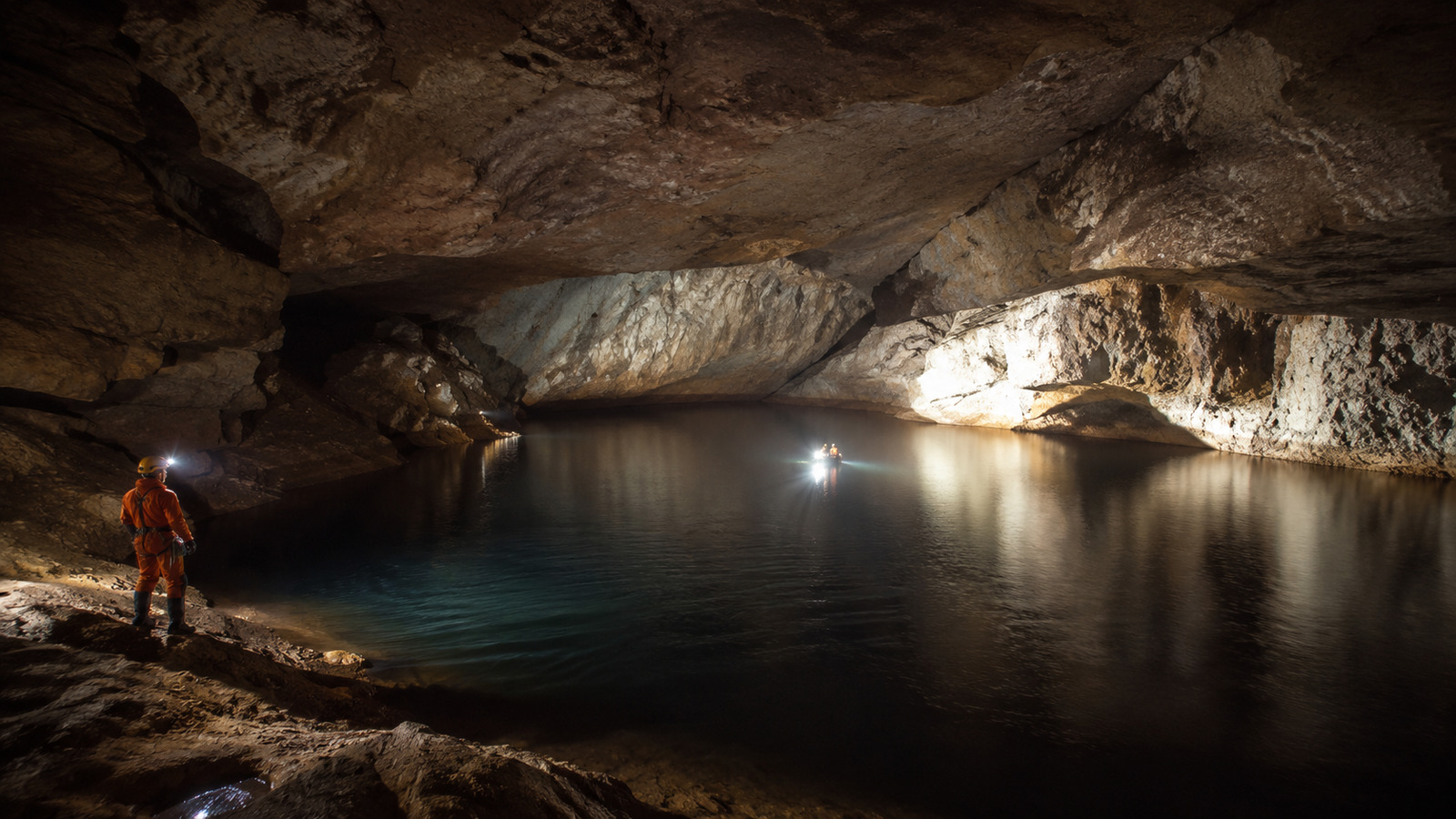


Hidden 60 meters below the dry surface of Namibia, the Dragon’s Breath Cave houses a vast lake, rare species, and expeditions that require technology, experienced divers, and tons of equipment
Sixty meters below the dry surface of Namibia, the Dragon’s Breath Cave holds an underground lake covering nearly 2 hectares and 264 meters deep. Located in the Otjozondjupa region, near Grootfontein, the cave combines difficult access, technical exploration, and rare life forms adapted to total darkness.


Underground lake hidden beneath a discreet entrance
The Dragon’s Breath Cave is about 46 kilometers from Grootfontein, in northern Namibia. From the outside, its entrance is small and unremarkable. Below it, however, lies a warm and humid chamber occupied by a large underground lake.
The water surface covers nearly 2 hectares, an area compared in the consulted material to the approximate size of two football fields.
-
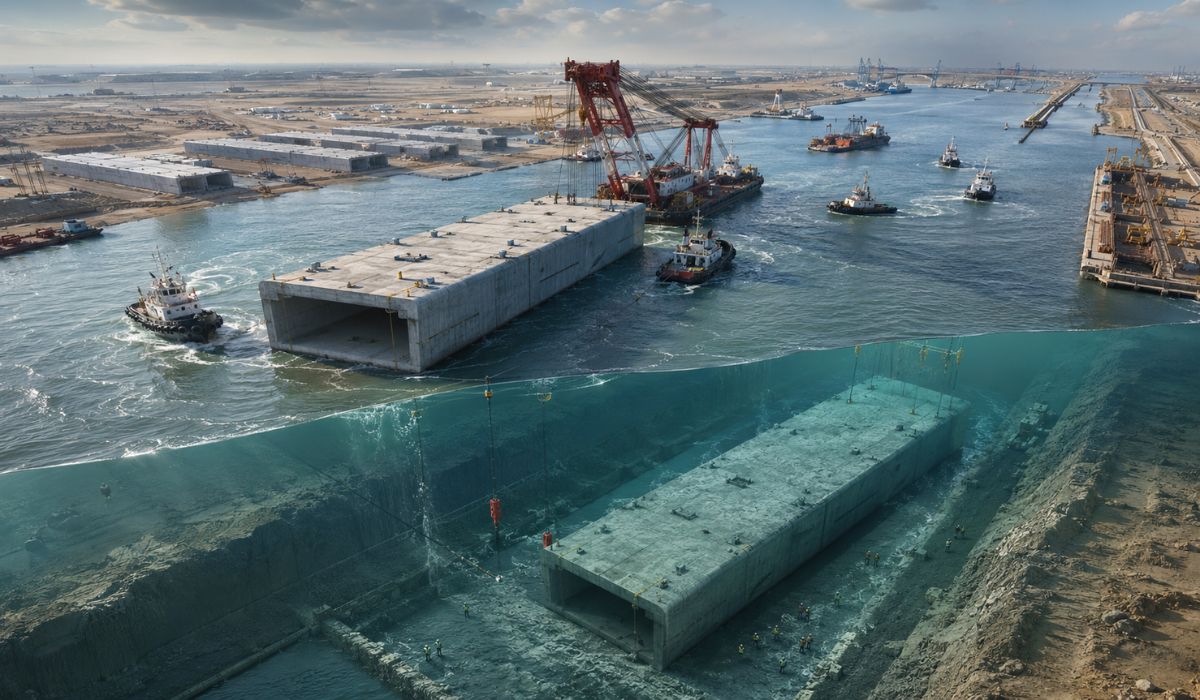
Iraq floats and sinks under an arm of the Euphrates 10 giant concrete boxes of 46,000 tons and 125 meters each to assemble a 2.4 km submerged tunnel and open a new land route between Asia and Europe.

-
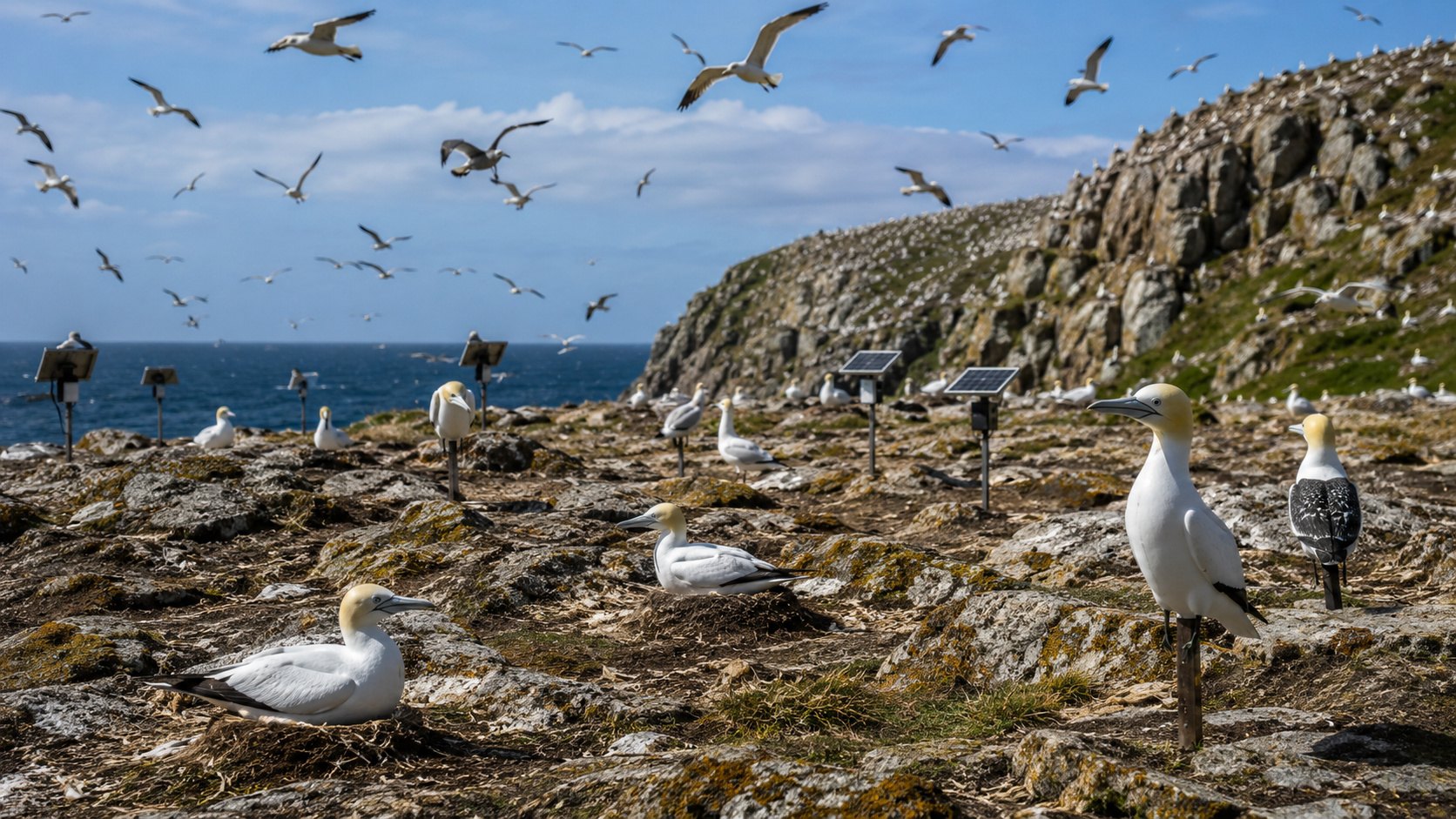
Scientists use more than 20,000 artificial birds and solar speakers to “trick” seabirds, reactivate nesting routes, and revive a colony on an island that seemed abandoned.

-
She spent 73 years breathing inside an iron lung, survived the aftereffects of polio, and became the last woman in the United States dependent on the equipment before dying at 78 years old.
-
Brazilian students created a $1 filter using pine bark, cotton, and 3D-printed parts to clean cassava wastewater, reduce the toxicity of a hazardous waste, and transform contaminated water into biofertilizer.


The lake has been mapped at 264 meters deep, a fact that places the site among the most notable known underground water bodies.
The contrast between the dry surface landscape and the hidden body of water helps explain the scientific and exploratory interest in the cave. Almost nothing on the outside indicates the presence of the large flooded chamber below.
The discovery of the lake occurred in 1986, during a speleological expedition led by South African explorer Roger Ellis. In 1987, he returned to the site with speleologists and divers from the South African Speleological Association.
Karst formation and “breath” gave the cave its name
The cave was formed by karst dissolution, a slow geological process in which groundwater erodes soluble rocks. Over time, this movement creates voids, wells, chambers, and passages, some of which are flooded.
According to a report by Travel Namibia, written by Linda de Jager, the system is located 60 meters below the surface. Access involves a small ladder and passages leading to the chamber where the lake is located.
The name Dragon’s Breath Cave comes from the warm, humid air that exits the interior of the formation. De Jager described, during a visit with entomologist John Irish, a warm breeze forced upwards through a small hole between rocks near the chamber’s ceiling.
Under certain conditions, this air condenses into mist at the entrance. The phenomenon reinforced the image associated with the “dragon’s breath,” a name that became the cave’s most well-known identification.
Autonomous robot measured depth unreachable by divers
For decades, the total depth of the lake remained uncertain. The difficulty was not only in diving but also in reaching the water with heavy technical equipment, transported through wells, uneven terrain, ledges, and vertical walls.
In 2015, a major expedition took divers to a depth of 132 meters. According to the base material, this was the limit of human endurance and technical diving at the time. Even so, the bottom remained inaccessible.
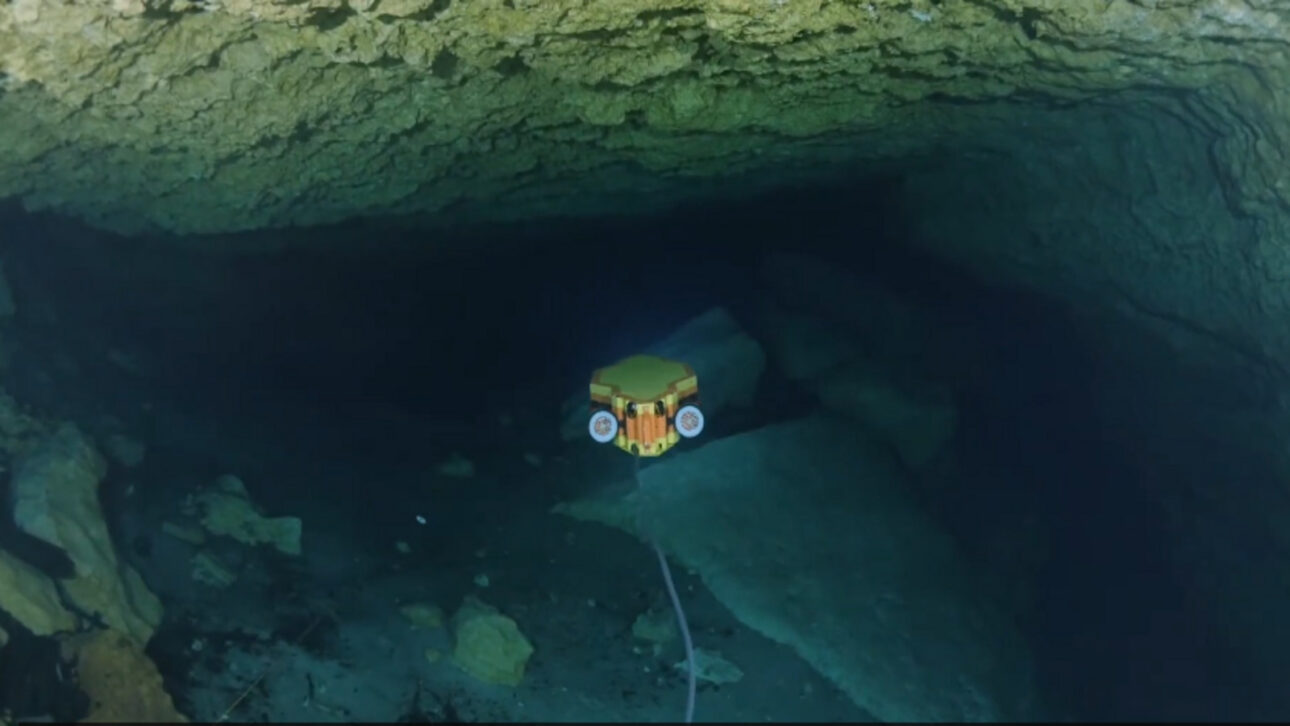
The definitive measurement came in 2019, when Stone Aerospace used the autonomous underwater drone Sunfish.
The system, developed with artificial intelligence for cave exploration, used multibeam mapping and located the bottom at 264 meters.
The expedition leader, Vickie Siegel, described the Sunfish as the first autonomous system to explore a completely unknown location within the Earth. From this mapping, the cave gained a clearer technical dimension.
Human exploration continued. In 2023, an expedition reached about 160 meters deep during a nine-hour dive and advanced through a previously undocumented part of the underground network.
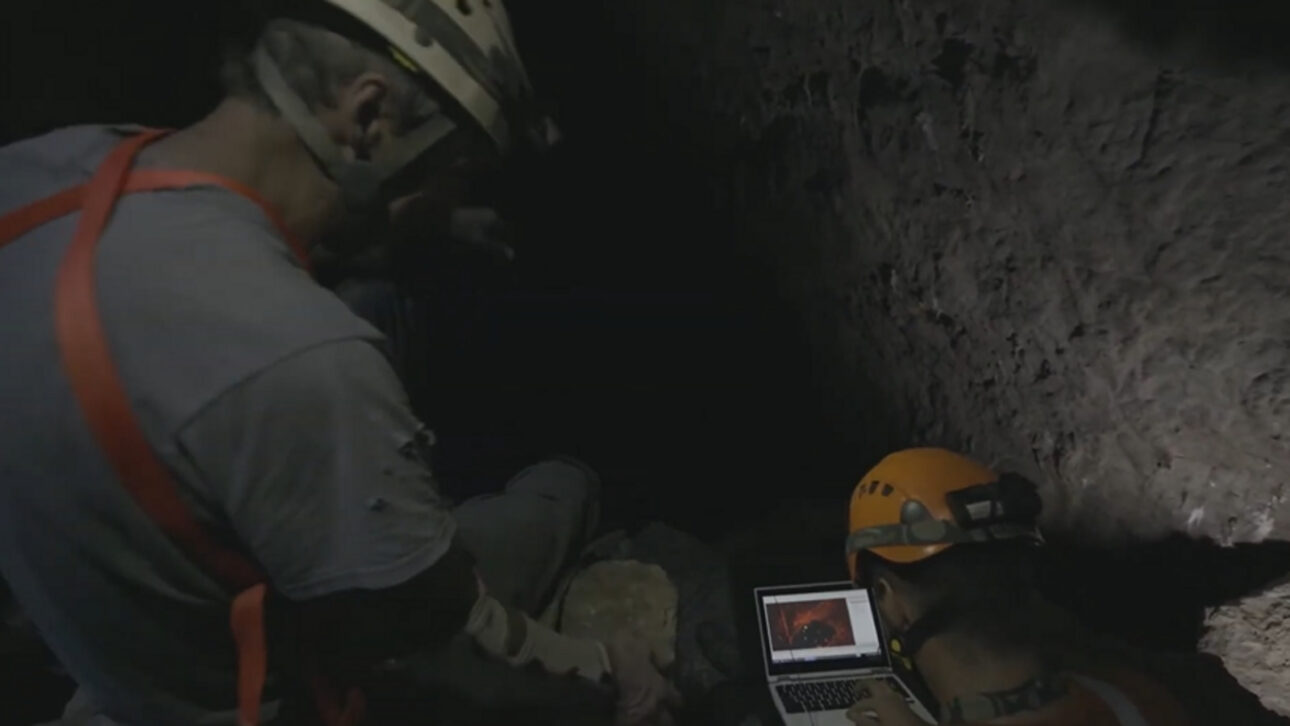
2024 expedition took 1.5 tons of equipment to the water
The practical dimension of the exploration appears in the InDEPTH expedition report, published by Oliver Schöll on November 6, 2024.
The operation lasted six days and brought together Tom Baier, Alan Calovs, Louw Greef, Stefan Gries, Stefan Pape, Oliver Schöll, Markus Schuster, Chris Steencamp, and Ralf Wupper.
The team trained for a year. The objective was 60 meters below the surface, in an environment where any injury could become serious.
Furthermore, a previous exploration showed that there was no solid ground for support near the diving point.
Therefore, the divers needed to plan a base on floating pontoons. They trained descents in inflatable boats from a three-meter platform, donning dry suits and respirators in the water.
The process was optimized. The time required per person dropped from about 20 minutes to 7 to 10 minutes, an important reduction in a cave marked by physical effort, humidity, and heat.
The expedition departed for Namibia on June 12, 2024, with more than 800 kilograms of equipment. After arriving in Windhoek, they traveled about 450 kilometers to Haarsieb Farm, near Tsumeb.
In the cave, the group transported about 1.5 tons of equipment for more than 200 meters to the entrance and then took everything to the water. On June 16, the movement occurred under 100% humidity and 30 °C.
The next day, the divers entered water at 25 °C, with dives expected to last up to 10 hours. At 60 meters depth, they fixed the reel, while the main passage descended at an angle of 30 to 40 degrees.
Schöll reported that video lights with 50,000 lumens illuminated the cave as if it were day. Even so, with 100 meters of visibility, the ceiling and walls of the passage remained invisible.

Rare life depends on a limited food chain
Besides the physical scale, the Dragon’s Breath Cave draws attention for housing species adapted to permanent darkness, crystal-clear waters, and stable temperatures. The most well-known animal is the blind golden cave catfish, Clarias cavernicola.
The source describes the species as one of the rarest and most isolated in the world. The cave also houses blind white shrimp and the Trogloleleupia dracospiritus, a small endemic amphipod whose Latin name means “dragon spirit.”
According to the Travel Namibia report, the amphipod and most other life forms present there depend on bat droppings that accumulate at the bottom of the lake. This limited food chain sustains life in an environment without sunlight.
John Irish described the cave as a huge lake, but almost lifeless, where an unlikely animal community survives in a few inhospitable corners. This combination of isolation, depth, and rare life keeps the location as a target for study and exploration.
This article was prepared based on information from Travel Namibia, the InDEPTH expedition report by Oliver Schöll, and the base material on Dragon’s Breath Cave, with data, numbers, and statements preserved as per the consulted material.





Wonderfully written! . I enjoyed reading , and my wonder of the mysteries of this beautiful planet has just been reignited.