






 Portuguese
  Spanish
  5 min of reading
  0 comments


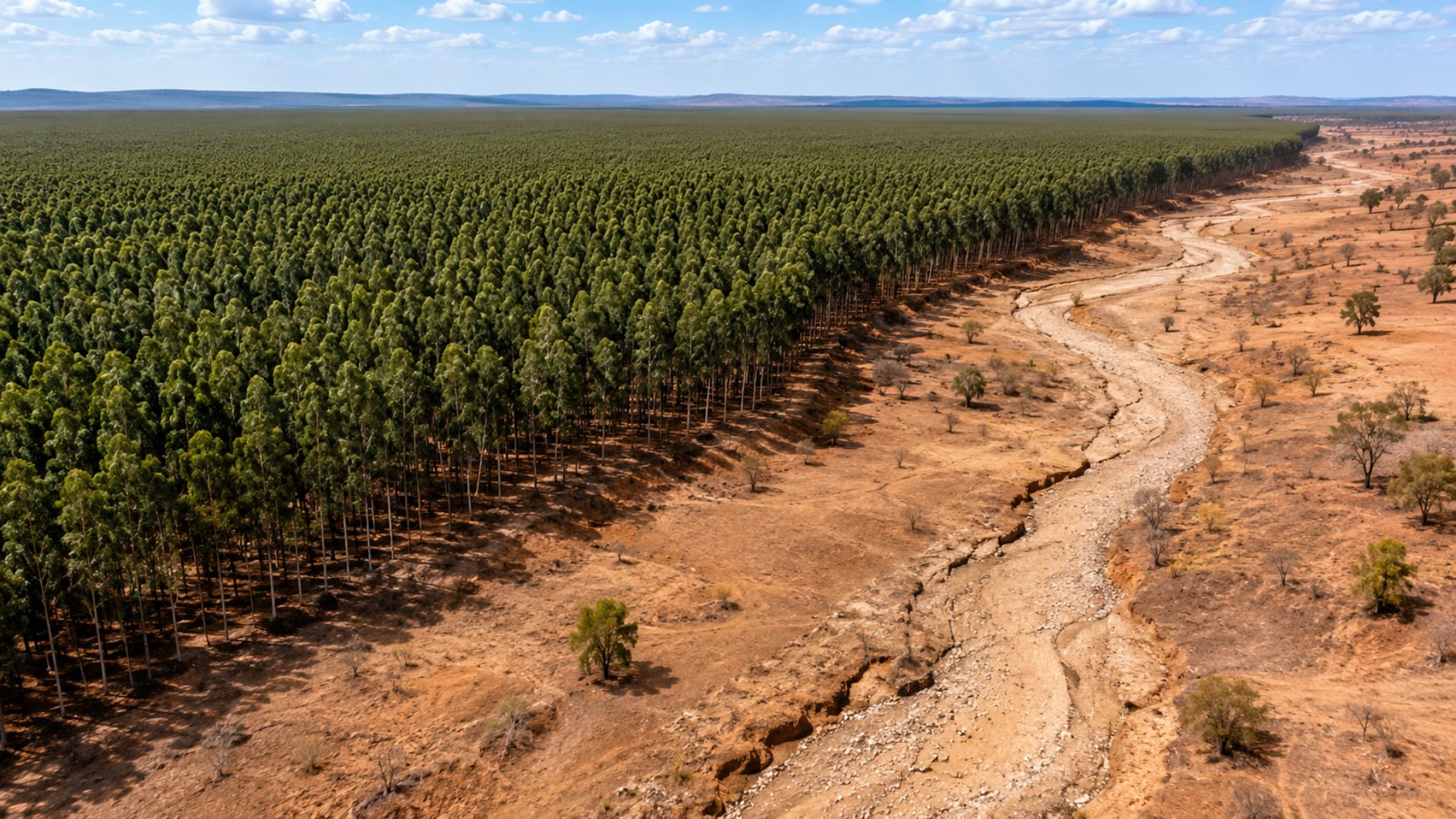
Sold as green progress, the eucalyptus monoculture for cellulose left a bitter trail in the Brazilian countryside. In Minas Gerais and Bahia, communities say that the so-called green desert dried up springs and cisterns, killed wetlands, and forced small farmers to abandon their own land.
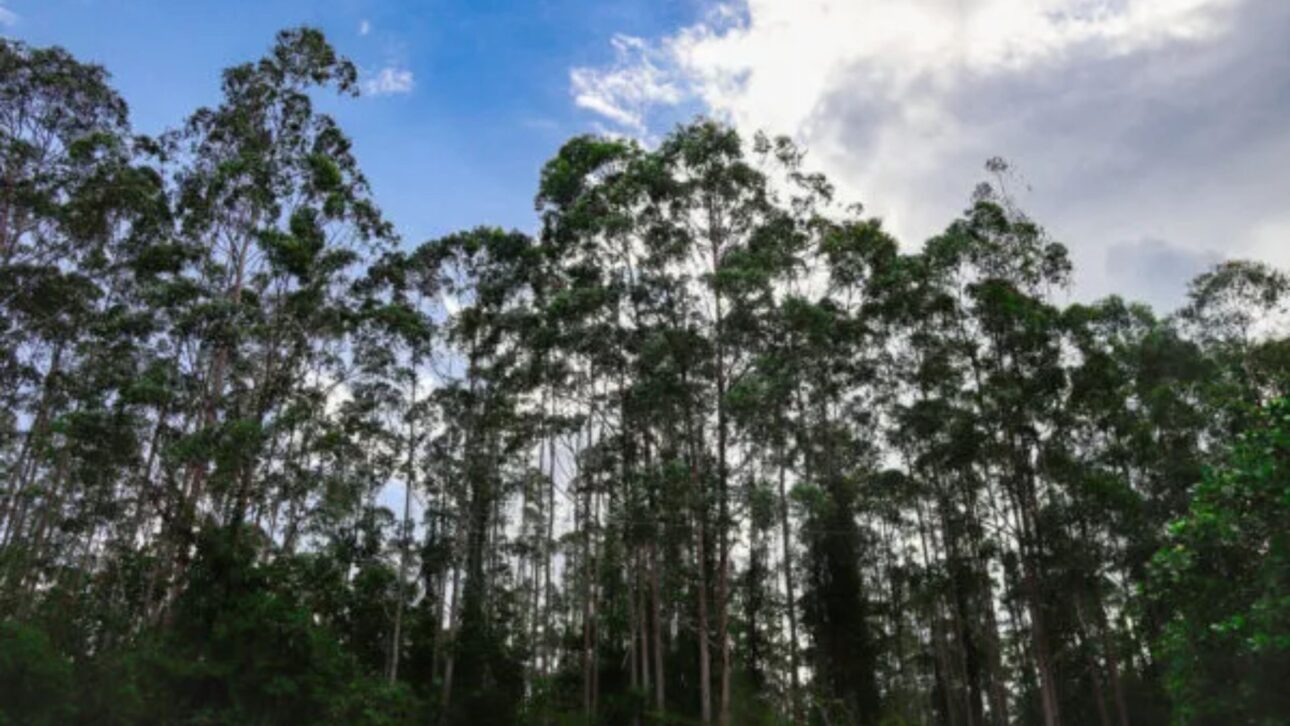
From afar, it looks like a forest. Green, aligned, infinite. But for those living next to the large eucalyptus plantations in the interior of Brazil, that scene has another name: green desert. The expression, used by residents, researchers, and rural movements, summarizes a complaint that resurfaced strongly in June 2026, when new reports about the monoculture of cellulose exposed the price paid by communities in Minas Gerais and Bahia.
The story usually follows the same script. First comes the promise of jobs and development. Then come hectares upon hectares of eucalyptus in rows, replacing savannah, crops, and pasture. And then, according to those who stayed, the springs begin to dry up, the streams disappear, and life becomes unsustainable. What was sold as reforestation, for these families, became synonymous with dead land.
What is the so-called green desert
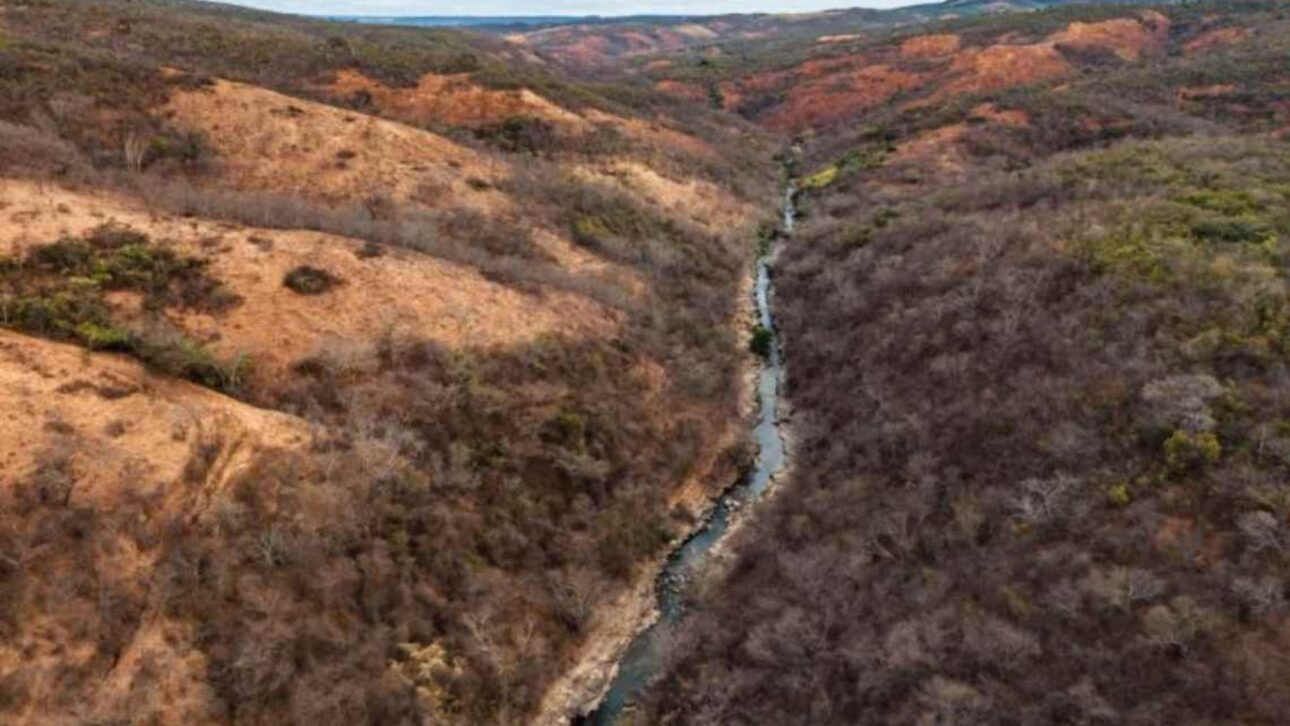
A eucalyptus plantation can be beautiful and look like a forest, but ecologically it functions almost like a desert, as it is a monoculture without the diversity of a native forest. The idea of a green desert appears in the words of researchers and those who live in the region, precisely to highlight this contrast between the lush appearance and the biological poverty of the land.
-
Coal mine purchased for $2 million in Wyoming, the Brook Mine holds rare earth elements and critical minerals estimated at up to $37 billion, in an asset that the US is competing for with China.

-
The most common mistake when storing eggs is leaving them in the refrigerator door, where temperature fluctuations crack the shell, remove the cuticle, and cause them to lose freshness, with a risk of contamination.
-
A city has planted 880,000 trees and 2.5 million smaller plants since 2016, reduced the temperature by up to 3°C in some areas, and won an international award for using vegetation to combat urban heat in Colombia.
-
More than half of the residents of this city live underground to escape the brutal heat of 50°C: in the world’s largest opal hub, houses, churches, and hotels are carved into the rock and maintain around 23°C year-round in the Australian desert.


In Brazil, the scale is impressive. Minas Gerais has the largest area of eucalyptus in the country, with about 1.4 million hectares planted, much of it aimed at the pulp and paper industry. When this sea of trees advances over the cerrado and sensitive areas, the balance of the landscape changes. And that’s when the green desert stops being just a metaphor and starts appearing in the springs that dwindle and the crops that no longer thrive.
The springs that dried up
The heart of the complaint is about water. The deep roots of eucalyptus and the accelerated growth rate of monoculture consume a lot, and in dry regions, this is significant. A study cited in Minas Gerais indicates that the culture consumes about 230 liters of water per square meter more than the cerrado and lowers the water table by about half a meter per year. In the north of the state, where it rains about a thousand millimeters annually, the eucalyptus alone would consume a good part of this, leaving a deficit for the rest.
The most felt effect is on the veredas, those wet areas that function as natural sponges, recharge aquifers, and hold back river flows. In the region between Curvelo and Três Marias, and also in the Jequitinhonha Valley, residents and surveys report substantial losses of springs, with hundreds of water points drying up. “The eucalyptus dried up the springs, what once allowed planting turned into dead land,” summarized a farmer from Veredinha, in the north of Minas Gerais. For these families, the pulp that becomes clean paper in Europe was born from a cerrado that ran out of water.
The families that left
In the far south of Bahia, in the so-called Pulp Valley, the monoculture of eucalyptus has advanced since the 1980s and 1990s and today covers about 600 thousand hectares. Along with the advance came land conflicts, allegations of land grabbing, and the encirclement of traditional communities, quilombolas, and small farmers who found themselves isolated in the middle of the plantations.
The result appears on the roads. Thousands of families, according to social movements, ended up camped on the sides of the highways in the far south of Bahia, waiting for a piece of land to plant and survive. Those who neither sold nor were pressured to leave often ended up without water and without neighbors, surrounded by eucalyptus as far as the eye can see. The green desert, in this case, not only dried up the springs but also dried up the social fabric of those who lived there.
The Other Side: What the Industry Says
To be fair, it is necessary to hear the other side, and they disagree with the nickname. Forestry research entities and the pulp industry itself maintain that eucalyptus does not consume more water per unit of wood produced than other fast-growing plants. Studies linked to the sector claim that well-managed plantations can have water consumption similar to that of native forests and classify the idea that “eucalyptus dries up springs” as a myth when cultivation is done with care.
The point where even critics and defenders tend to converge is the issue of scale and location. Planting large blocks of monoculture in already dry regions, over wetlands and headwaters of springs, is different from cultivating with planning and respect for recharge areas. Large companies in the field highlight that they preserve significant portions of native vegetation on their lands. The dispute, in the end, is less about the tree itself and more about how much, where, and how the green desert spreads across the map of Brazil.
The case of eucalyptus shows that not all green is synonymous with healthy nature. On one side, a billion-dollar pulp industry that generates jobs and exports. On the other, communities that swear they have seen their springs dry up and their crops die because of the monoculture they call green desert.
Between progress and the socio-environmental cost, the question remains: is it possible to grow without drying up the ground of those who live nearby? And you, have you seen the effects of such a plantation up close, or do you think the problem is exaggerated? Share your view in the comments.
CITED SOURCES
- Combate Racismo Ambiental — “Green Steel” that shines in Europe dries up Jequitinhonha
- Mapa de Conflitos / Fiocruz — Region between Curvelo and Três Marias and the loss of springs
- Brasil de Fato — Eucalyptus monoculture expels populations in the Extreme South of Bahia (displaced families, Vale da Celulose)
- Estado de Minas — Study links eucalyptus monoculture to water scarcity in the semi-arid region (water consumption data and groundwater)
- Embrapa — Eucalyptus and water (technical counterpoint) (view that consumption is proportional to biomass)


Be the first to react!