






 Portuguese
  Spanish
  7 min of reading
  0 comments


In Alladale, in the Scottish Highlands, native trees have started to advance again after fencing, management, and nearly 1 million trees planted. The Caledonian forest passed 15 official criteria from NatureScot, left the state of decline, and became an example of restoration in 23,000 degraded acres after 20 years.
The trees have started to grow again in Alladale, in the Scottish Highlands, after Paul Lister bought the property in 2003 and initiated a long-term restoration project. The work involved fencing, landscape management, planting of native trees, and recovery of the Caledonian forest.
In a video released by the Weekly Discoveries channel, the result was officially recognized in 2023, when experts from NatureScot assessed the fragment of Caledonian pine forest and concluded that it had returned to a favorable condition. The forest, once described as degraded and in decline, passed the 15 criteria used to measure its health.
Area was seen as a beautiful but degraded landscape
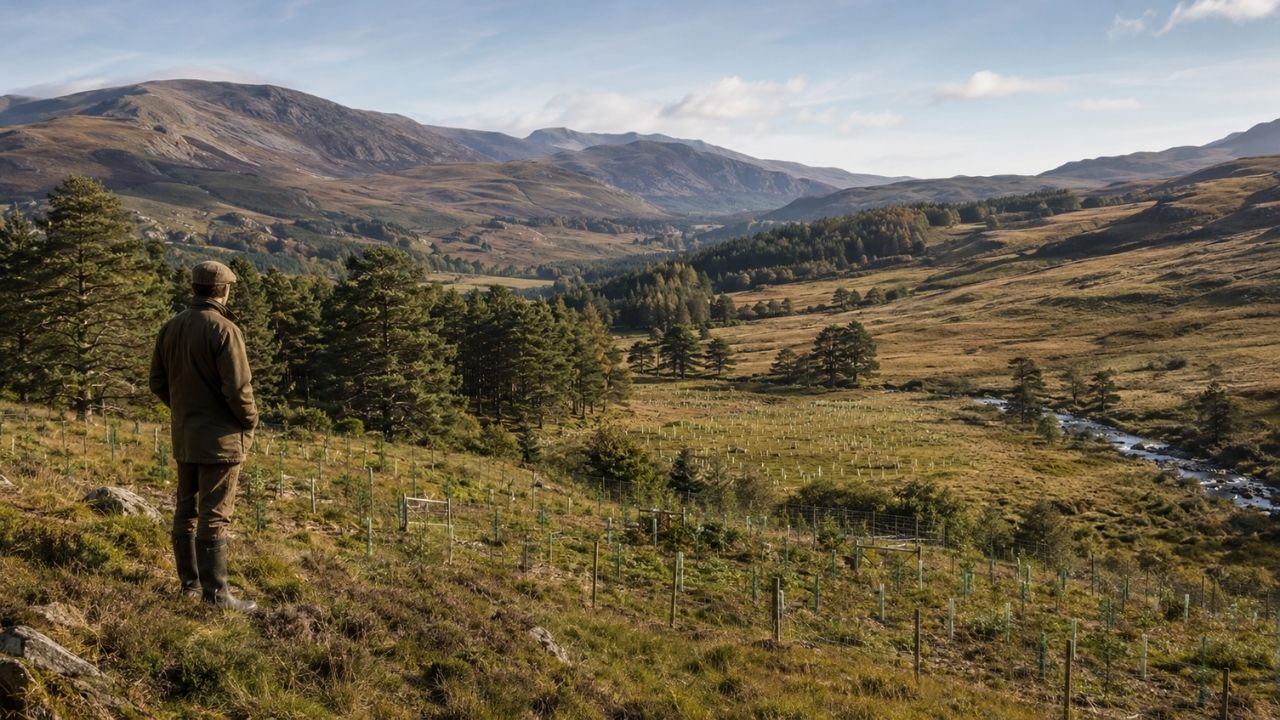
The Scottish Highlands are often remembered for open mountains, empty slopes, and wide landscapes. But from an ecological standpoint, part of this scenery carries a history of deep forest loss.
-
The oceans received a historic investment of $6.4 billion for conservation, blue economy, and sustainable fishing, but the question is whether the promise will actually turn into protected seas.

-
10-year-old boy from Bahia finds a different way to multiply, reorganizes partial sums in base 10, and transforms a common school calculation into an example of mathematical creativity that went beyond the test, was reviewed by teachers, and turned into a technical article.

-
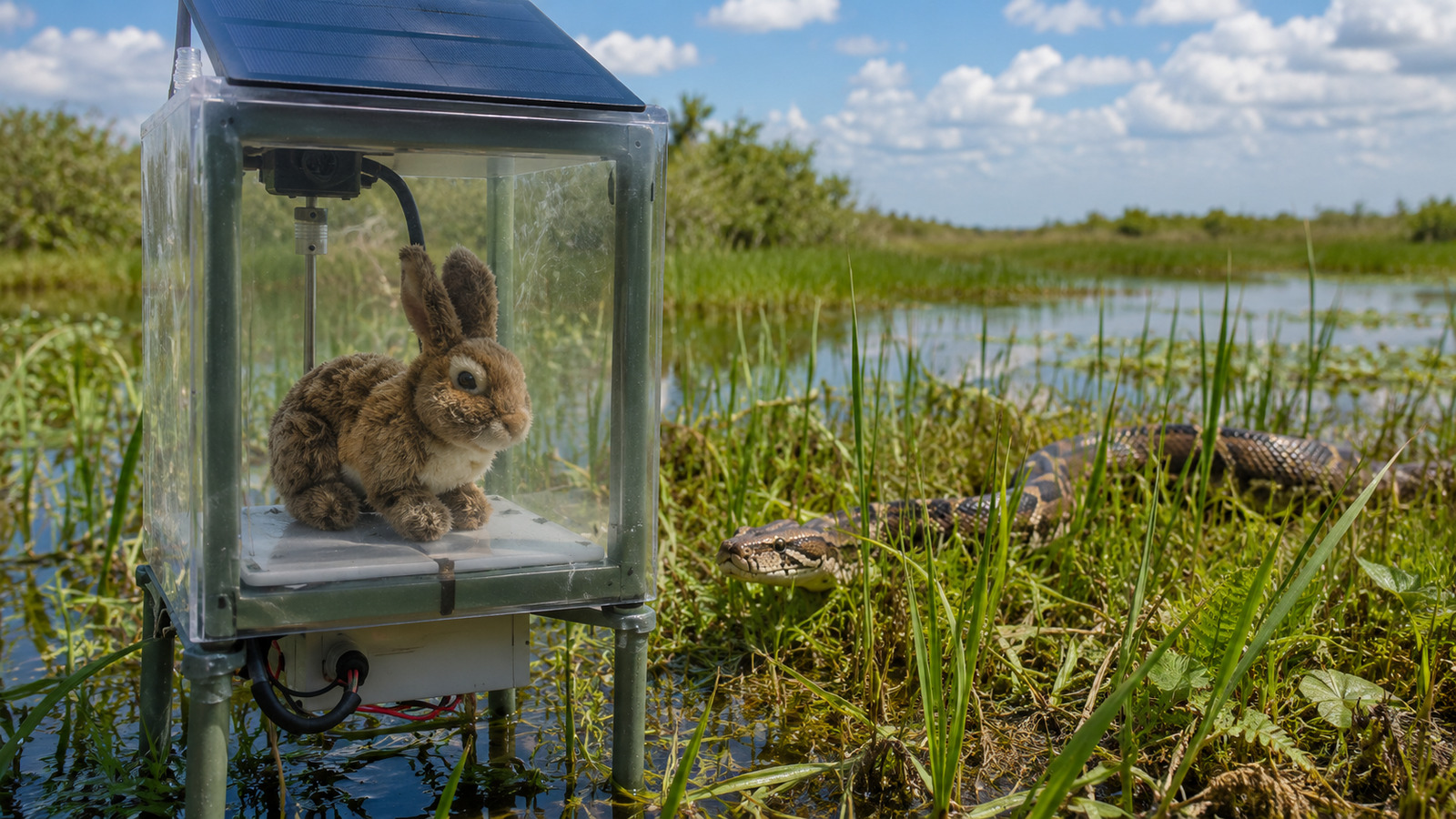
Florida begins sending robotic rabbits to the Everglades swamps, where they mimic prey, use cameras, AI, and sensors to attract and locate invasive pythons hidden in the mud and vegetation.

-
Engineers in Brazil deploy a robot dog to enter pipelines of a R$ 134.7 million project, facing mud, sand, humidity, and toxic gases, and send data in real-time without exposing workers.



In Alladale, the landscape purchased by Paul Lister had visual beauty but little natural regeneration. The problem was not just the lack of mature trees, but the absence of a new generation of seedlings growing to replace the old forest.
Heir bought 23,000 acres in 2003
Paul Lister bought Alladale in 2003, using the fortune linked to his family’s furniture sector. The area, with 23,000 acres, was located in a region of the Highlands marked by fragments of ancient forest and large open stretches.
Instead of keeping the property solely as a traditional hunting area or tourist landscape, Lister decided to invest in ecological restoration. The goal was to transform an impoverished land into a reserve capable of recovering lost natural functions.
Caledonian forest almost disappeared
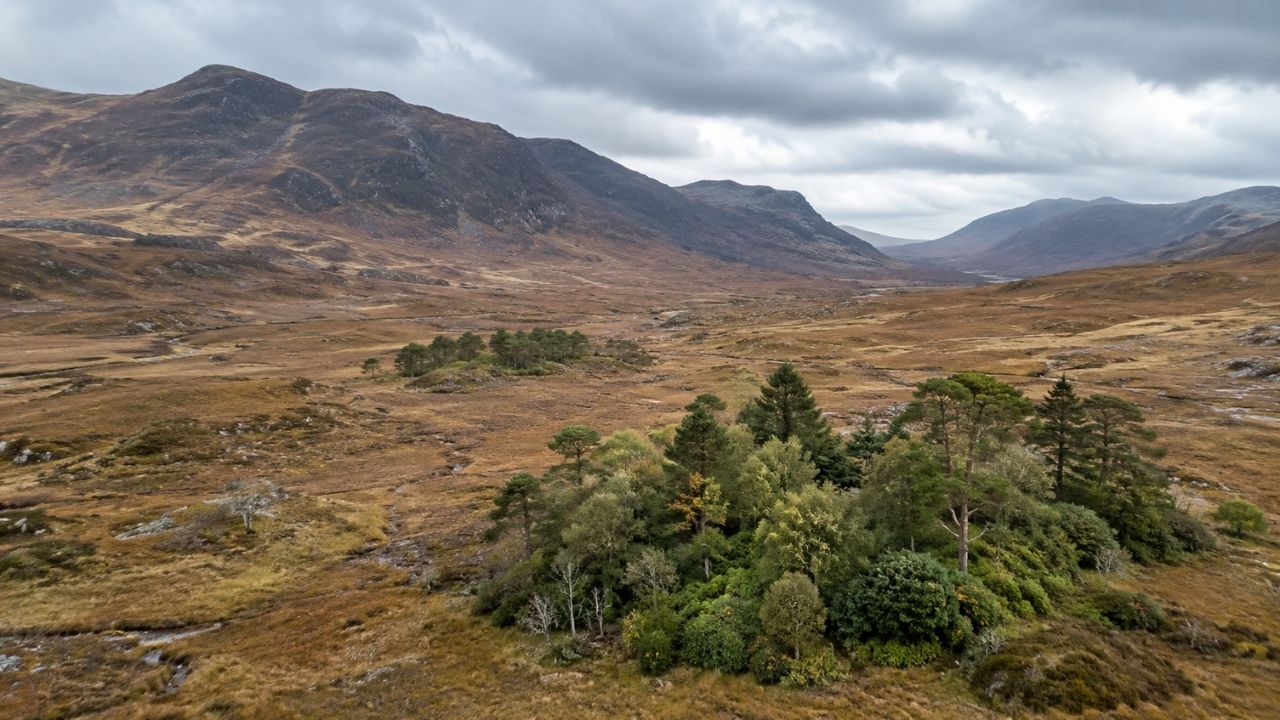
The Caledonian forest once covered large parts of Scotland after the last ice age. It was composed of Scots pines, birches, rowans, junipers, willows, and other species adapted to the climate and soil of the Highlands.
With centuries of logging, burning, agricultural use, and landscape transformation, this forest was reduced to a few fragments. Today, the importance of each remaining area is enormous because it holds the living memory of an almost lost ecosystem.
Alladale had old trees, but little renewal
One of the signs of collapse was the presence of old trees without natural replacement. The mature pines still produced seeds, but the new seedlings could not progress to adulthood.
This type of decline is silent. The forest does not disappear overnight; it ages, fails to reproduce, and gradually loses its future, tree by tree.
Fences changed the fate of the seedlings
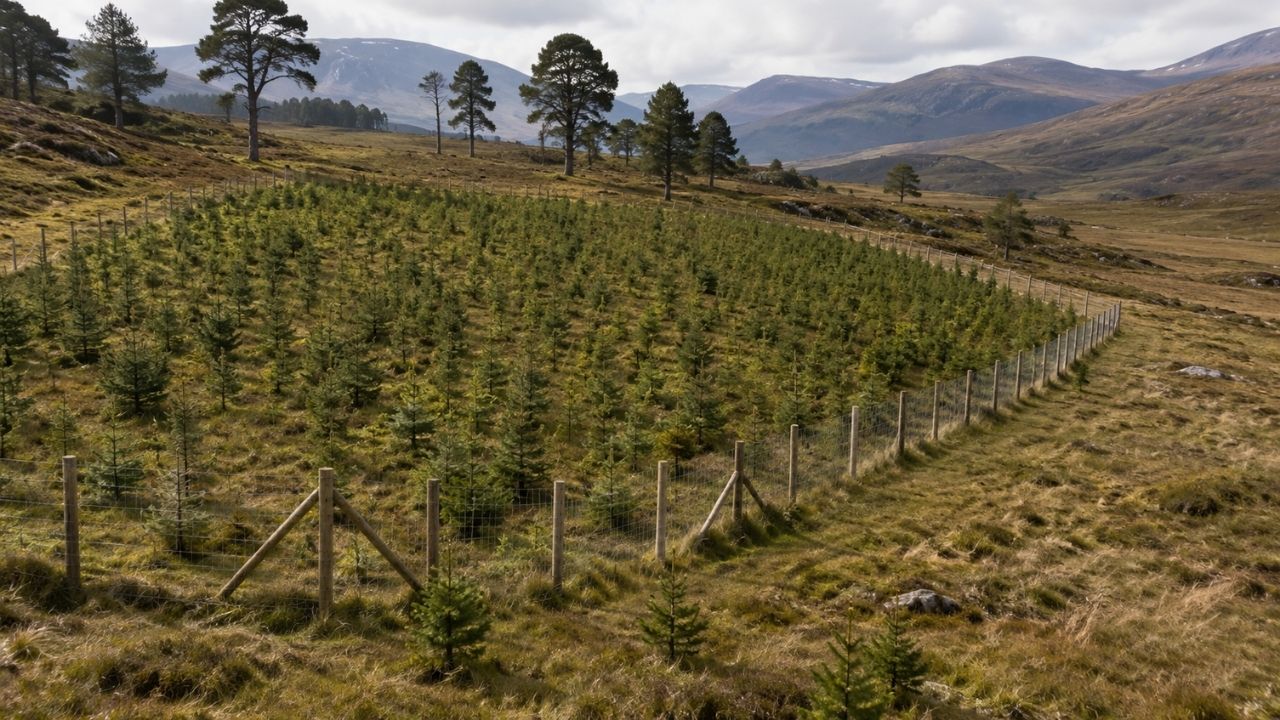
The initial solution was simple and decisive: fence strategic areas to protect young seedlings. Without this barrier, the newly sprouted vegetation would remain vulnerable to constant pressure on initial growth.
The fencing gave the forest time to breathe. When the seedlings were no longer interrupted early on, the native trees could grow, gain height, and form a new forest structure.
Almost 1 million trees have been planted
The Alladale team has planted almost 1 million native trees over years of restoration. Among the species mentioned in the project are pines, rowans, willows, junipers, and birches.
This planting did not aim to create just any artificial forest. The choice of native trees helped to rebuild a landscape compatible with the ecological history of the Scottish Highlands.
Planting was not the only objective
Despite the impressive number, success did not depend solely on putting seedlings in the ground. The main question was whether the forest could regenerate on its own after the initial protection.
This point is essential. A truly strong restoration is not measured only by the number of trees planted, but by the forest’s ability to produce new trees without always relying on human intervention.
Peatlands were also restored
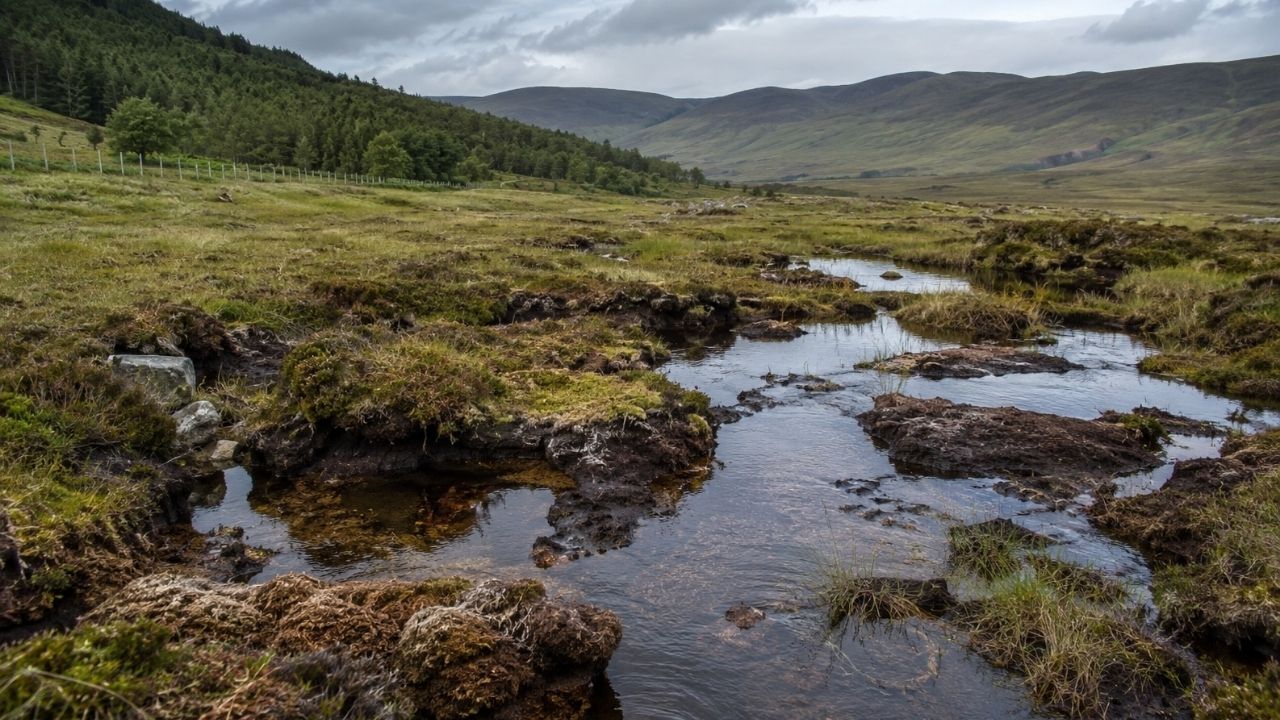
In addition to planting, the project involved the restoration of degraded peatlands. These wetlands are important because they store carbon, regulate water, and help keep the landscape more resistant to degradation.
Small interventions can reduce erosion and retain moisture in the soil. By recovering peatlands, Alladale not only restored trees but also part of the water and climate base that supports the forest.
Landscape management reduced pressure on the forest
Another decisive point was managing the pressure on the seedlings. In a landscape where young growth was constantly interrupted, the old forest could not form its next generation.
With the control of this pressure and the physical protection of sensitive areas, regeneration gained strength. The change shows that, often, nature needs less total replacement and more a real chance to grow back.
NatureScot evaluated the area in 2023
In the summer of 2023, NatureScot technicians returned to the site to assess the evolution of the Caledonian pinewood. The inspection analyzed different layers of the forest, from the tree canopy to the ground.
The result was considered a milestone. The area passed the 15 official criteria used to measure the condition of a native pine forest, leaving behind the classification of decline.
The 15 criteria measure more than trees
The assessment does not only look at the presence of adult trees. It considers tree health, coverage, shrubs, ground vegetation, soil, and other signs of ecological functioning.
This makes the recognition more significant. Alladale did not receive approval for appearance; the forest had to demonstrate structure, vitality, and continuity capacity.
Understory has grown back strongly
A sign of recovery was the return of denser vegetation in the understory. Where there were once open slopes and low vegetation, richer layers of plants, shrubs, and seedlings have emerged.
This growth even changes the experience of walking through the area. The landscape has gone from being just visually beautiful to having ecological density, with more protected soil and more complex vegetation.
Forest is no longer a fragment in decline
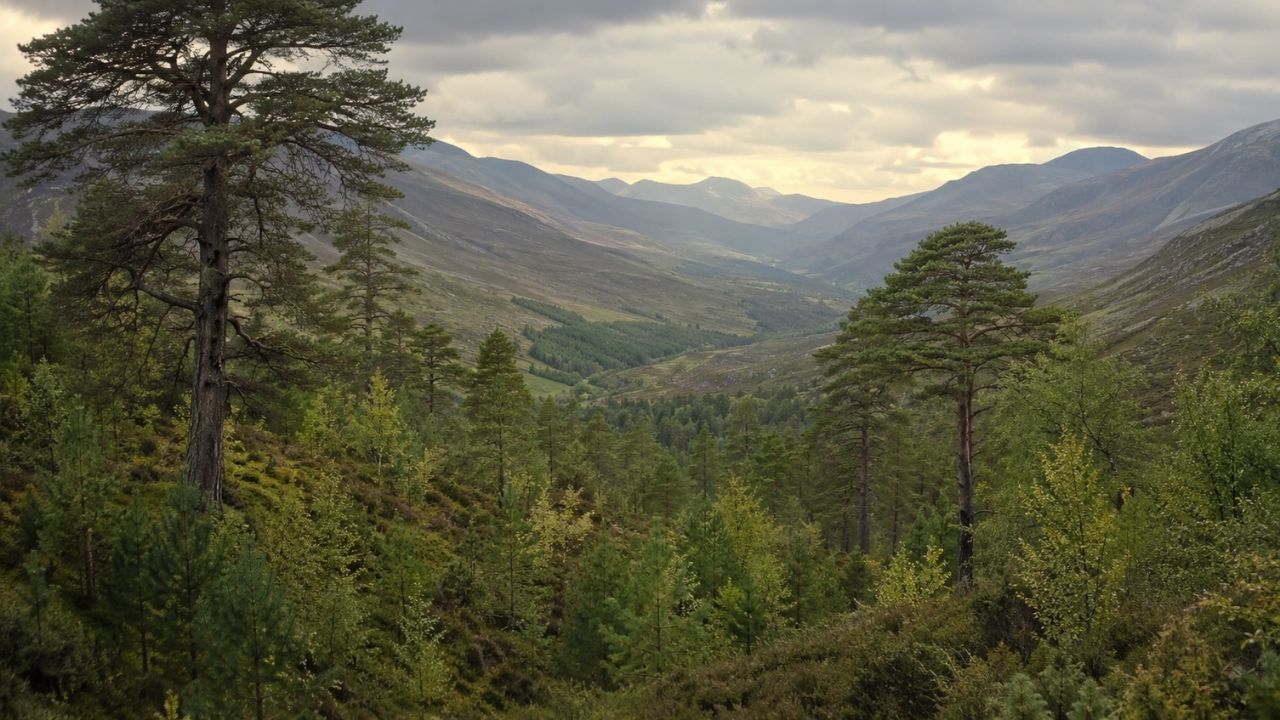
Before the restoration, the Alladale pine forest was seen as an ancient fragment in deterioration. There were surviving trees, but the system did not seem capable of sustaining its own renewal.
After 20 years of work, the picture changed. The forest has shown signs of expansion again, with young trees growing alongside the old ones, forming a bridge between past and future.
Project shows the strength of natural regeneration
The case of Alladale shows that degraded landscapes can respond quickly when pressure factors are reduced. In two decades, an area in decline has come to be recognized as healthy.
This does not mean that all restoration is simple. But it shows that the ecosystem still held recovery capacity, as long as young trees had real conditions to survive.
A fence became a restoration tool
The fence, in this case, was not just a property division. It served as a temporary ecological protection tool, allowing the forest to go through its most vulnerable phase.
This detail is powerful because it contradicts the idea that restoration always depends on complex solutions. Sometimes, the first breakthrough comes from a direct measure: preventing the new forest from being destroyed before it grows.
Restoration requires decades, not weeks
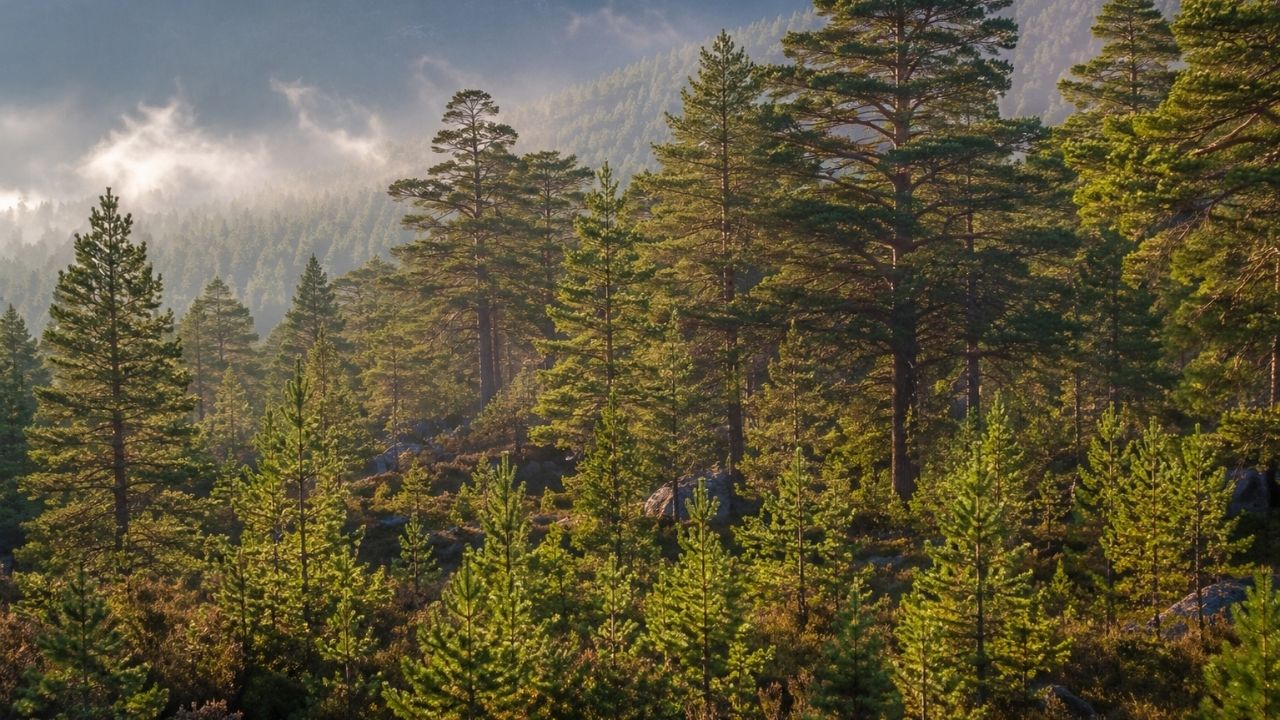
The case also shows that recovering a forest does not fit the fast pace of headlines. Trees need years to gain height, form canopies, produce seeds, and alter the surrounding microclimate.
Therefore, official recognition after 20 years carries weight. It indicates that restoration has moved from being a promise to being an observable, measured, and validated result in the territory.
Alladale became an example of private management
The story draws attention because it started from a private property. An heir bought a large degraded area and directed resources towards restoration, fencing, planting, and habitat recovery.
This model also opens up debate. To what extent can large landowners accelerate environmental recovery when they use land, money, and management to restore entire landscapes?
Recovered forest also helps the climate
Restored native trees and peatlands contribute to storing carbon and improving landscape resilience. In a context of climate change, this role gains importance.
The recovery is not just aesthetic. A healthy forest protects soil, retains moisture, stores carbon, and makes the region less vulnerable to continuous degradation.
The challenge is to maintain the forest without permanent dependency
Even with success, the project still raises a difficult question: should restoration always depend on fences and human management, or should it progress to a more self-sustaining system?
The answer is not simple. Alladale showed that human intervention can initiate recovery, but the long-term goal is for the forest itself to sustain and expand.
The greatest lesson is in young trees


The strongest symbol of change is not just in the ancient pines that have endured. It is in the young trees that have finally managed to grow after decades of interruption.
These seedlings represent continuity. When a forest begins to form its next generation, it ceases to be just a remnant of the past and starts to have a future.
A forest has regained its future
The trees of Alladale tell a story of rare recovery in the Scottish Highlands. An area of 23,000 acres purchased in 2003, nearly 1 million native trees planted, fences, landscape management, and restored peatlands have transformed a declining pine forest into a forest officially recognized as healthy.
The case shows that degraded landscapes can recover when given time, protection, and consistent management. The question is whether such projects should be replicated in other degraded regions of the world, even when they require decades of investment and patience. Do you think enclosing, planting, and waiting can be a real solution to recover lost forests? Share your opinion.







Be the first to react!