






 Portuguese
  Spanish
  5 min of reading
  0 comments


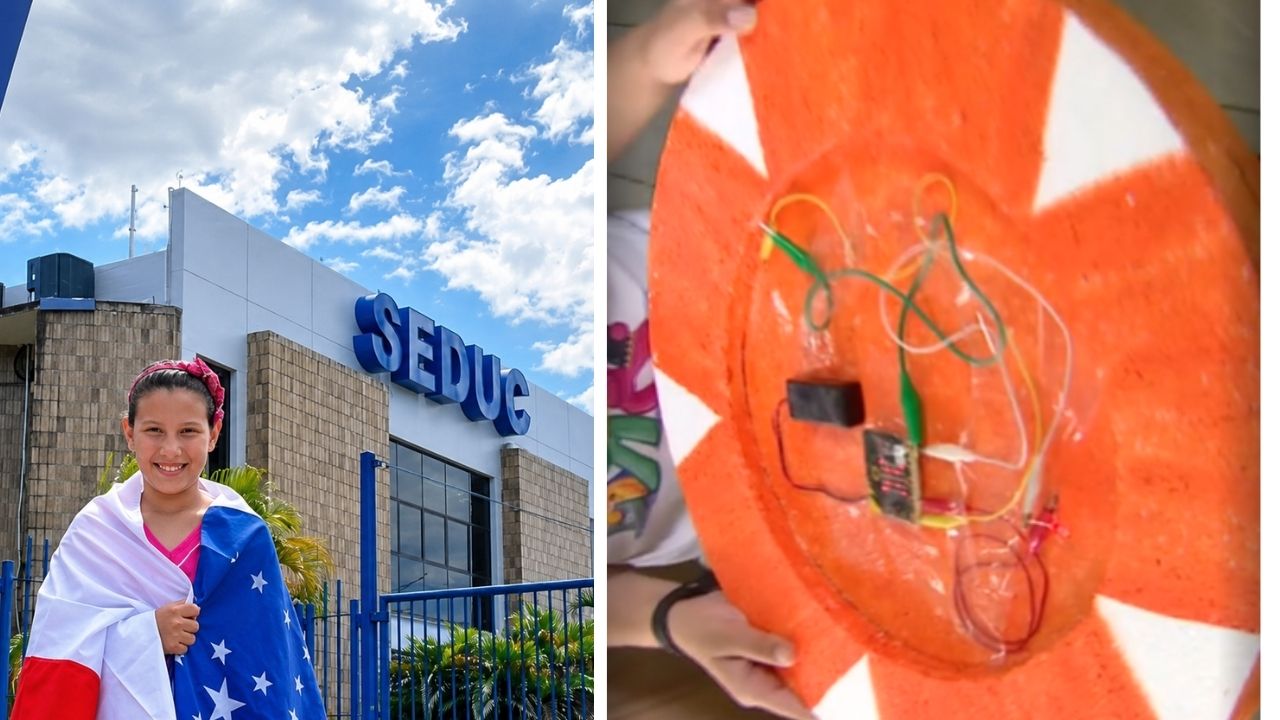
The styrofoam buoy with a sensor created by Kathellen Sabrina dos Santos Lima, 10 years old, in Manaus, uses micro to signal waste in streams. Guided by Professor Tiago Cauassa, the student was selected for the Micro Global Challenge in London as the only representative from Latin America in the international children’s competition.
A styrofoam buoy with a sensor created by a 10-year-old girl in Manaus turned the pollution seen in the streams into a sustainable idea with simple technology. The invention by Kathellen Sabrina dos Santos Lima was designed to signal when waste appears in the water.
The project gained attention when it was selected for the Micro Global Challenge, an international challenge promoted by the Microbit Foundation in London, aimed at children aged 8 to 12. According to Portal Amazônia, Kathellen was the only representative from Latin America among those selected.
Idea born from pollution seen near home
Kathellen lived in Manaus, Amazonas, and was bothered by seeing streams full of garbage. From this reality, she decided to create a solution that would draw attention to the irregular disposal of waste in the water.
-
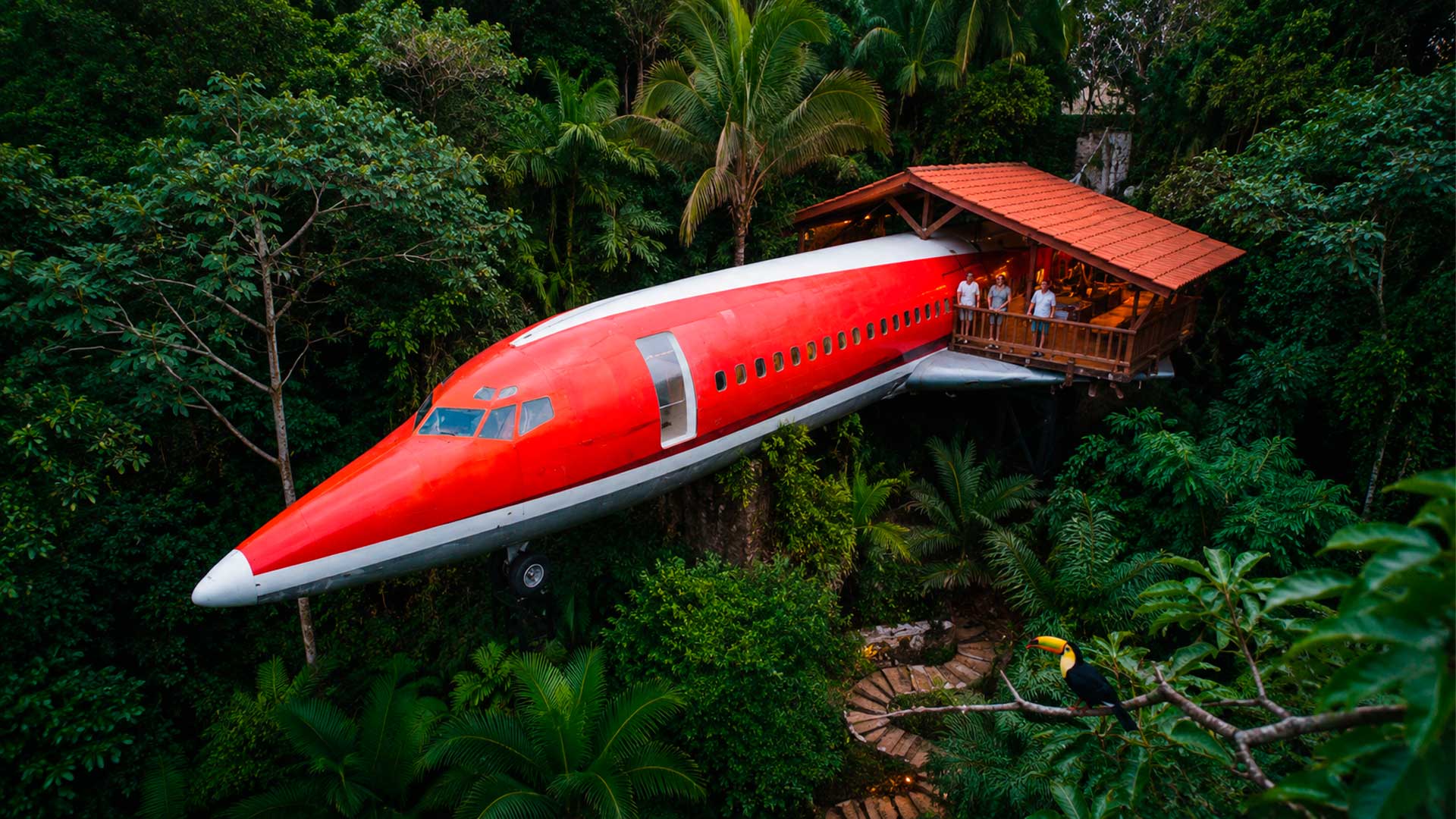
It was neither a crash nor abandonment; this retired plane left the airport in parts, crossed Costa Rica on trucks, and ended up becoming a suite in the heights with daily rates exceeding R$ 2,000.

-
She panicked when she saw her daughter fall from the crib; years later, she turned the experience into a factory generating R$ 9 million per year.

-
At 75 years old, João José de Carvalho, known as Mr. Janjão, was accepted for the second time by Sisu after overcoming distance, physical limitations, and years away from school, to fulfill his dream of studying Biological Sciences at UFPI.
-
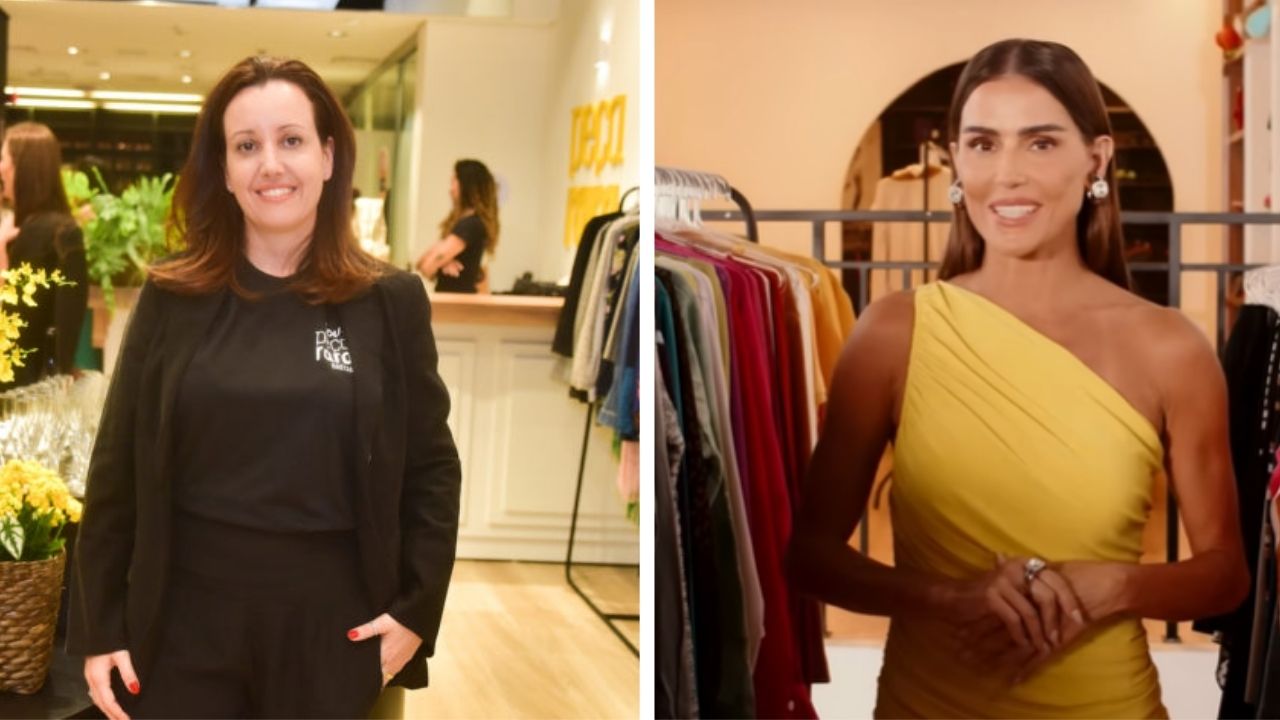
A thrift store that started with children’s clothes and a loan from grandma turned into a network worth R$ 300 million per year: Peça Rara grew to 130 stores, sold 4 million items, and transformed used items into a national circular economy business.



The styrofoam buoy with a sensor emerged as an attempt to help identify trash being thrown into streams. The strength of the story lies precisely in this: a child observed an everyday problem and tried to respond with a simple, visual invention connected to the environment.
Project uses micro as a signaler
According to Portal Amazônia, the project was named “Boia”. The invention consists of a buoy made of styrofoam and equipped with a micro board, a small programmable computer used in educational technology activities.
The proposal is for the equipment to function as a signaler when waste appears in the water. Recicla Sampa also describes the invention as a kind of buoy that alerts when there is floating waste, highlighting the use of a sensor to warn about trash in the rivers.
Teachers took robotics beyond the classroom


The project was guided by the professor of robotics Tiago Cauassa. According to sources, he developed voluntary initiatives to bring children from public and private schools closer to technology, focusing on inventions aimed at societal problems.
Cauassa opened spots for students interested in participating in the international challenge. From there, children created projects in areas such as health, safety, and the environment. In Kathellen’s case, technology was used to look directly at the reality of the igarapés in Manaus.
International challenge had children from various continents
The Micro Global Challenge was launched by the Microbit Foundation in London for children between 8 and 12 years old. According to Portal Amazônia, participants were to create inventions using the micro to try to solve problems related to global goals.
Kathellen secured one of the six spots in the competition. The award ceremony was scheduled for January 28, 2019, at the Museum of London, and the Brazilian student was selected alongside children representing other regions of the world.
Only representative from Latin America
The achievement drew attention because Kathellen became the only representative from Latin America in the challenge. At 10 years old, the 5th-grade student from Itacyara Nogueira Pinho State School brought an Amazonian solution to an international showcase.
The styrofoam buoy with sensor put Manaus at the center of a conversation about childhood, robotics, and environmental preservation. The project showed that a simple idea can gain symbolic scale when it arises from a real and recognizable problem.
Invention targets igarapés, not large laboratories
Kathellen’s proposal does not depend on a complex industrial structure. The basis of the project is a styrofoam buoy, a programmable board, and a direct objective: to facilitate the identification of trash in waterways.
This point helps explain the invention’s appeal. Instead of originating from a distant laboratory, the solution was born from a local observation. The student wanted to act on a problem she saw in her own city, where the igarapés are part of the urban and environmental landscape.
Robotics appeared as a tool for citizenship
The story also shows how robotics can go beyond competitions and technical classes. In the project, the micro served as a tool to think about the environment, waste disposal, and water care.
The styrofoam buoy with sensor combines technological education and environmental awareness. For children, this type of experience can transform the idea of technology: it ceases to be just a screen or toy and becomes an instrument to solve concrete problems.
Kathellen wanted to change the reality of the streams
In a statement cited by Portal Amazônia, Kathellen stated that she wanted to do something to change the reality of the streams and to stop people from throwing trash in these places. She also mentioned that she had never worked with robotics before, but enjoyed the experience.
To Recicla Sampa, the girl said that when she grew up, she wanted to do more useful projects like that one. The statement reinforces the educational dimension of the case: the invention was not just an object, but a first step for a child within science applied to everyday life.
Six projects were sent for evaluation
According to the account of Professor Tiago Cauassa to Portal Amazônia, the students developed several projects, of which six were completed after three weeks and sent to London for evaluation.
The international selection came from this process. The professor highlighted the satisfaction with the result and stated that there were already ideas to continue the project after the trip, open new classes, and reach other children.
Environment became a starting point for innovation
Kathellen’s invention addresses a recurring issue in Amazonian cities: the disposal of trash in streams. The student’s proposal does not solve the problem alone, but it helps draw attention to it in a practical and educational way.
The styrofoam buoy with sensor functions as a symbol of a greater possibility: bringing children closer to technology so that they can create responses to environmental challenges in their own territory. When the school values this type of perspective, the student ceases to be just an observer and starts proposing solutions.
When a child transforms discomfort into a project
The journey of Kathellen shows how a common situation, seeing trash in the water, can become a starting point for an invention. At 10 years old, she connected styrofoam, a sensor, and a micro to create an idea aimed at the streams of Manaus.
The question that remains is straightforward: how many simple solutions could arise if more children had access to robotics, guidance, and space to transform neighborhood problems into real projects?
Do you think schools should encourage more environmental inventions like this styrofoam buoy with a sensor? Leave your opinion in the comments.





Be the first to react!