






 Portuguese
  Spanish


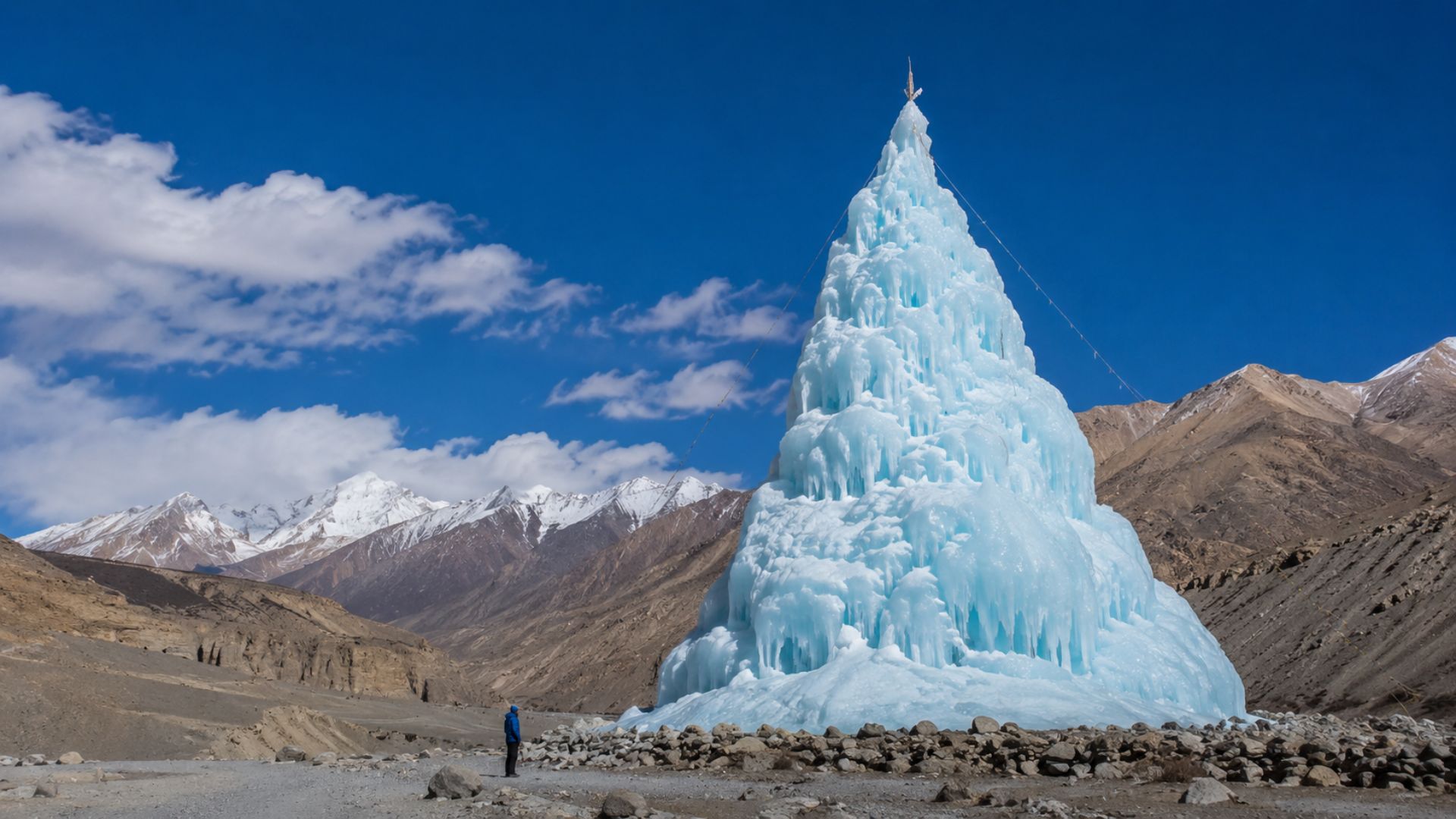


In one of the most arid regions on the planet, the ice stupa became a survival solution. Sonam Wangchuk channels water from winter streams and transforms it into ice towers almost 20 meters high, which melt slowly in the spring and save the crops of Ladakh with low-cost engineering.
Imagine a place so high and so dry that it receives less rain than many deserts, yet still relies on agriculture to survive. It is Ladakh, in the far north of India, nestled in the Himalayas, and it was there that an engineer had an idea that seems magical, although it is pure physics. Around 2014 and 2015, Sonam Wangchuk began to erect what he called an ice stupa, an artificial glacier in the shape of a tower that forcibly solves the water shortage during the most critical time of the year.
The logic is ingenious precisely because it is simple. In winter, there is excess water flowing from the mountains, but it goes away by freezing or running off unused, and disappears just when the farmer needs it most, in the spring, before the natural glaciers melt. The ice stupa stores this winter surplus in the form of a frozen tower that melts slowly, delivering water precisely during the planting months. As Wangchuk himself summarizes, in Ladakh there is no shortage of water, it just arrives too late.
The problem, water that arrives too late
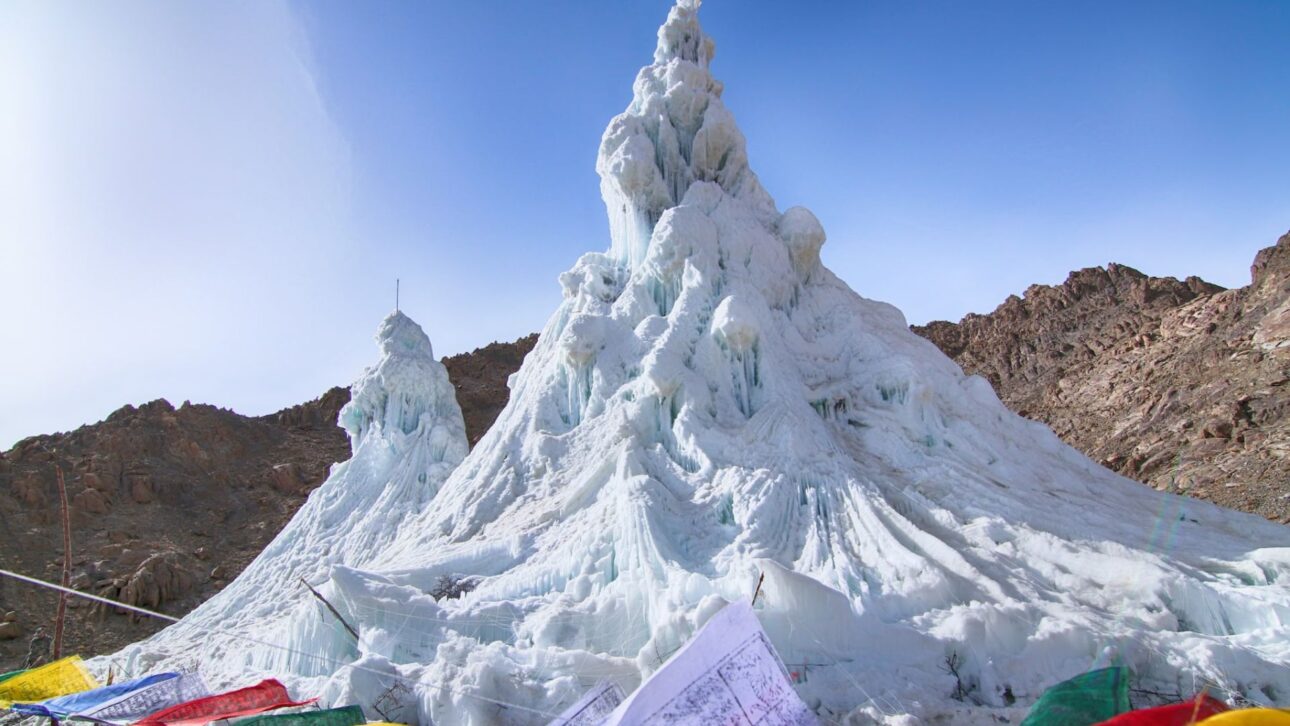
To understand the magnitude of the insight, one must feel the climate of Ladakh. The region is a cold high-altitude desert, with annual precipitation usually below 100 millimeters, a fraction of what falls in much of the world. Life there has always depended on the melting of the mountains to irrigate barley, apple, and other crops that sustain the villages. The cruel detail is the calendar: the natural melting of glaciers only kicks in during the summer, but the seeds need water already in the spring.
-
In Andradina, in the interior of SP, a tannery transformed tilapia skin that slaughterhouses used to throw away into exotic leather for bags, shoes, and even wedding dresses, producing about 2,000 pieces per month and exporting to seven countries, proving that fish waste has become high-value fashion.

-
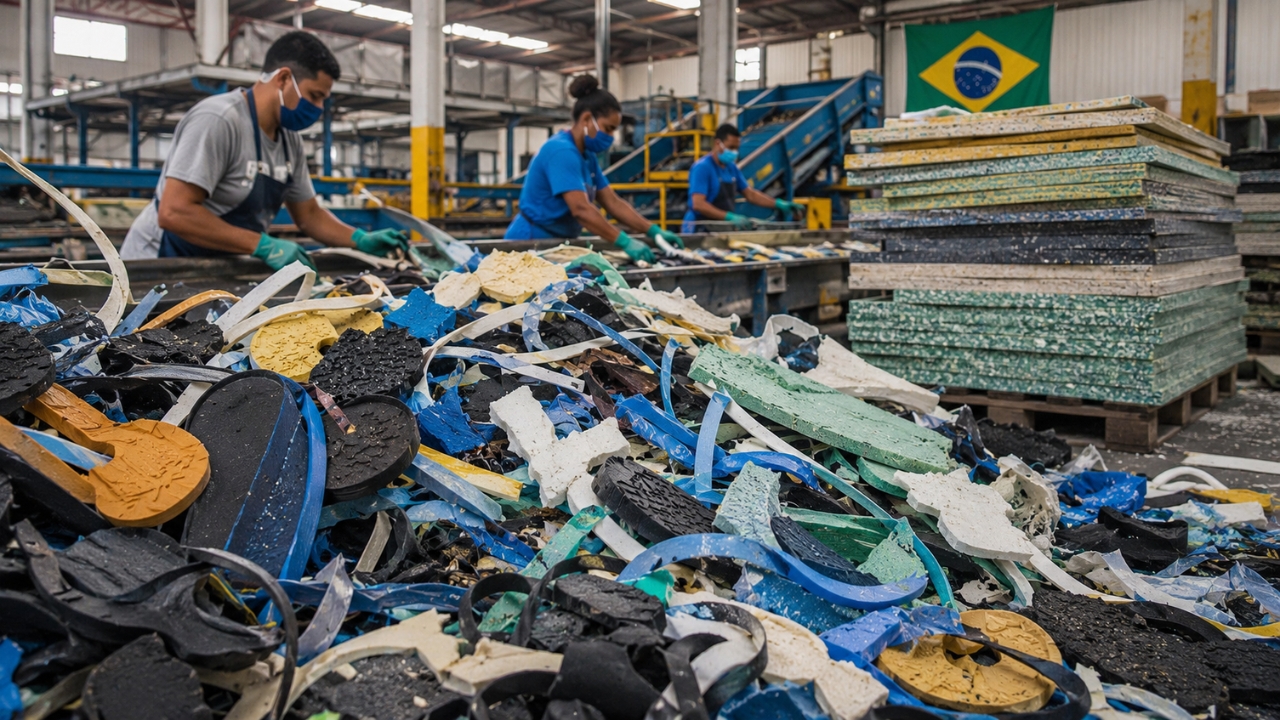
The industrial waste that even recyclers didn’t want has gained value in the interior of Bahia: two entrepreneurs invested R$ 2.8 million to transform 350 tons per year of foam, rubber, and plastic into boards that can replace wood and MDF.
-
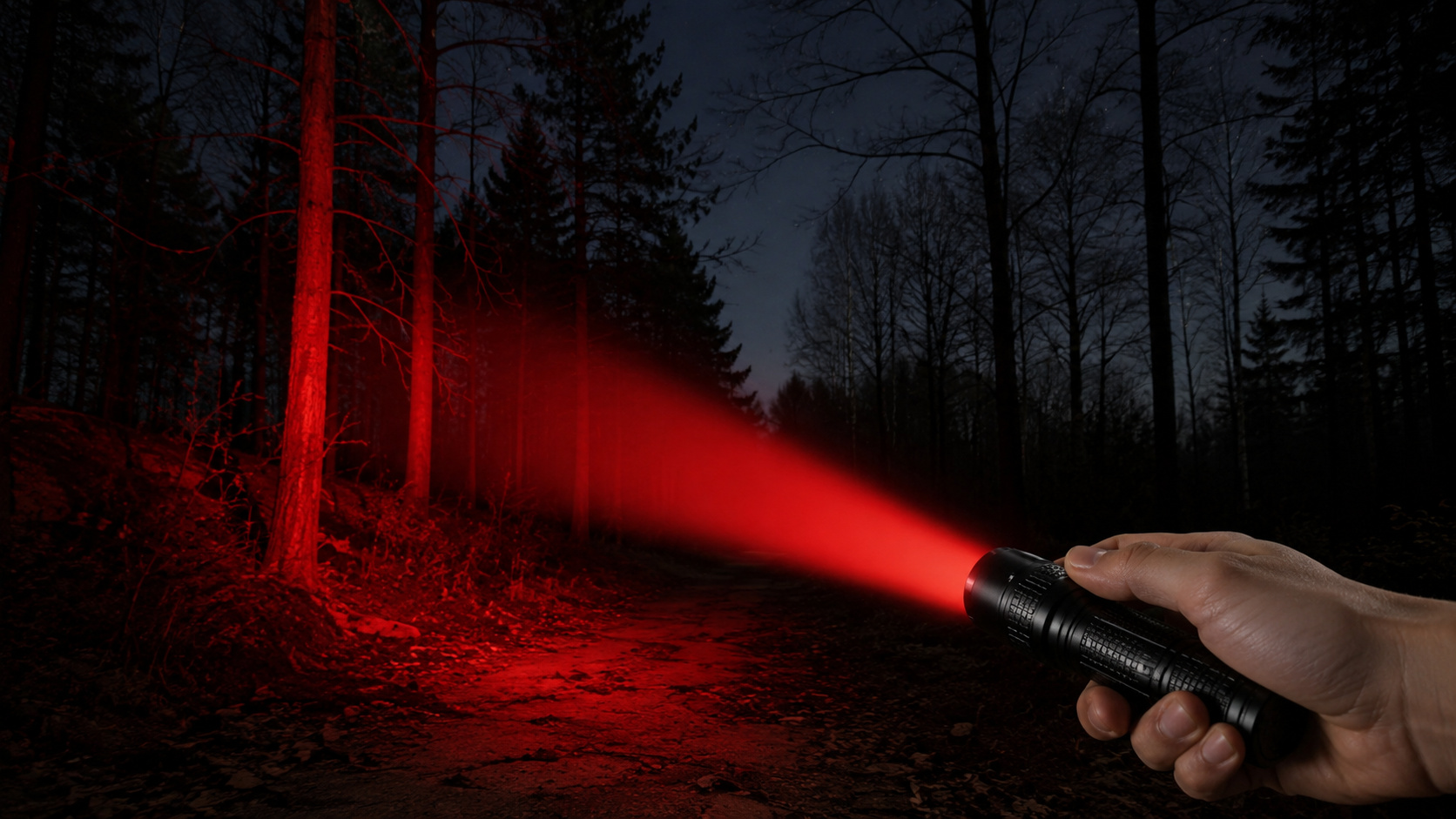
What is a red flashlight used for, after all? See why it is so commonly used at night.
-
He has never read a line of code, but he already knows how to work: the French company UMA presented in Paris the Northstar, its first AI-powered humanoid robot designed for factories and warehouses, capable of copying tasks just by observing an employee in action.

Climate change has worsened this mismatch. The Himalayan glaciers are shrinking, rains have become unpredictable, and potable water has become scarce right at the most sensitive window for harvest. It is in this gap, between the water-wasting winter and the thirsting spring, that Sonam Wangchuk saw an engineering opportunity. Instead of fighting nature, he decided to copy it and advance the clock of the thaw.
The insight, freezing winter in the form of a tower
The operation of the ice stupa is of an elegance that impresses engineers. Water from a higher stream on the mountain is channeled through pipes down to the village. As it descends by gravity, it gains pressure and gushes through a vertical pipe, without needing a pump or electricity. In the cold air of Ladakh’s winter, these jets freeze and stack layers of ice, which grow to form a conical tower of almost 20 meters, in some cases even taller.
The cone shape is not decorative; it is the heart of the engineering. A conical structure has little surface exposed to the sun relative to the volume of ice it holds, so it melts slowly, over weeks, while a flat layer of ice would disappear in a few days. Not by chance, the shape resembles Buddhist stupas, prayer monuments that have dotted the Ladakh landscape for centuries, and that’s where the name came from. The ice stupa is both a thermal machine and a cultural homage.
How much water an ice stupa holds
The numbers help to gauge the achievement. The first prototype, erected at the end of winter 2014, stored about 150,000 liters of meltwater. The version built shortly after provided around 1.5 million liters of water, enough to irrigate thousands of seedlings planted by the residents. The larger and taller the tower, the more water it retains, and project reports cite structures that managed to hold several million liters each.
Multiplied by many towers, the impact turns into significant numbers. Since the first ice stupa, more than a dozen artificial glaciers have been erected in the region, totaling tens of millions of liters of water made available to communities. All this without a motor, without a panel, and without fuel, just with pipes, gravity, and the winter cold working in favor. For a land where every drop counts, the ice stupa has become an agricultural life insurance.
From school idea to award-winning movement
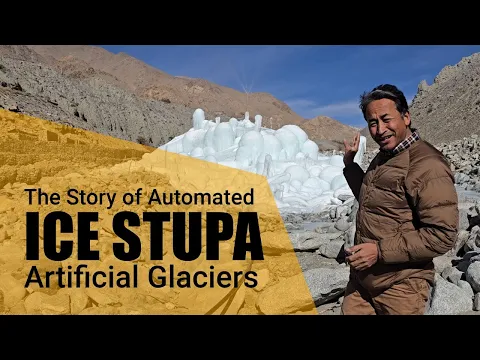

What started as an experiment turned into a cause. Sonam Wangchuk conducted the initial tests along with students from a school he helped found in Ladakh, transforming the ice stupa into an open-air classroom. It worked, and the technique began to be replicated by villages, taught in technical schools in the region, and supported by organizations that help distribute pipes and labor. Engineering, in this case, also became a community movement.
Recognition came from outside. In 2016, Wangchuk received a prestigious international award for the initiative, which helped bring the idea of the ice stupa to other mountains around the world facing similar dilemmas. The case of Ladakh became a symbol of low-cost climate adaptation, showing that not every cutting-edge solution needs to be expensive or complex. Sometimes, the best engineering is the one that observes nature with humility and just gives it a little push in the right direction.
When engineering works with nature
In the end, the ice stupa is proof that creativity is as valuable as cutting-edge technology. In one of the most inhospitable places on Earth, without energy and with very little rainwater, an engineer decided to save winter to rescue spring, and it worked. Sonam Wangchuk turned a cruel climate problem into an ice tower that waters crops and gives hope to Ladakh, reminding us that engineering, when working together with nature, can achieve things that seem miraculous.
And you, were you aware of this story of the ice towers of Ladakh? Do you think simple and inexpensive solutions like the ice stupa could help dry regions nearby, in Brazil and South America? Share in the comments what this desert cold engineering inspired in you.







Such a brilliant idea and such a useful one ! I have visited Ladakh many times and know how precious water is in the dry months. Salute to Mr.Wangchuk , the original hero of ” 3 Idiots” !😊
Very good environmental sustainability Initiative
Sonam hum sharminda hain, tere gunehgaar abhi zinda hain