





 Portuguese
  English
  Spanish
  2 min of reading


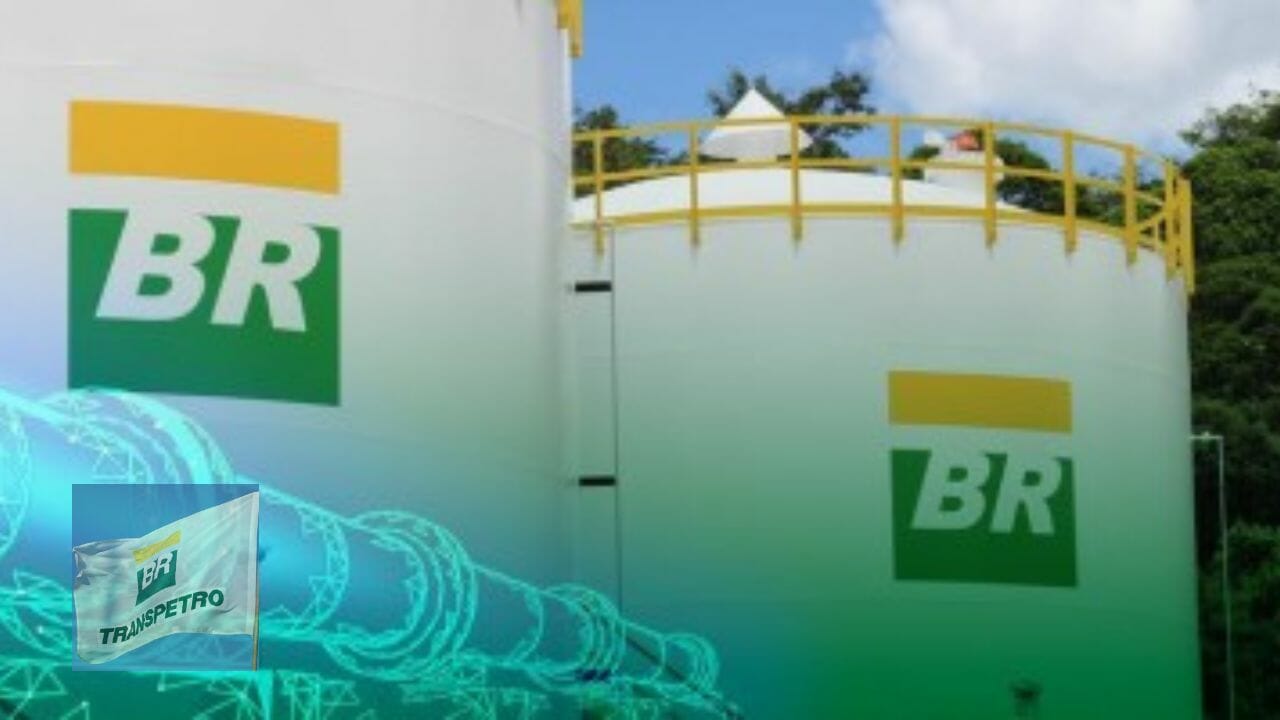
Transpetro is an essential company for the development of Brazil, responsible for ensuring that fuels, including gas and derivatives, reach fuel distributors and airports, allowing airplanes to take off from airports and vehicles to transport Brazilians.
Through its integrated infrastructure of transportation and logistics, Transpetro has been successfully conducting this operation for over 25 years. The transportation infrastructure is crucial for Brazil’s development, enabling integration between production points and distribution points.
With over 8,500 kilometers of pipelines, 49 terrestrial and maritime terminals, in addition to a fleet of 36 ships (26 owned), Transpetro is the largest multimodal logistics company for oil and derivatives in Latin America. This infrastructure allows transportation and logistics to occur in an integrated manner, connecting all parts of the supply chain.
Energy Transition: The Future of Transpetro
Transpetro is directly involved with the energy transition, which is a global necessity, and its operation is essential for supplying the fuels of the future, which will continue to power vehicles on land, at sea, and in the air.
-
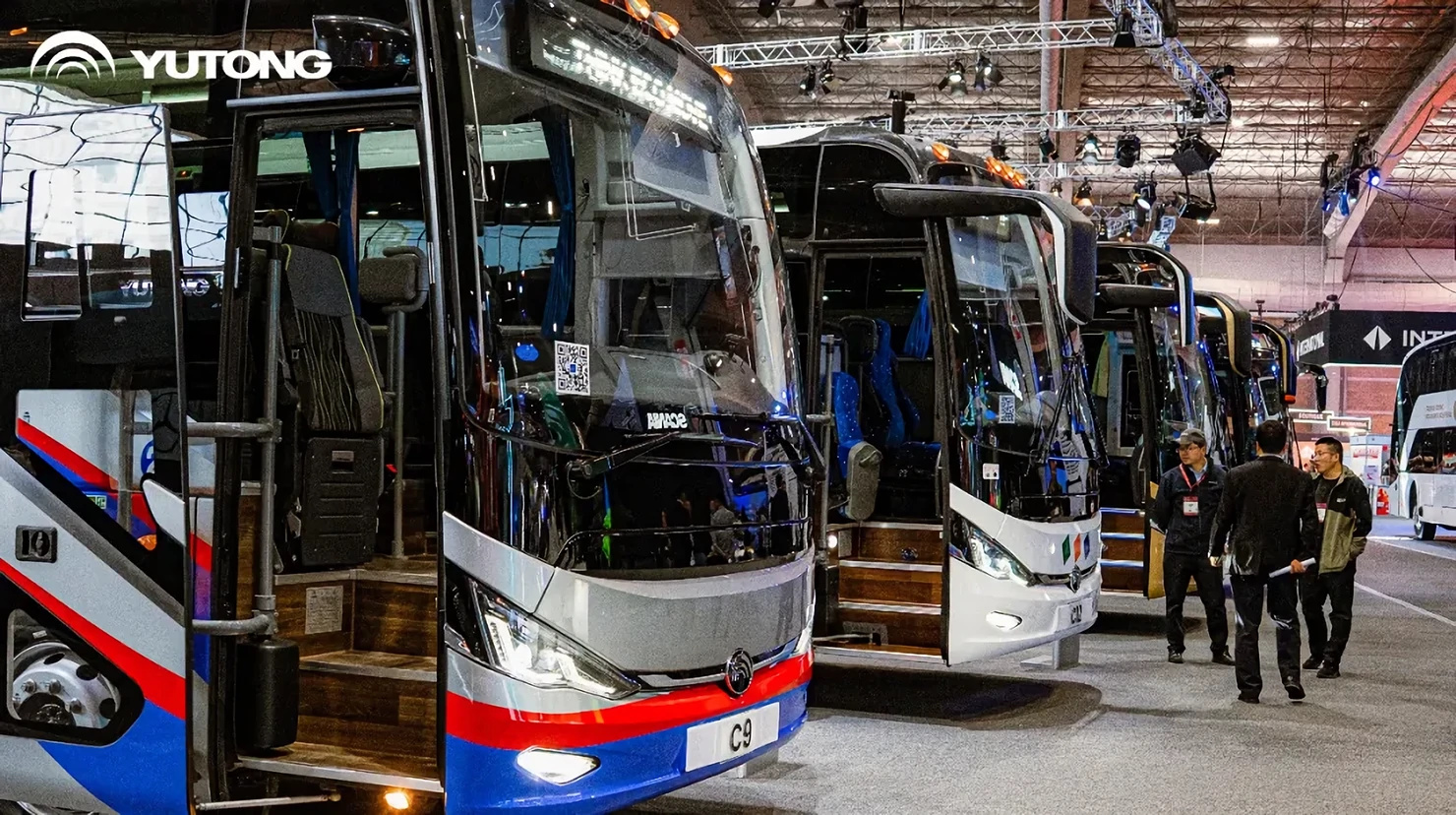
China advances into Mexico’s transportation with an electric bus that has a range of up to 530 km, bringing a complete line to the country in 2026 and transforming its partnership with Yutong into one of the most strategic in Latin American mobility.
-
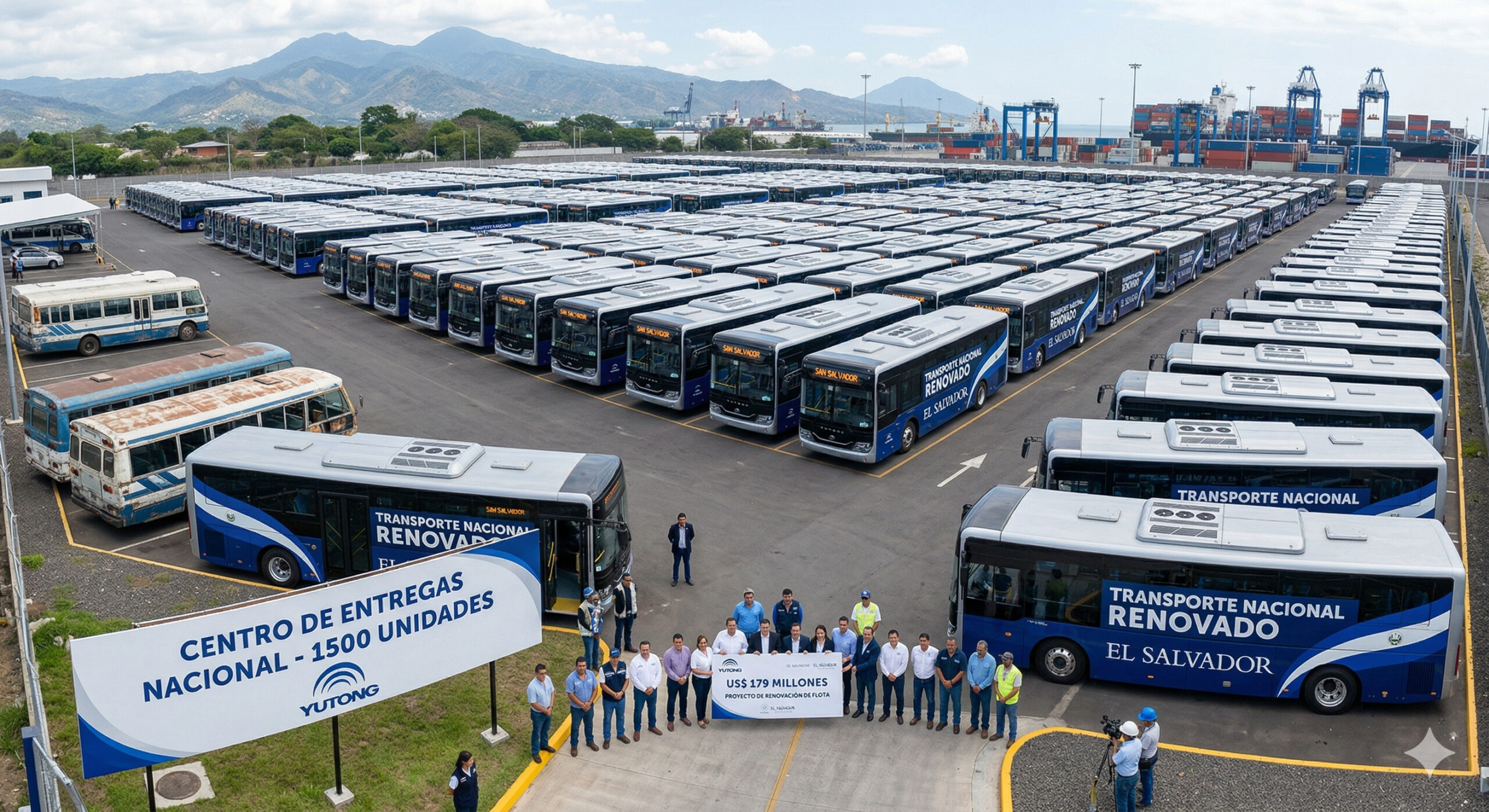
With 1,500 new buses financed by an international agreement, El Salvador is preparing the largest renewal in the history of its public transportation, a plan of $179 million with vehicles from the Chinese company Yutong that could replace practically the entire fleet of the country.
-
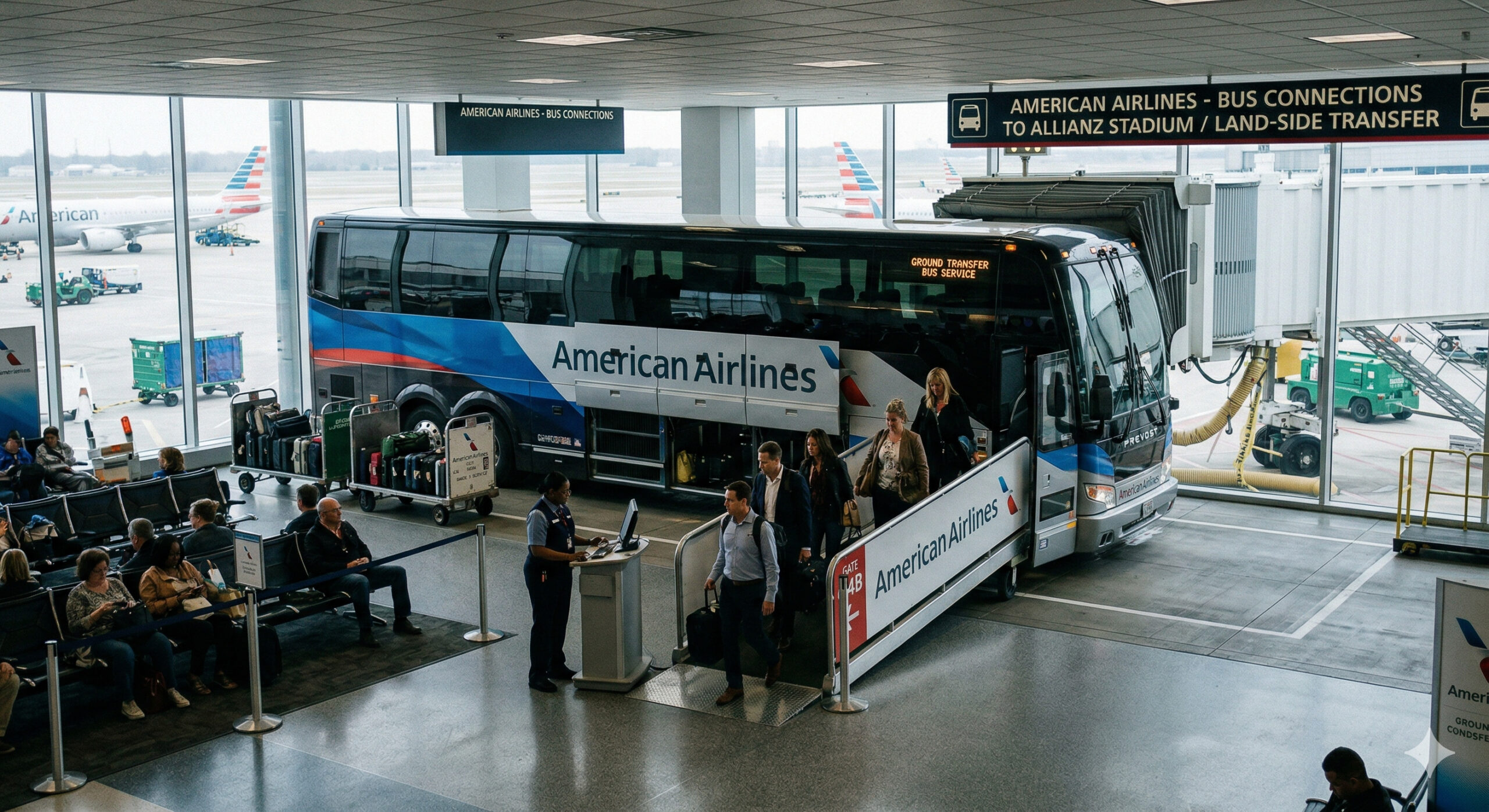
American Airlines starts selling trips as if they were flights, with check-in and baggage check at the airport, but on short routes, passengers board luxury buses connecting cities to major hubs in the U.S.
-
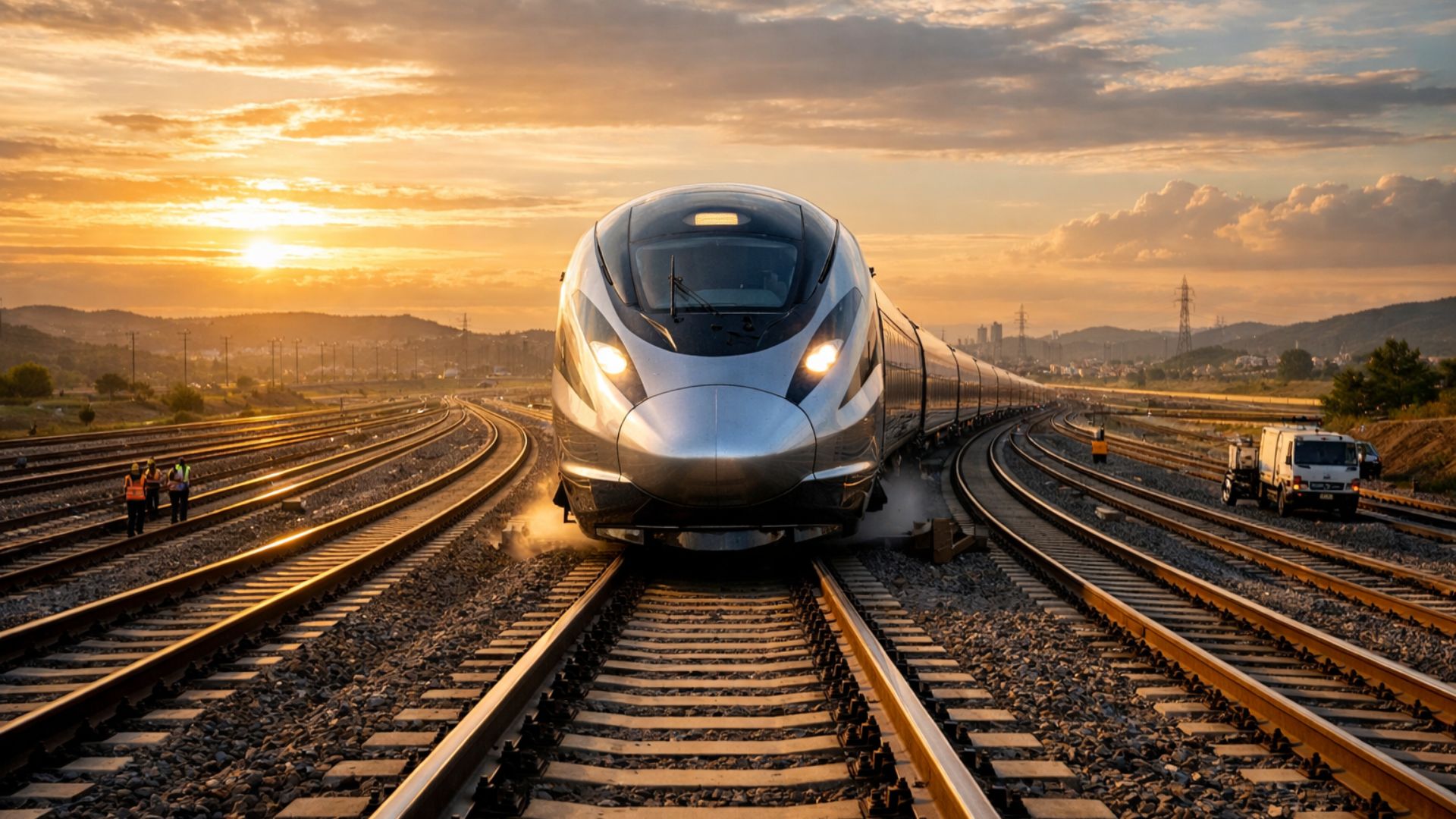
São Paulo surprises the world with a colossal railway network project that promises over 1,000 km of tracks, R$ 194 billion in investments, and 40 projects connecting the capital to the interior with fast and sustainable trains.
The pipeline network operated by Transpetro already aligns with a sustainable vision for economic development, but the company aims to meet the new demands that will arise in the coming years, promoting changes to cater to the production of other fuels, such as biofuels produced from vegetable oils.
Social Responsibility: Investing in Local Communities
Transpetro is committed to Social Responsibility, investing to make its relationship with the communities around its operations more socially responsible. In partnership with other companies, NGOs, and municipal governments, Transpetro promotes the sustainable development of the local communities in which it operates.
The company has initiatives in the three lines of action of social responsibility, such as combating violence and discrimination, reducing the impact of business on the environment, and promoting the social well-being of the communities in which it operates.
Integrated Logistics
The future of Transpetro is directly tied to its ability to adapt to the new realities of the oil industry and create integrated logistics solutions that enable the transportation of fuels throughout Brazil.
The company is committed to expanding its transportation infrastructure to ensure that logistics are integrated, connecting all points of the supply chain. Transpetro is ready to meet the new demands of the fuel market and thus contribute to Brazil’s development.










Seja o primeiro a reagir!