





 Portuguese
  English
  Spanish
 3 min of reading


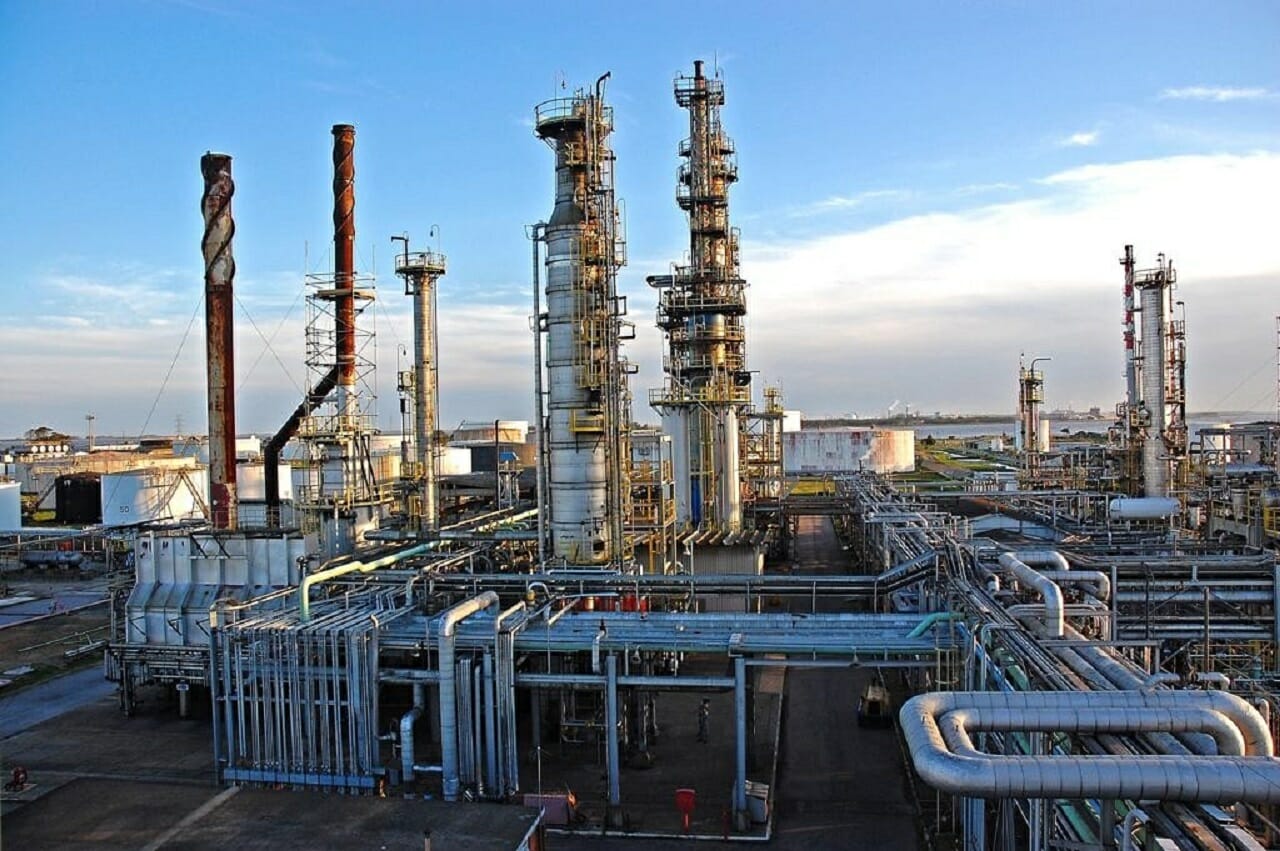
Petrobras Plans to Invest R$ 45 Million to Produce Biofuels with Fully Renewable Raw Materials at the Riograndense Refinery.
The Petrobras is resuming investments in Rio Grande do Sul, specifically in the municipality of Rio Grande, after ten years since the peak of the naval hub. Jean Paul Prates, the president of the state-owned company, signed on Monday (29), in the municipality, the technical cooperation agreement aimed at making the Riograndense Refinery the first to refine biofuels in Brazil.
Petrobras Plans to Invest R$ 45 Million
The announcement was made at a luncheon at the Rio Grande Commercial Club, during a ceremony attended by Governor Eduardo Leite, executives from the controlling companies of the Riograndense Refinery, such as Petrobras itself, Braskem, and the Ultra group, and local authorities.
After the event, the guests will visit the Petrobras refinery. With an initial investment of R$ 45 million, Petrobras plans to produce biofuels and supplies for the petrochemical industry from fully renewable raw materials.
-
Europe wants to hold onto the black powder from used batteries because this dark residue contains valuable metals, can supply up to 1 million electric cars per year, and has become an industrial dispute.

-
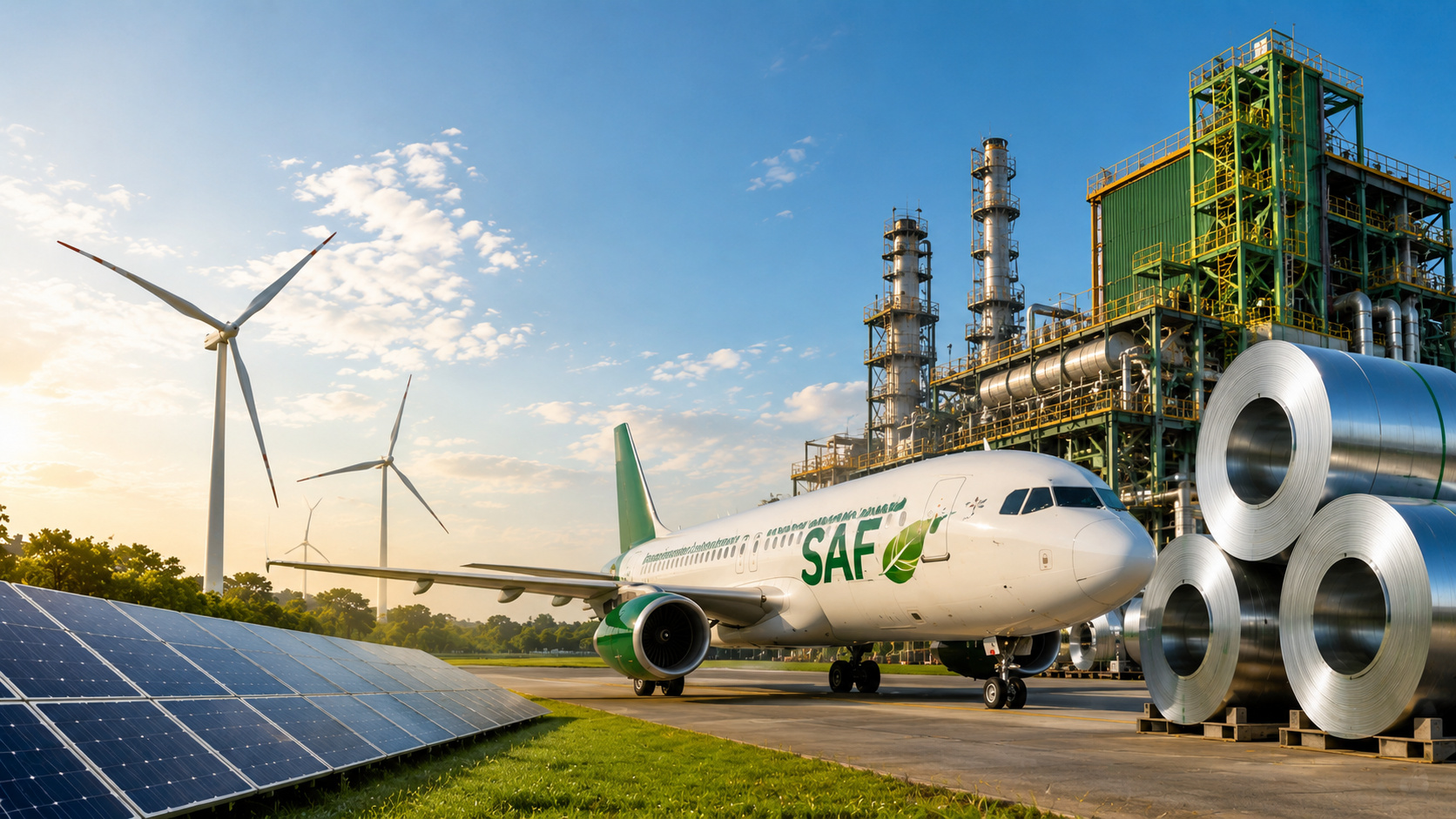
Study by Global Project Tracker reveals: While major economies compete for climate leadership, Brazil gathers a potential of US$ 306 billion in sustainable industrial projects and advances in the production of SAF and green aluminum, attracting international capital and strengthening its global strategic position.
-
Brazil may fall behind, and irreversibly so, in the global technological race involving the implementation of Data Centers and investments in Artificial Intelligence (AI). Much smaller but more agile economies, such as those of Argentina and Paraguay, have taken the lead.

-
Brazil is generating so much clean energy that the ONS had to implement an unprecedented emergency plan to contain the solar and wind surplus in the grid.




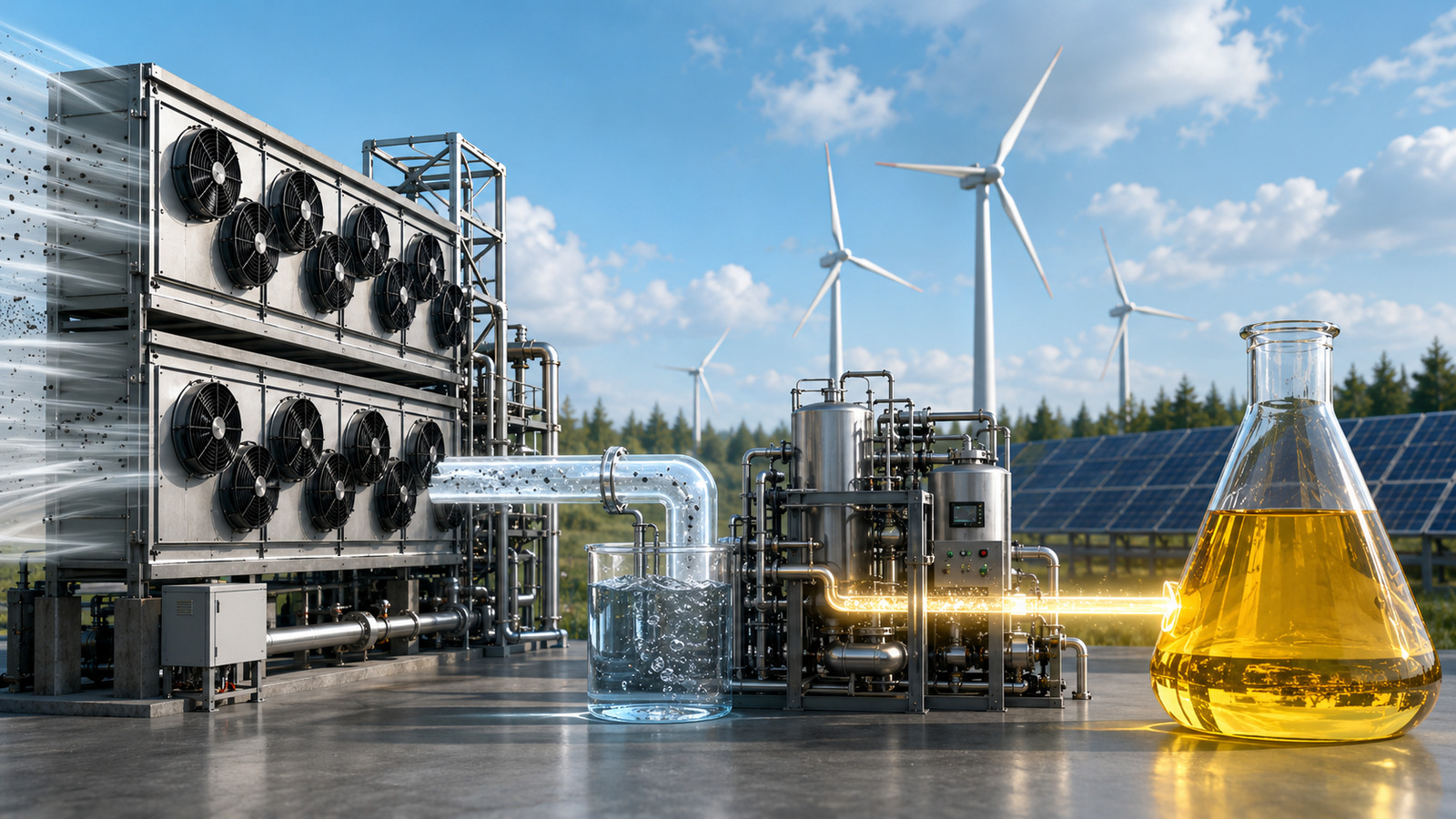
The plan includes transforming refined soybean oil into biodiesel, bioaromatics, and green liquefied gas, such as benzene, xylene, and toluene, used in the production of synthetic rubber, PVC, and nylon.
The inclusion of the biofuel refinery in Rio Grande is part of a package from the Riograndense Refinery that anticipates investments of up to R$ 3.5 billion for the unit’s expansion over the next 5 years. Currently, the Riograndense Refinery processes 17 thousand barrels of oil every day, generating gasoline, fuel oil, diesel, marine fuel, and petrochemical naphtha.
This chain will be maintained alongside the bio-refining tests, without altering daily production. The unit, however, will undergo some minor adjustments to perform the transformation, via fluid catalytic cracking (FCC), of up to 500 cubic meters of soybean oil per day.
Biofuel Producer Tests Begin in November
The plan anticipates an inaugural test in November, with the processing of 2,000 tons of soybean over 5 days. This will be the first industrial-scale experiment of technology developed by Petrobras at the Research and Development Center (Cenpes) of the company, in Rio de Janeiro. Until now, tests had only been conducted in laboratories and simulators.
According to Carlos José do Nascimento Travassos, Petrobras’s Director of Engineering, Technology, and Innovation, there are already bio-refining processes in Brazil; however, they utilize small percentages of bio-renewable products.
Petrobras’s idea is to use 100% renewable raw materials. Thus, it is moving to a new stage, with testing at an industrial plant. The risk of failure is minimal, approaching zero.
The Riograndense Refinery is practically ready for the first test. The R$ 45 million will be spent mainly on the purchase of raw materials and supplies, with minor adjustments to the machinery. Innovations will be primarily focused on the second test, scheduled for June next year, when there will be co-processing with 90% petroleum load and 10% soybean oil. Following the success of the experiments, industrial production will commence.
Petrobras Plans to Expand the Riograndense Refinery
According to Felipe Jorge, the refinery’s managing director, bio-refining is seen as a transformation strategy. The tests represent the first step in this journey for the company. This technology is already licensed for Petrobras’s unit, and the expectation is to begin industrial production if possible by 2024. The advantage is that this does not require a complete shift in direction.
Executives are optimistic about operating at full bio-refining capacity, that is, 500 cubic meters per day. However, the refinery’s management sees biofuels as the future of global energy transition, with exponential demand growth.
This focus is the basis for the expansion planning of the unit, which includes products such as sustainable aviation fuel and renewable diesel, supported by investments that could reach US$ 700 million.






Be the first to react!