Portuguese
 Spanish



Washington opened a public comment period on new charges as Amcham prepares submissions to help preserve exports and reduce trade barriers.
The United States has proposed an additional 10% tariff on Brazilian aircraft and new charges on sugar exported by the country, escalating the trade dispute with Brazil. The measures were announced on November 25, 2026, and will still go through a public comment period. With the possibility of new restrictions looming, consultant José Pimenta called for Brazilian and U.S. governments and companies to work together to try to roll back the tariffs.
In an interview with WW, a program on CNN Brasil, aired Wednesday (Nov. 25) and published Thursday (Nov. 26), Pimenta, a partner at BMJ Consultoria, said business advocacy had already helped remove products from earlier lists of goods subject to additional tariffs. His comments came after the Office of the U.S. Trade Representative (USTR) opened a new round of discussions on imports from Brazil.
U.S. proposes 10% tariff on aircraft and new charges on sugar
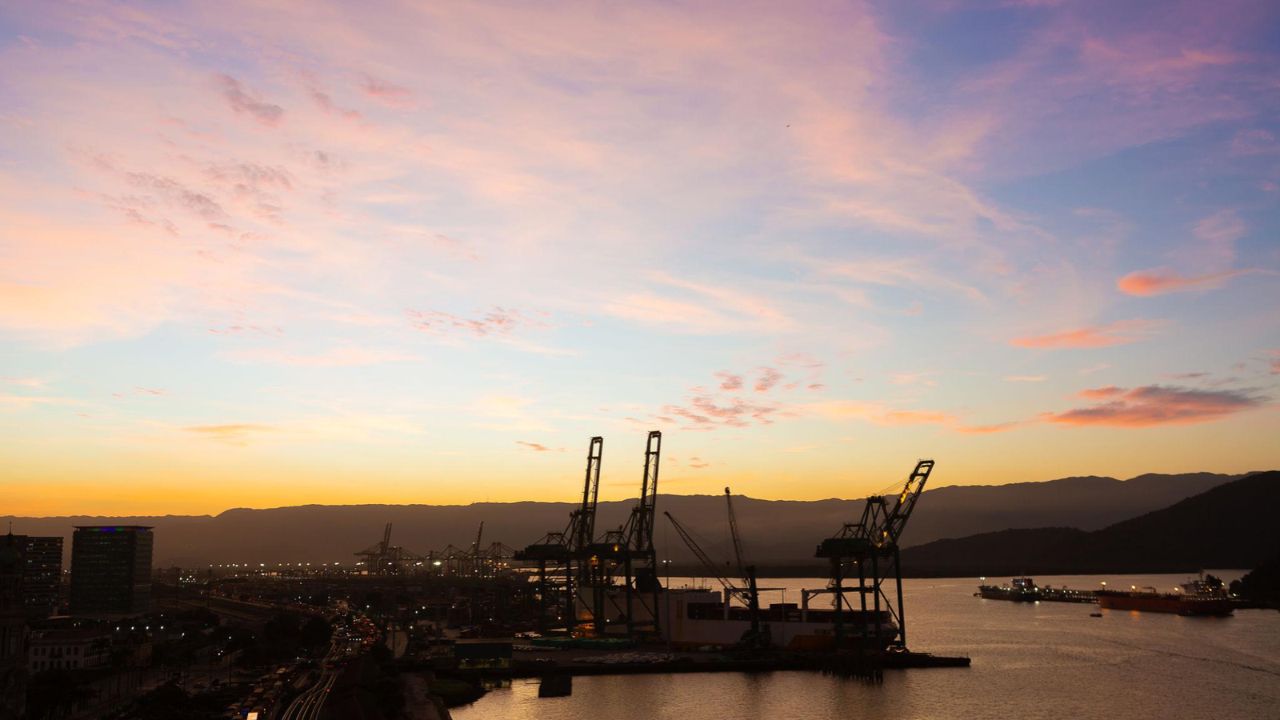
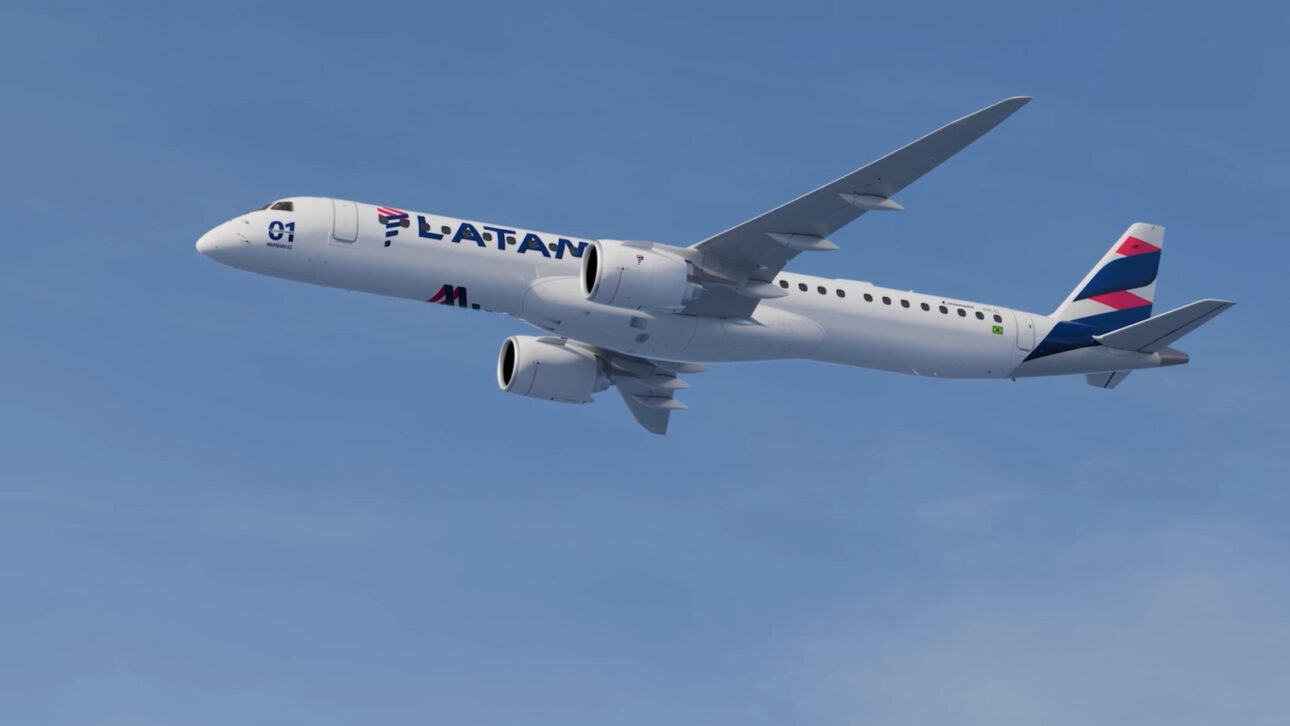
The USTR proposal would end the exemption for finished Brazilian aircraft under trade measures imposed pursuant to Section 301 of U.S. trade law. If approved, these products would face an additional 10% tariff.
-
Brazil posts $4 billion external accounts deficit despite 19.7% export growth

-
Anyone who pays only part of their credit card bill three times in six months will see the bank gradually cut their limit under a Central Bank rule taking effect in July 2027
-
Dollar falls 1.53% to R$5.81 after hitting R$5.95, while Brazil’s stock market gains 1.58% and oil surges more than 3% globally

-
Global stocks fall as Trump threatens new tariffs on 16 trading partners, tech giants slide, and fears of higher U.S. interest rates grow
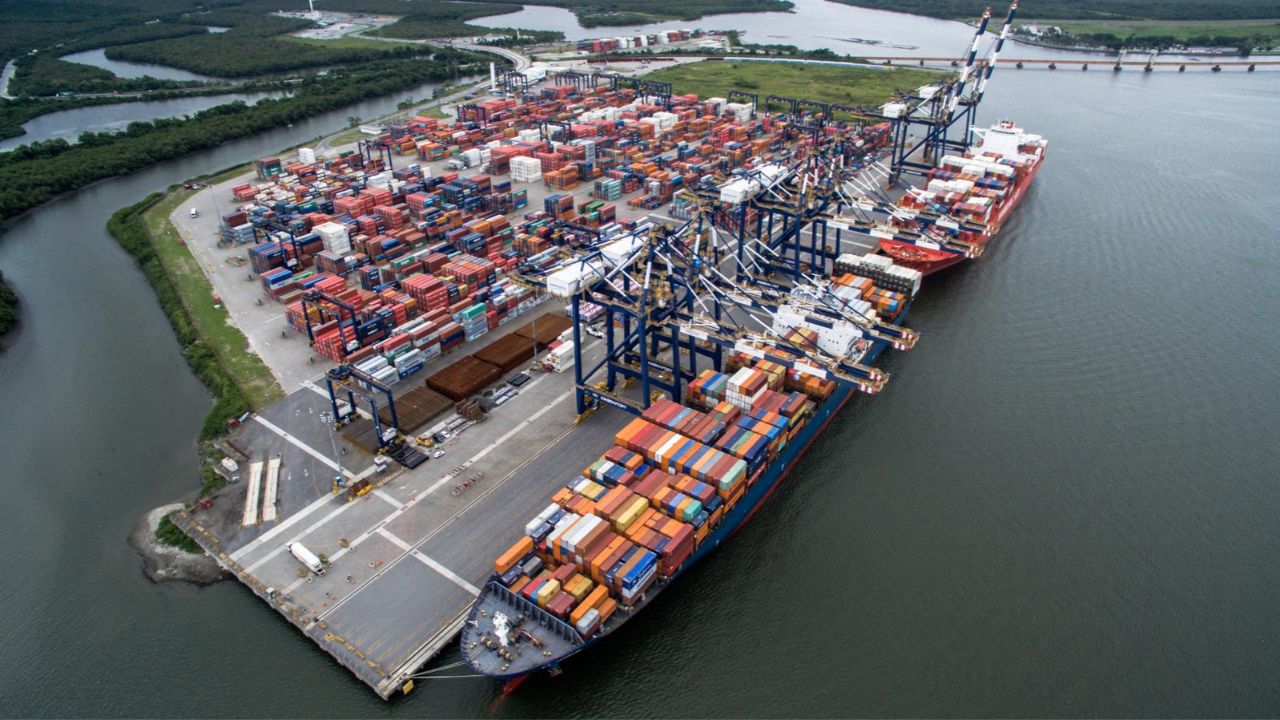

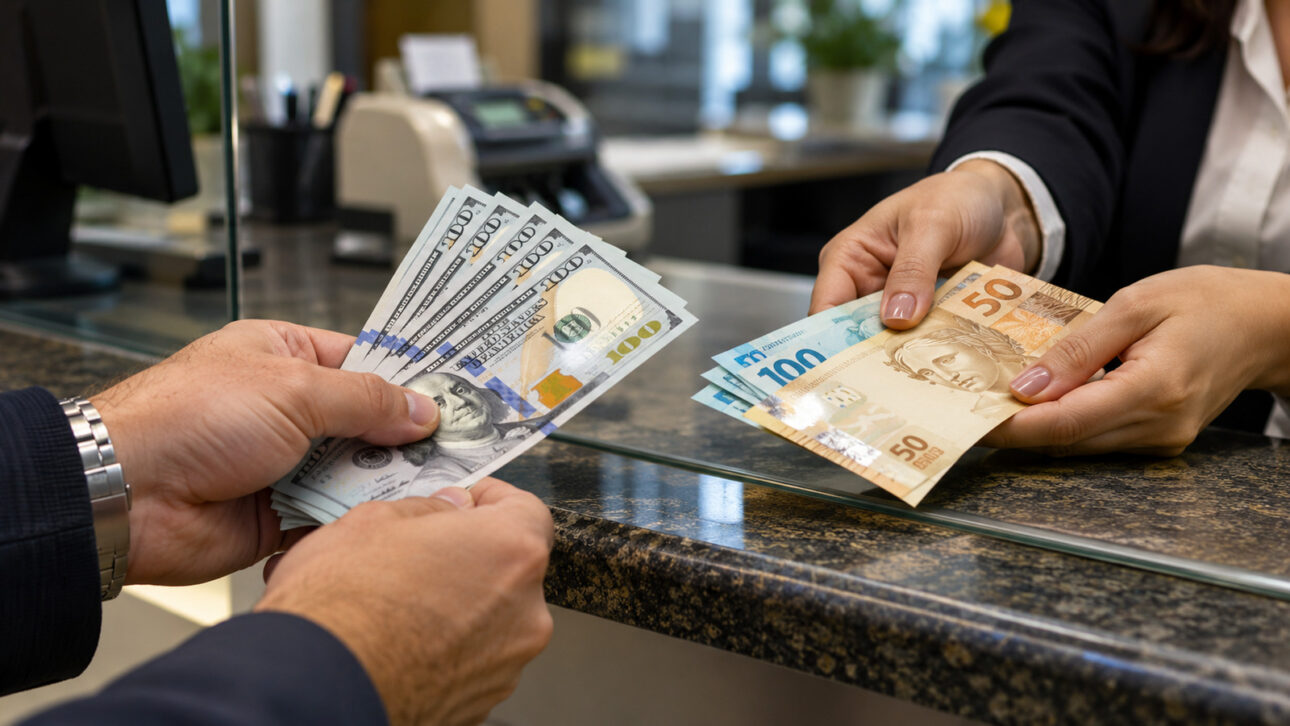
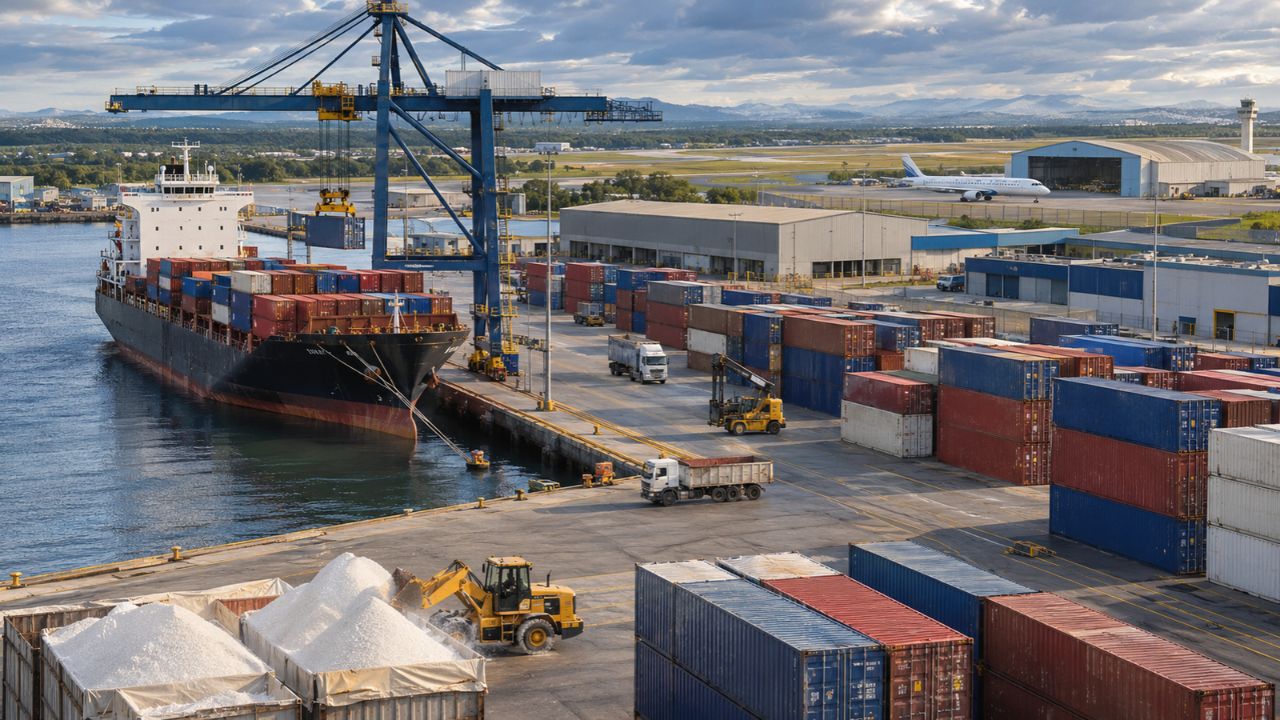
For certain types of raw and refined sugar sold outside import quotas, Washington plans to replace the 25% surcharge with an additional charge set at a specific amount. The U.S. government also proposes applying this mechanism to other international suppliers to prevent changes in export routes from blunting the measure’s effect.
Neither change has been implemented. Under the USTR’s official statement, published on November 25, the decision will depend on an assessment of comments received during the public comment period.
U.S. Trade Representative Jamieson Greer justified the move by saying Brazil had not made sufficient progress in addressing the practices Washington has challenged. The Brazilian government disputes that assessment and says it remains willing to negotiate.
The discussions come on top of the 25% tariffs imposed in July 2026 on certain Brazilian products following a U.S. trade investigation. The new proposal does not impose a blanket charge on all Brazilian exports.
José Pimenta calls for Brazilian and U.S. companies to work against the tariffs
In José Pimenta’s view, negotiations between governments remain necessary, but companies’ involvement could increase pressure to revise the measures.
In his interview with CNN Brasil, the consultant said that business sectors in both countries had taken part in previous consultations and presented arguments about the economic consequences of the restrictions.
Corporate advocacy, he said, helped preserve exemptions for certain products. One argument was that the tariffs would affect American consumers and buyers themselves, who could face higher costs.
Pimenta said official channels for dialogue should remain open and that companies should present concrete information at public hearings. He sees this combination as a way to secure changes to U.S. trade policy.
The consultant’s assessment does not mean Washington has already agreed to remove the tariffs. The outcome will depend on decisions by the U.S. government and the course of bilateral negotiations.
Companies had already taken part in the process in July. At the time, CPG reported that representatives of WEG, Portobello and Schaefer traveled to the United States to raise concerns about exports, jobs and industrial supply chains.
Brazilian sugar faces a fight over import quotas in the U.S. market
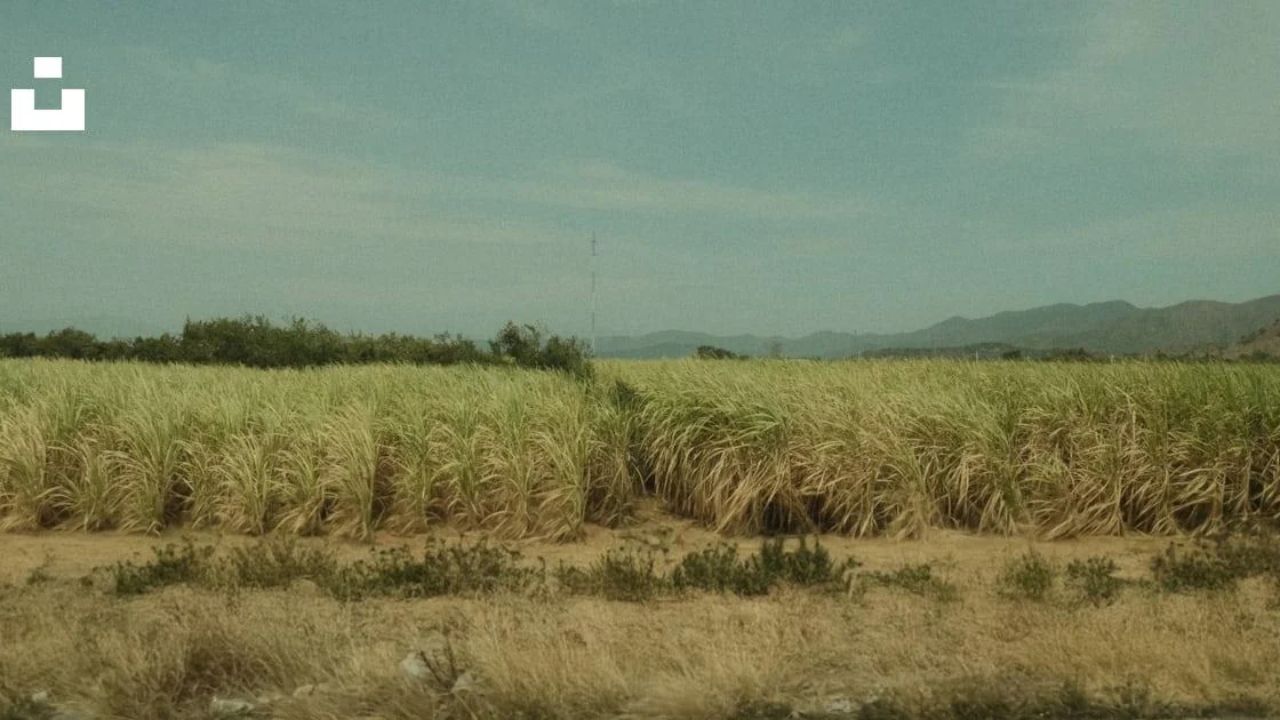
Sugar holds a distinct place in the negotiations because the United States uses tariff-rate quotas to control some of its imports.
Under this system, a set volume can enter the market at the tariff rates established for the quota. Volumes above that limit face different charges, which can make them less competitive.
Brazil had already lost ground in the sugar quota over the past year, José Pimenta said. The consultant also cited pressure from U.S. producers as one factor behind the tighter rules.
Another issue discussed was backfilling, a term used to describe situations in which suppliers from other countries increase sales to fill gaps left by competitors facing restrictions.
The U.S. proposal aims to prevent that shift by applying an additional charge to other sugar exporters outside the quotas as well. The actual impact will depend on the final form of the tariff, which is still under discussion.
For Brazilian producers, the change could alter the terms of access to the U.S. market. However, there is still no confirmed estimate of export losses resulting from the proposal announced in November.
Brazilian aircraft enter the dispute, and U.S. companies could also be affected
The inclusion of aircraft puts another industrial sector at the center of the debate. The USTR says finished aircraft are the fourth-largest category of Brazilian products exported to the United States.
The measure could affect manufacturers that sell aircraft to the U.S. market and companies that rely on those planes. The additional tariff could influence acquisition costs, commercial terms and purchasing decisions, depending on the contracts and how the costs are allocated between the parties.
In its Nov. 25 coverage, Folha de S.Paulo quoted Bruna Santos, director of the Inter-American Dialogue’s Brazil program, as saying that U.S. regional airlines could push back against the proposal because they use aircraft made by Embraer.
That possibility helps explain the strategy of mobilizing companies on both sides of the trade relationship. U.S. buyers can present their own government with information about how the tariffs would affect their operations.
CPG has previously tracked the effects of similar measures on Brazilian exports. A July report showed that sales to the United States fell 13% in the first half of 2026, to US$17.4 billion, based on data presented in that report.
Past performance does not make it possible to calculate the effects of the tariffs now being proposed in advance. The consequences will depend on which products are ultimately covered and how buyers and suppliers respond.
Brazilian government challenges proposal and keeps reciprocal measures on the table
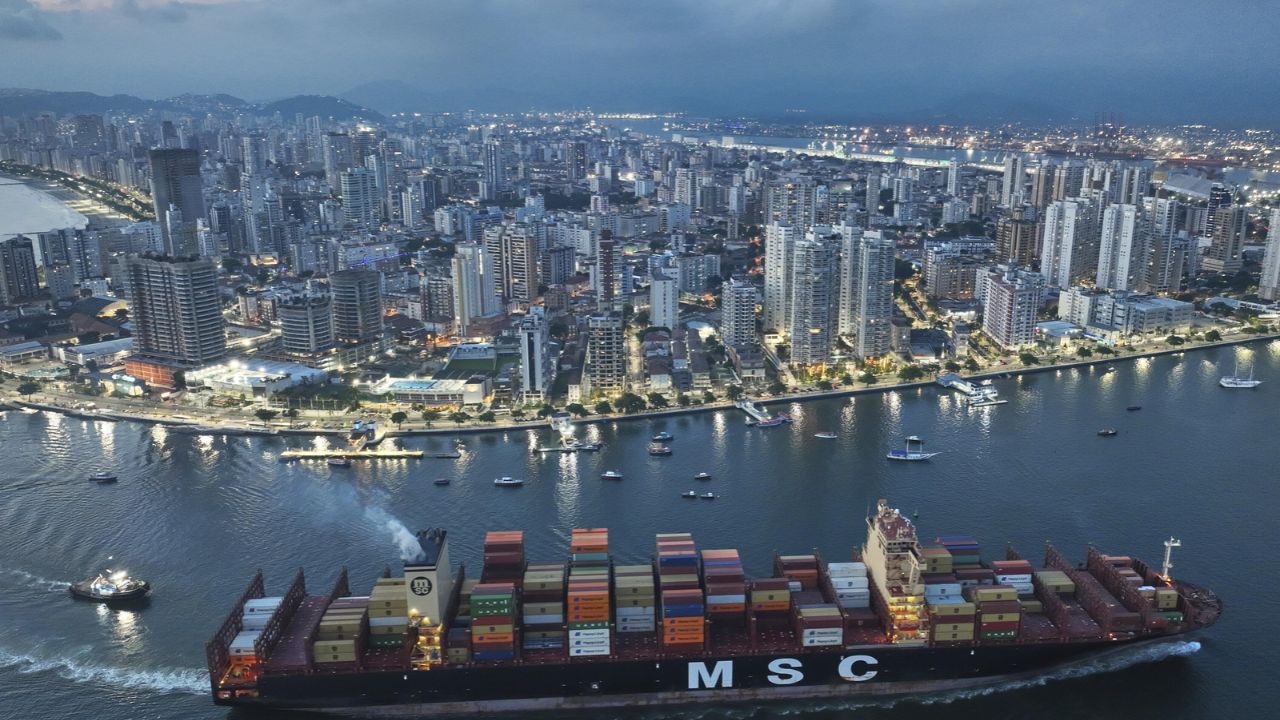
Brazil’s Ministry of Development, Industry, Trade and Services (MDIC) published an official statement on Nov. 25 challenging the U.S. initiative.
The Brazilian government said it has been negotiating issues related to the investigation conducted under Section 301 for more than a year. It also reported that presidents Luiz Inácio Lula da Silva and Donald Trump spoke by phone on Aug. 21 and agreed to establish a working group on trade.
The statement says that ministers Mauro Vieira and Márcio Elias Rosa held meetings with Jamieson Greer in August and September. The Brazilian government says it requested the terms of reference for a possible trade agreement but had not received them by the time the new measures were announced.
Brasília views the proposal as an attempt to secure changes to national policies related to Pix, Brazil’s instant payment system, digital commerce and other issues under investigation by the United States.
Brazil said it would continue seeking a negotiated solution, without ruling out reciprocal measures or action at the World Trade Organization (WTO). Those possibilities do not mean new retaliation has already been implemented.
Companies can submit arguments through December; hearing set for January 2027
The new phase of the investigation sets deadlines for written submissions and participation in a public hearing.
The USTR said interested parties must request to participate in the hearing and submit a summary of their testimony by December 7, 2026. The deadline for written comments is December 30, while the hearing is scheduled for January 14, 2027, in Washington.
The American Chamber of Commerce for Brazil (Amcham Brasil) confirmed it would take part in the public comment period. In a statement released November 25, the organization called for intensified negotiations to prevent further restrictions and reduce existing tariffs.
In a report, Agência Brasil said Amcham warned that the proposals could hurt the competitiveness of Brazilian exporters and raise costs for U.S. companies.
The next steps are the submission of technical comments and the public hearing. Until Washington completes its review, additional tariffs on aircraft and the proposed new charges on sugar remain under discussion, with no final decision announced.