





 Portuguese
  English
  Spanish
  2 min of reading
  0 comments


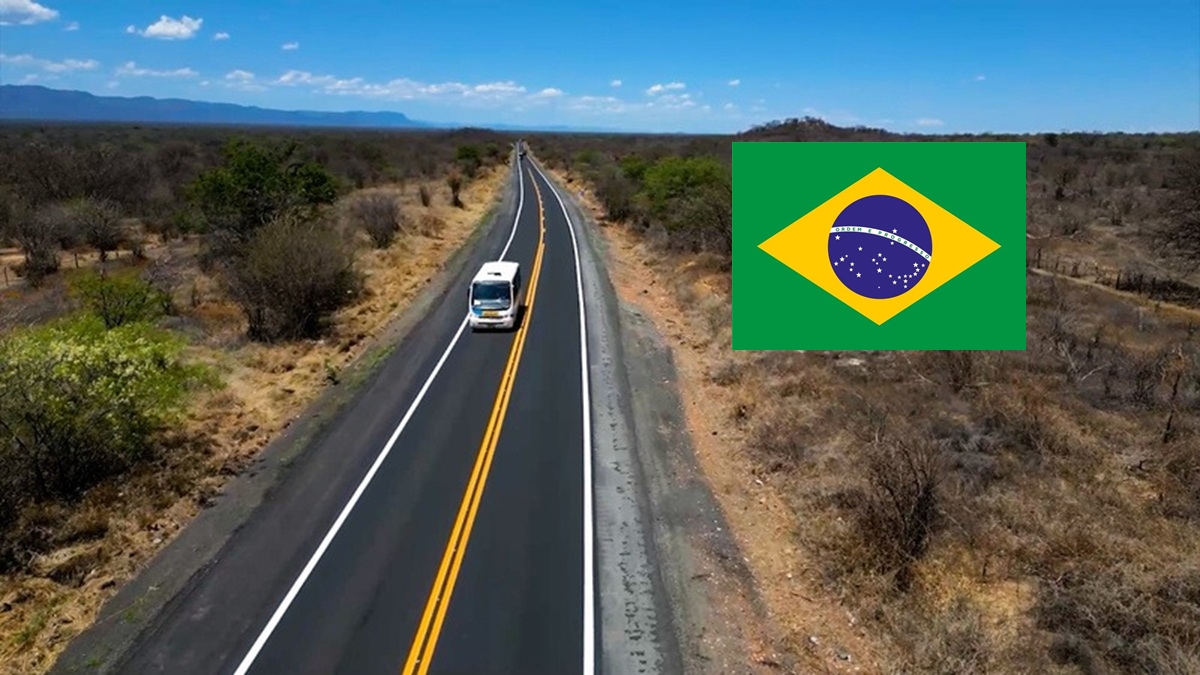
With 2,300 Kilometers, BR-242 Connects Maragogipe in Bahia to Sorriso in Mato Grosso, Passing Through Landscapes of Chapada Diamantina
BR-242, officially known as Milton Santos Highway, is one of the main transverse roads in the Brazilian federal highway system. With approximately 2,300 kilometers in length, it connects the east to the west of the country, linking the municipality of Maragogipe in Bahia to the city of Sorriso in Mato Grosso.
This federal highway crosses three states — Bahia, Tocantins, and Mato Grosso — and plays a strategic role in logistical and economic integration between the coast and the producing regions of the interior. Its starting point is near the Baía de Todos os Santos, while the final stretch reaches the Brazilian Midwest, in one of the most dynamic agriculture areas in the country.
A Road Between Natural Beauties and Agricultural Fields
Along its route, BR-242 crosses landscapes of great environmental value, such as Chapada Diamantina, an important ecotourism destination in Bahia. This feature makes the highway not only a transportation route but also a crucial path for regional tourism.
-
After Brazil, modules manufactured in China will form a city for 5,000 people in mining in Argentina, while the Vicuña project places the Andes at the center of the global copper dispute and increases environmental pressure in San Juan.

-
“Zombie” sea cucumber tissue survives for more than 3 years outside the body, heals itself, and intrigues scientists about the boundaries between life and death.

-
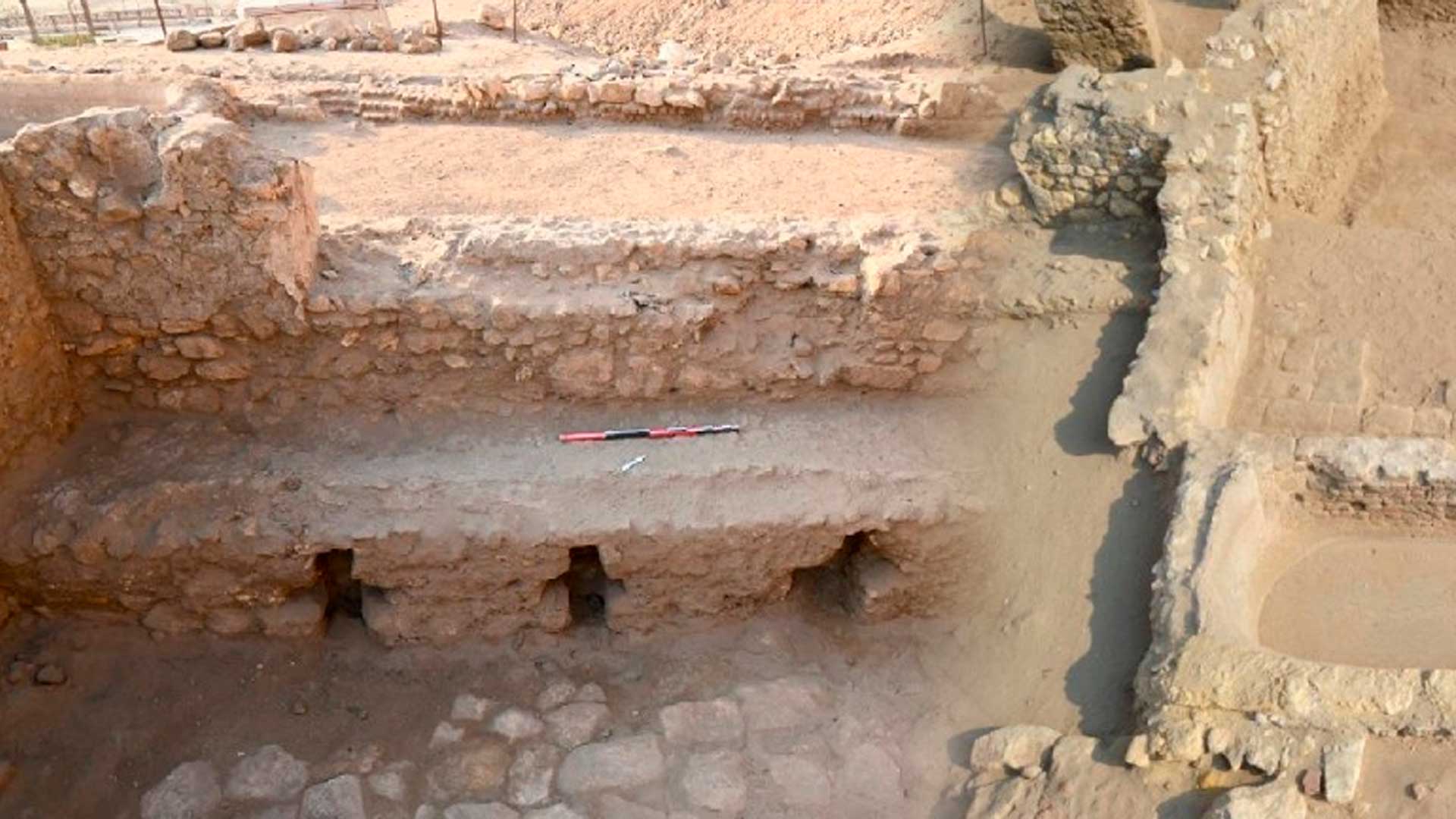
Archaeologists were excavating ancient neighborhoods of Cairo and discovered a water network from the Mamluk era hidden near the Citadel of Saladin with deep wells, water wheels, stone channels, a buried mosque, and tombs that reveal how the medieval city functioned.
-
T-Rex had tiny arms for a surprising reason, and new research reveals how a devastating bite may have changed the evolution of carnivorous dinosaurs.



Another highlight is its passage through the MATOPIBA region, which encompasses western Bahia and part of Tocantins. In this productive area, the road becomes essential for the transport of grains such as soybeans, corn, and cotton, reinforcing its role in the Brazilian agricultural economy.
Despite its importance, sections still lack paving or complete construction, revealing infrastructure challenges that impact transport and regional development.
The number “242” indicates its transversal character, a feature of federal highways that cross the country in an east-west direction, consolidating BR-242 as a vital link between the Atlantic coast and the productive interior of Brazil.





Be the first to react!