






 Portuguese
  Spanish




Millionaire transfer reinforces tourism on the São Paulo coast and includes cities in Baixada Santista in a broad state package aimed at infrastructure and regional economic strengthening.
Santos and eight other cities in Baixada Santista are now part of the R$ 276.6 million package authorized by the Government of São Paulo for tourist municipalities, focusing on infrastructure works that increase visitor flow and strengthen the local economy in different regions of the state.
According to G1 portal’s investigation published this Thursday (23), at the same time, the region is expected to receive R$ 20.6 million, according to a survey released by the regional press, as part of a round of agreements that includes 214 cities in São Paulo classified as tourist resorts or Municipalities of Tourist Interest, known as MITs.
The initiative is part of a continuous policy to encourage tourism, considered strategic by the state government, especially in areas with a strong vocation for the sector, such as the São Paulo coast, where the activity drives trade, services, and generates direct and indirect jobs.
-
Orphaned Youth Turns Dismissed Idea into Global Prestige with Innovative Wristwatch

-
English Skills Boost Career Opportunities in the Oil and Gas Industry

-
Brazil Secures Second Place at WorldSkills 2024 in Lyon, with 64 Young Professionals and 8 Medals, Including Gold from a Rio de Janeiro Hairdresser

-
3,000 Military Personnel from 10 Countries, Including US and Chinese Marines, Train Together in Brazil’s Savanna: Operation Formosa Becomes Largest Naval Ground Exercise Before First Cancellation Since 1988



Santos and Baixada Santista cities among those contemplated
Among the beneficiary municipalities, Santos stands out as one of the included tourist resorts, alongside São Vicente, Praia Grande, Guarujá, Mongaguá, Itanhaém, Peruíbe, and Bertioga, all with consolidated relevance in regional tourism and a history of high visitor flow throughout the year.

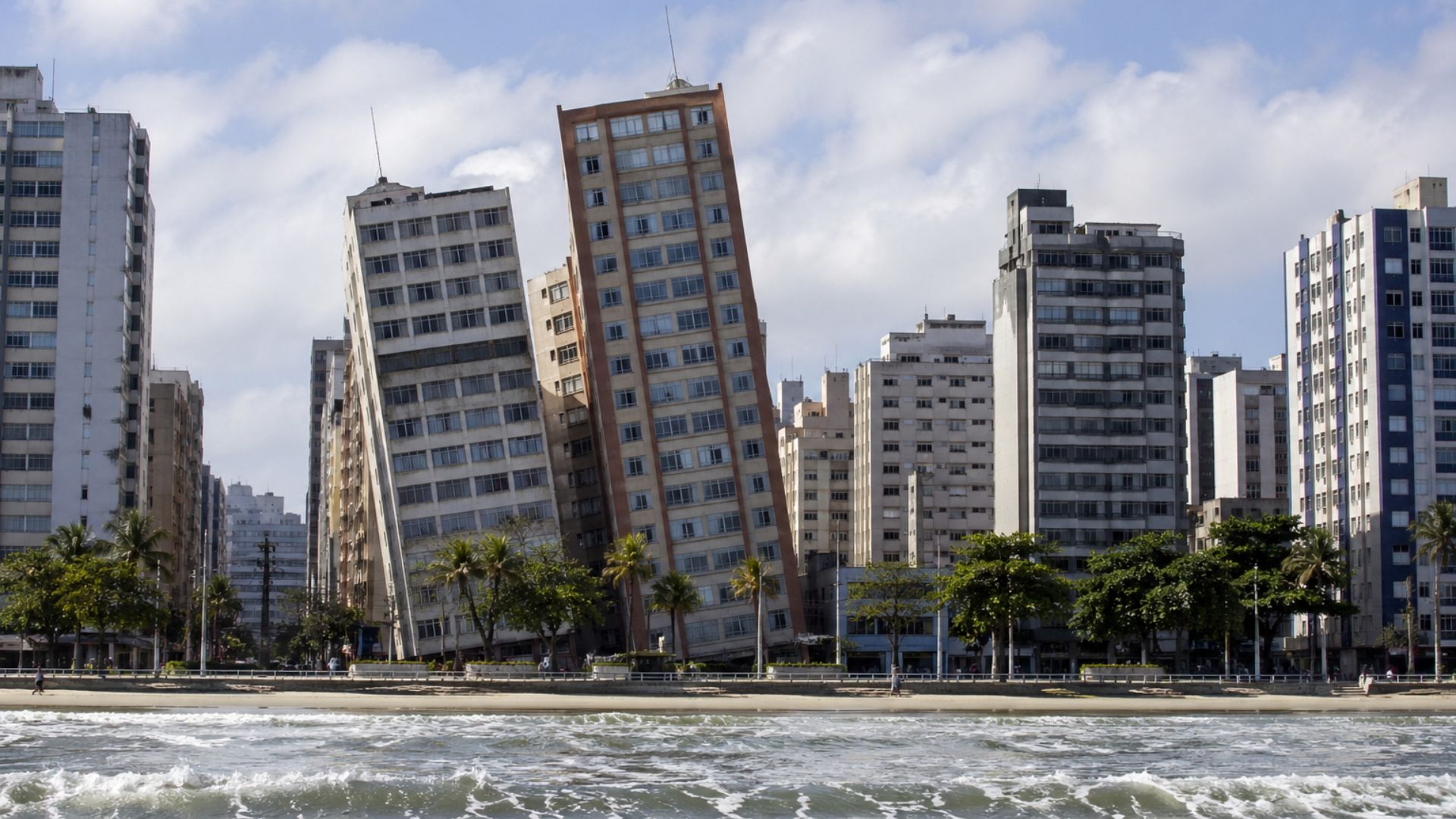
Nationally known for its leaning buildings on the waterfront and the challenges associated with sea encroachment, the city of Santos draws attention not only for tourism but also for urban demands that require constant investment in infrastructure and planning.
In this scenario, each tourist resort will be entitled to R$ 2.5 million in this transfer phase, while Cubatão, also part of Baixada Santista, falls into the MIT category and will receive a smaller amount, set at R$ 600 thousand, according to criteria defined by the state program.
The formalization of the agreements took place during a ceremony held at Palácio dos Bandeirantes, in the state capital of São Paulo, bringing together state authorities and municipal representatives, including Governor Tarcísio de Freitas, responsible for the official authorization of the transfers.
Resources to be used in tourist infrastructure works
With a direct focus on urban and tourist infrastructure, the funds will be allocated to interventions that include improvements in public spaces, increased accessibility, urbanization projects, and reinforcement of tourist signage, as well as the implementation of equipment that enhances visitor reception and stay.
These actions usually range from the requalification of waterfronts and central areas to the creation of new points of interest, with the aim of making cities more prepared to receive tourists and stimulate consumption in sectors such as hospitality, food, and local commerce.
In the context of Baixada Santista, the investment reaches cities with a strong dependence on beach tourism, but also includes municipalities that combine historical heritage, active commerce, diverse gastronomy, and services directly linked to the economic dynamics of the coast.
According to the state government, the total package foresees R$ 195 million directed to the 78 tourist resorts, while another R$ 81.6 million will be distributed among the 136 Municipalities of Tourist Interest qualified in this phase of the program, following technical criteria established by the State.
The distribution of resources seeks to balance investments between cities already consolidated in tourism and others that are still in the process of development, creating a broader network of destinations and reducing the concentration of visitors in a few municipalities.
Policy for tourist municipalities in São Paulo
Created back in the 1940s, São Paulo’s policy to encourage tourist municipalities underwent significant expansion in 2015, when the State instituted the category of Municipalities of Tourist Interest to include cities with development potential in the sector, even without the consolidated structure of traditional resorts.
Since then, the model has been used as a tool to decentralize resources and stimulate regional economic growth, allowing smaller municipalities to invest in infrastructure and expand their capacity to attract visitors throughout the year.
Currently, São Paulo brings together 78 tourist resorts and 136 MITs eligible to receive state transfers, consolidating a system that combines technical criteria, periodic evaluation, and development goals to define which cities are qualified to receive the funds.
In addition, another 70 municipalities were recognized by the Legislative Assembly in August 2025, although they are not yet automatically included in the transfers, and should only access the funds after the next ranking scheduled for 2027.
This classification process involves analyzing indicators such as infrastructure, tourist offerings, accommodation capacity, and local attractions, ensuring that investments are directed to cities with real potential for economic return.
Even with the formal authorization of the agreements already completed, the state government has not yet disclosed the exact date on which the amounts will be effectively transferred to the beneficiary cities, leaving open the financial schedule of the transfers and the forecast for the start of the funded works.




This is a good idea but the funds are inadequate to make a real difference. The government needs to choose ten municipalities and divide the money among them. That would give those ten municipalities a better chance of doing something that really helps. Next year choose a different ten to give money to.