Portuguese
 Spanish


Vanguard West and Vanguard East will be built 50 to 80 kilometers off the English coast, with enough capacity to generate electricity equivalent to the consumption of 3 million British homes and financing from 35 banks
The UK is preparing to build two major offshore wind farms in the North Sea, with an estimated investment of £12 billion and a combined capacity of 2.8 gigawatts (GW). Developed by Germany’s RWE and investment manager KKR, the projects could generate enough electricity to meet the equivalent of the needs of approximately 3 million British homes.
Two offshore wind farms will be built up to 80 kilometers from the coast
The projects, named Vanguard West and Vanguard East, will be located 50 to 80 kilometers off the coast of Norfolk, in East Anglia, eastern England.
According to the official statement released by RWE on November 11, 2026, each project will have an installed capacity of 1.4 GW, making them one of the largest offshore wind developments underway in the country.
-
Petrobras unveils $122 billion plan, boosts spending on refineries, diesel and ethanol, and cuts funding for solar and wind power

-
With R$236,000 in Funding, Federal University of Piauí Offers 110 Scholarships for Women-Only Solar Energy Course, with R$300 Monthly Stipends for Four Months
-
Brazilian company reduces electricity bills with solar farms, reaches 1 million customers, projects R$1.4 billion revenue, and invests in EV charging stations
-
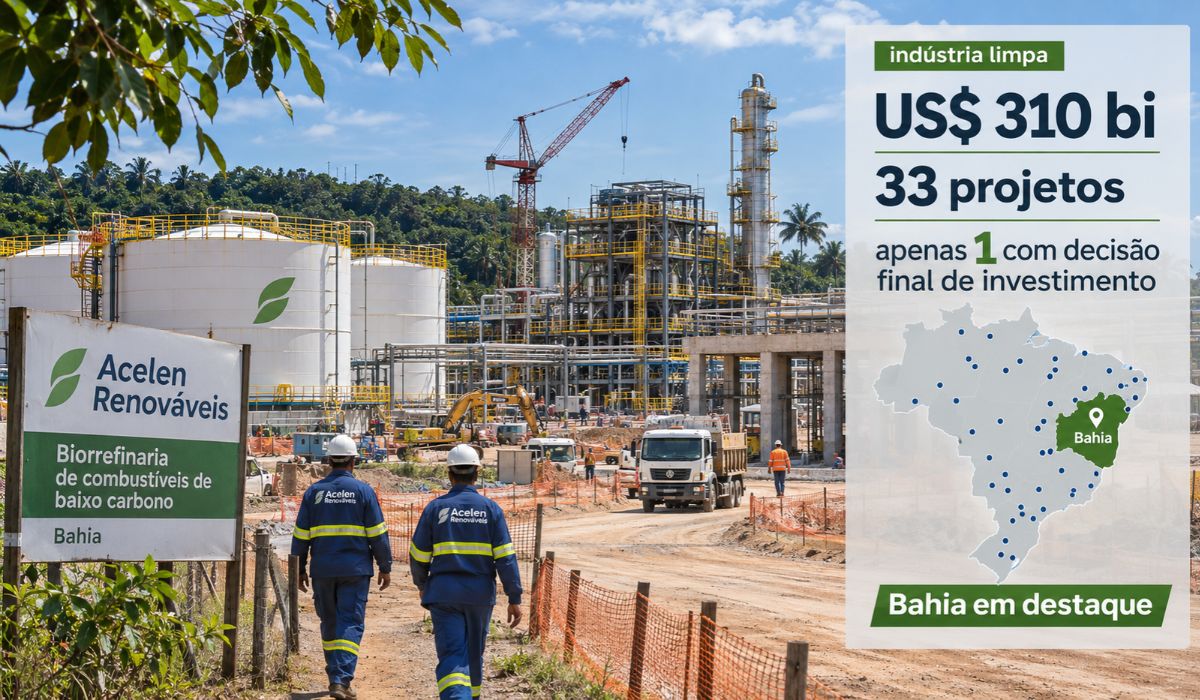
Brazil has $310 billion in 33 clean-industry projects, but only one reached a final investment decision in 12 months




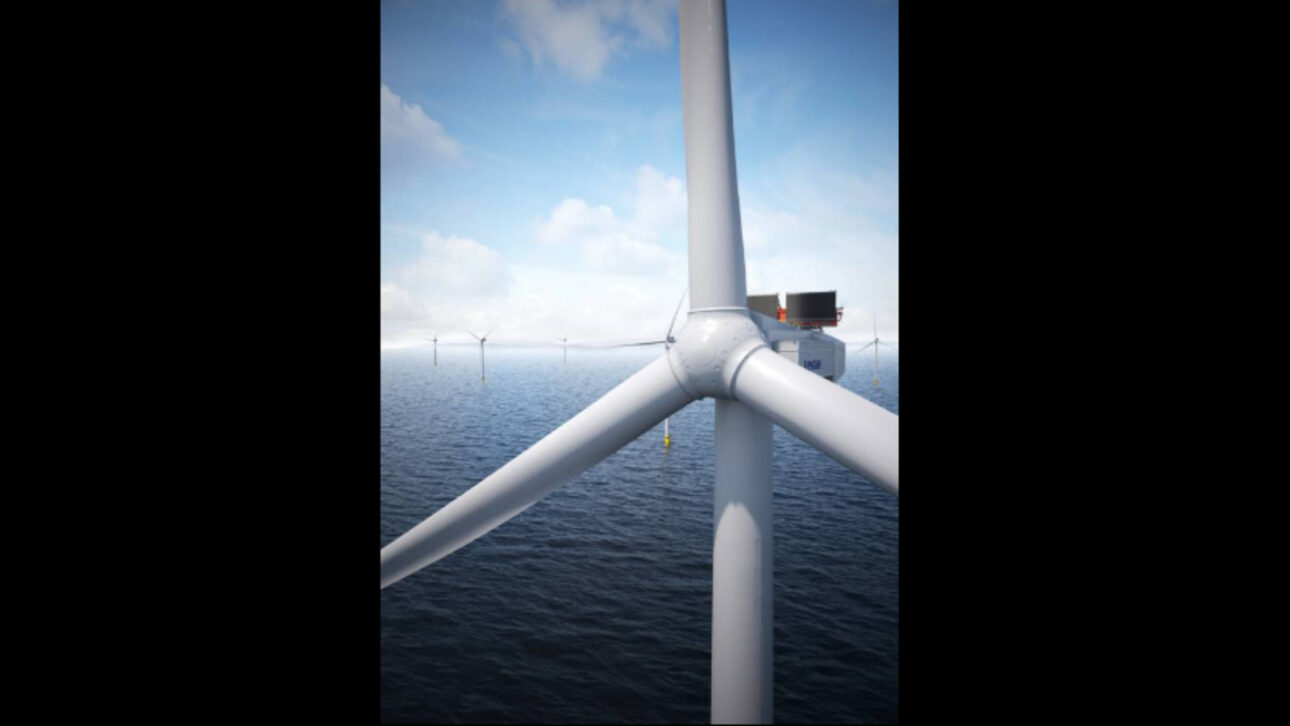
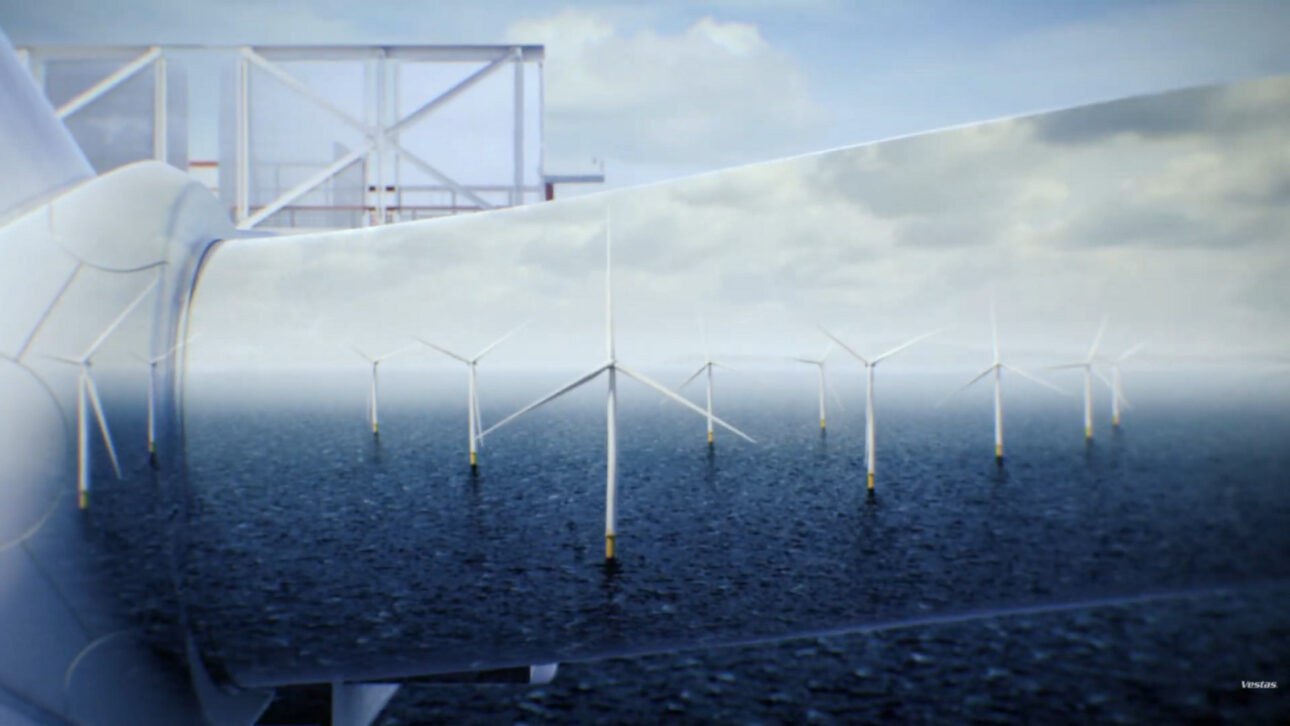
In practice, the wind farms will use turbines installed offshore to harness wind power and generate electricity.
The electricity will be carried to the onshore power grid by cables and substations, which are part of the transmission infrastructure included in the investment.
Once fully operational, the two projects are expected to have enough capacity to serve the equivalent of about 3 million British homes.
Construction begins in 2027, and both wind farms are expected to be ready in 2030
The schedule calls for offshore construction to begin in early 2027. The first phase will be the installation of the Vanguard West foundations, planned for the first half of the year.
Vanguard East will receive its offshore structures next. The companies expect both projects to begin operating in 2030.
Some of the required infrastructure is already under construction. Work on the onshore cables and electrical substations is at an advanced stage.
The projects will also use coordinated grid-connection infrastructure, planned to reduce environmental impacts and construction disruptions for nearby communities.
£12 billion investment involves financing from 35 international banks
To finance the projects, RWE and KKR completed a deal involving 35 international financial institutions.
The package includes £11.1 billion in project financing facilities and another £1.7 billion in ancillary facilities. These amounts should not be confused with the estimated total investment of £12 billion.
The companies said this is the largest financing deal for offshore wind projects ever completed in the United Kingdom.
The deal includes a £1 billion commitment from the UK’s National Wealth Fund, as well as credit guarantees from Germany’s Euler Hermes and Denmark’s EIFO.
KKR acquired a 50% stake in each wind farm, forming an equal partnership with RWE.
The German company will lead construction on behalf of the partnership.
20-year contracts provide terms for selling the electricity
The two wind farms also secured long-term contracts under the UK’s Contracts for Difference (CfD) mechanism.
In January 2026, each project received a 20-year contract with a strike price of £91.20 per megawatt-hour, in 2024 prices and adjusted for inflation.
The mechanism sets payment terms for the electricity produced, giving the projects greater financial certainty.
With operations expected to begin in 2030, Vanguard West and Vanguard East will add 2.8 GW of renewable capacity to the UK’s power system, increasing domestic electricity generation.