





 Portuguese
  English
  Spanish
  4 min of reading
  0 comments


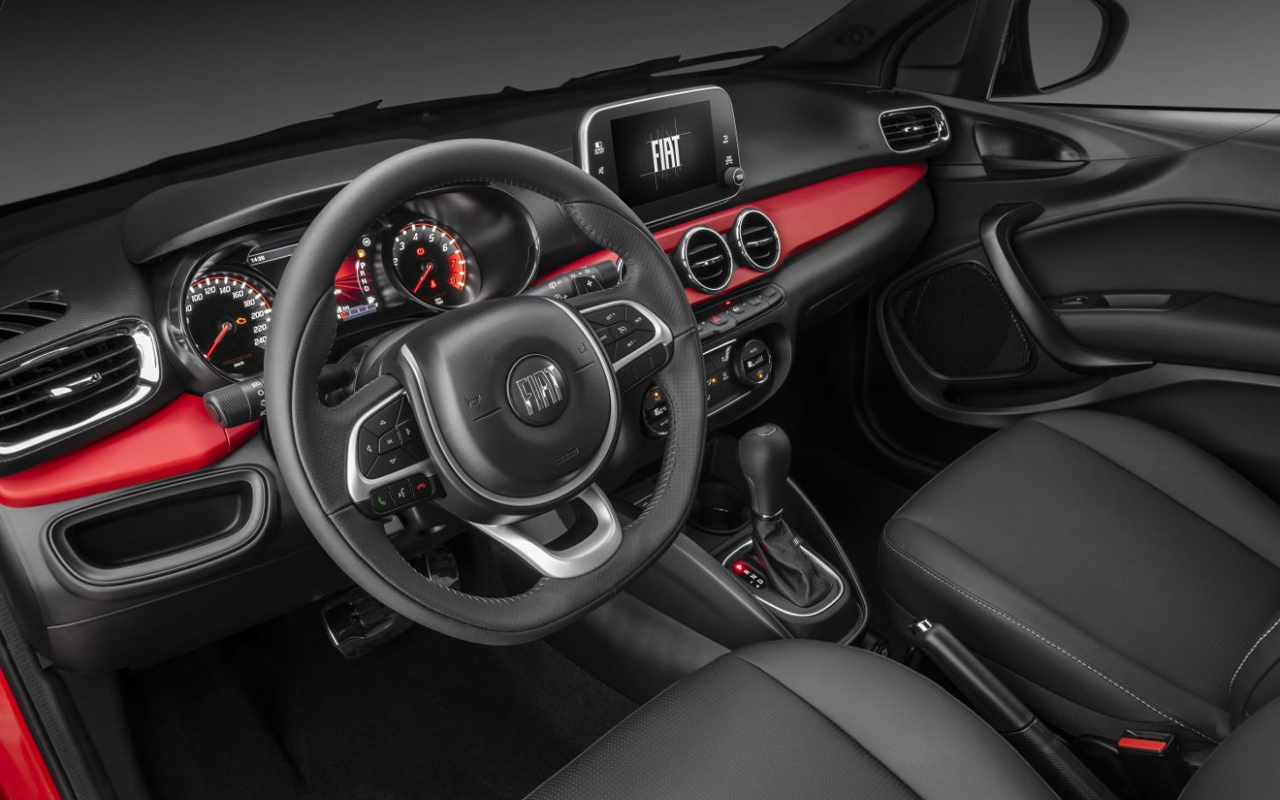
We Crossed Real Averages of Insurance, Theft Risk, and Repairability to List 9 Used Cars with the Cheapest Policies in 2025, with Ranges by Model and Tips to Pay Less.
The car insurance is one of the biggest costs of car ownership. In 2025, the insurance market grew nominally, but with claims pressure and repricing, which keeps the topic at the center of the budget for drivers. According to Susep, the sector recorded a nominal increase in the first quarter of 2025, even with a real decline— a scenario that typically reflects in the premiums charged to consumers.
The price you pay depends on factors such as the city where the car is parked, driver profile, bonus, and claims history. Therefore, the same model can have significant differences between capitals. To give predictability, we used public and recent references from brokers and automotive publications, always making it clear the profile and the locality of the quotation.
We also considered repairability and theft risk. Models that are simpler to repair and have a lower incidence of theft tend to have cheaper policies. The Susep’s Stolen Vehicle Index and CESVI’s repairability methodology help explain why certain cars cost less to insure.
-
5 wolf-in-sheep’s-clothing cars that hid absurd mechanics, from a sedan with a Ferrari V8 and a Toyota with a twin-turbo 2JZ to a Saab wagon that gave Porsches a run for their money and the brutal Lotus Carlton disguised as an Omega

-
With a hybrid engine and all-wheel drive, the Hyundai Azera 2027 arrives with 5.05 m in length, a giant 17″ Android-powered display, a smart touch-opaque roof, and a price of around R$ 143 thousand.
-
New Chevrolet S10 Trail Boss debuts in Brazil with exclusive Ironman suspension, All Terrain tires, 2.8 turbodiesel engine, and 4×4 traction, targeting those who want a factory off-road pickup for work, trails, and difficult roads.

-
GMC Sierra EV arrives with up to 769 km of range, up to 760 cv of power, and a towing capacity of 5.6 tonnes to challenge diesel and redefine the limit of electric pickups in heavy-duty work.




For this list, we selected popular used cars with large fleets, good acceptance by insurers, and average insurance ranges lower than those of direct competitors. Below you will see what each model offers, in addition to an indicative annual range based on recent studies. The ranges reflect differences by profile and city and do not replace your actual quotation.
1) Fiat Mobi 1.0 Used: Minimum Fixed Cost for Urban Use
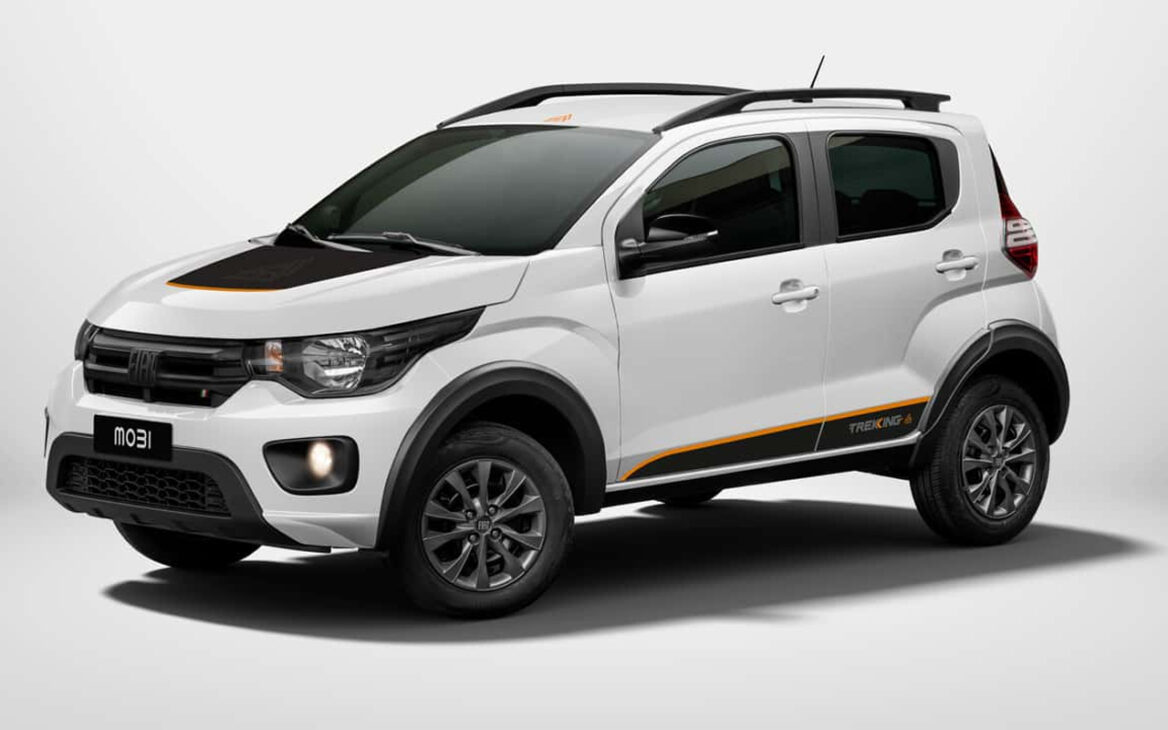
Cheap parts, simple mechanics, and low power help the Mobi rank among the lowest insurance rates.
Average annual insurance: from R$ 1,55 thousand to R$ 1,90 thousand in standard profiles, with records of R$ 1.59 thousand in 2025.
Additional base for 2024 shows a similar level in market tests.
2) Renault Kwid 1.0 Used: Lightweight Compact with Streamlined Policy
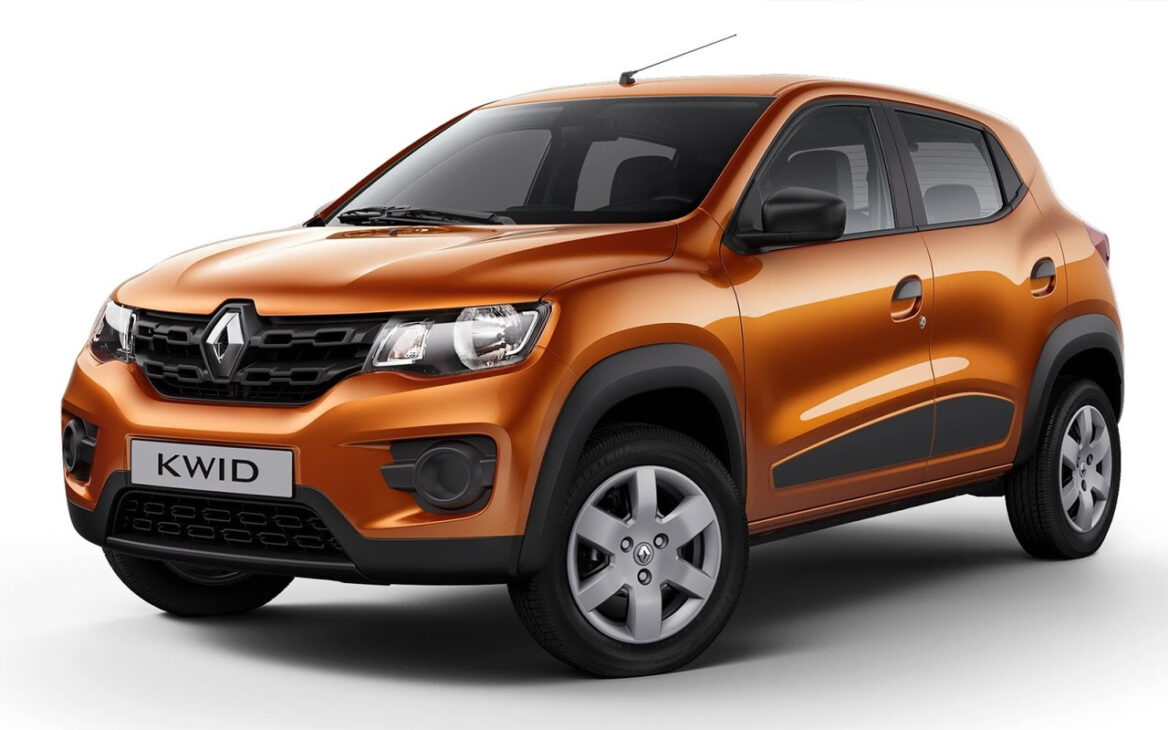
Lightweight, economical, and with good availability of parts, it is usually chosen by those who seek low insurance.
Average annual insurance: from R$ 1,56 thousand to R$ 1,90 thousand, with recent measurements at the lower end of the range. In 2024, it was already among the lowest averages.
3) Hyundai HB20 1.0 Hatch Used: Affordable Outside Theft Hotspots
Popular, with a good network and reasonable maintenance. In capitals with lower risk, it is quite competitive.
Average annual insurance: from R$ 1,70 thousand to R$ 3,90 thousand depending on the city and profile; São Paulo and Rio pull the upper end of the range.
4) Chevrolet Onix 1.0 Hatch Used: Sales Champion with Balanced Premium
Large fleet and national network favor parts prices and insurers’ acceptance.
Average annual insurance: from R$ 1,87 thousand to R$ 3,73 thousand depending on profile and capital.
5) Fiat Argo 1.0 Used: Easy to Maintain, Pay Attention to the City
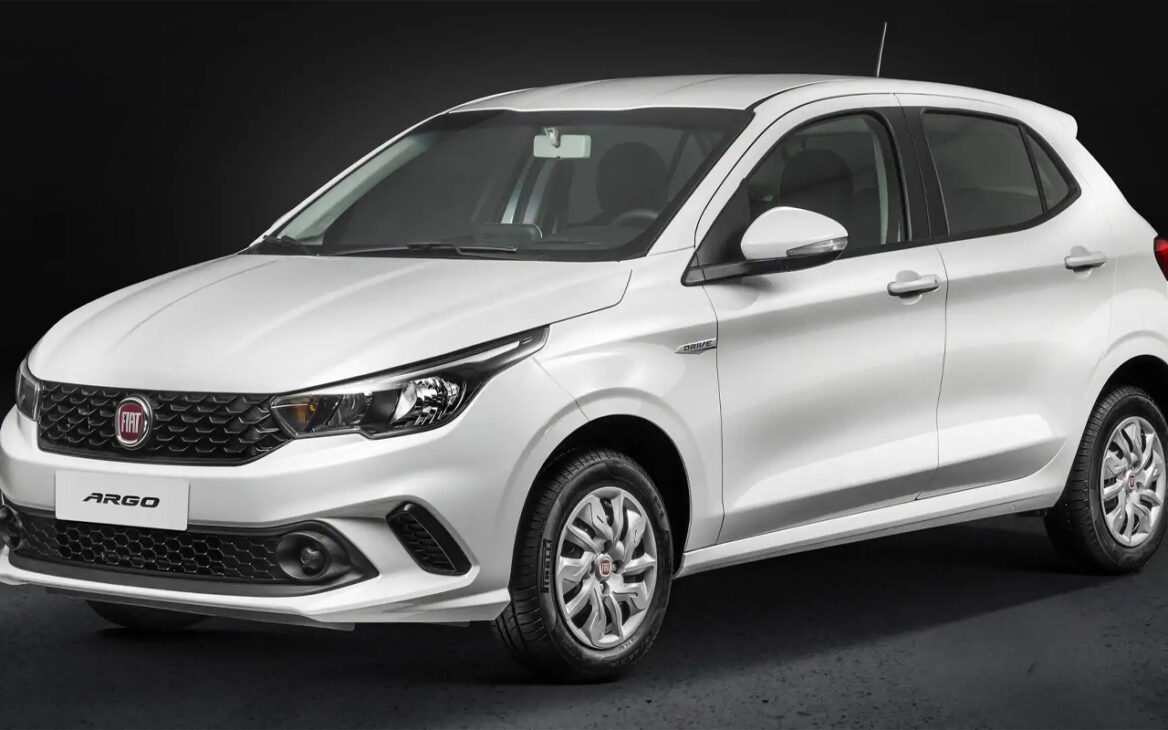
Direct competitor to HB20 and Onix, with predictable maintenance. In some capitals, the premium increases; in others, it remains competitive. Average annual insurance: from R$ 2,30 thousand to R$ 4,80 thousand depending on the vehicle’s circulation area.
6) Volkswagen Polo 1.0 Used: Safety and Good Driveability
Hatch with good parts availability and widely insured versions.
Average annual insurance: from R$ 2,20 thousand to R$ 4,10 thousand depending on the city and profile, with lower averages outside major centers.
7) Chevrolet Onix Plus 1.0 Sedan Used: Space Without Scaring the Premium
Light and efficient sedan, usually does not increase much compared to the hatch in standard profiles.
Average annual insurance: from R$ 2,30 thousand to R$ 3,90 thousand.
8) Hyundai HB20S 1.0 Sedan Used: Rational for Family
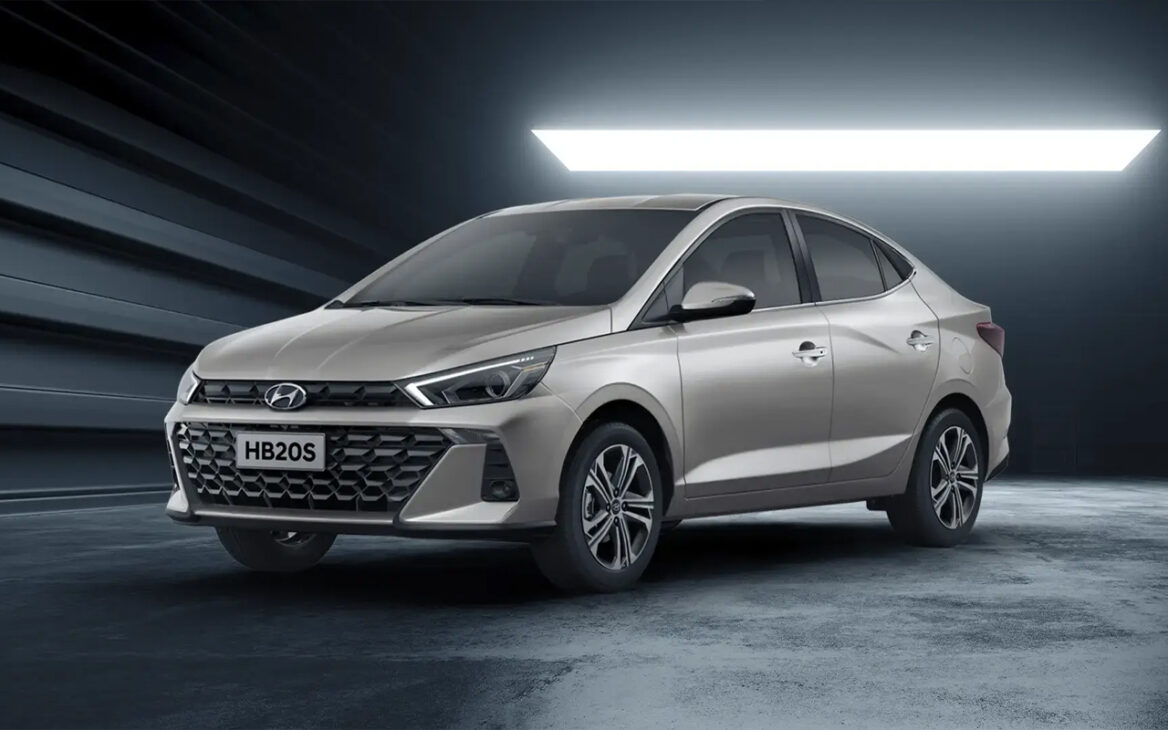
Shares the hatch’s mechanics, with similar costs for insurers.
Average annual insurance: from R$ 2,10 thousand to R$ 3,80 thousand.
9) Nissan Kicks 1.6 Used: An SUV Among the Cheapest to Insure
Among compact SUVs, the Kicks usually appears in the lowest averages, especially outside critical areas.
Average annual insurance: from R$ 2,40 thousand to R$ 3,50 thousand in standard profiles; recent monthly averages hover around R$ 235 per month.
How We Estimated the Insurance Ranges by Model
The ranges above cross three fronts:
- Rankings and public quotations published by vehicles and brokers in 2024 and 2025, useful for relative positioning and order of magnitude.
- Theft and burglary risk by model and insured exposure, via Susep’s IVR, which directly influences premiums.
- Repairability according to CESVI’s methodology, which considers the cost and time of repair in typical accidents and helps explain why certain models have cheaper policies.
Why the Same Car Can Have Expensive Insurance in One City and Cheap in Another
Two factors drive the price, regional claim frequency and local repair costs. In capitals with a high theft rate, the premium rises. Conversely, cities with a network of certified workshops and abundant parts tend to have lower policies. This is what Susep highlights when monitoring the auto sector’s performance in its 2025 bulletins.
Quick Tips to Pay Less without Reducing Coverage:
• Adjust the deductible upwards if you drive little and can assume part of the risk.
• Garage and tracker tend to lower prices at various insurers.
• Review unnecessary coverages and consider rental car for limited daily use.
• Report usage and mileage accurately. Incorrect data may invalidate indemnification.
• Compare quotes from more than one insurer and don’t forget to declare your bonus class.
Note: The values mentioned are indicative averages for 2024 and 2025, varying by profile, version, model year, and city. Use them as a reference for initial decisions, and always get a customized quote before purchasing. The sources used include bulletins and panels from Susep, surveys from brokers, and compilations from automotive portals with explicit methodology.









-

-

-

-

6 people reacted to this.