





 Portuguese
  English
  Spanish
  2 min of reading
  0 comments


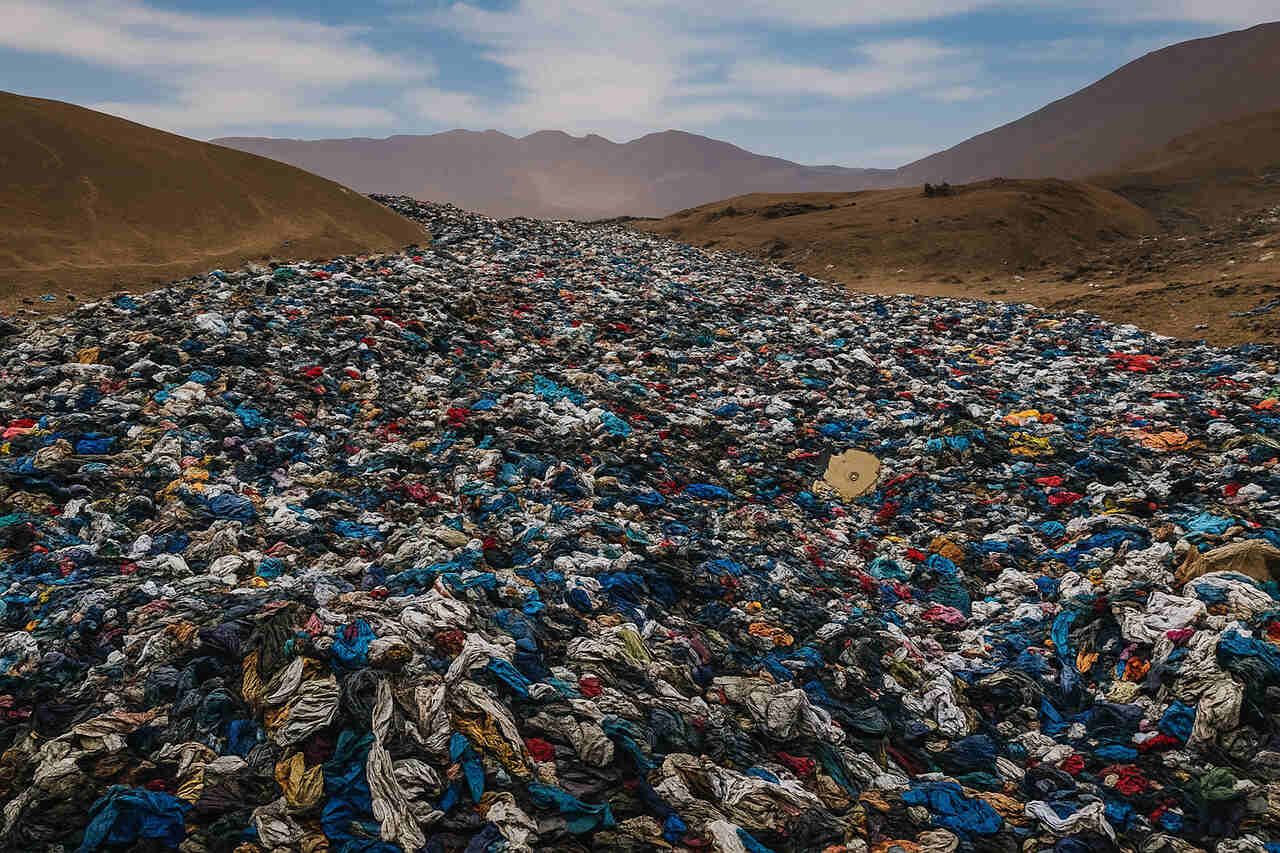
In Chile, The Atacama Suffers From Accumulation of Clothing, Microplastics in the Air, and Burning of Synthetic Fabrics That Release Toxic Smoke into the Environment
The Atacama Desert, known for its arid beauty and clear skies, faces an alarming environmental crisis. Mountains of discarded clothing have been accumulating in the area, transforming the landscape into an open-air landfill. The situation is a direct result of the impact of fast fashion, one of the most polluting industries in the world.
Polyester and Persistent Pollution


A large portion of this clothing is made from polyester, a synthetic material that takes about 200 years to decompose.
During this process, it releases microplastics. These microscopic particles spread through the soil and air, contaminating the environment and entering the local food chain.
-
Bangladesh tested a house that seems to have hidden buoys, stays firm on the ground on dry days, and floats during floods without turning into a houseboat.

-
While regular houses face the hurricane head-on, a company in the United States sells round houses that deflect wind pressure, withstand 130 mph, and reach 190 mph with reinforcements.
-
The material that still causes surprise in Brazil has become walls in the USA, accelerated houses in Minnesota, and reduced heating costs by 70%.
-
The John Deere forestry truck carries 19 tons of wood per trip, uses traction power to overcome mud, slopes, and narrow trails, and becomes the hidden link between the felled tree and the pulp industry.




Microplastics in the Air and Soil
The microplastics released by the slow decomposition are not limited to the area where the clothing is. The wind carries these particles to distant areas, amplifying the contamination. The soil of the desert is directly affected, as well as the atmosphere of the region.
Another aggravating factor is the fires that occur in illegal clothing depots. The burning of synthetic materials releases toxic smoke. Gerson Ramos from the regional government warned the BBC that this smoke can cause serious cardiorespiratory diseases in the local population.
Threat to the Ecosystem
The damage goes beyond visual pollution. Microplastic contamination alters the soil composition, interferes with flora, and affects local fauna. Air pollution directly compromises human health. The desert, which was once a symbol of natural preservation, is now under constant threat.
The Atacama faces a continuous cycle of environmental degradation. Discarded clothing, chemical pollution, microplastics, and toxic smoke combine to undermine the sustainability of the region. The crisis in the Chilean desert highlights the real impacts of the fashion industry on the environment.
With microplastics in the air and soil, toxic smoke in the sky, and mountains of trash growing each day, the Atacama Desert is turning into a symbol of a problem that demands urgent attention.
With information from NSC Total.




Be the first to react!