





 Portuguese
  English
  Spanish
  3 min of reading
  1 comment


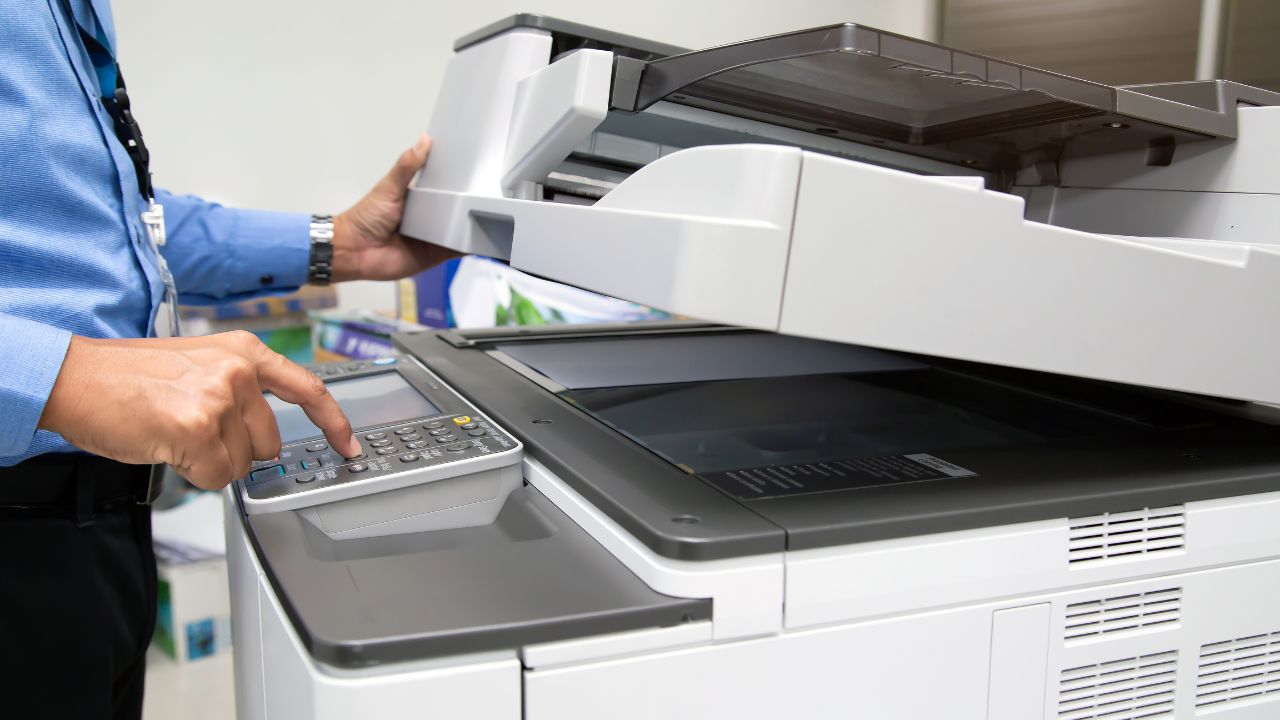

How Xerox, The Company That Invented The Photocopy, Changed The World And Still Influences Your Day-To-Day.
Today, asking to “make a xerox” is as common as sending a message on a cell phone. But behind this everyday expression lies the journey of a technology giant: Xerox.
Founded over 70 years ago, the company not only created the modern photocopying but was also a pioneer in innovations that shaped the computing and printing world.
The Origin of Xerox: Innovation From Day One
It all began in 1947 when American physicist Chester Carlson developed electrophotography, a process that would soon be known as xerography.
-
A 900 kg steel lid disappeared during an underground nuclear test in Nevada in 1957, and physicist Brownlee calculated that it was launched at 66 km per second but believes that the lid vaporized before reaching space.

-
Soviet jet Yakovlev Yak-40 that was donated to USP has been completely abandoned for about 20 years and even has a bird’s nest in it.

-
It’s not just in Brazil: a multi-million dollar roundabout in the middle of nowhere exposes the scandal of broken promises in Hungary and becomes a symbol of expensive public works that lead absolutely nowhere.

-
Australian cattle ranchers face Glencore’s project that wanted to store liquid carbon underground and prevent the advance of a plan seen as a threat to the aquifer that sustains the interior.





In trying to sell his invention, he found space at Haloid, a manufacturer of photographic paper.
The choice of the name “xerox” has Greek roots: it comes from xeros (dry) and graphos (writing). This definition was not by chance.
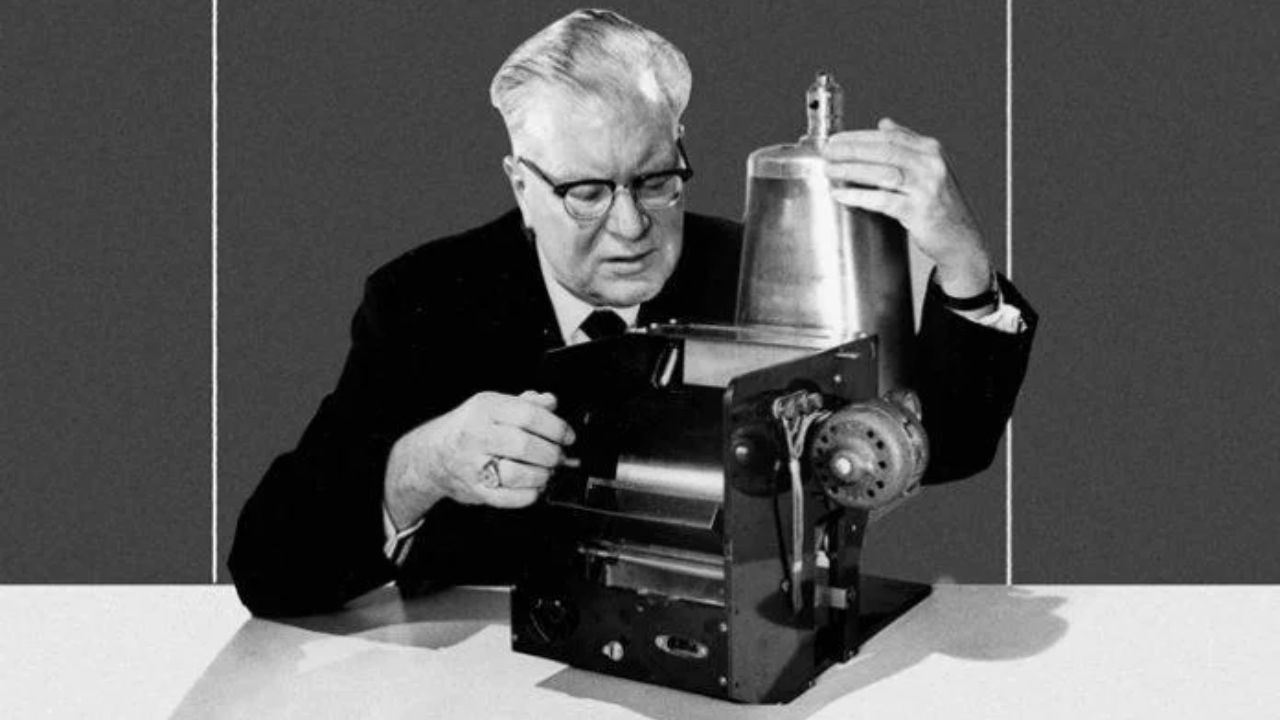
The new method eliminated the need for liquids, soap, or wet ink, using electrostatic charges and fine powders to create faithful copies of documents.
The Machine That Changed Offices
The first major breakthrough came with the launch of the XeroX Copier, a large-scale device that quickly gained traction in the corporate environment.
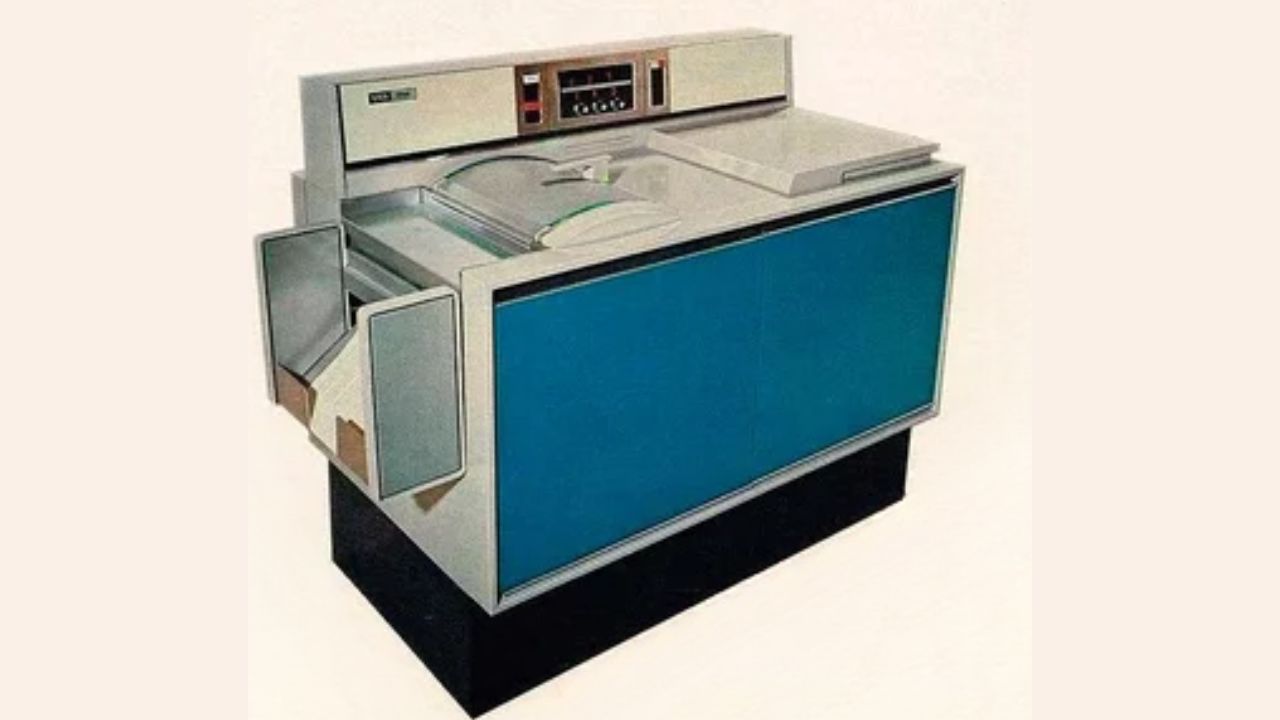
In 1955, innovation intensified with the CopyFlo, which replaced the flat image with a rotating drum, speeding up the production of copies. This practicality was so significant that the term “xerox” became synonymous with photocopy.
As Paul Ellis explained in Popular Science in 1949:
“The new technique does not require soap, ink, pressure, or chemicals. Static electricity does the work, with the help of fine powders.”
From Haloid to Xerox: The Evolution of The Brand
In 1961, the company decided to drop the Haloid name and started calling itself Xerox. However, ambitions went far beyond copiers.
During the following decades, the company heavily invested in research and development, opening the famous Xerox PARC (Palo Alto Research Center).
It was there that essential technologies for the digital age were born, such as:
- The graphical user interface of computers
- Ethernet, the technology connecting computers
- Word processing software
- Tools for images and animations
The Missed Opportunity to Lead The Computer World
Despite so many revolutionary innovations, Xerox failed to capitalize on the advancements created at PARC.
While ideas like the “mouse” and “graphical interface” were born in its labs, it was Apple that brought these solutions to market years later.
In 2002, the company divested from the research center, and in 2023 it donated it to the SRI International institute, closing a promising but underutilized chapter.
Xerox and The Revolution of Printing
Even with missteps in the computing field, Xerox continued to innovate in its original territory: printing.
After xerography, the company introduced xero printing, an even simpler process, ideal for mass printing of newspapers and documents.
To this day, xerox technology printers and copiers are widely used in schools, businesses, universities, and government agencies.
Why Xerox Became a Synonym for Photocopy?
The cultural impact of Xerox was so great that its name became a verb. Making a “xerox” is universally understood as “making a copy,” even if the device used is of another brand.
This phenomenon is known as brand genericization, and few companies have achieved this: Google, Velcro, and Bombril are other examples.
Despite a decline in prominence in the technology landscape in recent years, Xerox remains active, focusing on business solutions for printing, digitization, and automation.
The company maintains its relevance in specific markets and is still a reference for innovation and reliability in corporate environments.
More than a brand, Xerox represents an era of discoveries, practicality, and technological advances. It pioneered transforming office routines worldwide and left marks on the evolution of computing.
Even today, when using a copier or printer, much of what is there owes its existence to the genius of Chester Carlson — and the bold spirit of Xerox.






Tenho orgulho e ter trabalhado na grande empresa XEROX,que segundo Steven Jobson poderia ter sido a maior empresa de todos tempos,se não tivesse aberto mão de suas próprias intenções como o mouse e interface gráficas que originaram o windows da Microsoft e o Macintosh da Apple.