





 Portuguese
  English
  Spanish
  5 min of reading
  0 comments


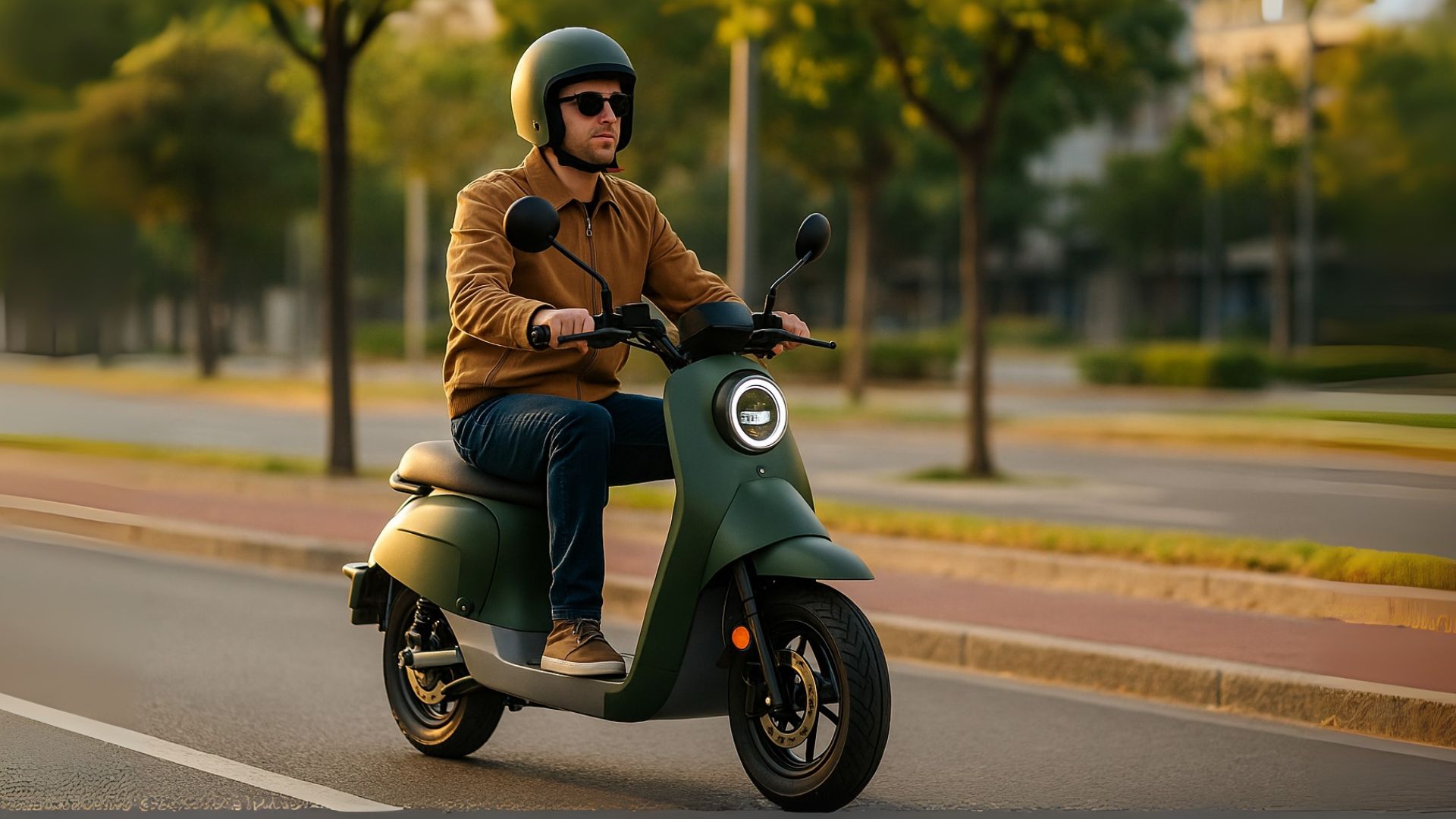
Bee Type 2 Electric Scooter Arrives in the Brazilian Market with Retro Design, 1,000 W Motor, Removable Battery, and Modern Features, Promising Practical, Sustainable, and Affordable Mobility for Daily Life in Cities.
Bee announced the arrival of the Bee Type 2 electric scooter in the Brazilian market.
The retro design model combines a 1,000 W motor, speed limited to 28–32 km/h, and a nominal range of 40 to 50 km per charge.
Launched at a promotional price of R$ 12,990, the Type 2 now appears on the official website for R$ 14,990 and can be purchased with interest-free installments.
-
Dolphin Mini with intelligent steering? BYD confirms God’s Eye in Brazil in 2027 and bets on 4-nanometer chip, AI, LiDAR sensors, and technology to enhance safety.

-
Marcopolo’s motorhome debuts in Brazil with 4×4 traction, 175 hp Cummins engine, Allison transmission, solar energy, 4G and 5G internet, fixed bed, full kitchen, and a structure made for adventures.
-
Hyundai sells entry-level hatch for less than R$ 35,000 with 6 airbags, stability control, and hill-start assist, a safety package that in Brazil usually appears only in much more expensive cars, in India.

-
For around R$ 38,800 in a tax-free conversion, the Kia Sonet offers the size of a compact SUV, 6 airbags, and four transmission options in India, in a package that shows how the popular car has disappeared from Brazilian stores.


The classification of the vehicle as a self-propelled individual mobility device dispenses with licensing, registration, and licensing requirements, according to current regulations.
Retro Design and Standard Features
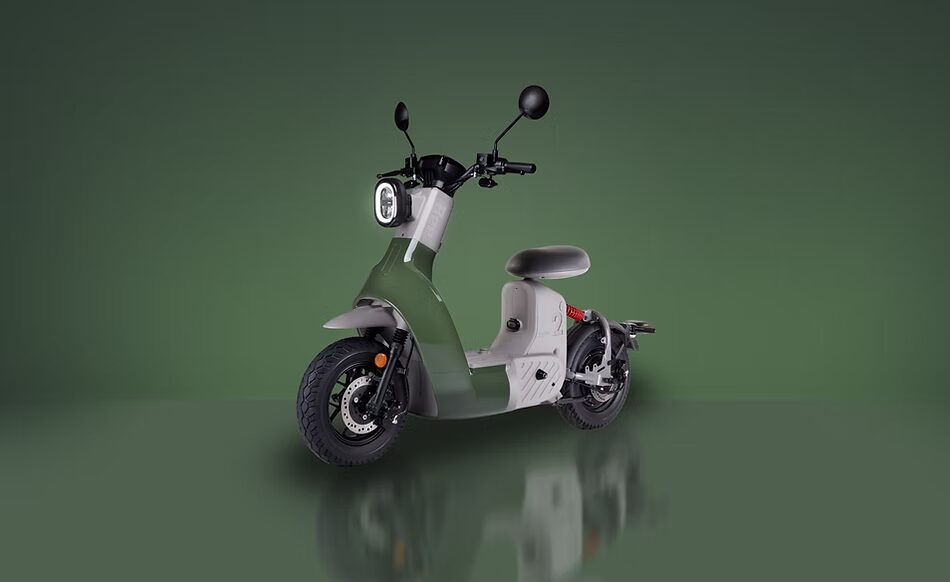
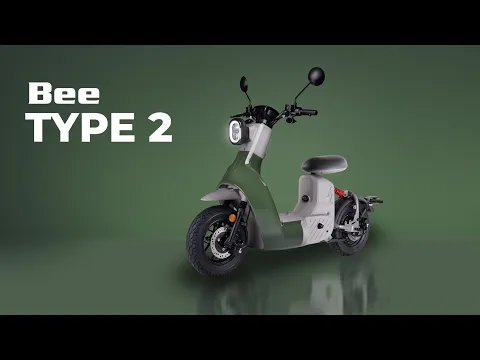
Inspired by Italian “tiny scooters,” the Type 2 features rounded lines with a modern signature.
The Angel Eye headlight and the digital dashboard inspired by “tetris” enhance visual appeal, while the bodywork uses recycled materials, with a finish designed to withstand daily use.
The front suspension is oil-based and the rear system includes a tilted monoshock damper, a solution that prioritizes comfort and stability on good pavement.
The lightweight chassis is fitted with 10-inch wheels and 3.50-10 tubeless tires, and the disk brakes on both wheels increase safety during short stops in traffic.
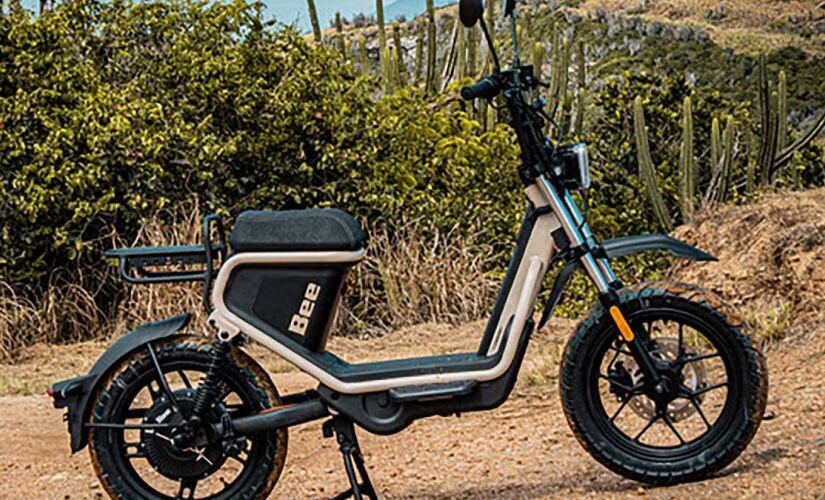
The convenience package includes a USB port, reverse gear, anti-theft alarm with a NFC card, and the option to turn the vehicle on and off via smartphone using Bluetooth.
Weighing 70 kg with the battery, the Bee helps with maneuvers in tight spaces.
The load capacity of up to 180 kg allows a passenger within the expected limits.
Performance and Range
With a 1,000 W brushless motor, the Type 2 comes from the factory limited to the legal ceiling of 32 km/h, a speed sufficient for short to medium-distance travels in neighborhoods and roads with a limit of up to 40 km/h.
The removable lithium battery (24 Ah) can be recharged in 6 to 8 hours on residential outlets, and the detachable module makes it easy to take the component to the office or apartment.
Under controlled conditions, the brand states a nominal range of 40 to 50 km; users report averages close to 40 km, according to the company’s technical material.
Although the title highlights “mud and gravel,” the setup of 10-inch wheels and urban tires indicates a primary focus on paved streets, bike lanes, and cycle paths.
On light dirt road sections, the suspension handles common irregularities, but the manufacturer’s declared proposal is urban micromobility.
Price and Purchase Conditions
At launch, Bee disclosed a promotional price of R$ 12,990.
Currently, the official page displays the Type 2 starting at R$ 14,990, with installments of up to 10 interest-free payments on the card and delivery throughout Brazil, subject to shipping fees.
The catalog offers three color options: Black Piano, Military Green, and Beige.
The color composition enhances the retro appeal and expands options for more discreet profiles or those with a “vintage” touch.
International Partnership
The Type 2 is the result of collaboration with Keeway, a Chinese manufacturer linked to the Geely group, which also controls global brands like Volvo and Lotus.
The agreement involves the supply of chassis, mechanical set, and motor, with development aligned to the demands of the Brazilian market for light electric vehicles.
The cooperation accelerates the supply of components and standardizes processes, in addition to bringing Bee closer to tested solutions on a larger scale.
Store Network
Bee has expanded its commercial presence in the country.
In addition to already known locations in Rio de Janeiro, the network includes units in São Paulo and an operation in Lisbon, with national sales through a digital channel.
This network facilitates test drives and after-sales, an important factor for a product that is still consolidating charging, maintenance, and usage habits in daily life.
Legislation for Self-Propelled Vehicles
The Resolution 996/2023 of Contran defines self-propelled individual mobility devices as devices of up to 1,000 W and maximum manufacturing speed not exceeding 32 km/h.
In this category, circulation can occur on bike lanes, cycle paths, and roads with a limit of up to 40 km/h, according to local regulations.
The regulation also states that these devices are not subject to registration, licensing, or plating, and do not require a driver’s license.
In enforcement and safety practices, required equipment and signage remain mandatory, such as speed limiters/indicators and lighting.

Sustainability and Practicality
In addition to using recycled materials in the bodywork, the electric system reduces local emissions and noise, relevant factors in short-distance mobility.
The removable battery simplifies the routine for those living in buildings without parking with outlets.
The integrated Bluetooth allows convenience functions without increasing complexity of use.
For profiles that alternate between solo trips and carpooling, the load capacity of up to 180 kg meets common situations, from commuting to work to light service activities.
Usage Profile
The technical package favors intra-neighborhood travels, routes of up to a few dozen kilometers per day, and circulation on bike lanes or urban roads limited to 40 km/h.
The proposal of retro style, combined with a 1,000 W setup with disk brakes and features like alarm, NFC, and reverse gear, positions the Type 2 as a functional electric alternative for those prioritizing practicality and low running costs.
As with any vehicle in this category, performance may vary depending on loaded weight, inclines, and driving mode.
With this set of features and the current price level, does the Bee Type 2 meet your expectations for an urban electric scooter, or are there still items missing to tackle your commuting routine?





-

1 person reacted to this.