






 Portuguese
  Spanish


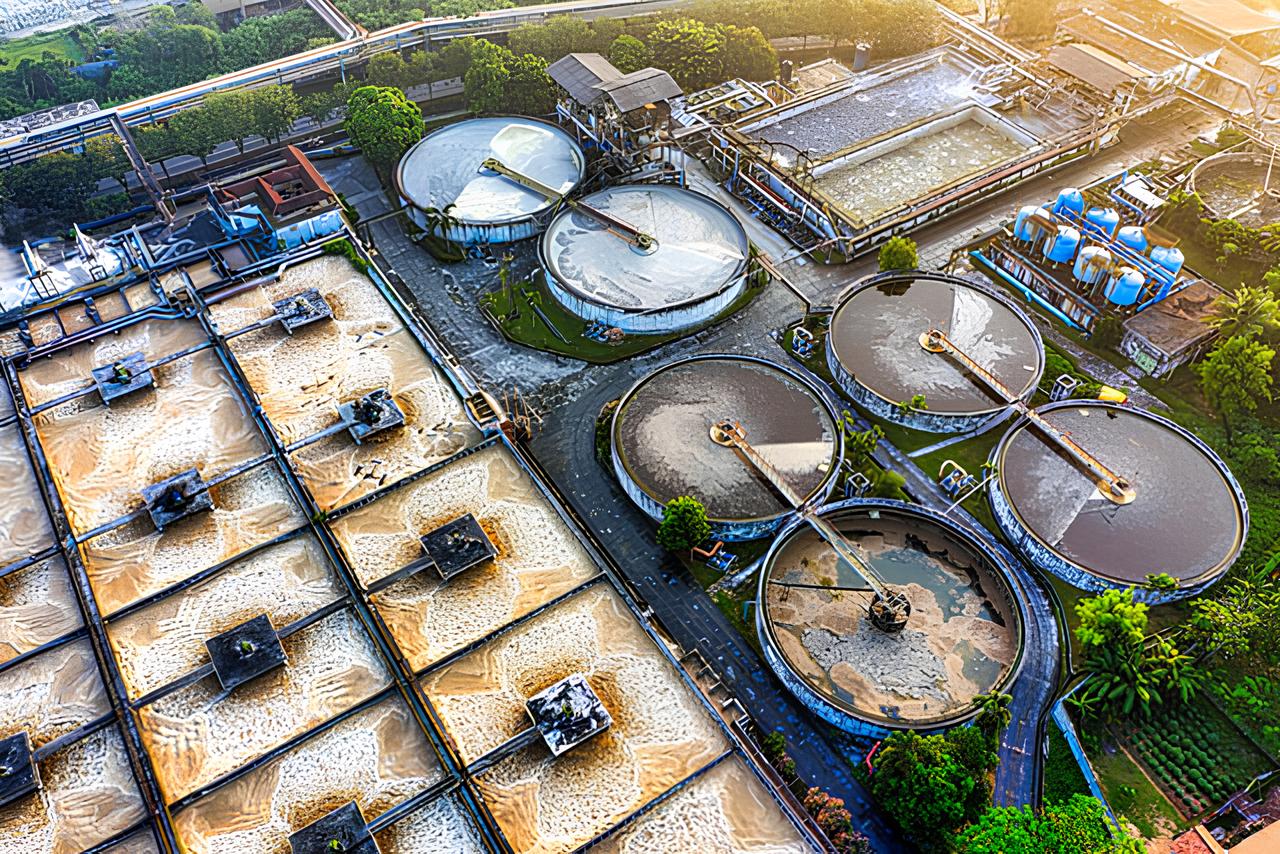


Iloilo begins construction of the largest desalination plant in the Philippines, with 66.5 million liters per day, supplying 50,000 households and operation expected by 2027.
According to SUEZ, the construction of the largest seawater reverse osmosis desalination plant in the Philippines began on April 7, 2025 in the neighborhood of La Paz, in Iloilo City, on the island of Panay. The project brings together SUEZ, the Filipino construction company JEMCO, and Metro Pacific Water, the water infrastructure arm of the Metro Pacific Investments Corp. group.
The plant will have the capacity to produce 66,500 cubic meters of water per day, equivalent to 66.5 million liters daily. Of this total, more than 97% will be allocated to supply about 50,000 households in the Iloilo metropolitan area, while the remaining 3% will go towards the production of demineralized water used in a neighboring power plant. The construction is expected to take 24 months with operation projected to start in early 2027.
Iloilo Desalination Plant arises because the city has no room to expand conventional water sources
Iloilo City has about 460,000 inhabitants and over 1 million in the metropolitan area. It is one of the main cities in the Western Visayas, but faces a structural problem that few cities of this size can ignore for long: it does not have a large river capable of sustaining urban supply on its own.
-
OnePlus N6 Smartphone to Launch in India with 8,000mAh Battery and 45W SuperVOOC Charging, Lasting Up to Three Days

-
Scientists Plan to Release Air Bubbles Underwater to Protect Antarctica’s “Doomsday Glacier” from Melting

-
Chinese R6000 Drone Combines Airplane and Helicopter Features, Carries Up to 12 People for Multiple Missions
-
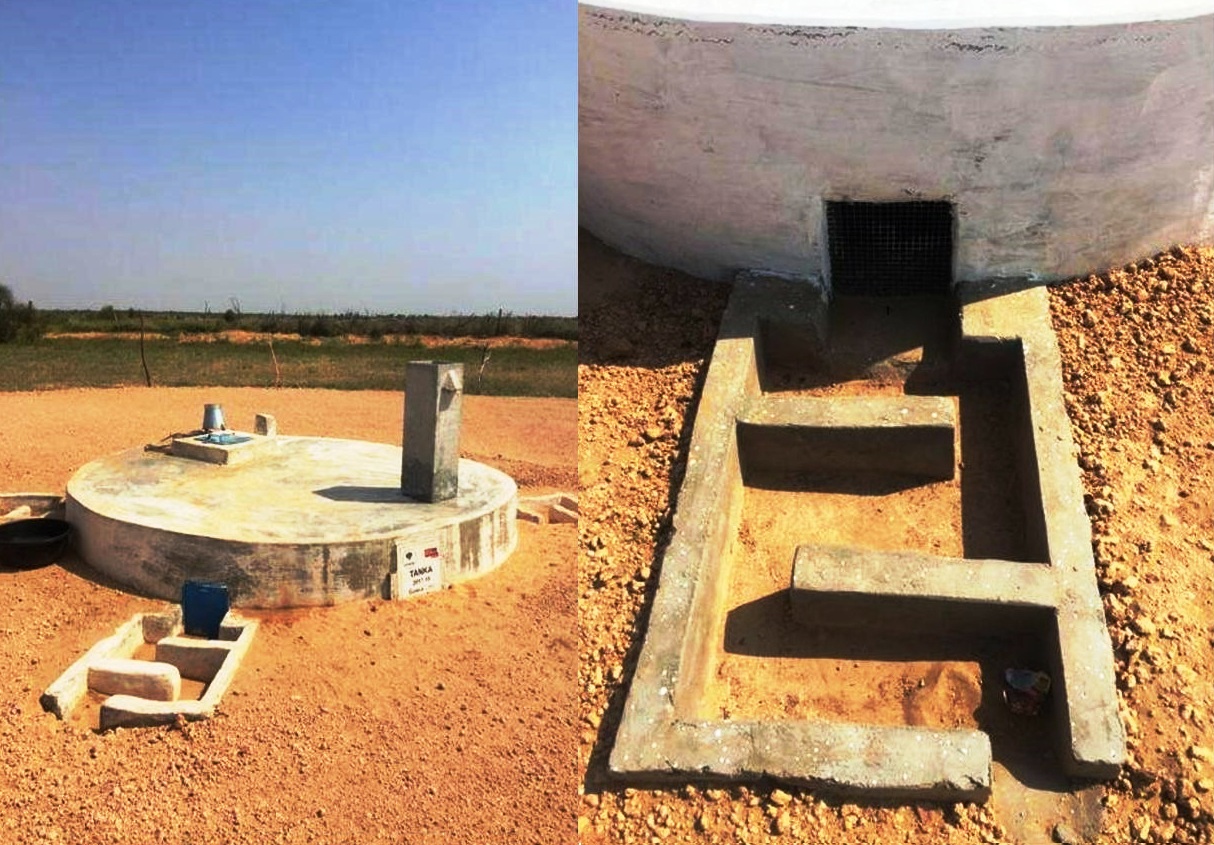
In the World’s Most Densely Populated Desert, Families Dig Funnel-Shaped Underground Cisterns to Capture Rare Rainfall and Store Drinking Water for Up to Eight Months






The Iloilo River is small, suffers from seasonal variations, and has already been pressured by urban growth and the salinization of lower areas.
The coastal aquifers have also been exploited beyond their natural recharge capacity, while saltwater intrusion has advanced over the water table, making part of the groundwater unsuitable for consumption even before treatment.
With the economic expansion of Iloilo as a hub for information technology, medical services, and tourism, the demand for water has grown faster than traditional sources could keep up with.
SUEZ itself summarized the situation by stating that the region’s freshwater sources have become severely strained and no longer meet the growing demand.
Reverse osmosis will transform seawater into drinking water for 50,000 households
The technology chosen for the Iloilo plant is seawater reverse osmosis, known by the acronym SWRO. This system has become the foundation of modern desalination because it has drastically reduced the cost of producing drinking water from the sea in recent decades.
The process works with high-pressure pumps that force the saltwater through a semipermeable membrane in the opposite direction of natural osmosis.
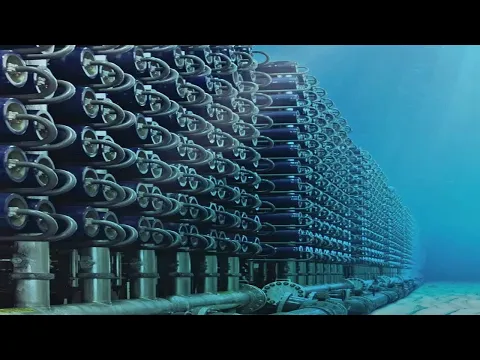
This membrane has extremely small pores, capable of retaining practically all dissolved salts, as well as viruses, bacteria, and organic contaminants. The treated water comes out with a salt concentration of less than 0.5 grams per liter, below the threshold of 1 gram per liter mentioned in the text as a reference for drinking water.
Energy efficiency has greatly improved with energy recovery systems, which reuse the residual pressure of the rejected water. According to the company, these systems have reduced electrical consumption from up to 7 kWh per cubic meter in the 1990s to about 2 to 3 kWh per cubic meter in modern projects.
In a plant the size of Iloilo, this difference represents savings of tens of millions of dollars over its useful life.
SUEZ enters Iloilo with 50 years of experience and more than 260 desalination plants
SUEZ arrives at the project with a strong track record in the sector. The official statement text states that the company has 50 years of experience in desalination and more than 260 plants designed and built in over 30 countries, which gives the company an unusual technical weight for a project of this type in the Philippines.

In the Philippines, the company enters with the DBO model, an acronym for Design, Build, Operate, which encompasses design, construction, and operation.
This means that SUEZ not only delivers the infrastructure but also starts operating the plant after completion, being responsible for the quality of the water produced and the system’s performance throughout the contract.
JEMCO enters as a local construction partner, bringing experience with construction logistics in an island environment, regional supply, and typical conditions of the Philippine archipelago, where extreme humidity, cyclones, and maritime transport of heavy materials are part of the reality of any major project.
66.5 million liters per day show the real size of the Iloilo desalination plant
The daily production of 66,500 cubic meters is equivalent to 66.5 million liters of water per day. This volume helps to show the scale of the plant and how much it can alter the supply of the Iloilo metropolitan area.
The text uses as a reference the consumption of a family of four in Brazil, between 600 and 800 liters per day for all uses.
In this comparison, the 66.5 million liters produced could supply between 80,000 and 110,000 families daily. However, SUEZ itself specifies that about 64,500 m³/day will go directly to approximately 50,000 households, suggesting a higher local consumption pattern.
Another central point is reliability. The plant will operate continuously, 24 hours a day and 365 days a year, without relying on rain or river levels. In an archipelago subject to seasonal droughts and the advance of saltwater over coastal aquifers, this operational stability becomes one of the project’s greatest strategic assets.
The largest desalination plant in the Philippines could become a model for other islands in the archipelago
The Philippines has more than 7,600 islands, and a significant portion of the approximately 2,000 inhabited ones do not have large rivers, abundant aquifers, or sufficient water security to rely solely on rain and wells. The conventional supply model works on larger and wetter islands but becomes fragile in densely populated coastal areas vulnerable to saline intrusion.
The Iloilo plant is not the first desalination plant in the country, but it is the largest in the Philippines and represents the entry of large-scale desalination into a market that still primarily operated with smaller units. If the project proves operational and economic viability after construction and during the first seasons of use, it may pave the way for other medium-sized cities in the archipelago to adopt the same model.
The groundbreaking ceremony took place on April 7, 2025, with the presence of Mayor Jerry Treñas. The CEO of Metro Pacific Water, Christopher Pangilinan, described the infrastructure as the long-term solution to Iloilo’s water challenges. When the plant begins operation in early 2027, the water reaching thousands of homes will have been produced from the Visayas Sea by reverse osmosis membranes.






Poblacion Water Treatment Plant in Muntinlupa City, Manila has 150MLD capacity and uses RO thought its water source is brackish from Laguna Lake. Been operating for about 2 years
in theory it is good. but not best or better if drinking water is the main concern. look out for possible stone on gall bladder and other in pancreas, liver, and high blood after prolonged drinking these water. its the main problem on all seafarers as they are exposed on these water
Can you back up your statement with scientific or medica data.