





 Portuguese
  English
  Spanish
  4 min of reading
  3 comments


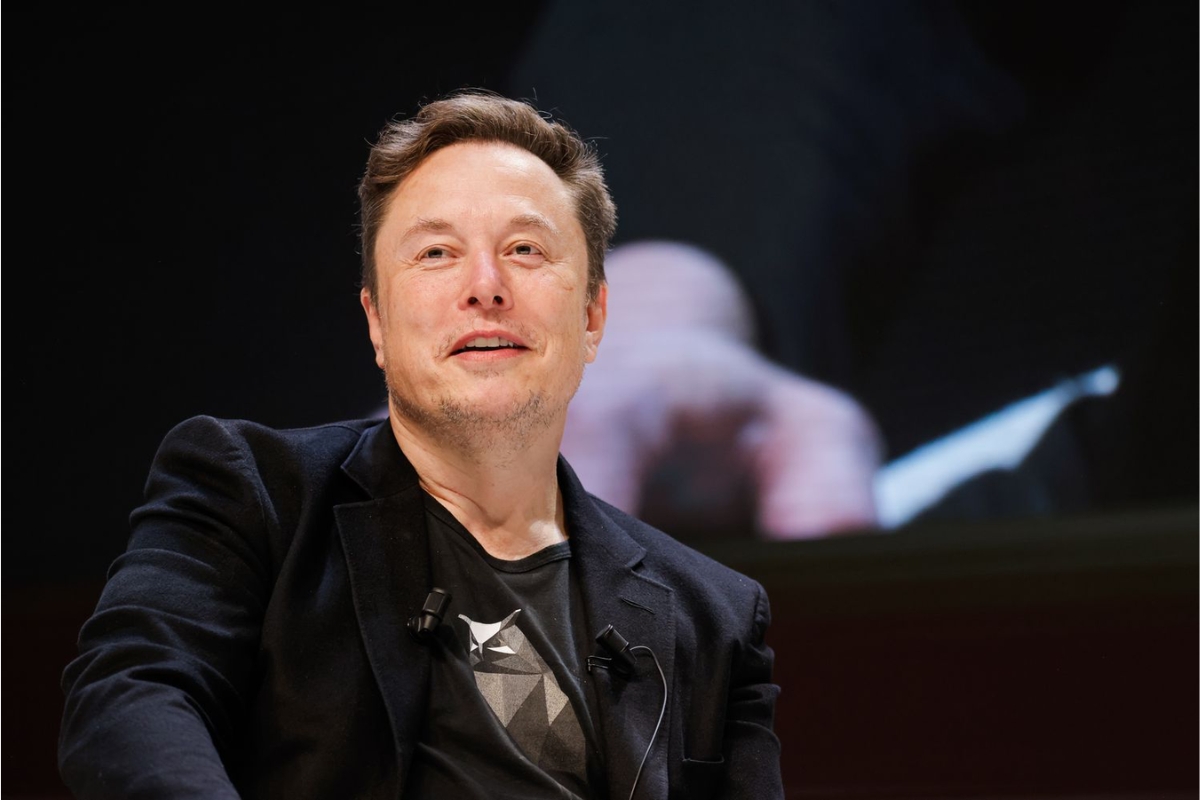


Musk Bet That The Learning Speed Of Algorithms Has Exceeded Predictions: AI Would Stop “Helping” To Code And Start Replacing Entire Stages Of Development At Scale
Elon Musk has once again issued a warning for those working in programming. In the businessman’s view, there would be less than a year for many professionals to rethink their careers, as technological acceleration may drastically reduce the demand for writing code in the traditional way.
The executive leading companies like Tesla and SpaceX argues that software development, as it is known today, is heading toward a profound transformation: artificial intelligence systems would start to take over the production of complete solutions based on requests described in natural language, focusing on efficiency and optimization.
What Elon Musk Said About The Future Of Programmers
In an internal meeting of xAI and in recent statements during the World Economic Forum in Davos 2026, Musk reignited the debate about the future of digital work. “By the end of 2026, programming will no longer be something we need to worry about,” he stated.
-
A nearly submerged sandbank turned, in a few months, into a Chinese artificial island of almost 1,500 acres in the South China Sea, a development captured by satellites that reignites tensions with Vietnam and fears about the militarization of one of the busiest trade routes on the planet.

-
In the French Mediterranean, turbines that float on the sea instead of being anchored to the seabed have started delivering energy to homes and businesses for the first time.

-
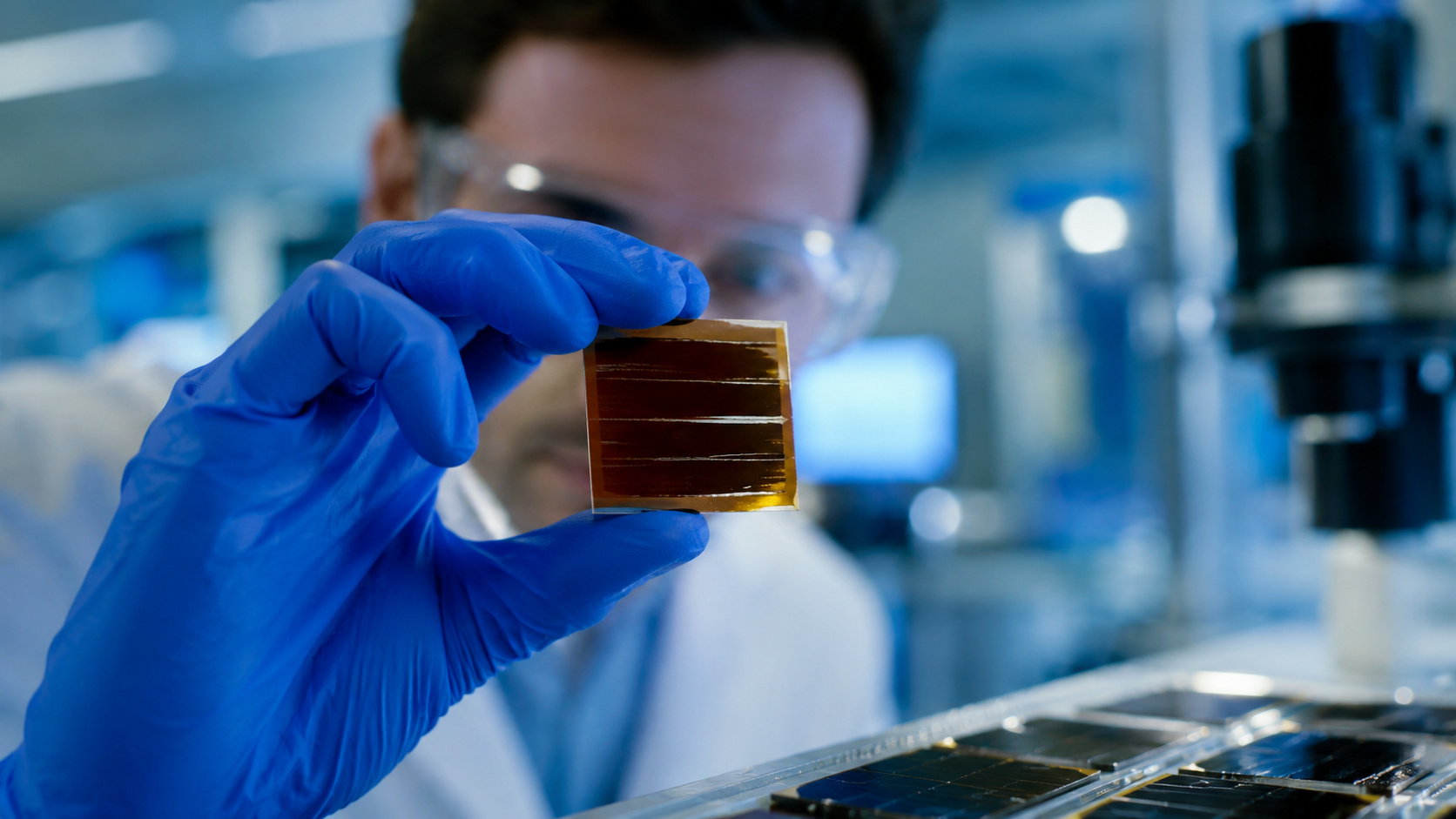
Scientists finally overcome the biggest obstacle of perovskite and pave the way for high-efficiency solar panels on an industrial scale; Breakthrough that could reduce renewable energy costs and accelerate the global energy transition in the coming years.

-
While Silicon Valley creates robots to fold clothes and make coffee, a company with Eric Trump as an advisor is betting on humanoids for dangerous and lethal tasks, having already received $24 million in contracts and aiming to surpass China.



According to him, the evolution of AI is approaching a level where working, as we understand it today, tends to become optional in many activities, thanks to the machines’ ability to perform complex tasks with increasing autonomy.

Language model-based tools, such as GitHub Copilot and OpenAI Codex, already automate relevant parts of the daily development routine.
Musk envisions that, in the near future, the routine of writing lines of code will be replaced by a more direct process: explaining to an AI assistant what one wants to create, rather than spending hours in an editor. For him, the turning point would happen this year, when manual programming would begin to lose meaning in the face of models capable of delivering ready-made applications from simple descriptions.
Why Musk Predicts The End Of Traditional Programming
The basis of Musk’s forecast lies in the recent advancement of language models and other AI systems. Today, solutions like GitHub Copilot and OpenAI Codex already assist in writing entire segments of programs, reorganizing modules, suggesting programming interfaces, and quickly finding bugs.
In the entrepreneur’s view, this indicates that a growing portion of work, especially the more repetitive and mechanical tasks, can already be automated.
Musk also predicts that, further down the line, AI will generate highly optimized binaries, reducing reliance on popular languages like Python and C++.
The next step, he says, would come with much larger models and supercomputers dedicated to AI at an unprecedented scale, such as the Colossus 2 that xAI is reportedly building. It is in this scenario that the more radical idea appears: instead of producing source code, AI would start to directly create executables tailored to each architecture, diminishing the need for languages like Python, Java, or C++.
Thus, the professional would only need to describe requirements in natural language, for example, “create a CRM with these features” or “develop a game with these rules,” and the system would return a ready-to-use installer.
Which Professions Would Be The First Threatened By Artificial Intelligence
Musk’s vision is not limited to programming. He argues that the first jobs to shrink with AI efficiency would be those related to the digital environment. In this group, he includes administrative roles, online customer service, data analysis, and entry-level programming professionals.
For the businessman, the speed at which algorithms learn to execute logical processes has exceeded academic predictions made in the past.
Musk states that even doctors and lawyers will have their routines altered by AI, which already analyzes clinical histories and drafts contracts with a high degree of accuracy. (Illustrative image)
The diagnosis also reaches areas considered more protected, such as medicine and law. Musk maintains that AI can already analyze medical records and clinical patterns with high precision and automate legal research and the drafting of complex contracts, with decreasing margins of error.
On the other hand, he points out that “temporary harbor” occupations, which depend on physical interaction with the world, are harder to automate completely. Still, Musk asserts that this advantage may diminish with the arrival of humanoid robots, such as Optimus, which could begin to take over positions in factories and even in household tasks before the end of the decade.






Não vejo tanta evolução assim, as vezes peço para desenvolver alguma coisa em html que não é uma coisa complexa e a resposta tem erros graves não funcionando conforme solicitado se reporto o erro na grande maioria das vezes acaba piorando a resposta.
Aí quando chega num erro crítico, a IA simplesmente pede desculpa pelo erro e não resolve nada
No dia que vc usar o Devin, vai mudar de opiniao.