





 Portuguese
  English
  Spanish
  3 min of reading
  0 comments


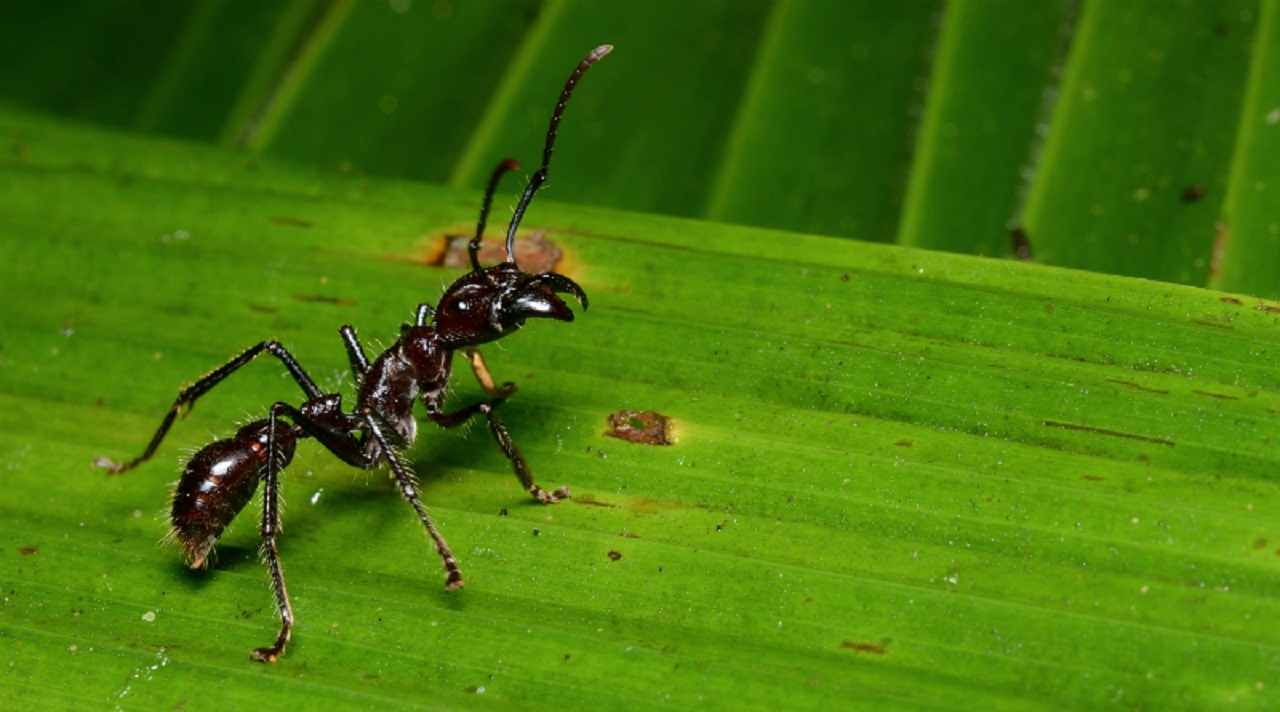
Bullet Ant Causes Pain Comparable To A Gunshot: Know The Ant With The Most Painful Sting In The World That Lives In The Amazon. Understand Why The Bullet Ant Sting Is So Painful.
The Bullet Ant (Paraponera clavata), also known as the bullet ant, responsible for the most painful sting in the world, is an impressive species that inhabits the tropical forests of Central and South America, including Brazil. In this article, we will learn about this species and why the Bullet Ant causes pain comparable to a gunshot.
The Ant With The Most Painful Sting In The World
Its popular name in Tupi-Guarani, tocandira, means “the one that stings deeply,” and this nickname reflects the intense pain generated by its sting, often compared to the impact of a gunshot.
The Paraponera Clavata, the scientific name of the ant with the most painful sting in the world, is known by various names depending on the region.
-
With a gigantic arch of 106 meters and the largest stadium swing in the world, the Moses Mabhida Stadium accommodates up to 54,000 people, offers a panoramic tour with views of the Indian Ocean, and has become an architectural symbol of South Africa by combining soccer, tourism, and extreme attractions at the top of its monumental structure.

-
The Amazon faces an invisible problem beyond deforestation: an open-air landfill near Manaus threatens water, agriculture, and tourism, while a sanitary landfill emerges as a solution to replace irregular disposal and protect communities in Iranduba.
-
For the first time in over a century, the Klamath River is flowing freely in the United States after the demolition of four hydroelectric dams, and within a few weeks, salmon have already reappeared in sections that had been blocked since 1918, in the largest river restoration project in American history.

-
It’s never too late to recalculate the route: take control of your story and change your profession.




It is also called tocandira, tocanera, tocantera, tocainará, tocanquibira, saracutinga, tracutinga, giant ant, tucandeira, black ant, tocandera, bullet ant, chia-chia, tec-tec, and naná. In English, it is called Bullet Ant.
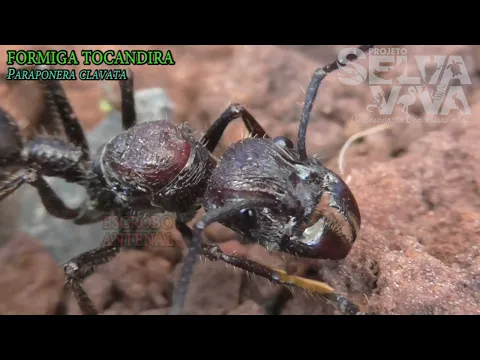

The Bullet Ant causes pain comparable to a gunshot, and this insect is common in tropical regions of Central and South America. The animal inhabits from the tropical forests of southern Nicaragua to the Amazon.
In Costa Rica, this ant can be found in areas with an elevation above 500 meters. In South America, it is mainly present in Brazil, Bolivia, and Peru.
Measuring up to 2.5 cm in length, with dark coloration and strong jaws, the Bullet Ant is one of the largest ants in the world. In addition to being found in tropical forest soils, it builds its nest at the base of trees and is predominantly carnivorous.
Why Does The Bullet Ant Sting Hurt So Much?
Its main predators are small reptiles, birds, and amphibians. However, the Bullet Ant sting serves as a powerful defense, capable of paralyzing and even killing these animals. The Bullet Ant causes pain comparable to a gunshot, but one of its most notable aspects is its organized social behavior.
The colonies are small compared to other species, with a few hundred individuals, and exhibit a well-defined division of labor. The queen, slightly larger than the workers, is responsible for all reproduction in the colony.
The immense pain from the Bullet Ant sting is generated by Poneratoxin, a neurotoxin present in its venom. This substance interferes with the transmission of nerve signals, causing intense and immediate pain that can last up to 24 hours.
Additionally, the Bullet Ant causes pain comparable to a gunshot, resulting in swelling, redness, fluid retention, and, in some cases, tachycardia. Although extremely painful, the sting of the Bullet Ant is rarely fatal to humans; however, it can be lethal to small predators.
Understand The Pain Classification Of The Bullet Ant Sting
The Bullet Ant causes pain comparable to a gunshot, and Justin O. Schmidt, creator of the insect sting pain index, classified it as 4+, the highest on the scale. He described the experience as walking over hot coals with a 5 cm nail embedded in the heel.
Although there is no specific treatment for the sting, measures such as applying ice and analgesics can alleviate the symptoms.





Be the first to react!