






 Portuguese
  Spanish
  4 min of reading
  0 comments


Among mountains, waterfalls, and Minas Gerais traditions, Adriano found a new way of living in the interior of Delfinópolis after years working in Japan, transforming a simple rural site into a refuge that today attracts tourists from various parts of Brazil
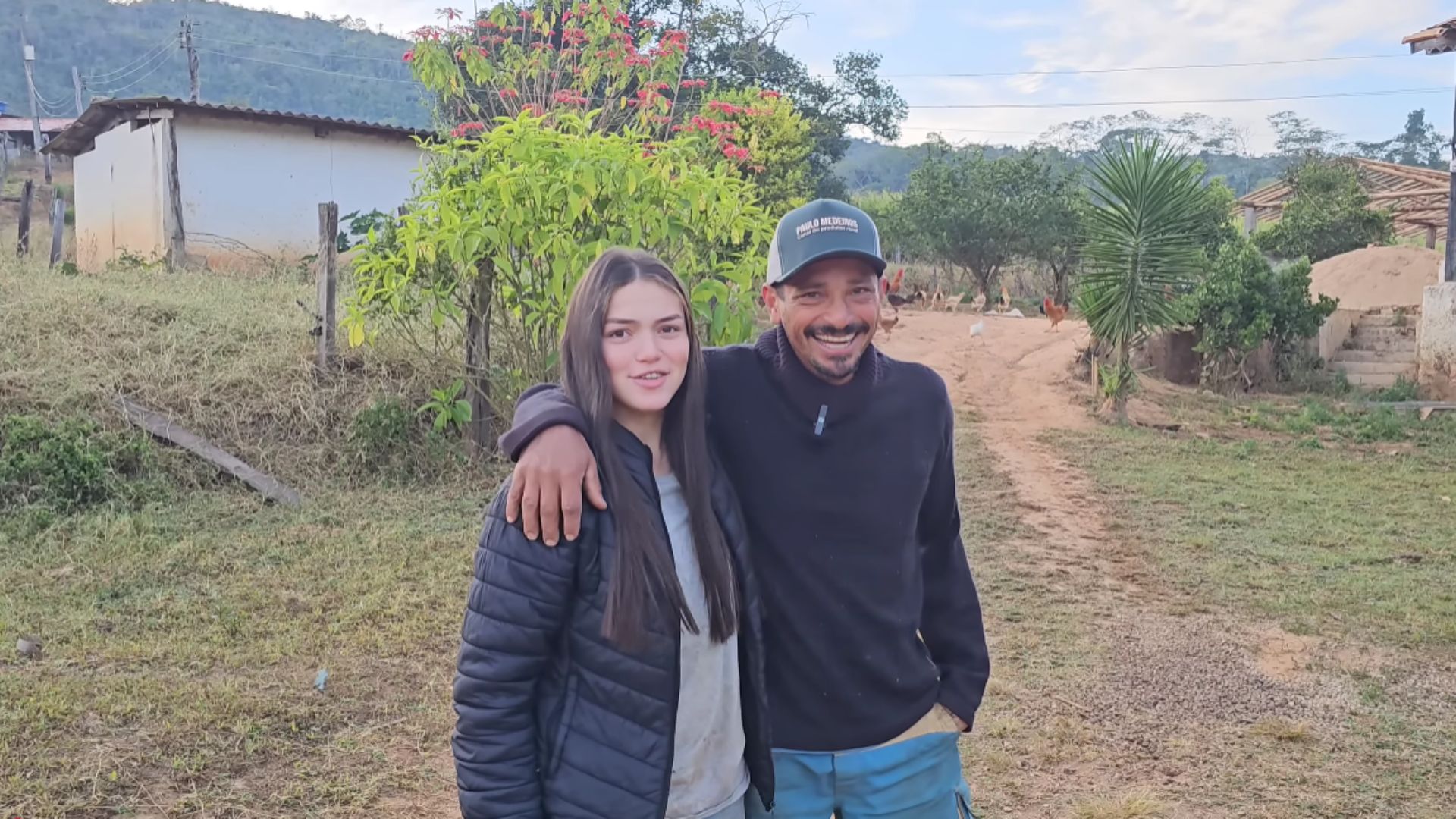
According to information presented by the channel Cantinho Rural, recorded in Delfinópolis, in the interior of Minas Gerais, Adriano — affectionately known as Bó — decided to completely change the course of his life after spending about 15 years working in Japan. What seemed like just a temporary phase ended up becoming a transformative experience, capable of changing his view on work, quality of life, and purpose.
From the motorcycle workshop to a refuge in the middle of nature

Originally from the region of Ribeirão Preto, in São Paulo, Bó worked as a motorcycle mechanic before heading to Japan in search of better financial opportunities. For years, he and his wife saved money, bought properties, and built a solid financial base abroad. Later, they decided to sell everything to invest in an old dream: to live permanently in the Minas Gerais countryside.
The chosen destination was a site in the Vale da Gurita, a region surrounded by mountains, rivers, and waterfalls within the Serra da Canastra. The place, purchased in 2008 and permanently inhabited since 2014, gradually transformed into a rural inn with camping, chalets, social areas, and a strong connection with the local culture.
-
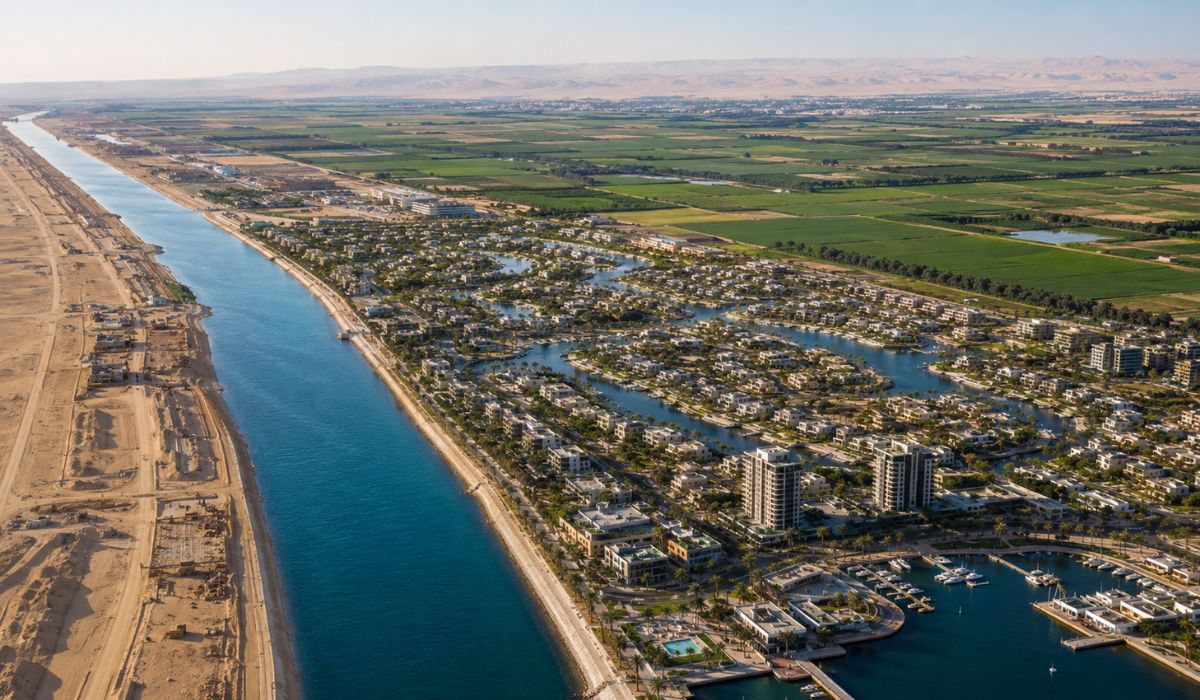
Egypt wants to divert 10 million m³ of Nile water per day, equivalent to 4,000 Olympic swimming pools, to build a glass city in the desert and irrigate 2.28 million acres, in a project that attempts to push life out of the country’s most contested valley.

-
Brazilian military personnel spend weeks in extreme training in the Amazon and receive a badge reserved for Jungle Warriors during the celebration of the 60th anniversary of one of the most demanding and respected courses in the world.

-
After the divorce, a woman spent four years building a studio apartment with skylights, mirrors, a bathtub hidden under the sofa, and family mementos for a fresh start.

-
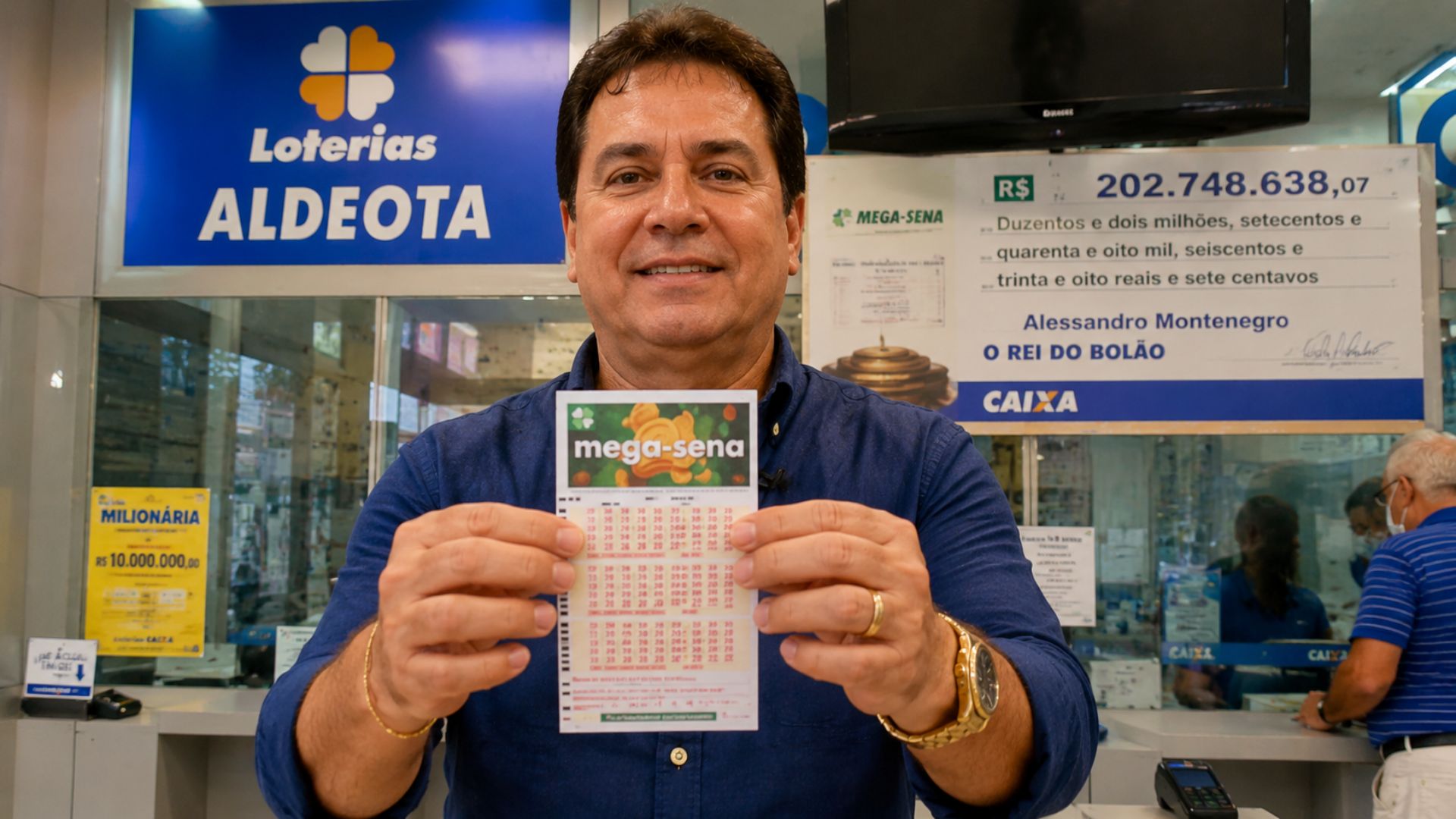
The “Rei do Bolão” of Fortaleza made 100 people millionaires at once in the Mega-Sena: the lottery office in Aldeota divided R$ 168 million in a pool and delivers a bet from São Paulo to Dubai.


The simple life that conquered tourists from all over Brazil
Those who arrive at the site find much more than accommodation. The space preserves old traditions of the Minas Gerais countryside, such as freshly ground coffee, cheese bread made from a family recipe, wood stove, water-powered pestle, and historical utensils scattered throughout the property. Everything was designed to offer an authentic countryside experience.
Additionally, Bó took advantage of the natural structure of the location to create an experience focused on ecotourism. The property features lakes, trails, camping areas, and close access to the famous Melado Waterfall, one of the most beautiful landscapes in the region. Even on rainy days, the scenery impresses with its tranquility and preserved vegetation.
The impact of Japanese culture on rural life

Despite stating that “there’s nothing like Brazil,” Bó acknowledges that his time in Japan left deep marks on his way of living. According to him, the discipline, organization, and respect learned during the years in the Asian country directly helped in the construction of the rural project he maintains today.
At the same time, he believes that the pandemic awakened a new perspective on national tourism among Brazilians. According to Adriano, many people began to discover the natural riches of their own country, especially strengthening rural tourism and ecotourism.
This change in behavior helped the small site in Serra da Canastra receive visitors from different states of Brazil. What started merely as a personal dream ended up becoming a reference for those seeking rest, nature, and simplicity.


A paradise built with work, memory, and roots
As he walks through the property, Adriano makes a point of proudly showing every detail. There are old pieces hanging around the site, manually built fountains, social areas made with stones from the region itself, and spaces created gradually, always respecting the natural environment.
More than a business, the place represents a kind of return to origins. After years living in a completely different culture, Bó found in the simple life of the Minas Gerais countryside what he had been looking for since his youth: peace, contact with nature, and freedom.
Today, surrounded by the mountains of Serra da Canastra, he shows that success is not always linked to the hustle and bustle of big cities. In many cases, it can be born precisely from the silence of the countryside, the smell of freshly brewed coffee, and the courage to start over.
A region that became a symbol of the new Brazilian tourism
Located in Delfinópolis, Minas Gerais, the Serra da Canastra has established itself in recent years as one of the main destinations for ecological tourism in Brazil. The combination of waterfalls, Minas Gerais cuisine, trails, and rural accommodations has attracted visitors seeking more authentic experiences and direct contact with nature.
In this scenario, stories like Adriano’s help explain why so many Brazilians have come to see the country’s interior with new eyes. More than beautiful landscapes, places like the Vale da Gurita offer a lifestyle that mixes simplicity, hospitality, and tradition.






-

1 person reacted to this.