





 Portuguese
  English
  Spanish
  2 min of reading
  0 comments


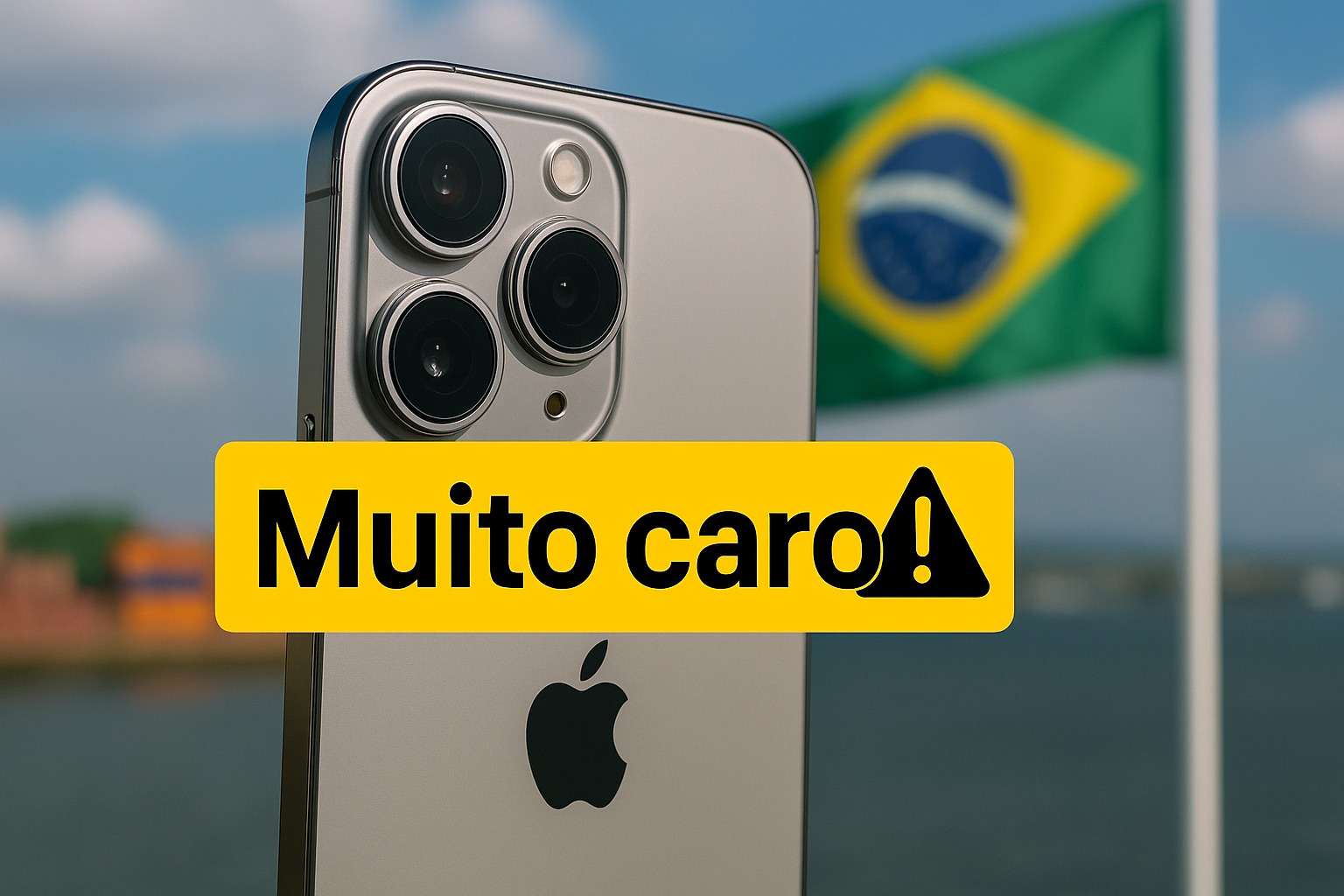
Difference Between Prices Makes The iPhone 17 A Luxury Item In Brazil, Where It Costs Almost Twice The Price Practiced In The USA.
The newly launched iPhone 17 arrives in the Brazilian market as one of the most expensive in the world. The 256 GB version will be sold for R$ 7,999, an amount equivalent to about US$ 1,472 at the exchange rate of R$ 5.43. This price is 85.4% higher than in the United States, where the same model costs US$ 799.
The disparity places Brazil behind only Turkey in the global ranking of device prices, turning the Apple smartphone into a luxury product for most of the population.
Global Difference Exceeds 70%
An international survey compared prices practiced in various countries.
-
JBL Flip Essential 3 SE is launched with 30W of power (20W + 10W), Bluetooth 5.4, Auracast for multiple connections, IP67 water and dust resistance, up to 12 hours of battery life, and a price of approximately R$ 660 in China.

-
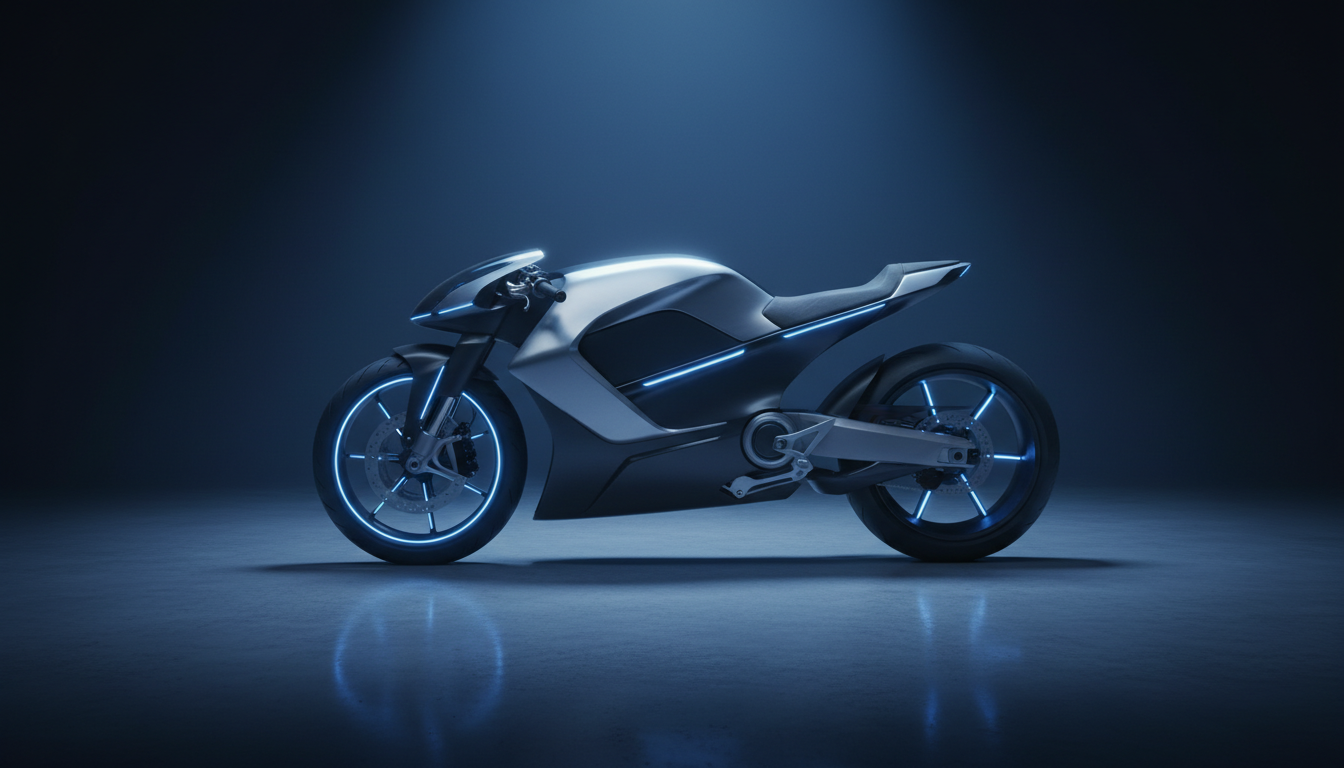
A Finnish startup presented at CES 2026 the world’s first electric motorcycle with a solid-state battery that charges in 5 minutes, travels 600 kilometers, and lasts 100,000 cycles without losing capacity.
-
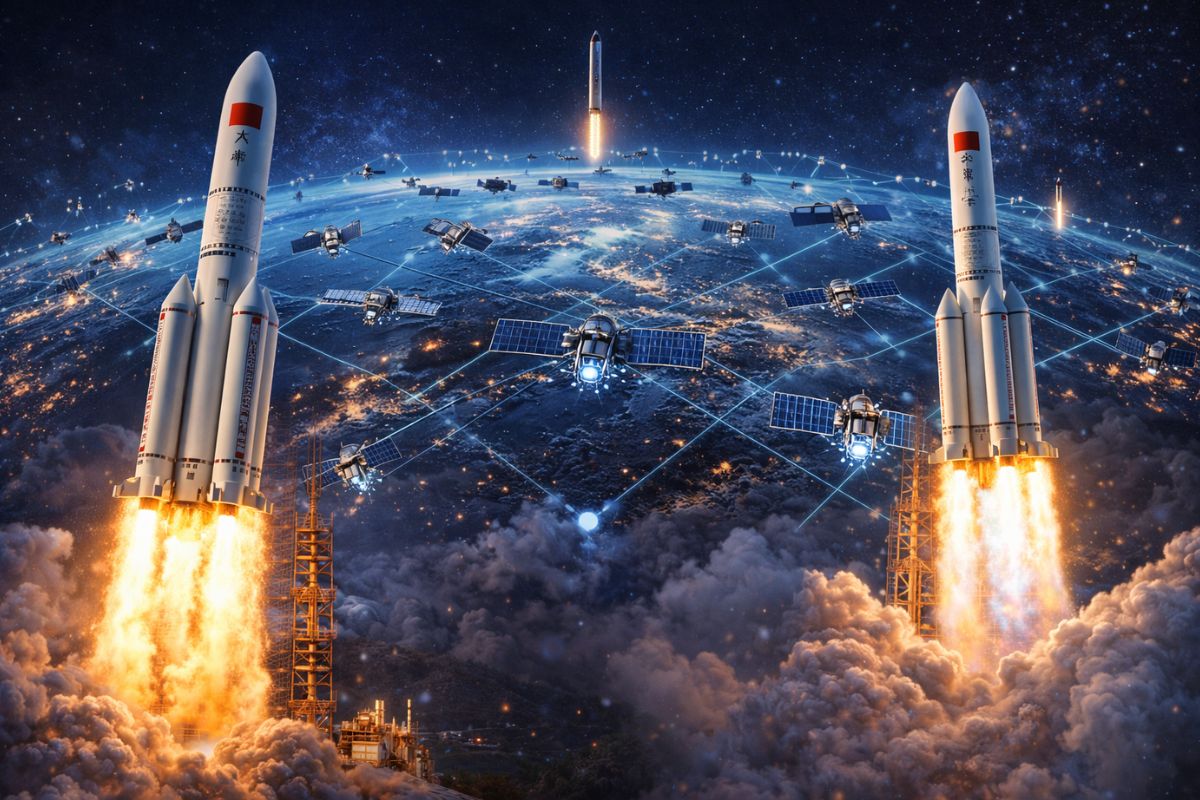
China launched 23 satellites into space in just 30 hours using two different rockets from two different bases in an orbital blitz that brings Beijing closer to assembling its own version of Starlink with 13,000 satellites, while Elon Musk already has 6,000 operational, and the race for space internet has never been so intense.
-
Chinese students use smart glasses with AI for cheating in university exams.

Besides Brazil, only markets like France (US$ 1,134), Mexico (US$ 1,074), the United Kingdom (US$ 1,081), and New Zealand (US$ 1,007) exceed the thousand-dollar barrier.
On the opposite ends are the Asian countries. Japan (US$ 881), China (US$ 842), South Korea (US$ 930), and India (US$ 940) show significantly lower prices. The difference between the price charged in Brazil and the one practiced in Japan, for example, exceeds 67%.
Taxes And “Apple Dollar” Explain The High Price
Experts attribute the high prices in Brazil to the combination of high tax burden and Apple’s pricing policy, known as the “Apple Dollar.”
The company adopts a exchange rate that usually exceeds R$ 10 per dollar, further increasing the final price to the consumer.
Moreover, logistical costs and reseller margins contribute to the increase, making new devices a high-impact decision in personal budgets.
Despite The Price, Demand Remains High
Even with such high prices, iPhones remain among the most desired smartphones in the country. Many consumers resort to long installments or wait for retail promotions to make the purchase feasible.
For those planning to travel, buying the device in countries like the United States, Japan, or China can represent a savings of over R$ 3,000, even considering import taxes.
This makes acquiring the model abroad seen as a more advantageous and financially rational alternative for Brazilians.





Seja o primeiro a reagir!